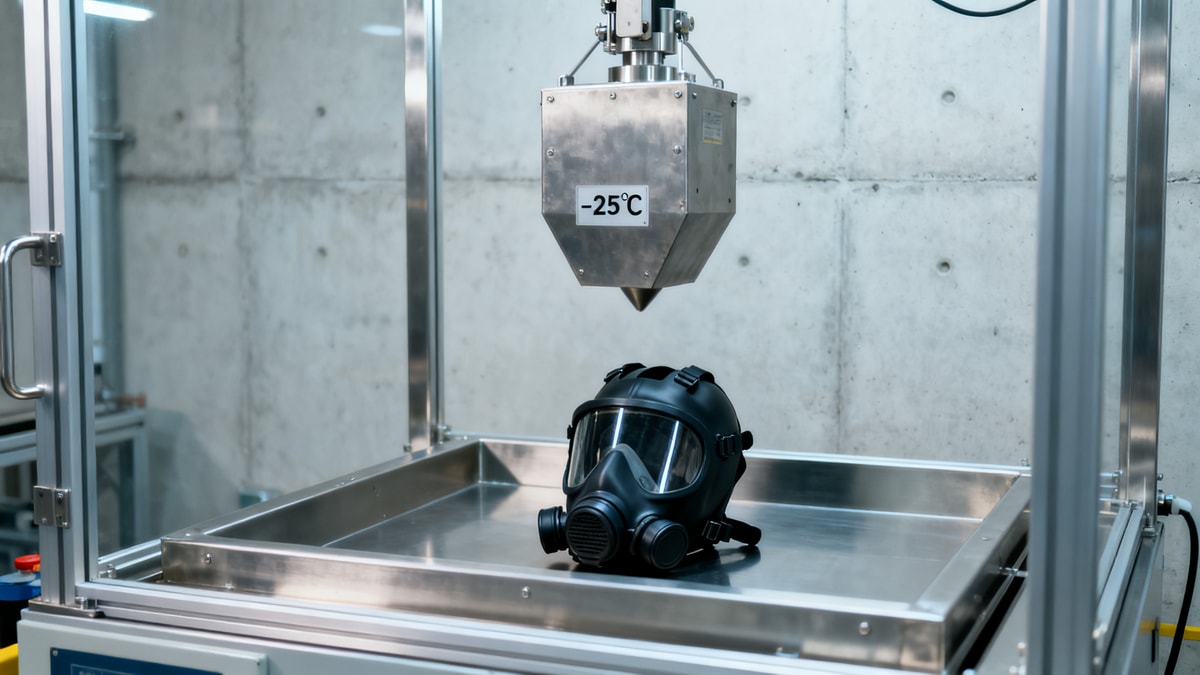
What separates a Security & Safety manufacturer from an assembler
Author
Date Published
Reading Time
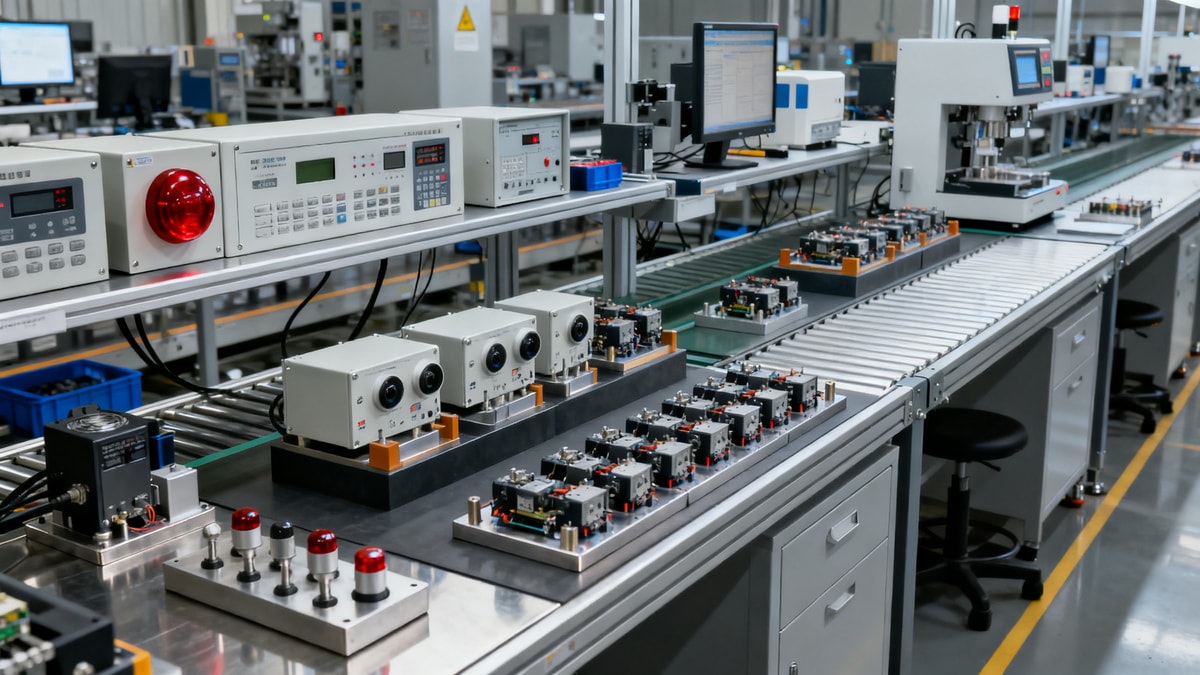
Choosing a Security & Safety manufacturer is not the same as buying from an assembler. For distributors, agents, and channel partners, the difference affects product consistency, certification credibility, delivery reliability, and long-term market reputation. This article explains what truly separates a qualified manufacturer from a simple assembler, so you can evaluate suppliers with more confidence and build a stronger, lower-risk portfolio.
For most channel partners, the real question is not whether a supplier can ship a product sample that looks acceptable. The real question is whether that supplier can support repeatable quality, defend compliance claims, handle design changes responsibly, and remain dependable when your customers place pressure on lead time, documentation, and after-sales performance.
In practical terms, a true manufacturer usually controls more of the product lifecycle: design engineering, process validation, quality systems, materials selection, traceability, and continuous improvement. An assembler may still be useful in some low-risk categories, but if you serve industrial, commercial, or regulated buyers, the gap between the two models becomes commercially significant very quickly.
Why this distinction matters so much to distributors and agents
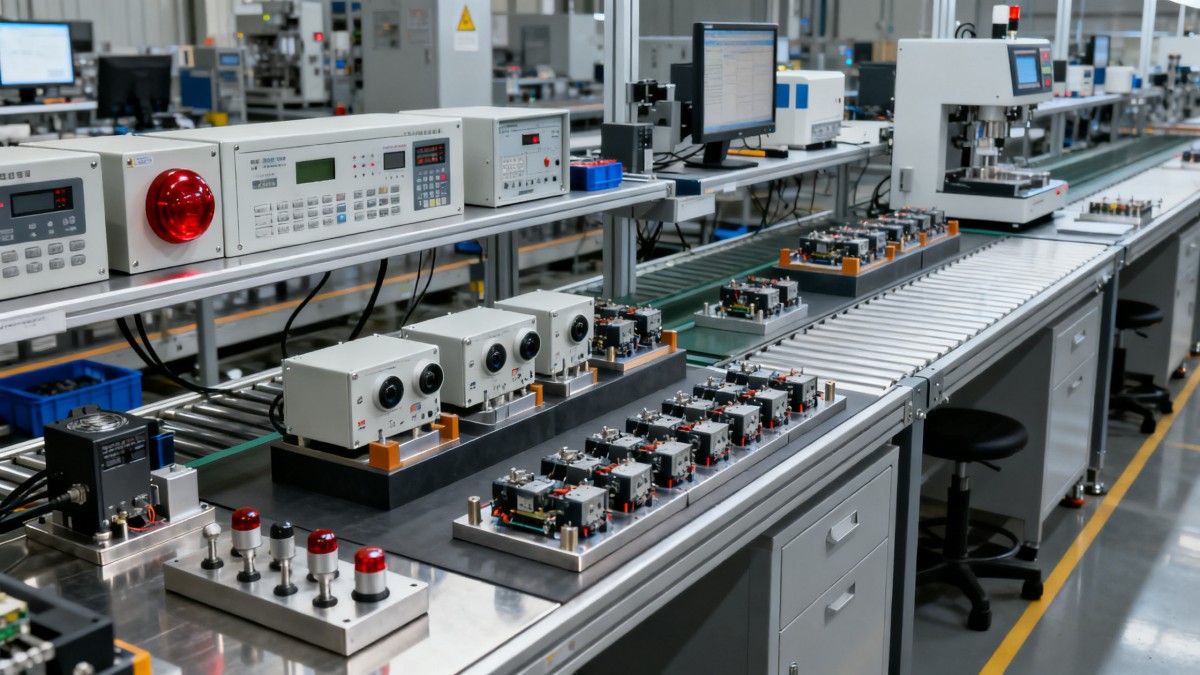
Distributors and agents do not just sell products. They absorb risk on behalf of the market. When a Security & Safety product fails, arrives with inconsistent specifications, or carries weak certification support, the damage usually reaches the channel first. Your customer questions your recommendation before they question the upstream supplier.
That is why supplier type matters. A supplier that only assembles sourced parts may offer attractive pricing and flexibility at first. However, if they do not control the core engineering, testing, production processes, or compliance documentation, you may face recurring problems: variation between batches, unclear liability, unstable lead times, and weak technical answers during audits or tenders.
A qualified Security & Safety manufacturer, by contrast, gives channel partners something more valuable than a low quote. It gives them operational confidence. That confidence improves bid quality, reduces warranty disputes, supports premium positioning, and helps protect long-term account relationships.
What a real Security & Safety manufacturer usually controls
The clearest separator is control. Manufacturers control critical stages of value creation. Assemblers mainly combine purchased components into a sellable unit. The more risk-sensitive the application, the more this difference matters.
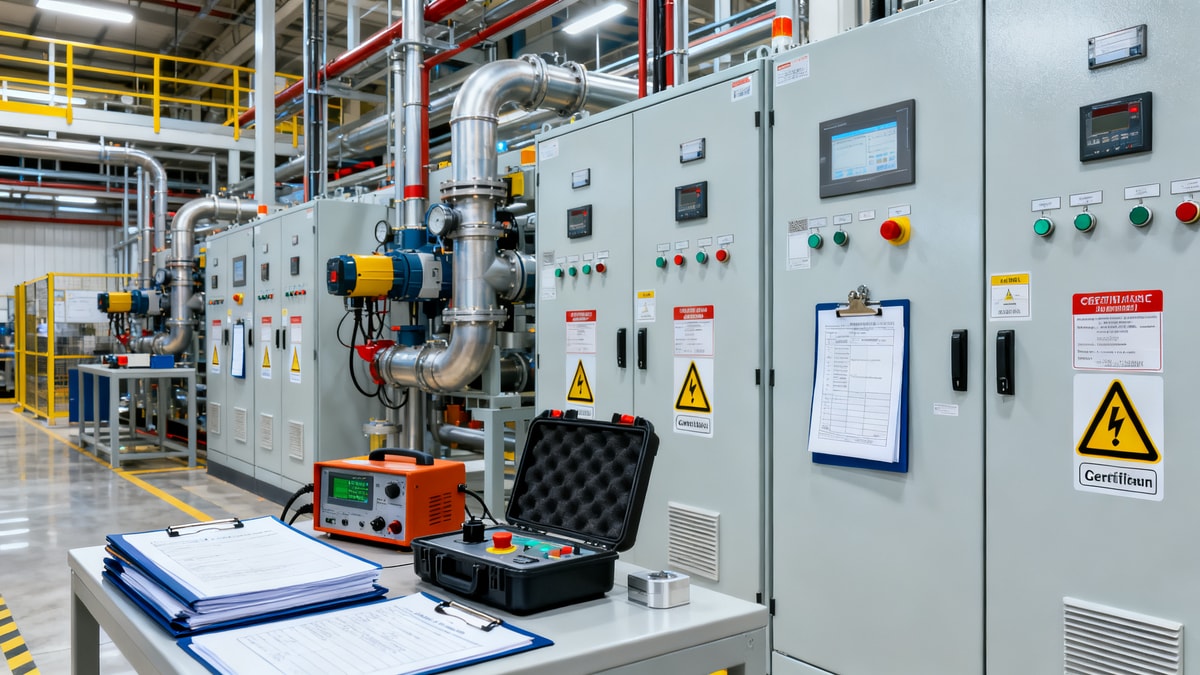
A true manufacturer often has in-house or deeply managed capabilities in product design, prototype verification, production engineering, fixture and tooling development, process quality control, incoming material validation, and final product testing. They can usually explain why a product performs the way it does, not just what components are inside it.
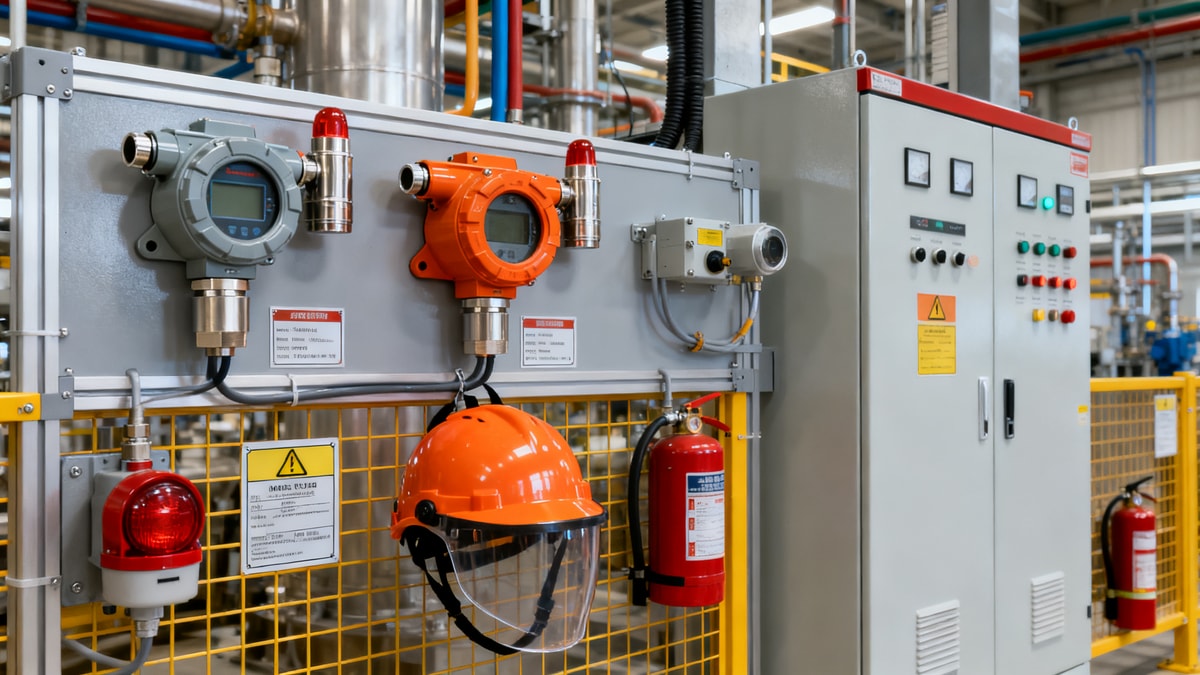
In the Security & Safety segment, this may include enclosure design, sensor integration, alarm logic, fire or intrusion response behavior, cable or connector specifications, environmental resistance, electromagnetic compatibility considerations, and fail-safe architecture. A manufacturer can discuss design intent and performance thresholds with clarity because those decisions are part of its own system.
An assembler may depend heavily on third-party modules, third-party drawings, and external test evidence. That does not automatically mean poor quality, but it does mean less ownership over product behavior. If one upstream component changes, the assembler may not fully understand the impact on compliance, service life, or compatibility in the field.
How certification credibility reveals the difference
For distributors serving industrial or institutional buyers, certifications are often where the truth becomes visible. Many suppliers can show a certificate logo on a brochure. Fewer can explain the exact product scope, test standard edition, factory audit status, and ongoing compliance controls behind that claim.
A real manufacturer can usually provide structured compliance support: test reports, certificate references, model mapping, material declarations when needed, quality audit records, and technical explanations tied to the certified configuration. They understand that CE, UL, ISO, or related marks are not marketing decorations. They are part of a controlled system.
Assemblers may rely on component-level certifications and present them as if they automatically validate the full finished product. This is a common risk. A certified power supply, enclosure, or sensor does not necessarily mean the assembled device as a whole is certified for the intended market. Integration changes electrical behavior, heat profile, ingress protection, and failure pathways.
For channel partners, the right question is simple: can this supplier prove compliance at the finished product level and maintain that proof across production batches? If the answer is vague, delayed, or built on unrelated documents, you are likely dealing with a lower-control operation.
Why product consistency matters more than a good sample
Many sourcing mistakes happen because buyers approve a supplier based on one successful sample run. Samples are important, but they only tell you whether a supplier can produce one acceptable unit under close attention. They do not prove that the same result can be repeated across months, production lots, or regional orders.
Manufacturers build repeatability into the process. They use controlled work instructions, validated assembly methods, inspection checkpoints, traceable materials, and change management procedures. If a screw type, resin grade, cable source, or PCB layout changes, the impact is reviewed before the modified product reaches customers.
Assemblers are often more exposed to component substitution, informal process variation, and dependency on whichever upstream part is available. In stable categories this may be manageable. In Security & Safety products, it can create hidden performance shifts that only appear during installation, inspection, or incident response.
For a distributor, consistency is not a technical luxury. It affects whether your technical team can standardize documentation, whether installers face fewer surprises, and whether end users trust repeat orders. Consistency is what turns a supplier into a scalable line card partner rather than a short-term source.
Questions to ask when evaluating a supplier beyond price
If you want to distinguish a true manufacturer from an assembler, your evaluation process should go beyond catalog breadth and unit price. Ask questions that reveal ownership, control, and discipline.
Start with engineering ownership. Who designed the product? Who owns the drawings, firmware, test procedures, and bill of materials? If a customer requests a modification, who evaluates the effect on safety, compliance, and performance? A real manufacturer answers directly and specifically.
Then ask about process control. What inspections happen at incoming, in-process, and final stages? How are nonconformities recorded and corrected? How is lot traceability maintained? What triggers a formal change notice? Mature manufacturers have documented answers, not improvised ones.
Next, test documentation depth. Can the supplier provide full product-level test records or only component certificates? Can they explain environmental, electrical, mechanical, or functional validation relevant to the application? Strong suppliers can discuss both the test standard and the production reality behind it.
Finally, ask about supply continuity. Do they depend on one external source for critical modules? What is their substitution approval process? How do they manage obsolete parts? The best manufacturers think in terms of lifecycle management, not just monthly shipments.
Commercial signs that a supplier is acting like an assembler
You do not always need a factory audit to spot warning signs. Commercial behavior often reveals structural weakness. One sign is unstable technical data. If product dimensions, ratings, or compatibility details shift between quotation, brochure, and sample, the supplier may not be operating from controlled documentation.
Another sign is slow or inconsistent answers to technical questions. If sales representatives need days to check basic compliance scope, material details, or installation limitations, the organization may lack direct engineering ownership. A manufacturer with mature systems usually responds with clearer structure.
Watch for overreliance on generic language. Terms such as “high quality,” “international standard,” or “tested before shipment” mean little without named standards, test methods, or process references. Serious manufacturers are usually comfortable with specifics because specifics support trust.
Also be careful when every product seems highly customizable but no design control framework is visible. Customization is valuable, but in safety-related categories, uncontrolled customization can become a liability. If a supplier modifies products freely without discussing revalidation, documentation, or revised certification impact, the risk shifts to you.
When an assembler may still be a viable channel option
Not every assembler should be dismissed. In some low-risk applications, an assembler can offer commercial advantages such as faster adaptation, lower minimum order quantities, and flexible packaging or branding support. For non-critical accessory lines, temporary market tests, or price-driven secondary channels, this can be useful.
The key is alignment between supplier model and market obligation. If the product is simple, regulatory exposure is limited, and your customers do not require deep technical support, an assembler may be acceptable if expectations are clearly defined. Problems arise when channel partners use assembler-grade supply for applications that require manufacturer-grade control.
In other words, the issue is not terminology alone. It is fitness for purpose. If you distribute products into industrial sites, infrastructure projects, public facilities, or specification-driven procurement environments, supplier depth matters much more than it does in basic retail-style transactions.
How the right manufacturer strengthens your market position
A strong Security & Safety manufacturer does more than ship hardware. It helps channel partners win better business. Reliable documentation improves tender participation. Stable quality reduces field complaints. Better traceability lowers dispute cost. Strong certification support shortens approval cycles with consultants, EPC firms, and end users.
There is also a brand effect. Distributors build reputation through supplier choices. When your portfolio includes manufacturers that can stand behind their designs, provide credible compliance evidence, and support post-sale technical issues, customers start viewing you as a dependable source rather than just another reseller.
That matters especially in markets where trust is hard won. A single problematic safety product can damage years of channel development. On the other hand, a proven manufacturer relationship can open access to larger accounts that require prequalification, controlled documentation, and confidence in lifecycle support.
A practical checklist for channel partners before onboarding a supplier
Before adding a supplier to your portfolio, use a simple but disciplined checklist. Confirm who owns the product design and whether revisions are documented. Verify finished-product certifications, not just component approvals. Review factory quality systems, inspection logic, and traceability practices. Ask how engineering changes are communicated to channel partners.
Check whether samples match production documentation. Request test reports tied to the exact model offered. Review packaging consistency, labeling clarity, user instructions, and serial or batch identification. These details often reveal whether the supplier operates as a controlled manufacturer or a reactive assembler.
Assess service depth as well. Can they support installation questions, failure analysis, replacement planning, and technical training? Strong channel relationships usually depend on post-sale competence as much as on shipment execution.
If possible, evaluate one category under real operating conditions before expanding the relationship. A controlled pilot order often tells you more than a polished presentation. The goal is not to eliminate all risk, but to identify whether the supplier has the systems needed to manage risk responsibly.
Conclusion: the difference is really about control, accountability, and trust
What separates a manufacturer from an assembler in Security & Safety is not simply factory size or marketing language. It is the degree of control over design, process, compliance, quality, and change management. That control directly affects your ability to sell with confidence and scale with fewer surprises.
For distributors, agents, and channel partners, the safest path is to evaluate suppliers through the lens of repeatability, certification credibility, technical ownership, and lifecycle support. A low price or attractive sample may win short-term attention, but a true manufacturing partner protects margin, reputation, and customer trust over time.
If your customers operate in environments where failure is costly, compliance is scrutinized, and performance must be repeatable, choosing a qualified Security & Safety manufacturer is not just a sourcing decision. It is a channel strategy decision.
Technical Specifications
- SASO Mandates Dual Energy Label for Industrial Transformers in Saudi Arabia from May 2026Author :Grid Infrastructure Analyst
- EN 61000-4-30:2026 Enforced: Class A Harmonic Traceability Mandatory for EU PQ AnalyzersAuthor :Precision Metrology Expert
- US DOE Level 3 Transformer Efficiency Standard Effective July 1, 2026Author :Grid Infrastructure Analyst
Expert Insights

Chief Security Architect
Dr. Thorne specializes in the intersection of structural engineering and digital resilience. He has advised three G7 governments on industrial infrastructure security.
Related Analysis
- May 06, 2026SASO Mandates Dual Energy Label for Industrial Transformers in Saudi Arabia from May 2026Author :Grid Infrastructure Analyst
- May 06, 2026EN 61000-4-30:2026 Enforced: Class A Harmonic Traceability Mandatory for EU PQ AnalyzersAuthor :Precision Metrology Expert
- May 06, 2026US DOE Level 3 Transformer Efficiency Standard Effective July 1, 2026Author :Grid Infrastructure Analyst
Core Sector // 01
Security & Safety
- Industrial safety standards compliance problems that show up lateAuthor :Safety Compliance Lead

- Safety standards for oil and gas industry that are often missedAuthor :Safety Compliance Lead

- What separates a Security & Safety manufacturer from an assemblerAuthor :Safety Compliance Lead

- What to Check Before Adopting New Safety Equipment SolutionsAuthor :Safety Compliance Lead

- INMETRO Updates Fire Pump Set Certification: IEC 60034-30-2 Enforcement Effective May 2026Author :Safety Compliance Lead

- Marine Oil Spill Boom Choices That Backfire in Rough WaterAuthor :Safety Compliance Lead

- Flood Control Sandbags: When Size Choice Affects Deployment SpeedAuthor :Safety Compliance Lead

- JIS T 8201-2026 Enforces New Low-Temp Impact Test for Fire Respirator MasksAuthor :Safety Compliance Lead