Safety standards for chemical plants that are often missed
Author
Date Published
Reading Time
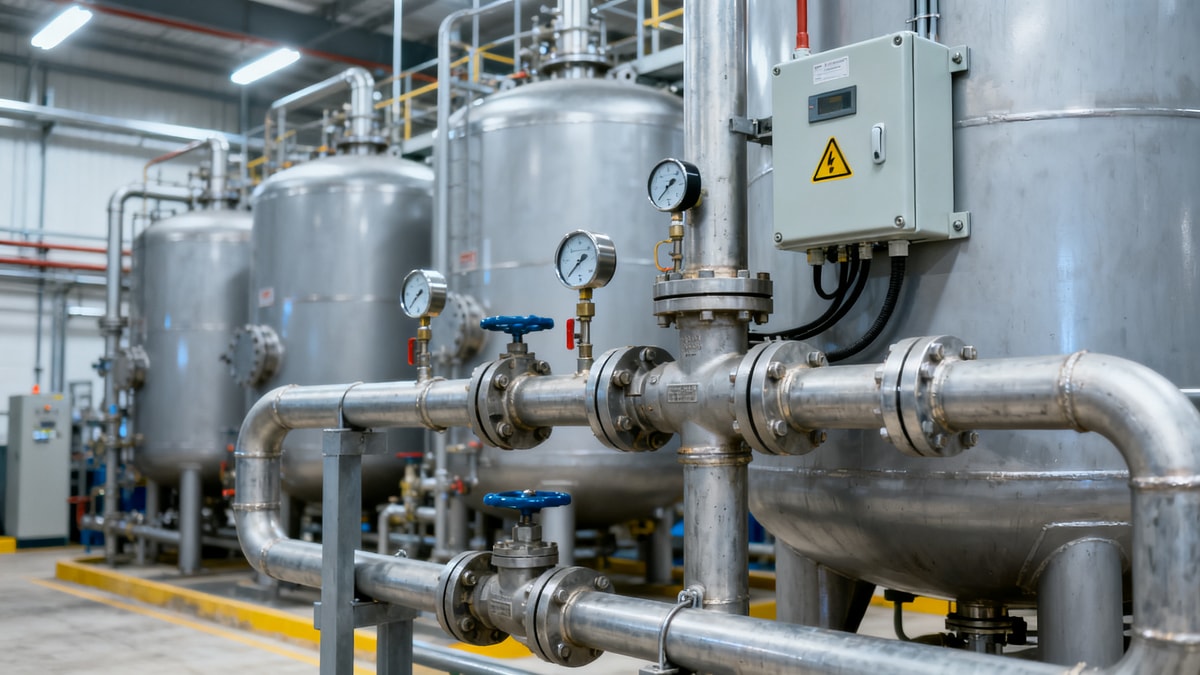
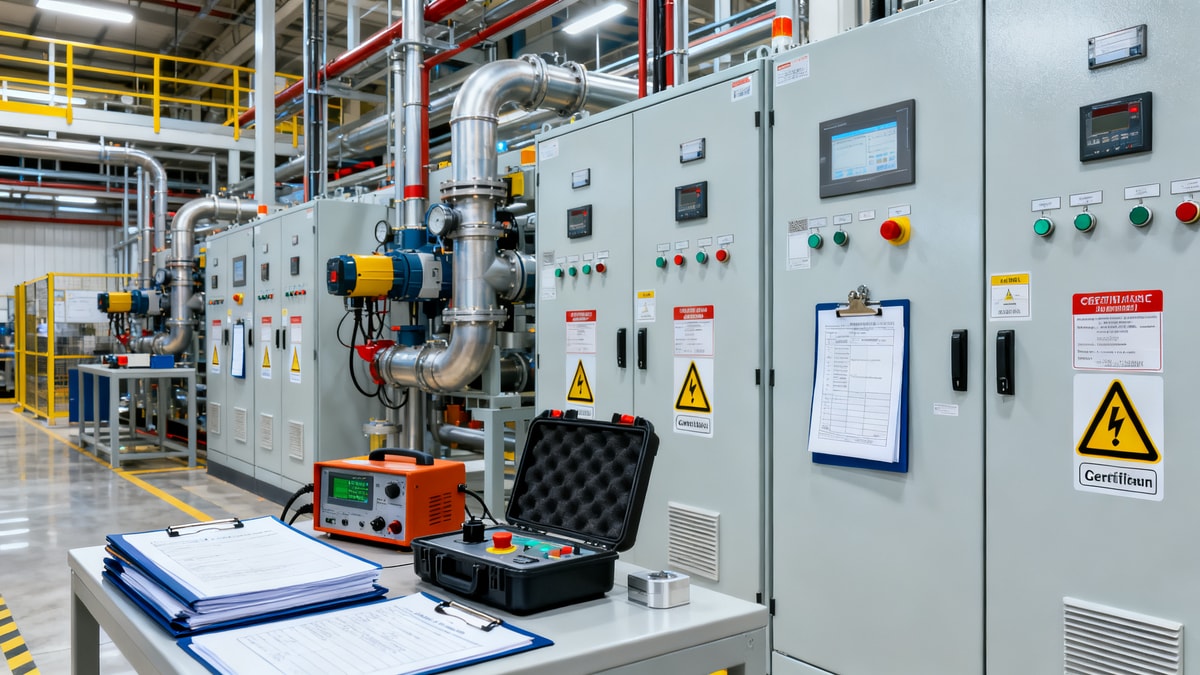
Many incidents in processing facilities stem not from major design flaws, but from overlooked compliance details. Understanding the safety standards for chemical plants that are often missed is essential for quality control teams and safety managers who must reduce risk, maintain regulatory readiness, and protect operations. This article highlights critical gaps that can compromise plant safety, reliability, and long-term performance.
For EPC contractors, plant operators, and procurement leaders, the challenge is rarely a lack of standards. The problem is usually fragmented execution: one team manages mechanical integrity, another handles documentation, and a third focuses on shutdown readiness. In chemical environments, even a 2 mm gasket mismatch, a delayed 30-day inspection, or an incorrectly classified electrical enclosure can trigger downtime, nonconformance, or a serious incident.
The most effective approach is to treat safety standards for chemical plants as an integrated control system rather than a compliance checklist. That means aligning design review, calibration, hazardous area classification, maintenance intervals, contractor controls, and emergency response into one auditable framework. The sections below focus on the standards and practices that are commonly missed, why they matter, and how quality and safety teams can close the gaps.
Critical Safety Gaps That Frequently Escape Routine Audits
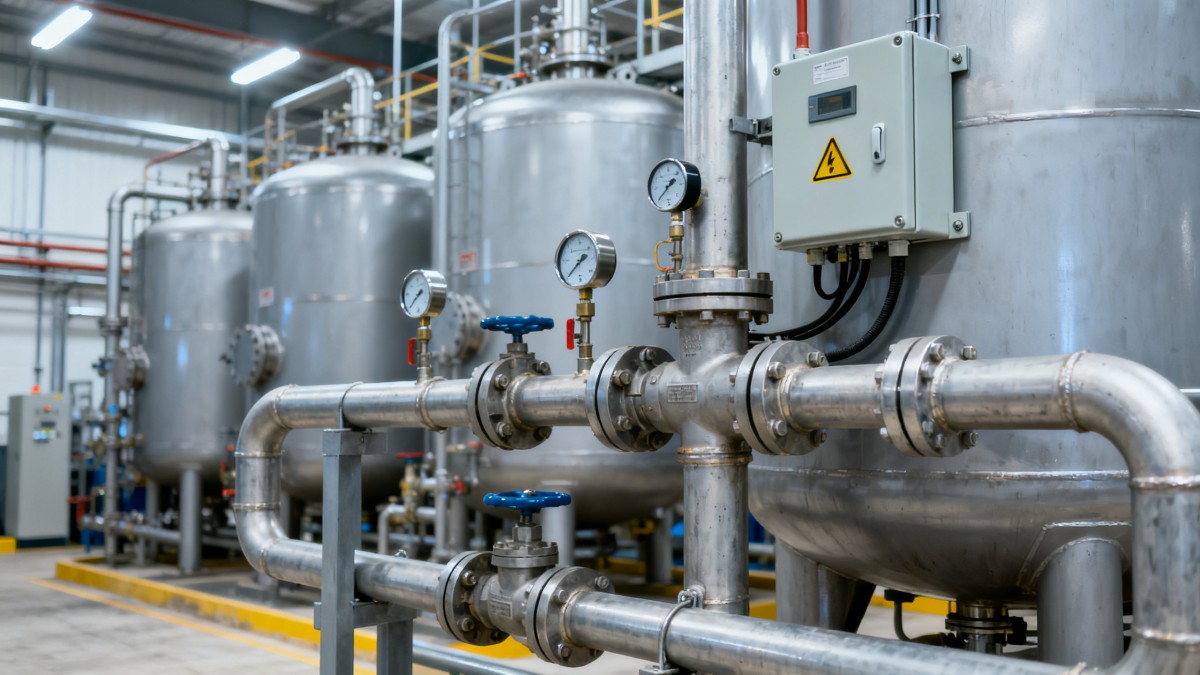
Many plants pass routine inspections yet still carry hidden operational risks. These risks often sit in interfaces between systems: piping to instrumentation, electrical panels to classified zones, maintenance procedures to permit-to-work controls, or procurement specifications to field installation. In practice, the most missed safety standards for chemical plants are not obscure rules; they are basic requirements applied inconsistently across 3 to 5 departments.
Hazardous Area Classification Is Updated Too Slowly
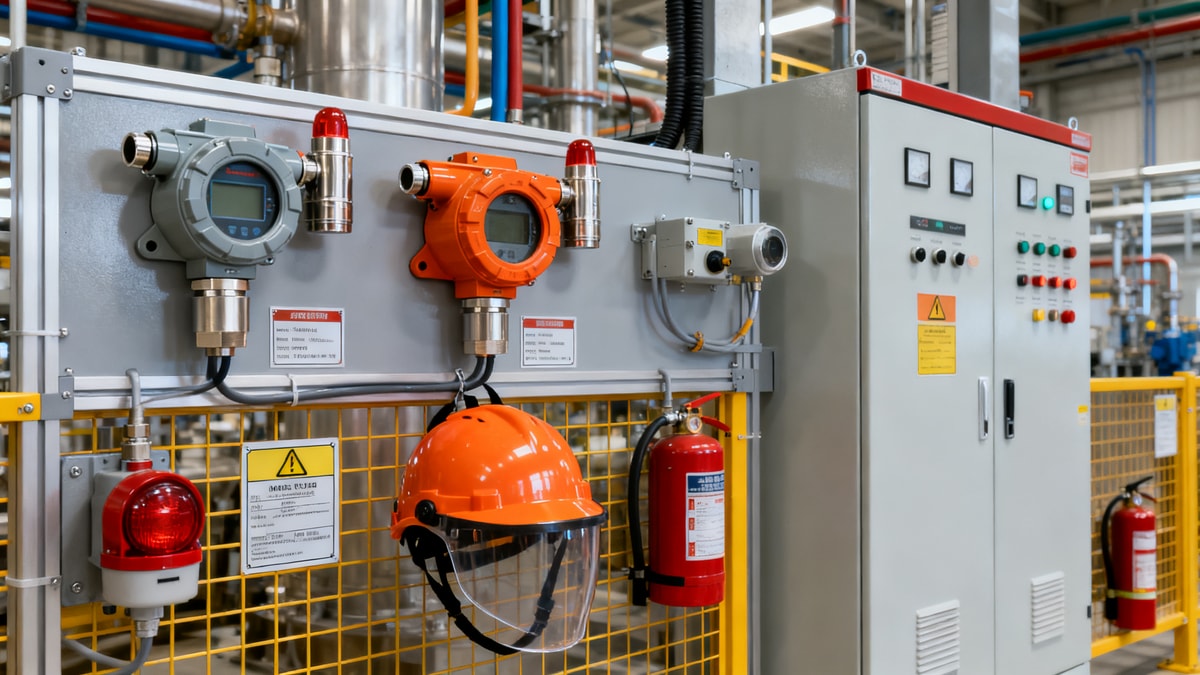
A common weakness is treating hazardous area drawings as fixed documents. In reality, process changes, vent relocation, solvent substitution, or new skids can alter gas release scenarios within 7 to 30 days of modification. If area classification is not reviewed after each Management of Change cycle, installed motors, junction boxes, cable glands, and sensors may no longer match the actual zone requirements.
For safety managers, the risk is not only ignition. Misclassified areas also affect inspection frequency, spare part purchasing, and contractor work permits. A plant may have compliant equipment on paper but exposure in the field because the classification basis is 12 months out of date. This is one of the most expensive missed items during shutdown audits and insurance reviews.
What to verify
- Whether hazardous area drawings have been reviewed after each major process change
- Whether Ex-rated components match current zone and temperature class requirements
- Whether vent, drain, and sampling points were included in the latest assessment
- Whether contractor-installed equipment was validated before commissioning
Safety Instrumented Functions Are Tested but Not Proof-Tested Properly
Plants often confuse functional checks with full proof testing. A loop test may confirm signal continuity in 15 minutes, but it does not verify the actual failure modes of sensors, logic solvers, and final elements. Partial stroke tests on shutdown valves, for example, can support reliability, yet they are not substitutes for full-interval proof testing when required by risk-based schedules.
For chemical plants handling corrosive media, polymerizing fluids, or high-vapor-pressure chemicals, instrument drift and valve stiction can build gradually over 6 to 18 months. Quality control teams should review whether proof-test coverage aligns with the target risk reduction level and whether bypass periods are documented to the hour, not just to the shift.
Mechanical Integrity Data Exists, but Corrosion Circuits Are Incomplete
Another overlooked issue is the difference between asset inventory and true mechanical integrity control. A plant may maintain a list of vessels, exchangers, and lines, but still fail to map corrosion circuits by fluid type, temperature range, chloride exposure, or dead-leg geometry. In chemical service, the difference between 40°C and 65°C can materially change corrosion behavior, inspection intervals, and coating selection.
Dead legs shorter than 1.5 pipe diameters are not always harmless, especially in intermittent service or systems exposed to condensation, solids settling, or cleaning agents. Missed wall-thinning risks are often found at low-flow branches, drain nozzles, sample lines, and injection points. These are locations that standard walkdowns may overlook because the main line appears sound.
The table below highlights frequently missed compliance points and the operational consequences they create in day-to-day plant management.
The pattern is clear: missed safety standards for chemical plants usually involve interfaces, timing, and verification depth. Plants that only check whether a task was completed often miss whether it was completed to the right standard, under the right conditions, and at the right interval.
Permit-to-Work and Isolation Boundaries Are Often Too Generic
Permit systems may appear robust because forms are signed, gas tests are logged, and lockout points are listed. Yet incident reviews often show the real weakness was boundary definition. In chemical plants, line breaking, hot work, and confined space entry frequently require isolation methods stronger than what is written into a generic permit template.
A practical standard is to verify 4 items before high-risk maintenance: energy source identification, physical isolation type, residual material removal, and independent confirmation. For toxic or reactive services, a second-person verification before breaking containment can reduce procedural drift and catch valve lineup errors that are otherwise invisible on paper.
How Quality and Safety Teams Can Build a Stronger Compliance Framework
Closing gaps in safety standards for chemical plants requires a system that connects procurement, maintenance, inspections, and operating discipline. The strongest sites usually standardize 5 control layers: design basis review, approved equipment selection, documented testing, field verification, and periodic reassessment. If one layer is weak, the others must compensate, which increases cost and workload over time.
Start with Procurement Specifications, Not Only Field Audits
Many long-term compliance issues begin at purchase order stage. A valve may meet pressure class requirements but not material compatibility. A sensor may have the right measuring range but the wrong ingress protection for washdown or corrosive atmospheres. An electrical enclosure may be suitable for dust-tight use yet unsuitable for the classified gas zone where it is installed.
For procurement teams supporting chemical facilities, technical bid evaluations should include at least 6 checkpoints: material compatibility, process temperature range, certification alignment, inspection access, spare parts availability, and maintenance interval requirements. This prevents low-cost substitutions from creating 3-year reliability penalties.
Recommended procurement review checklist
- Confirm wetted material compatibility with process media and cleaning chemicals
- Check operating limits against normal, upset, and shutdown conditions
- Match certification requirements to site-specific electrical and safety zones
- Verify calibration, inspection, and proof-test accessibility in installed position
- Review spare lead times, especially for shutdown-critical components
- Require documentation packages before site acceptance, not after startup
The table below can be used by quality control teams to evaluate whether purchased items support the actual safety standards for chemical plants in service, not just theoretical compliance at point of sale.
This approach helps teams reduce hidden lifecycle costs. A component with a 10% lower purchase price may create longer downtime if it requires frequent recalibration, special seals, or nonstandard spares. In chemical operations, selection quality and compliance quality are inseparable.
Build Inspection Frequencies Around Risk, Not Calendar Convenience
One of the most practical upgrades a plant can make is shifting from uniform inspection timing to risk-ranked intervals. Not every loop, vessel, or relief path should be checked on the same monthly or annual pattern. Systems handling highly corrosive acids, unstable intermediates, or fouling services may justify inspection windows that are 2 to 4 times more frequent than utility systems.
For example, QC and safety managers can rank assets into 3 bands: critical, important, and routine. Critical assets may require weekly operator observations, monthly condition review, and annual integrity assessment. Routine assets may need only quarterly checks and longer test intervals if failure consequences remain low and protective layers are independent.
Treat Documentation Control as a Safety Barrier
Outdated procedures and missing redlines are often seen as administrative issues, but in chemical plants they are active safety failures. If the P&ID, cause-and-effect chart, relief device register, or chemical compatibility note is wrong, maintenance and operations may make technically sound decisions using inaccurate inputs. That can lead to bypass misuse, incompatible replacement parts, or incorrect startup sequencing.
A strong practice is to set revision deadlines after every approved modification. Drawing updates within 14 days, operating procedure review within 30 days, and training closeout within 45 days create a practical control rhythm. These time limits are manageable for most industrial sites and reduce the gap between plant reality and plant documentation.
High-value document set for routine verification
- P&IDs and line lists for current operating configuration
- Hazardous area drawings and equipment registers
- Relief device inventory, set pressure, and inspection history
- Interlock narratives, bypass logs, and cause-and-effect matrices
- Chemical storage compatibility maps and transfer procedures
Frequently Missed Operational Details During Daily Plant Execution
Even when management systems are well written, field execution still determines whether safety standards for chemical plants hold under real operating pressure. Most recurring issues are small deviations repeated many times: temporary hoses left in service too long, field labels fading, torque values not recorded, or drain valves lacking clear lock status. Individually these may seem minor; collectively they erode control discipline.
Temporary Modifications Stay Longer Than Intended
Temporary bypasses, jumpers, hoses, blind flanges, and portable analyzers are often introduced during shutdown recovery or troubleshooting. The risk grows when a 72-hour workaround remains in place for 6 weeks. Temporary arrangements can alter flow paths, invalidate gas detection assumptions, or interfere with emergency access. They should have clear owner assignment, expiry dates, and visible field tagging.
Labeling, Traceability, and Calibration Status Are Underestimated
A pressure gauge without readable range, a sample container with partial labeling, or an analyzer with expired calibration status can compromise both safety and quality. These are not cosmetic issues. In chemical operations, wrong identification can lead to incorrect isolation, off-spec release, or maintenance on the wrong asset. A weekly line walk focused on tags, labels, and calibration dates often reveals more latent risk than a desk review.
As a rule of thumb, any field instrument used for safety-critical decisions should show identifiable service tag, current calibration status, and legible operating range. If one of those 3 elements is missing, the device should be escalated for review. This is particularly important in plants with mixed legacy and new equipment installed over multiple project phases.
Contractor Control Is Strong at Entry but Weak During Execution
Many sites run effective entry inductions but lose control after contractors reach the work area. Differences in flange management, confined space discipline, torque procedures, or housekeeping standards can create quality and safety drift within a single shift. For shutdown projects involving 20, 50, or more external personnel, supervision ratio and spot-check frequency become critical management variables.
A practical model is to define 4 contractor control checkpoints: induction, permit validation, in-progress observation, and closeout verification. This gives safety managers a repeatable method to detect deviations before they become incidents or rework. It also helps procurement and project teams evaluate contractor performance beyond price and schedule.
A Practical Improvement Roadmap for Safer, More Audit-Ready Plants
Improving safety standards for chemical plants does not always require major capital expenditure. In many cases, the fastest gains come from tighter specification control, clearer accountability, and better interval management. Plants that make measurable progress usually start with a 90-day roadmap rather than a multi-year transformation program.
A 3-Stage Implementation Plan
Stage 1 covers gap identification in the first 30 days. Review hazardous area updates, proof-test records, isolation procedures, critical spares, and document revisions. Stage 2 covers correction planning in days 31 to 60, including ownership, budget screening, and revised frequencies. Stage 3 covers field closure in days 61 to 90 through spot audits, retraining, and procurement alignment.
This phased method works because it separates visibility from correction. Teams can identify 15 to 25 issues quickly, then prioritize the 5 to 8 that present the highest operational consequence. That creates a manageable workload for plant managers while still delivering meaningful risk reduction.
Priority questions for decision-makers
- Which safety-critical assets have overdue inspection, calibration, or proof-test actions?
- Which purchased components lack full technical documentation or traceability?
- Which process changes were implemented without complete drawing revision?
- Which temporary modifications exceed their approved duration?
- Which contractor activities show the highest rate of repeat deviation?
For quality control personnel and safety managers, the goal is not simply passing the next audit. It is building a plant where operating decisions remain reliable under maintenance pressure, shift turnover, and supply chain variability. That is the real value of treating overlooked standards as strategic controls rather than administrative tasks.
Global Industrial Core supports industrial teams that need sharper visibility into compliance, equipment selection, technical documentation, and safety-critical sourcing decisions across chemical and heavy industry environments. If your operation is reviewing hidden compliance gaps, planning upgrades, or tightening procurement specifications, now is the right time to act. Contact us to discuss your requirements, request a tailored solution, or explore more industrial safety and compliance guidance.
Technical Specifications
- Hidden Environment & Ecology cost after project approvalAuthor :Environmental Engineering Director
- When does an Environment & Ecology impact assessment need updating?Author :Environmental Engineering Director
- Security & Safety standards that affect product approval speedAuthor :Safety Compliance Lead
Expert Insights

Chief Security Architect
Dr. Thorne specializes in the intersection of structural engineering and digital resilience. He has advised three G7 governments on industrial infrastructure security.
Related Analysis
- May 07, 2026Hidden Environment & Ecology cost after project approvalAuthor :Environmental Engineering Director
- May 07, 2026When does an Environment & Ecology impact assessment need updating?Author :Environmental Engineering Director
- May 07, 2026Security & Safety standards that affect product approval speedAuthor :Safety Compliance Lead
Core Sector // 01
Security & Safety
- Safety standards for chemical plants that are often missedAuthor :Safety Compliance Lead

- Industrial safety standards compliance problems that show up lateAuthor :Safety Compliance Lead

- Safety standards for oil and gas industry that are often missedAuthor :Safety Compliance Lead

- What separates a Security & Safety manufacturer from an assemblerAuthor :Safety Compliance Lead

- What to Check Before Adopting New Safety Equipment SolutionsAuthor :Safety Compliance Lead

- INMETRO Updates Fire Pump Set Certification: IEC 60034-30-2 Enforcement Effective May 2026Author :Safety Compliance Lead

- Marine Oil Spill Boom Choices That Backfire in Rough WaterAuthor :Safety Compliance Lead

- Flood Control Sandbags: When Size Choice Affects Deployment SpeedAuthor :Safety Compliance Lead