UL 62368-3 Ed.3 Enforceable May 1, 2026 for AV Security Devices
Author
Date Published
Reading Time
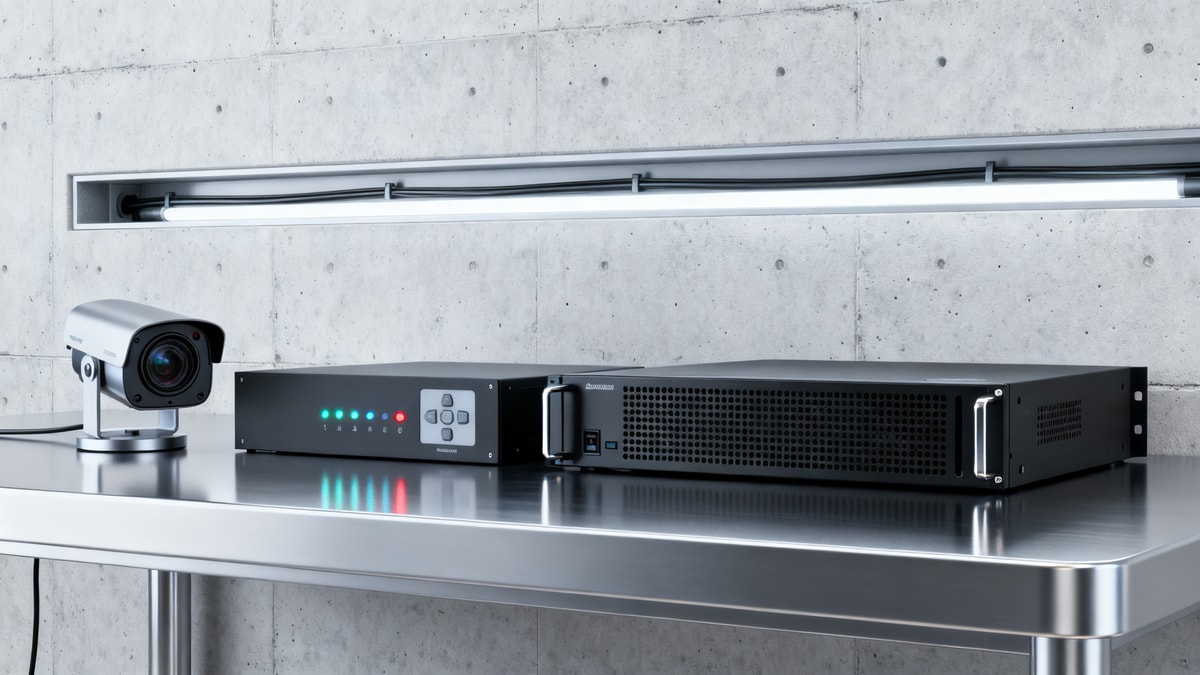
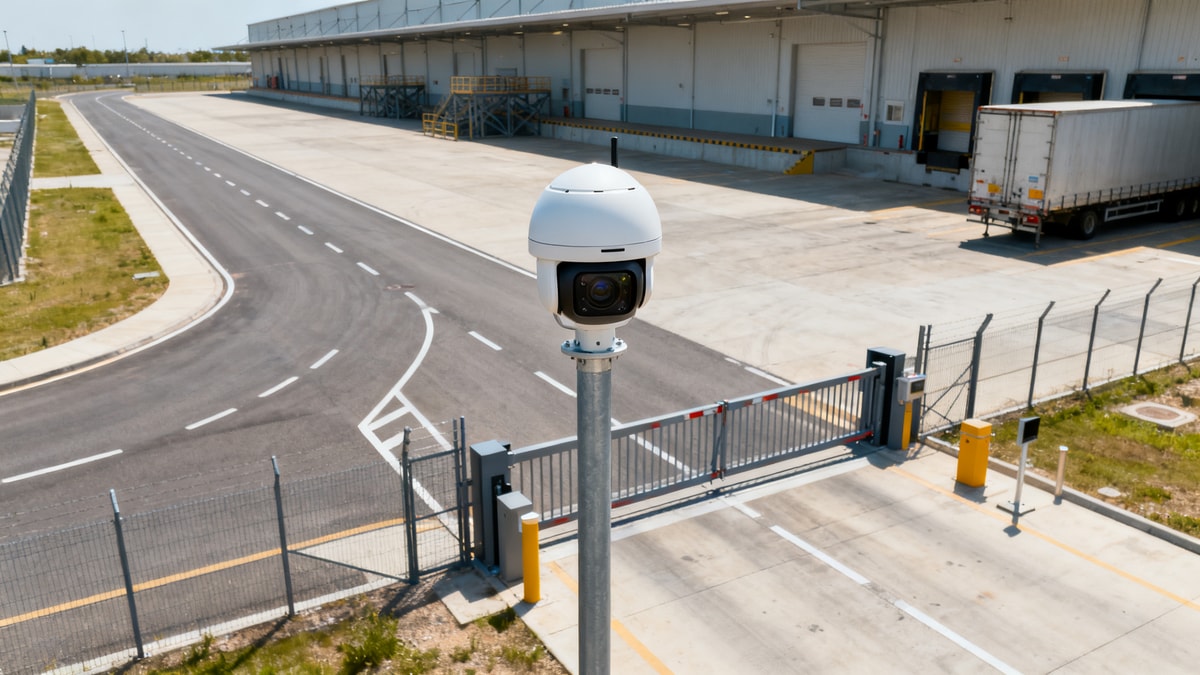
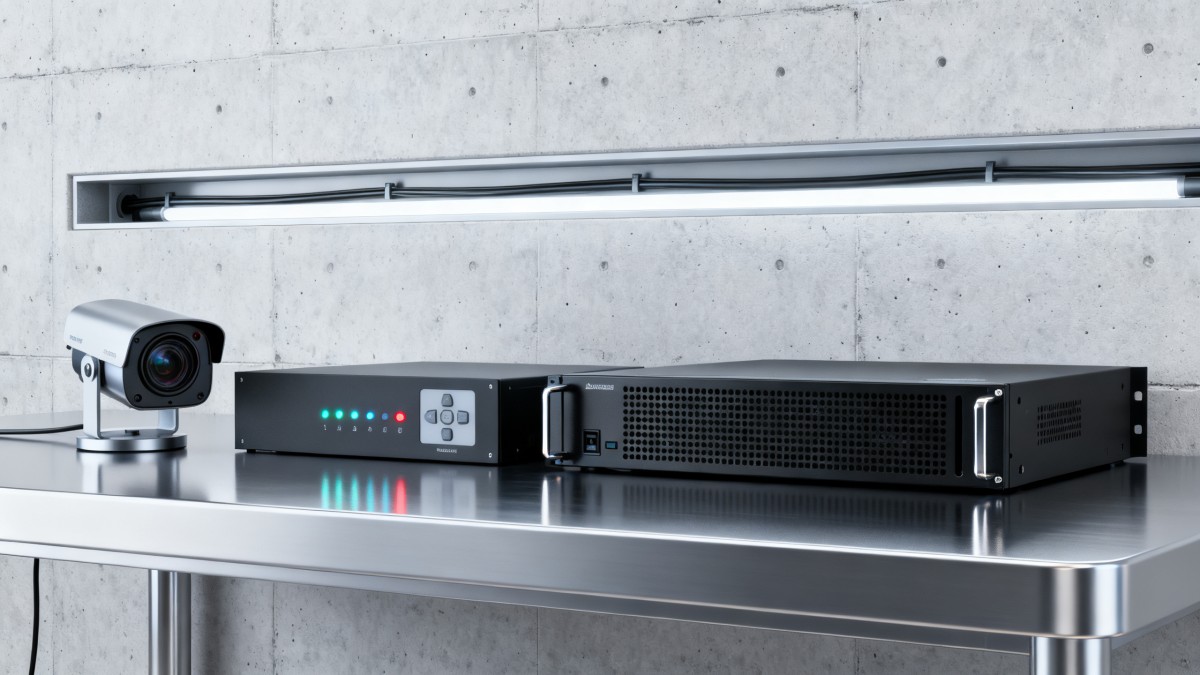
Effective May 1, 2026, UL 62368-3 Third Edition becomes mandatory for industrial audio/video and security equipment sold into the U.S. market — including CCTV cameras, access control controllers, and video analytics servers. This update introduces new electromagnetic compatibility (EMC) immunity requirements, directly impacting manufacturers and exporters of安防 equipment targeting North American EPC projects and government procurement programs.
Event Overview
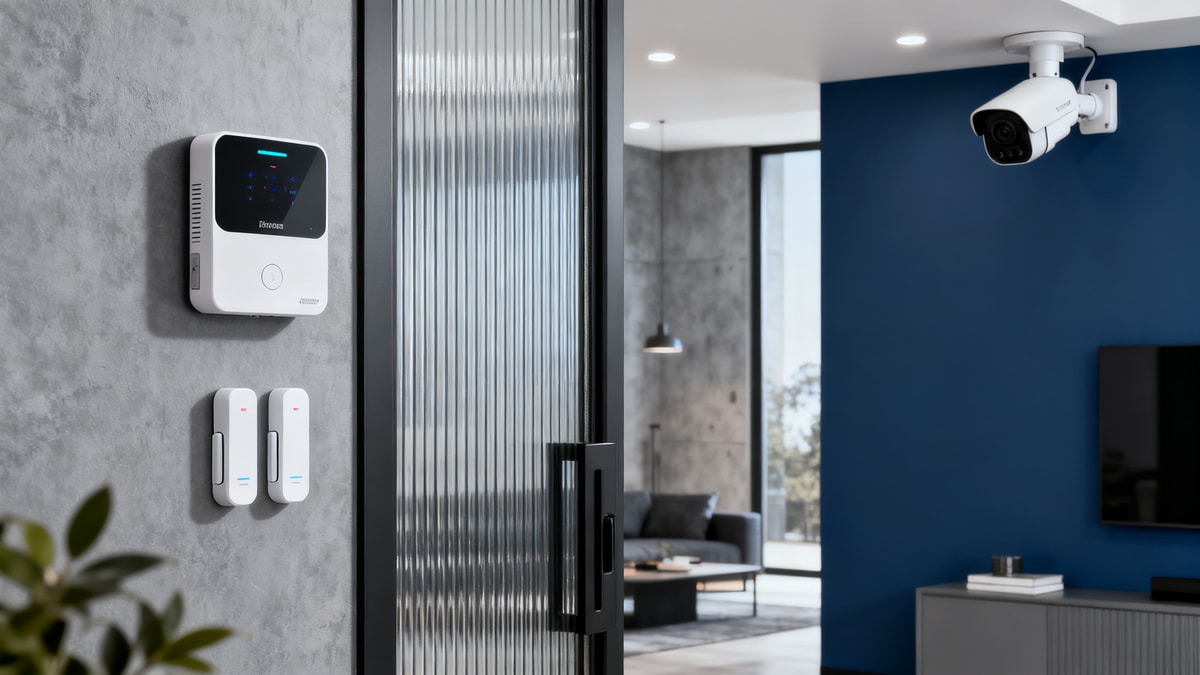
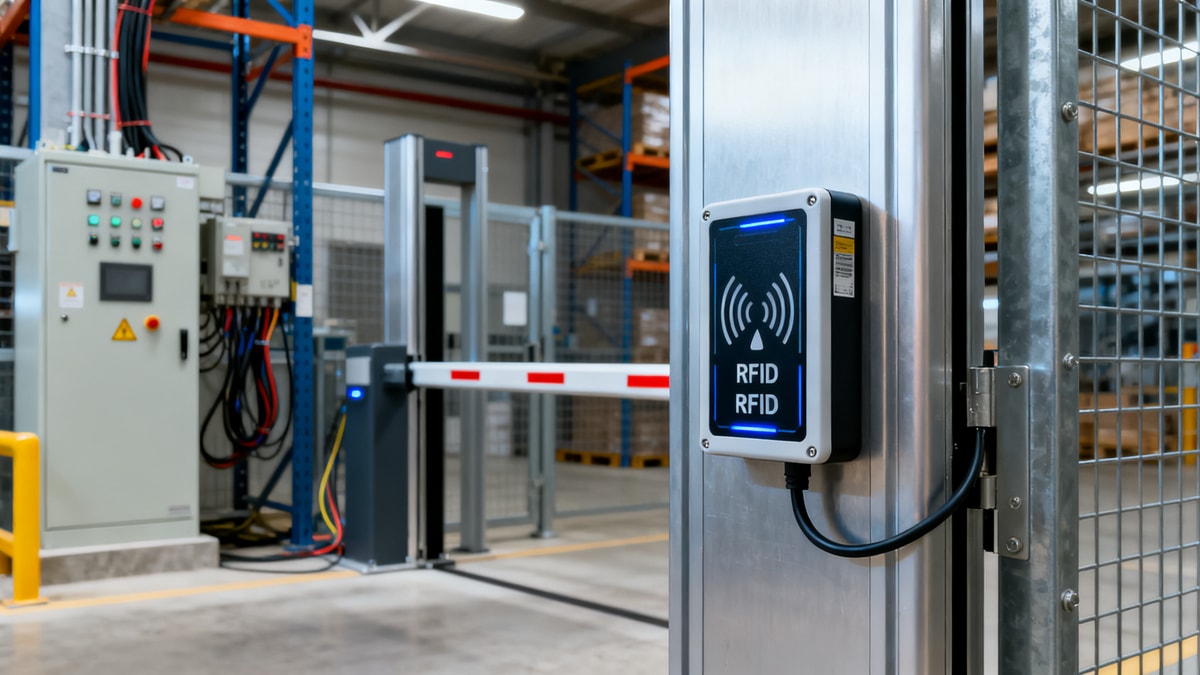
Under official announcement by UL Solutions, UL 62368-3 Third Edition takes effect on May 1, 2026. The revision adds mandatory radiated immunity (RS), electrostatic discharge (ESD), and surge (SURGE) immunity testing at Level 3 for industrial-grade audio/video and security devices — specifically covering closed-circuit television (CCTV) cameras, access control controllers, and video analysis servers. Non-compliant products will lose UL Listing status, affecting eligibility for U.S. federal and state government procurement lists and engineering, procurement, and construction (EPC) project approvals.
Industries Affected
Direct Exporters of Security Equipment
Companies exporting CCTV cameras, access controllers, or video servers to the U.S. must retest existing UL-listed models under the new EMC immunity requirements. Failure to complete supplemental EMC testing before May 1, 2026, results in automatic de-listing — disrupting active quotations, contract fulfillment, and tender submissions tied to UL compliance.
Contract Manufacturers & OEMs
OEMs supplying core modules (e.g., imaging boards, power management units) to branded security device makers may face revised design specifications. New immunity thresholds affect printed circuit board layout, shielding implementation, and transient voltage suppression component selection — potentially requiring hardware revisions and validation cycles ahead of final assembly.
Supply Chain Service Providers (Testing Labs, Certification Consultants)
Third-party labs and certification support firms are expected to see increased demand for RS, ESD, and SURGE testing per IEC/EN 61000-4 series standards. Capacity planning and test schedule lead times — especially for Level 3 immunity verification — warrant early coordination with clients.
What Enterprises and Practitioners Should Focus On Now
Verify current UL Listing status and scope against Edition 3 requirements
Review existing UL Certificates of Compliance to confirm whether listed models include EMC immunity testing — and if so, whether prior tests were conducted per Edition 2 or earlier. Edition 3 mandates Level 3 immunity; legacy reports referencing lower levels or omitting immunity entirely require full retesting.
Prioritize product families with high exposure to U.S. government or EPC channels
Focus retesting efforts first on models deployed in federal facilities, transportation infrastructure, or smart city projects — where UL Listing is often a contractual prerequisite. Delayed compliance may result in bid disqualification or contract suspension.
Engage accredited labs early to secure test slots and review setup readiness
Level 3 immunity testing requires calibrated anechoic chambers, ESD simulators, and surge generators meeting IEC 61000-4-3/4-2/4-5. Lead times for scheduled EMC immunity tests currently range from 8–12 weeks; initiating lab engagement by Q3 2025 is advisable for timely completion ahead of the May 2026 deadline.
Editorial Perspective / Industry Observation
Observably, this change signals a tightening of baseline EMC robustness expectations for industrial AV/security equipment — shifting emphasis from basic safety (covered under UL 62368-1) toward operational reliability in electrically noisy environments. Analysis shows it is not a technical overhaul but a targeted expansion: only specific product categories defined in Clause 1.1.2 of UL 62368-3 Ed.3 are subject to the new immunity clauses. From an industry perspective, this reflects growing recognition that cybersecurity and physical security systems must also withstand real-world electromagnetic stressors — not just meet safety thresholds. It functions more as a compliance checkpoint than a market-entry barrier, yet its timing coincides with broader U.S. infrastructure modernization initiatives, making proactive alignment strategically relevant.
Concluding, UL 62368-3 Ed.3 does not introduce new safety hazards or redefine fundamental architecture — rather, it formalizes minimum EMC immunity performance for select industrial AV/security devices entering the U.S. market. It is best understood not as an isolated regulatory shift, but as a calibrated step in the ongoing harmonization of functional reliability standards for critical infrastructure components. Enterprises should treat it as an operational compliance milestone — one requiring focused technical review, prioritized testing, and cross-functional coordination across R&D, quality assurance, and export compliance teams.
Source: UL Solutions official bulletin on UL 62368-3 Third Edition (published Q4 2025); scope and effective date confirmed via UL Product iQ database entry as of March 2026. Ongoing updates regarding test method interpretations or transitional allowances remain under observation.
Technical Specifications
- India BIS Draft IS 17832:2026 Sets Noise & Dust Limits for Waste CrushersAuthor :Environmental Engineering Director
- Korea MFDS Mandates Korean UI & KOSHA OEL Database for Industrial Water AnalyzersAuthor :Precision Metrology Expert
- Indonesia BPOM Mandates PM0.1 Efficiency & CADR Decay Labeling for Industrial Air PurifiersAuthor :Environmental Engineering Director
Expert Insights

Chief Security Architect
Dr. Thorne specializes in the intersection of structural engineering and digital resilience. He has advised three G7 governments on industrial infrastructure security.
Related Analysis
- May 03, 2026India BIS Draft IS 17832:2026 Sets Noise & Dust Limits for Waste CrushersAuthor :Environmental Engineering Director
- May 03, 2026Korea MFDS Mandates Korean UI & KOSHA OEL Database for Industrial Water AnalyzersAuthor :Precision Metrology Expert
- May 03, 2026Indonesia BPOM Mandates PM0.1 Efficiency & CADR Decay Labeling for Industrial Air PurifiersAuthor :Environmental Engineering Director
Core Sector // 01
Security & Safety
- UL 62368-3 Ed.3 Enforceable May 1, 2026 for AV Security DevicesAuthor :Safety Compliance Lead

- 2026 World Intelligent Industry Expo Opens in TianjinAuthor :Safety Compliance Lead

- PTZ dome camera placement mistakes that waste zoom performanceAuthor :Safety Compliance Lead

- Biometric access control systems: where integration gets expensiveAuthor :Safety Compliance Lead

- Facial recognition door lock accuracy drops in these common settingsAuthor :Safety Compliance Lead

- Smart security alarms: fewer alerts can mean better protectionAuthor :Safety Compliance Lead

- RFID card readers wholesale: hidden differences in reading stabilityAuthor :Safety Compliance Lead

- Network video recorder NVR limits that only appear after expansionAuthor :Safety Compliance Lead