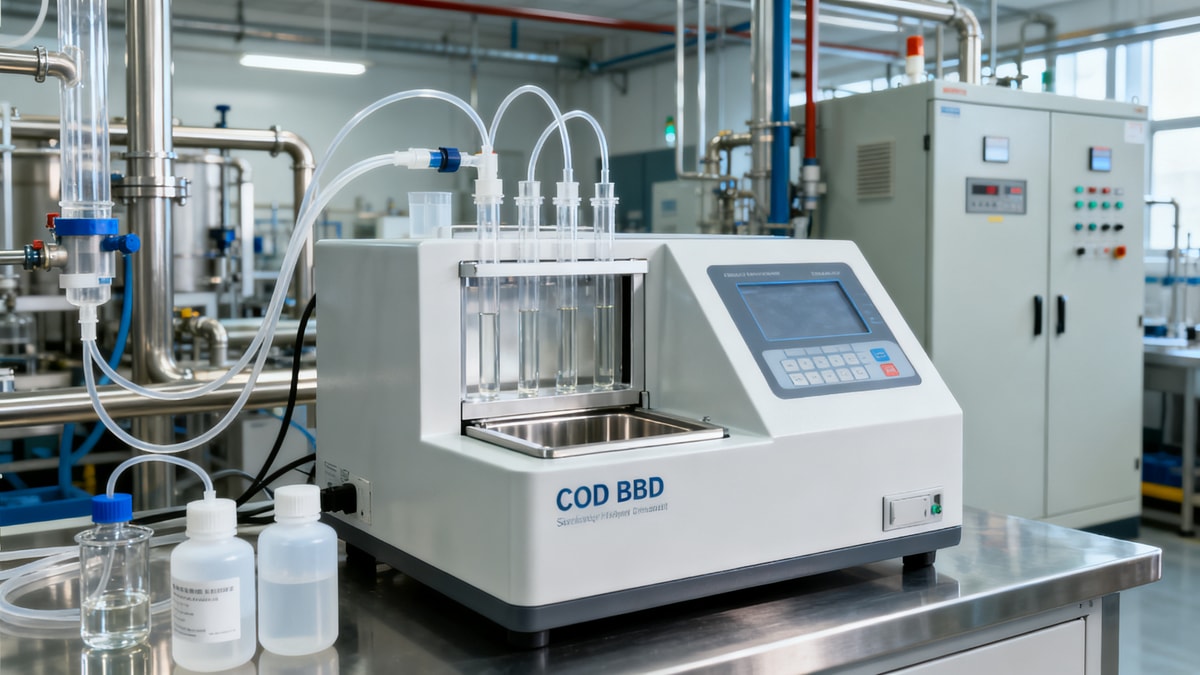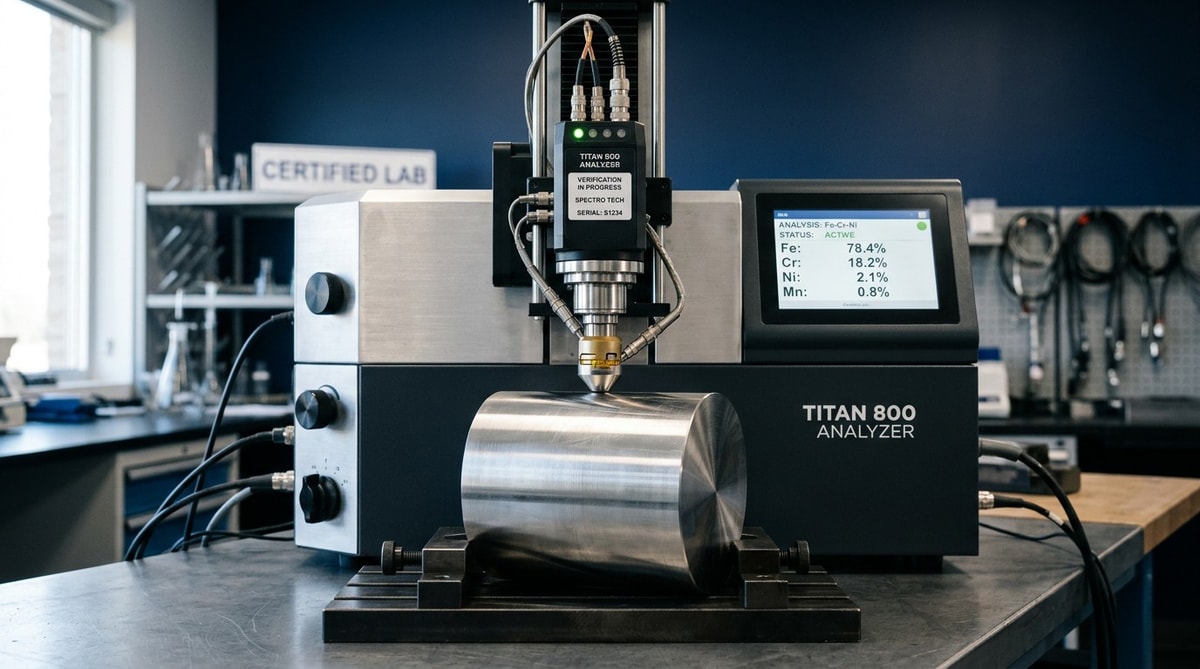
Korea MFDS Mandates Korean UI & KOSHA OEL Database for Industrial Water Analyzers
Author
Date Published
Reading Time
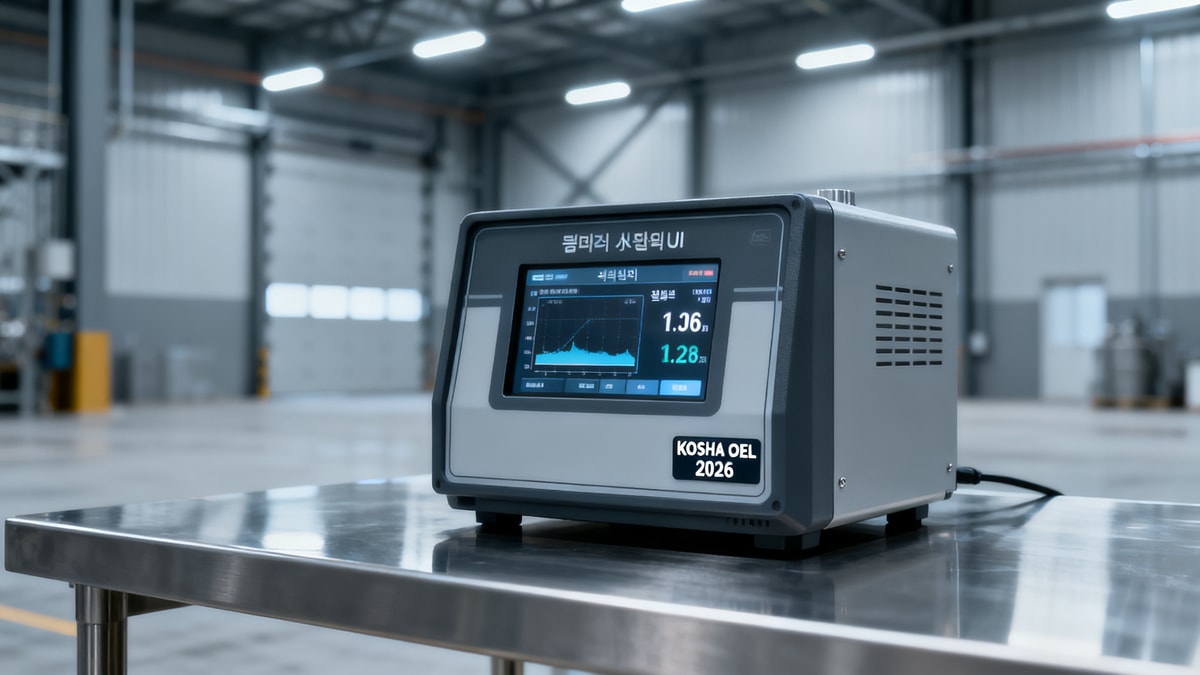
On May 2, 2026, the Korean Ministry of Food and Drug Safety (MFDS) issued K-MFDS Notice 2026-11, requiring all imported industrial water analyzers—including multiparameter meters and heavy metal analyzers—to feature built-in Korean-language user interfaces and preloaded 2026 KOSHA occupational exposure limit (OEL) database (1,245 substances) effective November 1, 2026. Non-compliant devices will be ineligible for MFDS medical device registration. Instrument manufacturers—especially those in China supplying to Korean industrial, environmental, and pharmaceutical sectors—must now prioritize UI localization and database integration.
Event Overview
The Korean Ministry of Food and Drug Safety (MFDS) published K-MFDS Notice 2026-11 on May 2, 2026. The notice stipulates that, starting November 1, 2026, all imported industrial water analyzers—specifically defined as multiparameter water quality analyzers and heavy metal detection instruments—must incorporate a native Korean-language user interface and embed the latest 2026 edition of the Korea Occupational Safety and Health Agency (KOSHA) occupational exposure limit (OEL) database, which contains threshold values for 1,245 chemical substances. Devices failing to meet both requirements will not be granted MFDS medical device registration certification.
Which Subsectors Are Affected
Direct Exporters (Especially Chinese Instrument Manufacturers)
These companies supply industrial water analyzers directly to Korean importers or end users. They are affected because MFDS registration is mandatory for market access—and registration hinges on compliance with the new UI and database requirements. Impact manifests in delayed product launches, increased development costs, and potential loss of tender eligibility in regulated sectors such as pharmaceutical manufacturing and wastewater treatment.
Importers & Distributors in Korea
Korean importers holding MFDS registration certificates must re-validate their product portfolios ahead of the November 2026 deadline. Non-compliant inventory may become unsellable unless upgraded or replaced. Impact includes extended lead times for re-submission of registration dossiers, possible stock write-downs, and intensified technical coordination with overseas suppliers.
Contract Manufacturers & OEM Service Providers
Firms offering design, assembly, or firmware customization for water analyzers face new scope-of-work requirements. The mandate necessitates Korean UI adaptation (including layout, text rendering, and input method support) and secure, updatable integration of the KOSHA OEL dataset—functions not typically included in standard OEM packages. This introduces additional validation steps and documentation burdens under MFDS’s software-as-a-medical-device expectations.
What Relevant Enterprises or Practitioners Should Focus On and How to Respond Now
Monitor official K-MFDS guidance on database update mechanisms
Analysis shows the notice requires preloading the 2026 edition of the KOSHA OEL database—but does not specify whether future updates must be supported over-the-air or via manual firmware reload. Enterprises should track upcoming MFDS FAQs or implementation bulletins to clarify maintenance obligations before finalizing software architecture.
Verify instrument classification under MFDS medical device regulations
Observably, not all water analyzers fall under MFDS jurisdiction; only those marketed for use in pharmaceutical production, cleanroom monitoring, or other contexts tied to drug or biologics manufacturing are subject to this notice. Companies should confirm current regulatory classification of each model—via existing registration status or formal classification request—to avoid over-engineering non-applicable products.
Assess UI localization beyond translation: include compliance-specific UX flows
From an industry perspective, Korean UI implementation must extend beyond language substitution. It must support context-sensitive display of KOSHA OEL reference values during measurement interpretation, enable proper unit labeling per Korean industrial standards (e.g., mg/L vs. ppm), and accommodate right-to-left or mixed-script input where applicable. Firms should initiate usability testing with Korean-speaking technical operators prior to submission.
Prepare for parallel documentation upgrades alongside technical changes
Current more practical preparation involves aligning technical files (e.g., risk management reports, software validation protocols) with MFDS’s 2025–2026 guidance on standalone software functions in analyzers. This includes documenting how the KOSHA database is versioned, validated, and protected against unauthorized modification—requirements increasingly emphasized in recent MFDS audit checklists.
Editorial Perspective / Industry Observation
This notice is better understood as a regulatory signal than an isolated technical amendment. Observably, it reflects MFDS’s broader alignment with Korea’s national digital health infrastructure strategy—and its growing expectation that imported medical-grade analytical tools integrate local occupational health frameworks by default. Analysis suggests the requirement targets traceability and decision-support consistency in regulated industrial environments, rather than merely linguistic accessibility. From an industry angle, it signals a shift toward embedded, jurisdiction-specific compliance logic—not just configurable reporting options. Continuous monitoring is warranted, as KOSHA OEL revisions occur annually, and MFDS may issue supplementary technical notes on database interoperability or update frequency before November 2026.
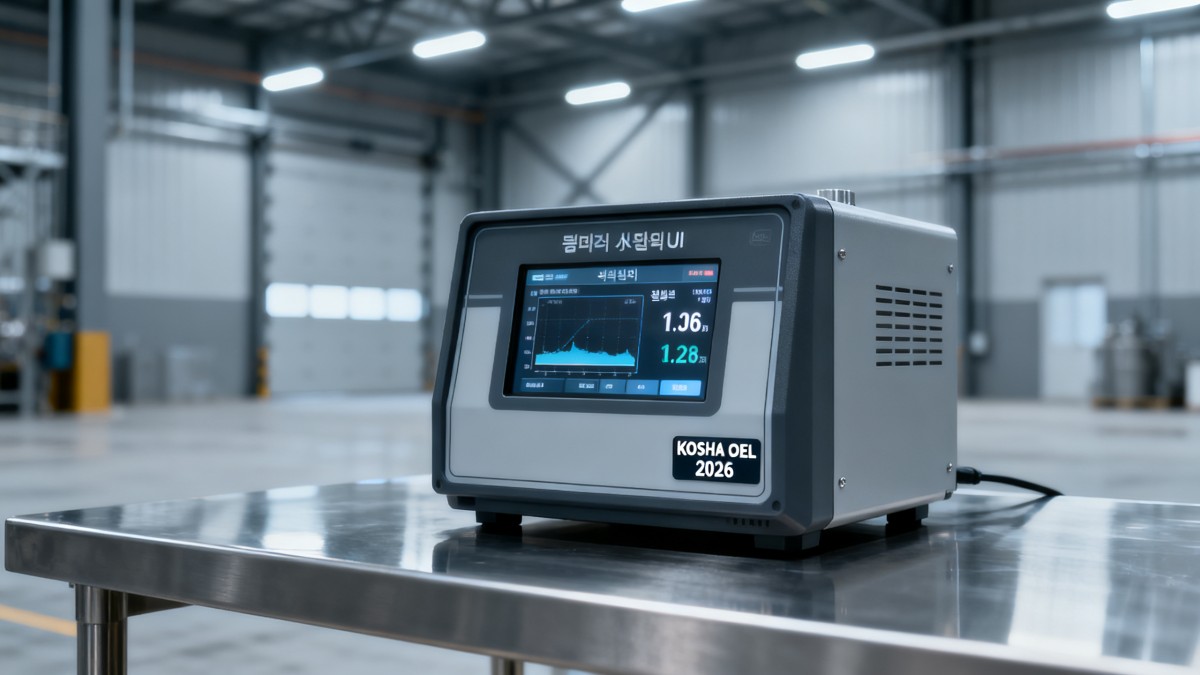
In summary, K-MFDS Notice 2026-11 marks a procedural tightening in market access for industrial water analysis instrumentation in Korea—not a fundamental change in device classification, but a material increase in localization and regulatory data integration requirements. It is best interpreted as a targeted compliance milestone for exporters serving Korea’s pharmaceutical, biotech, and high-precision manufacturing sectors, rather than a broad-based policy shift across all environmental instrumentation categories.
Source: Korean Ministry of Food and Drug Safety (MFDS), K-MFDS Notice 2026-11, published May 2, 2026.
Note: Implementation details—including database update protocols and transitional arrangements for devices registered prior to November 2026—remain subject to official clarification and are under active observation.
Technical Specifications
- India BIS Draft IS 17832:2026 Sets Noise & Dust Limits for Waste CrushersAuthor :Environmental Engineering Director
- Korea MFDS Mandates Korean UI & KOSHA OEL Database for Industrial Water AnalyzersAuthor :Precision Metrology Expert
- Indonesia BPOM Mandates PM0.1 Efficiency & CADR Decay Labeling for Industrial Air PurifiersAuthor :Environmental Engineering Director
Expert Insights

Chief Security Architect
Dr. Thorne specializes in the intersection of structural engineering and digital resilience. He has advised three G7 governments on industrial infrastructure security.
Related Analysis
- May 03, 2026India BIS Draft IS 17832:2026 Sets Noise & Dust Limits for Waste CrushersAuthor :Environmental Engineering Director
- May 03, 2026Korea MFDS Mandates Korean UI & KOSHA OEL Database for Industrial Water AnalyzersAuthor :Precision Metrology Expert
- May 03, 2026Indonesia BPOM Mandates PM0.1 Efficiency & CADR Decay Labeling for Industrial Air PurifiersAuthor :Environmental Engineering Director
Core Sector // 01
Security & Safety
- Korea MFDS Mandates Korean UI & KOSHA OEL Database for Industrial Water AnalyzersAuthor :Precision Metrology Expert

- COD BOD Analyzer Results Drift: Causes Worth Checking FirstAuthor :Precision Metrology Expert

- Chemical validation for industrial standardsAuthor :Precision Metrology Expert

- TUV Rheinland Updates EMC Guide: RF Immunity Testing Now Required for Industrial Optical Inspection EquipmentAuthor :Precision Metrology Expert
![]()
- TÜV Rheinland Updates EMC Guide for Industrial Optics EquipmentAuthor :Precision Metrology Expert
![]()
- Wholesale Refractometers: Key DifferencesAuthor :Precision Metrology Expert

- Brix Refractometer for Sugar TestingAuthor :Precision Metrology Expert

- How to Choose a Polarimeter WholesaleAuthor :Precision Metrology Expert