RFID card readers wholesale: hidden differences in reading stability
Author
Date Published
Reading Time
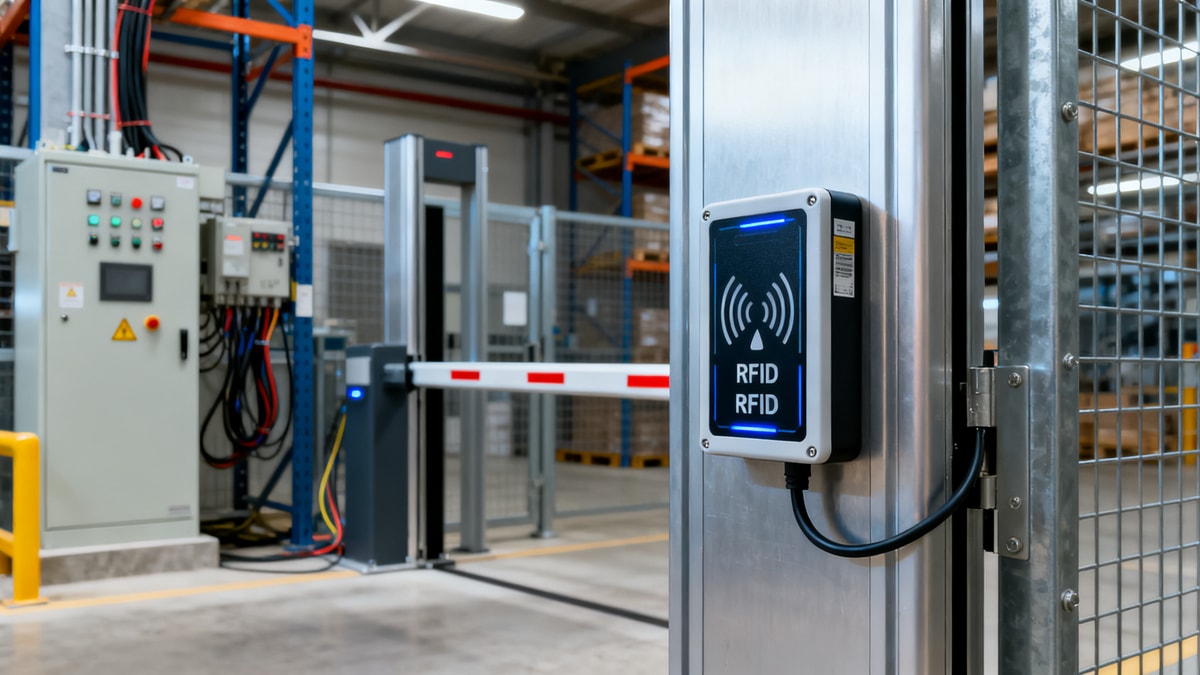
When evaluating RFID card readers wholesale, reading stability is often where seemingly similar products reveal critical performance gaps. For technical assessors, factors such as antenna design, interference tolerance, read consistency, and environmental adaptability can directly affect deployment reliability. Understanding these hidden differences helps prevent costly integration issues and ensures the selected solution meets real-world industrial demands.
Why do reading stability differences matter so much in RFID card readers wholesale projects?
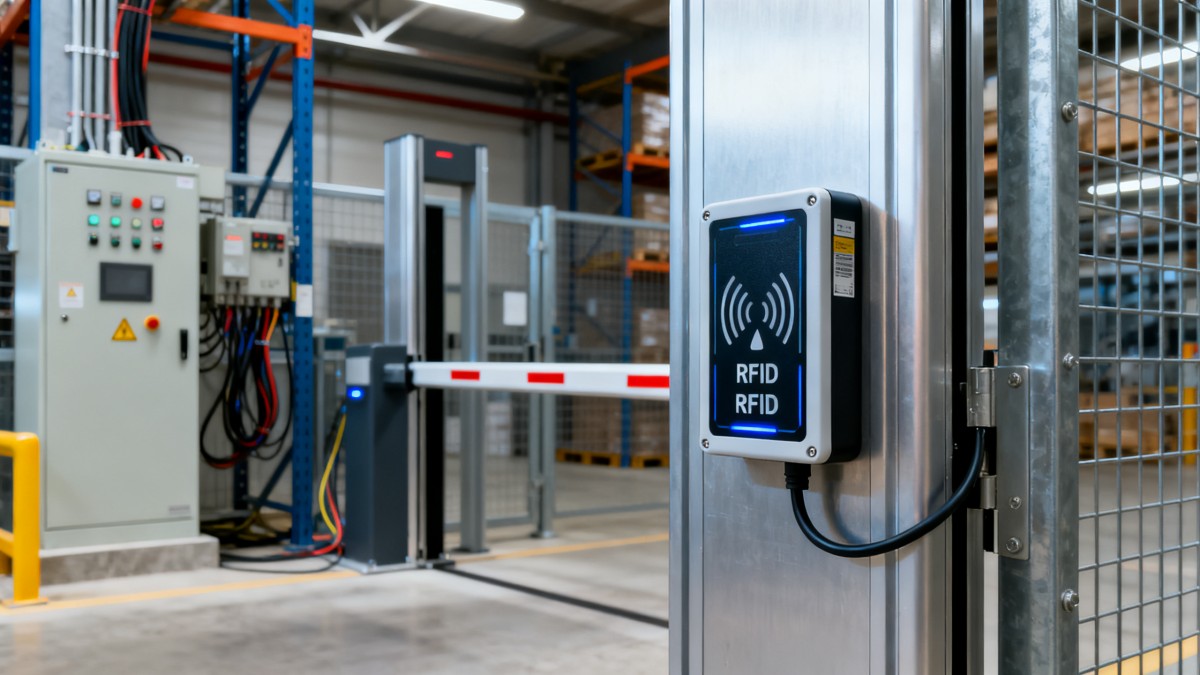
In wholesale procurement, RFID card readers are often compared by protocol support, housing style, interface type, and unit price. Yet in actual deployment, the most expensive problem is rarely the purchase order itself. It is the operational disruption caused by unstable reads: employees waiting at gates, forklifts failing to authenticate, visitor credentials not triggering, or access logs missing events in regulated environments.
For technical evaluation teams in industrial and mixed-use infrastructure, reading stability is not a marketing phrase. It is a measurable performance outcome shaped by RF architecture, firmware filtering, card-reader compatibility, power quality, enclosure materials, mounting position, and surrounding electromagnetic noise. Two devices may both claim support for the same frequency band and standards, yet behave very differently at a metal door frame, near a motor cabinet, or in humid outdoor conditions.
This is where a structured sourcing approach becomes essential. Global Industrial Core supports buyers who need more than catalog-level information. Technical assessors need decision-grade insight: what causes read instability, how to test for it before rollout, and which product trade-offs are acceptable for a given industrial site.
- A reader that performs well in a clean office lobby may underperform in a power room, loading area, or steel-heavy manufacturing corridor.
- A low-cost reader can become high-cost if it causes repeated badge presentation, controller troubleshooting, or unplanned maintenance visits.
- In RFID card readers wholesale decisions, stability should be validated with application conditions, not only with datasheet claims.
What hidden technical factors usually separate stable readers from unstable ones?
Many readers look similar externally because the visible housing says little about the RF path inside. Reading stability usually depends on design details that are not obvious in a simple quotation comparison. Technical assessors should ask suppliers to explain not just supported frequencies, but also the conditions under which read performance was validated.
Core causes of stability variation
- Antenna design and tuning: Antenna geometry, matching network quality, and tuning consistency across production batches influence field shape and read repeatability.
- Firmware signal handling: Good readers filter noise, reject false triggers, and maintain stable card detection under variable orientation and motion speed.
- EMI tolerance: Nearby drives, switchgear, relays, power supplies, and communication equipment can distort performance if shielding and circuit layout are weak.
- Mechanical integration: Flush mounting onto metal, poor cable routing, and enclosure resonance can alter read field behavior.
- Power stability: Voltage fluctuation and ground noise affect reader output consistency, especially in distributed access control systems.
The table below helps technical teams compare hidden performance factors when reviewing RFID card readers wholesale offers. It is especially useful when multiple suppliers claim equivalent support for common card technologies but provide limited detail about field reliability.
For technical assessors, the key lesson is simple: stability is a system outcome. It cannot be judged from frequency labels alone. In RFID card readers wholesale procurement, the stronger supplier is usually the one that can explain performance under interference, metal proximity, and production variation.
Which application scenarios expose stability problems fastest?
Not every deployment stresses a reader equally. Office reception, parking entry, workshop access, utility rooms, and outdoor perimeter gates place different demands on read stability. A robust evaluation process should match reader design to the actual use case rather than assuming all access points are equivalent.
High-risk scenarios for unstable reads
- Metal-dense industrial doors: Steel structures can detune the effective read field, especially when readers are mounted directly on conductive surfaces without isolation.
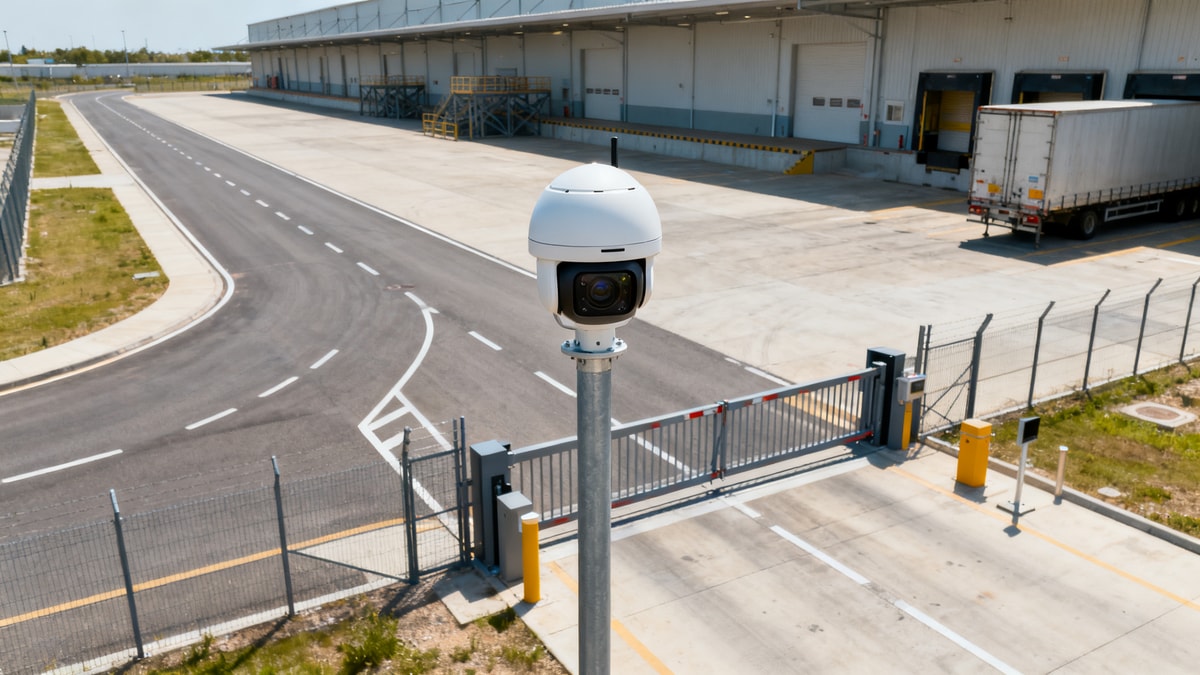
- Outdoor gate cabinets: Temperature changes, moisture, dust, and sunlight can alter both electronics and enclosure behavior over time.
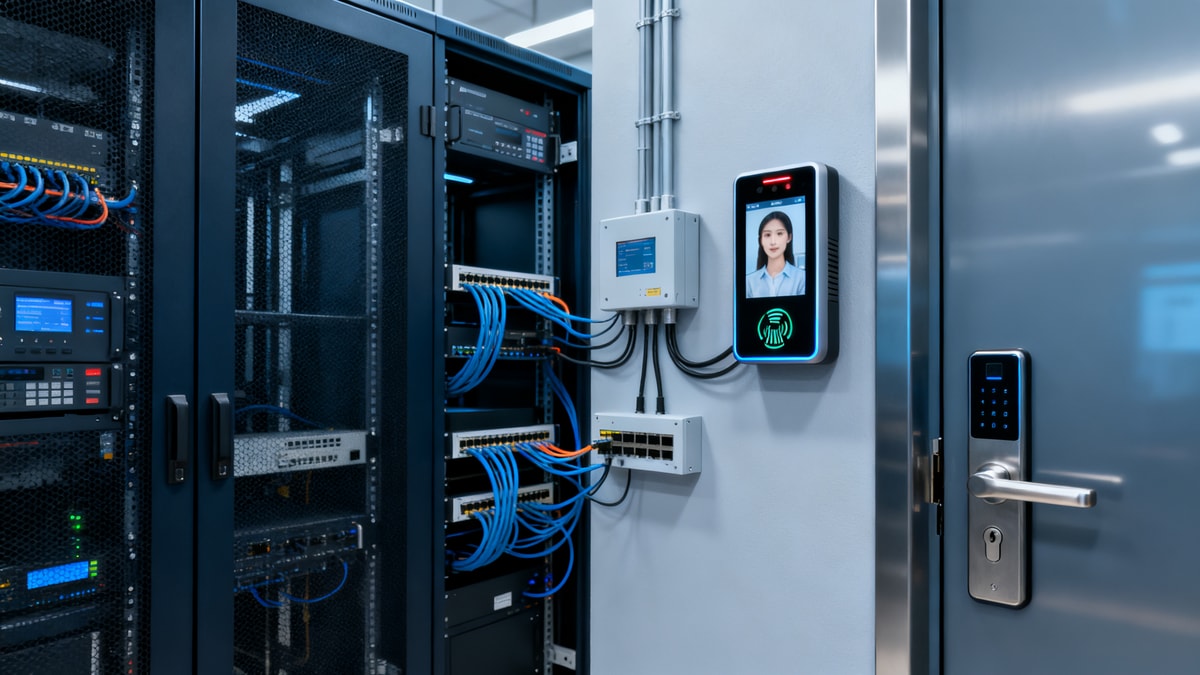
- Power and automation rooms: Electromagnetic interference from drives, transformers, and switching devices may create intermittent faults that are difficult to reproduce in a showroom test.
- Fast-throughput entrances: If personnel tap quickly or present cards at inconsistent angles, marginal readers show delayed or partial detection.
The following scenario table can be used during RFID card readers wholesale review meetings to identify where additional validation is needed before final supplier approval.
This scenario-based method helps avoid a common procurement error: approving a reader after bench testing, then discovering instability only after full site deployment. In complex infrastructure, the installation environment is part of the performance equation.
How should technical assessors evaluate RFID card readers wholesale before bulk purchase?
A disciplined evaluation process reduces rework, service calls, and integration delays. Technical assessors should define pass-fail criteria before requesting quotations, not after receiving samples. This is particularly important when procurement teams are balancing cost targets with installation deadlines.
Recommended pre-purchase checklist
- Confirm supported card technologies, output interfaces, voltage range, and controller compatibility for the target system architecture.
- Request installation guidance for metal surfaces, minimum clearances, cable specifications, and recommended power conditions.
- Test readers with the actual credential types and user behavior expected on site, including fast taps, off-angle presentation, and gloved operation if relevant.
- Run trials in at least one EMI-prone area and one outdoor or semi-outdoor location if those conditions exist in the project.
- Compare not only read distance, but read consistency over repeated cycles and over a realistic installation period.
Technical assessors often benefit from a weighted scoring model. The table below provides a practical structure for RFID card readers wholesale selection where stability matters more than appearance or nominal feature count.
This framework is especially relevant for EPC contractors, facility managers, and industrial procurement teams who need stable performance across repeated installations, not just a successful pilot at one door.
What cost mistakes are common when buying RFID card readers wholesale?
The visible price gap between reader models is often smaller than the hidden cost gap after installation. Technical assessors should consider total deployment cost, especially where site access is restricted, labor is expensive, or downtime affects operations.
Hidden costs linked to poor reading stability
- Repeated site visits to troubleshoot missed reads or intermittent controller events.
- Reinstallation with spacers, shielding changes, or revised cable routing after the original fit-out is complete.
- User complaints, slower access throughput, and operational delays at shift changes or gate peaks.
- Partial replacement of deployed readers when later production batches behave differently from approved samples.
In many wholesale projects, a slightly higher unit cost is justified if the reader reduces commissioning risk and maintenance exposure. This is not about choosing the most expensive option. It is about matching stability performance to site criticality. For a low-traffic interior office door, tolerance may be broader. For a perimeter gate, utility facility, or industrial access point, weak stability quickly becomes expensive.
Which standards and compliance topics should be reviewed?
In RFID card readers wholesale procurement, compliance review should not stop at product labeling. Technical assessors should check whether the reader fits the project’s electrical safety, EMC, and environmental requirements, and whether documentation supports the intended region and application. Depending on the deployment, common reference points may include CE, UL-related expectations, ISO-aligned management environments, and regional EMC or low-voltage requirements.
Documentation quality also matters. Installation manuals, wiring diagrams, operating temperature information, ingress protection statements when relevant, and interface behavior notes are all part of deployment readiness. In industrial projects, missing documentation can delay site approval even when the hardware itself appears acceptable.
- Review electrical compatibility with the existing control panel and power distribution design.
- Check EMC suitability if readers will be installed near switching equipment or industrial communication lines.
- Verify environmental declarations for outdoor, dusty, or moisture-prone installation points.
FAQ: what do buyers often ask about RFID card readers wholesale?
How can I tell if two readers with the same frequency support will perform differently?
Look beyond the supported standard. Compare antenna behavior near metal, repeated read success under varied card angles, EMI tolerance, and installation guidance. In RFID card readers wholesale sourcing, identical frequency support does not mean identical field performance.
What is the most overlooked test before bulk order approval?
A site-like test near actual mounting materials is often overlooked. Bench tests in open air can hide issues that appear immediately on steel posts, door frames, or electrically noisy walls. If the project includes industrial zones, one sample should be tested there before final approval.
Are cheaper readers always unsuitable for industrial use?
Not necessarily. Some cost-effective models work well in controlled indoor environments with stable power and low EMI. The risk appears when buyers apply those readers to outdoor, metal-heavy, or high-throughput scenarios without validating their limits first.
What should be confirmed with suppliers before placing an RFID card readers wholesale order?
Confirm credential compatibility, interface type, environmental suitability, installation restrictions, lead time, sample availability, replacement consistency, and technical documentation. Ask specifically how the reader performs in the conditions closest to your site, not just what the brochure lists.
Why work with Global Industrial Core for technical sourcing support?
For technical assessors, the challenge is rarely finding suppliers. The challenge is filtering claims, identifying deployment risks early, and translating product data into site-ready decisions. Global Industrial Core focuses on foundational industrial systems where reliability, compliance, and implementation discipline matter more than surface-level specifications.
If you are reviewing RFID card readers wholesale options for industrial campuses, utility assets, logistics facilities, or multi-site access projects, GIC can support the evaluation process with decision-oriented guidance. That includes parameter confirmation, application scenario matching, supplier comparison logic, compliance review priorities, and practical risk checkpoints before bulk procurement.
You can contact us to discuss reader selection criteria, sample testing priorities, delivery schedule concerns, documentation requirements, integration questions, and quotation comparison. For teams managing complex infrastructure rollouts, these early clarifications often save more time and cost than negotiating unit price alone.
Technical Specifications
Expert Insights

Chief Security Architect
Dr. Thorne specializes in the intersection of structural engineering and digital resilience. He has advised three G7 governments on industrial infrastructure security.
Related Analysis
- May 01, 2026PTZ dome camera placement mistakes that waste zoom performanceAuthor :Safety Compliance Lead
- May 01, 2026Biometric access control systems: where integration gets expensiveAuthor :Safety Compliance Lead
- May 01, 2026Facial recognition door lock accuracy drops in these common settingsAuthor :Safety Compliance Lead
Core Sector // 01
Security & Safety
- PTZ dome camera placement mistakes that waste zoom performanceAuthor :Safety Compliance Lead

- Biometric access control systems: where integration gets expensiveAuthor :Safety Compliance Lead

- Facial recognition door lock accuracy drops in these common settingsAuthor :Safety Compliance Lead

- Smart security alarms: fewer alerts can mean better protectionAuthor :Safety Compliance Lead

- RFID card readers wholesale: hidden differences in reading stabilityAuthor :Safety Compliance Lead

- Network video recorder NVR limits that only appear after expansionAuthor :Safety Compliance Lead

- CCTV camera wholesale: why image sensors change return ratesAuthor :Safety Compliance Lead

- What affects wholesale traffic cone pricing more than volumeAuthor :Safety Compliance Lead