Smart security alarms: fewer alerts can mean better protection
Author
Date Published
Reading Time
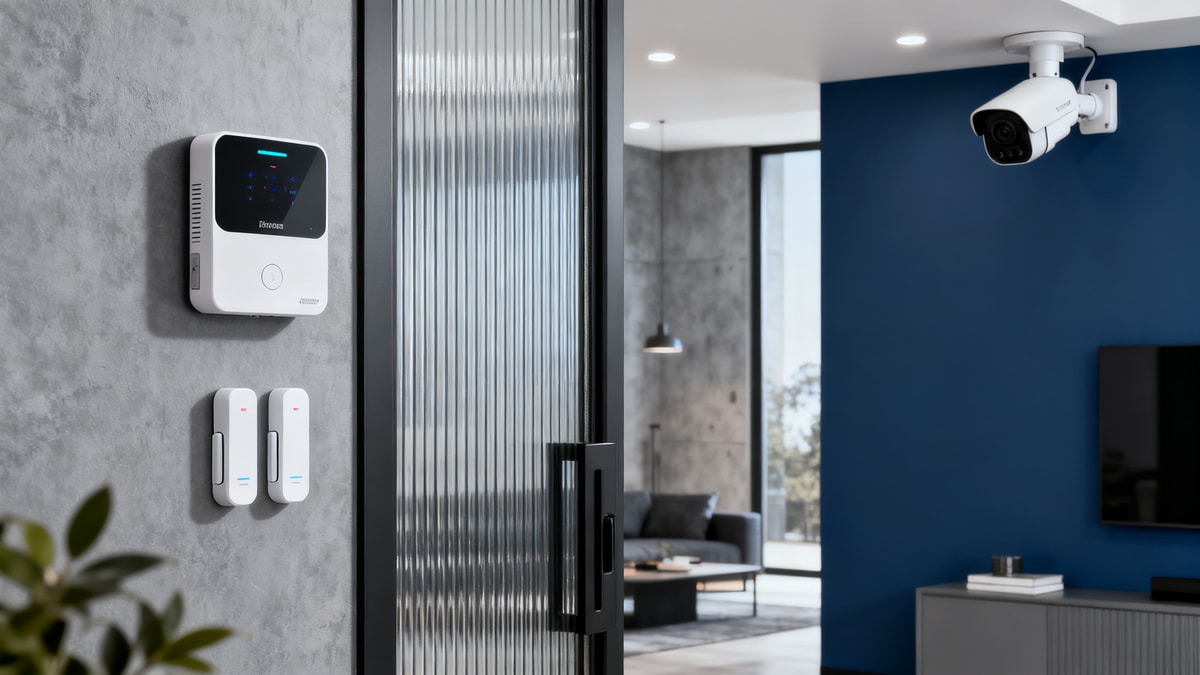
When it comes to protecting your home, more notifications do not always mean more safety. Smart security alarms are changing that by reducing false alerts, learning real patterns, and helping you respond to genuine risks faster. For homeowners and renters alike, the real value lies in smarter detection, less stress, and better everyday protection.
Why a checklist is the smartest way to evaluate home protection
Many people shop for security systems by comparing siren volume, camera resolution, or app ratings. Those details matter, but they do not answer the most important question: will this system help you react to real threats without overwhelming you with useless alerts? That is why a checklist approach works better. It helps you judge smart security alarms by performance, not marketing.
For most households, the real risk is not only burglary. It is also alert fatigue, missed emergencies, poor sensor placement, delayed responses, and confusing app controls. A practical buying and setup checklist reduces those risks. It also helps consumers compare devices across price points, especially when choosing between standalone alarms, app-connected systems, and professionally monitored packages.
Start with these core questions before you buy
Before comparing brands, confirm what you actually need your smart security alarms to do. A small apartment, a family home, and a rental property do not share the same priorities. Use the following checklist as your first filter.
- Do you need intrusion protection only, or also smoke, carbon monoxide, water leak, or glass-break detection?
- Do you want self-monitoring through your phone, or do you need professional monitoring with emergency dispatch?
- Will children, older adults, roommates, or pets affect how sensors should be placed and configured?
- Is your internet connection stable enough for cloud-based alerts, or do you need local backup functions?
- Are you renting, which may limit drilling, wiring, or long-term installation changes?
- Do you want the system to integrate with smart locks, lights, doorbells, or voice assistants?
These questions save time because they prevent overbuying. A feature-rich system is not automatically better if it creates unnecessary complexity. The best smart security alarms are the ones that fit your daily routine and improve response quality.
The must-check features that reduce false alerts
A key reason consumers upgrade to smart protection is to avoid constant false alarms. That benefit only happens if the system includes the right detection logic. When reviewing products, prioritize the following decision points.
1. Detection accuracy over sensitivity alone
High sensitivity sounds impressive, but over-sensitive alarms can trigger for harmless movement, pets, curtains, or temperature shifts. Better systems use layered sensing, such as motion plus entry contact, or AI-supported recognition patterns. This helps smart security alarms distinguish real intrusion from normal household activity.
2. Custom alert zones and schedules
Look for systems that let you set different rules for day and night, or for specific rooms and entry points. For example, you may want ground-floor protection armed overnight while interior motion sensors remain relaxed if someone walks to the kitchen. Flexible rules make alerts more useful and less disruptive.
3. Pet-friendly motion handling
Homes with cats or dogs should not assume every motion detector is pet-safe. Check the stated pet weight threshold and placement guidance. Even well-designed smart security alarms can generate false alarms if mounted at the wrong height or pointed toward stairs and furniture.
4. Fast and clear mobile notifications
An alert is only helpful if you understand it immediately. The best systems tell you exactly what happened, where it happened, and what to do next. Vague app messages increase panic and delay decisions. Prioritize systems that show event type, sensor location, time stamp, and action buttons in one screen.
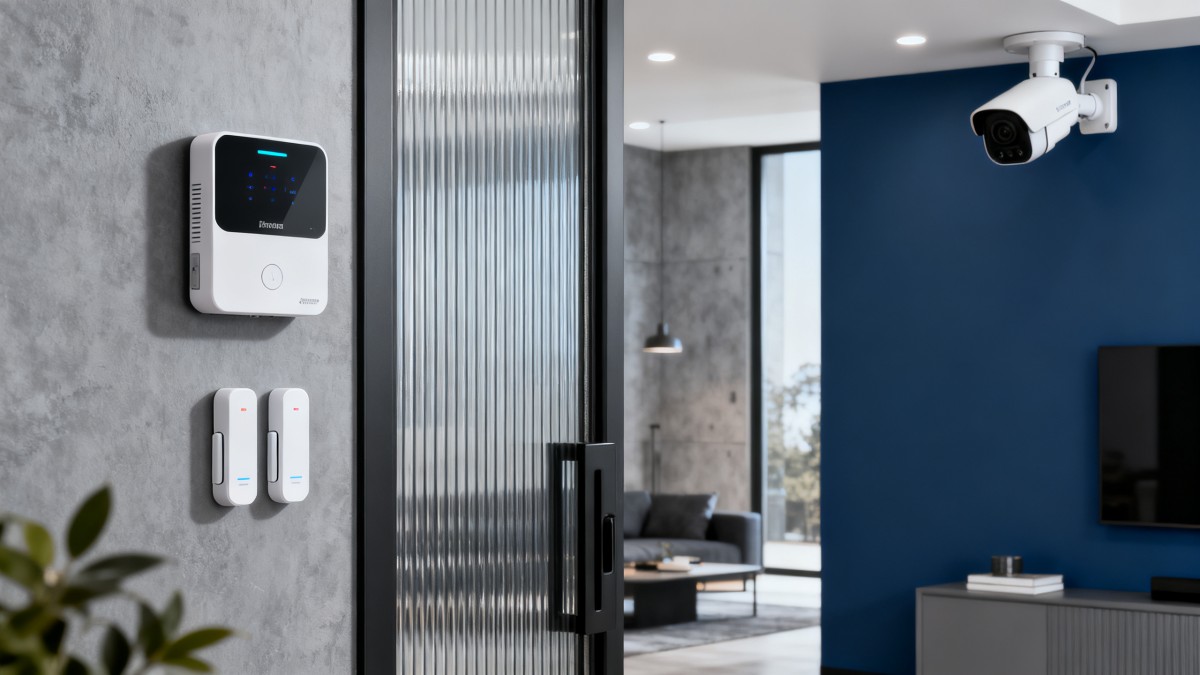
Use this practical comparison table before choosing smart security alarms
If you are comparing multiple systems, this quick-reference table can help you evaluate them based on real-life usefulness rather than feature overload.
How priorities change by home type and lifestyle
Not all users should judge smart security alarms in the same way. A useful system for one household may be inefficient for another. Review these scenario-based adjustments before making a final decision.
For apartment renters
Choose wireless devices, adhesive-mounted sensors, and simple app setup. Confirm whether the system can move with you and whether there are cancellation fees. Renters usually benefit more from door, window, and indoor motion coverage than from complex outdoor perimeter setups.
For family homes
Focus on layered protection: front and back doors, first-floor windows, hallway motion sensors, and smoke or CO alarms. Families should also check whether the app supports multiple users with separate permissions. This matters when different adults need access without creating confusion.
For frequent travelers
Remote visibility matters more. Prioritize smart security alarms with reliable push alerts, camera verification, travel mode, and backup connectivity. Long absences make rapid event confirmation especially important because you may need to contact neighbors or authorities from a distance.
For homes with pets or older adults
This group should pay close attention to false alarm reduction, panic button access, and clear audible warnings. Consider whether wearable emergency triggers, voice prompts, or easier keypad design would improve safety in daily use.
Common mistakes that weaken protection even with good devices
Even high-quality smart security alarms can underperform if they are installed or managed poorly. These are the most common problems consumers overlook.
- Placing motion sensors where sunlight, vents, or moving curtains trigger unnecessary events.
- Ignoring low-battery warnings until sensors go offline.
- Using the default notification settings without customizing urgency levels.
- Failing to test sirens, app alerts, and backup power after installation.
- Giving app access to too many users without clear household rules.
- Assuming cameras replace entry sensors, when in reality both serve different roles.
These issues often explain why people feel disappointed after upgrading. In many cases, the hardware is not the problem. The real issue is poor planning, weak configuration, or lack of periodic testing.
A simple setup checklist for better day-one performance
Once you choose a system, the next step is setup quality. Use this execution checklist to get more value from your smart security alarms from the first day.
- Map your highest-risk entry points first, usually the main door, rear door, and accessible windows.
- Assign clear sensor names in the app, such as “Kitchen Window” instead of generic labels.
- Create separate modes for home, away, and night so alerts match real behavior patterns.
- Enable critical notifications and verify they bypass silent phone settings if needed.
- Test each device one by one, including alert delivery speed and siren audibility.
- Review battery status, firmware updates, and emergency contacts every month.
How to judge value instead of chasing the lowest price
Price matters, but total value depends on reliability, alert quality, support, and long-term flexibility. Cheap systems may seem attractive until they require subscriptions for basic functions, stop sending alerts during outages, or become hard to expand. On the other hand, expensive systems are not always justified if your space is small and your risks are simple.
A better way to evaluate value is to compare the cost against four outcomes: fewer false alarms, faster awareness, easier everyday use, and better coverage of your real risks. If smart security alarms help you stay calm, react correctly, and maintain protection with less effort, they are delivering meaningful value.
FAQ: quick answers consumers often need
Do smart security alarms work without Wi-Fi?
Some functions may continue locally, such as a siren or keypad arming, but app alerts often need internet access. Check whether the system offers cellular backup or local storage support.
Are smart security alarms worth it for small homes?
Yes, especially when they reduce false alerts and provide fast mobile warnings. Small homes may need fewer devices, but accurate detection and easy control still matter.
Can smart security alarms replace traditional systems?
In many cases, yes. However, the best choice depends on whether you need professional monitoring, backup communication, and broader hazard detection beyond intrusion.
What to confirm before moving forward
If you are ready to shortlist options, focus your next conversation or product review on a few practical points: which sensors are included, how false alerts are reduced, whether backup power and connectivity are built in, what monthly fees apply, and how the system fits your home layout and daily routine. That is the most effective way to choose smart security alarms that deliver better protection with fewer unnecessary interruptions.
For consumers who want confidence rather than complexity, the right decision is rarely about getting the most alerts. It is about getting the right alerts, at the right time, in a system you can trust and use consistently.
Technical Specifications
Expert Insights

Chief Security Architect
Dr. Thorne specializes in the intersection of structural engineering and digital resilience. He has advised three G7 governments on industrial infrastructure security.
Related Analysis
- May 01, 2026PTZ dome camera placement mistakes that waste zoom performanceAuthor :Safety Compliance Lead
- May 01, 2026Biometric access control systems: where integration gets expensiveAuthor :Safety Compliance Lead
- May 01, 2026Facial recognition door lock accuracy drops in these common settingsAuthor :Safety Compliance Lead
Core Sector // 01
Security & Safety
- PTZ dome camera placement mistakes that waste zoom performanceAuthor :Safety Compliance Lead

- Biometric access control systems: where integration gets expensiveAuthor :Safety Compliance Lead

- Facial recognition door lock accuracy drops in these common settingsAuthor :Safety Compliance Lead

- Smart security alarms: fewer alerts can mean better protectionAuthor :Safety Compliance Lead

- RFID card readers wholesale: hidden differences in reading stabilityAuthor :Safety Compliance Lead

- Network video recorder NVR limits that only appear after expansionAuthor :Safety Compliance Lead

- CCTV camera wholesale: why image sensors change return ratesAuthor :Safety Compliance Lead

- What affects wholesale traffic cone pricing more than volumeAuthor :Safety Compliance Lead