2026 World Intelligent Industry Expo Opens in Tianjin
Author
Date Published
Reading Time
On May 28–31, 2026, the 2026 World Intelligent Industry Expo (WIIE) will open at the Tianjin National Convention and Exhibition Center, spotlighting six core directions: artificial intelligence core technologies, intelligent connected vehicles, embodied AI, intelligent manufacturing, low-altitude economy, and smart terminals. This event is particularly relevant for stakeholders in industrial AI inspection, smart electrical infrastructure, and digital twin applications for solid waste management — sectors where tangible deployment pathways are gaining global traction.
Event Overview
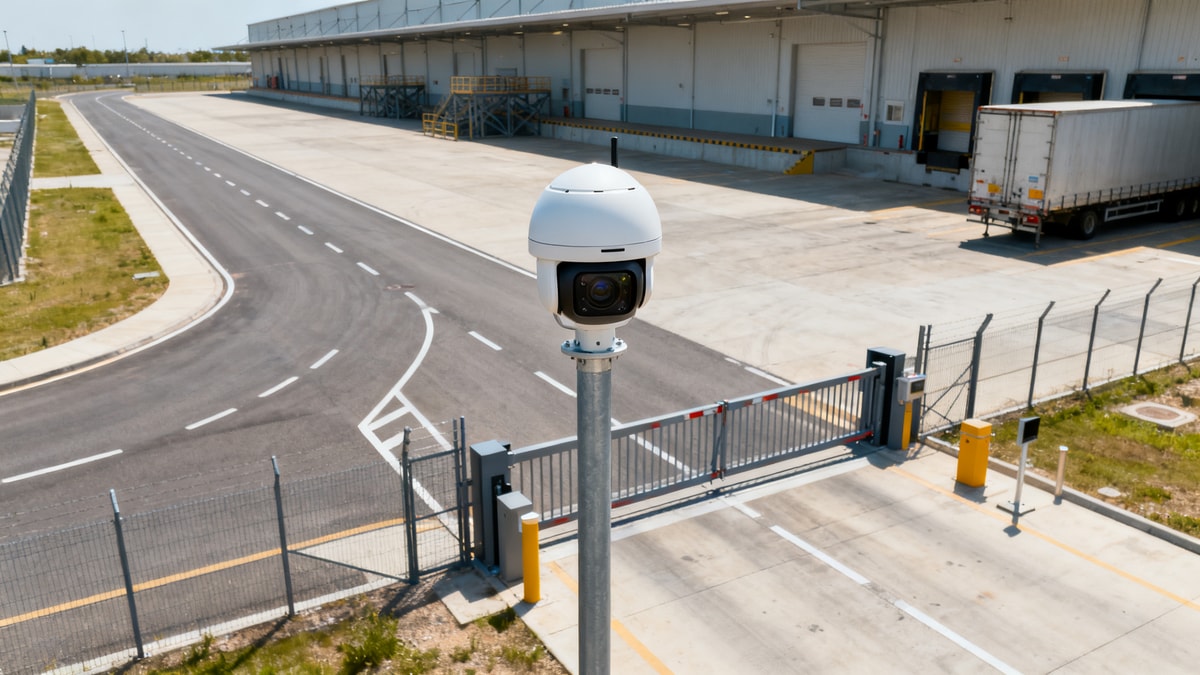
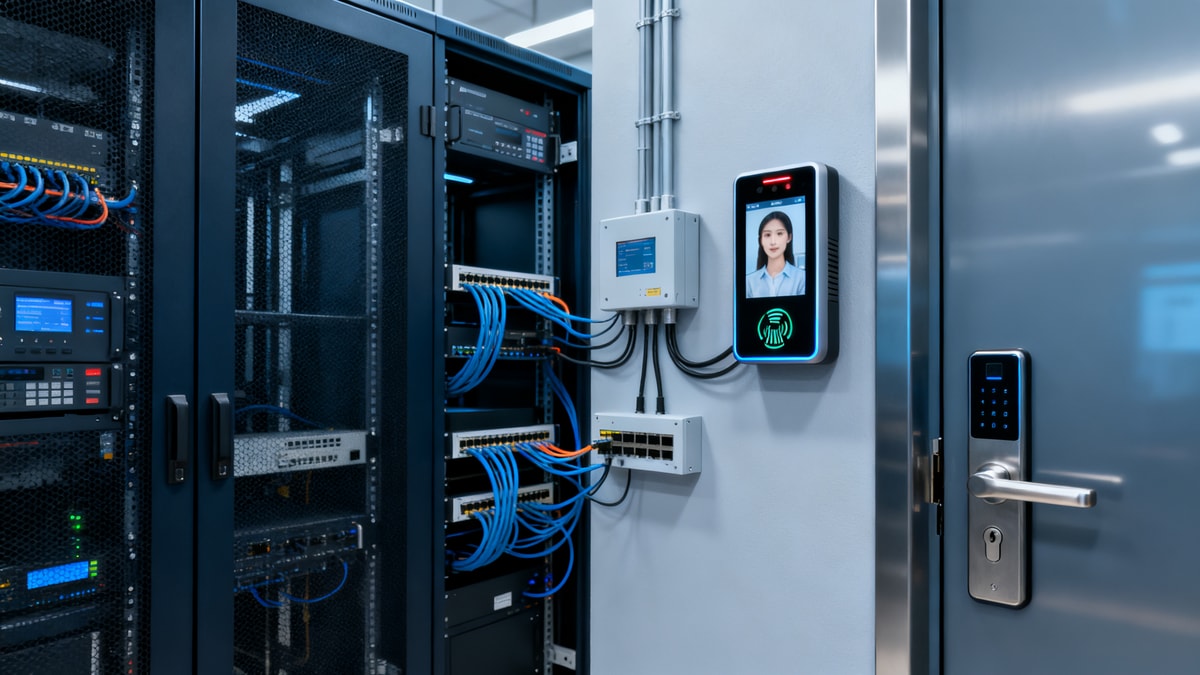
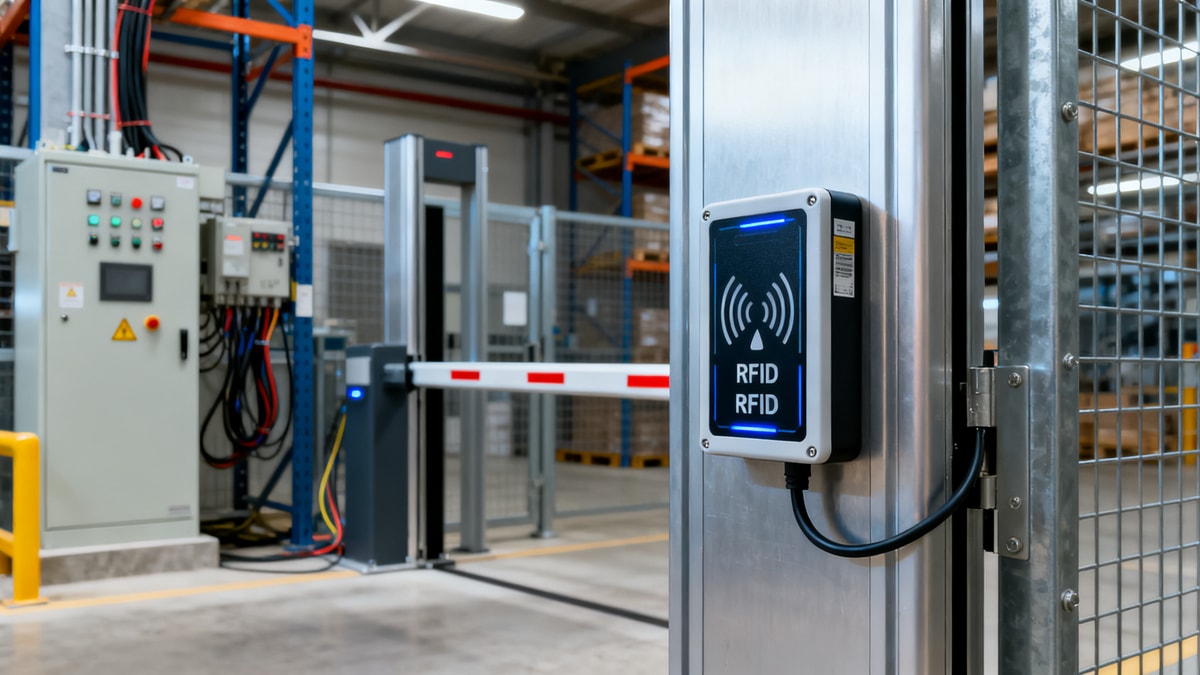
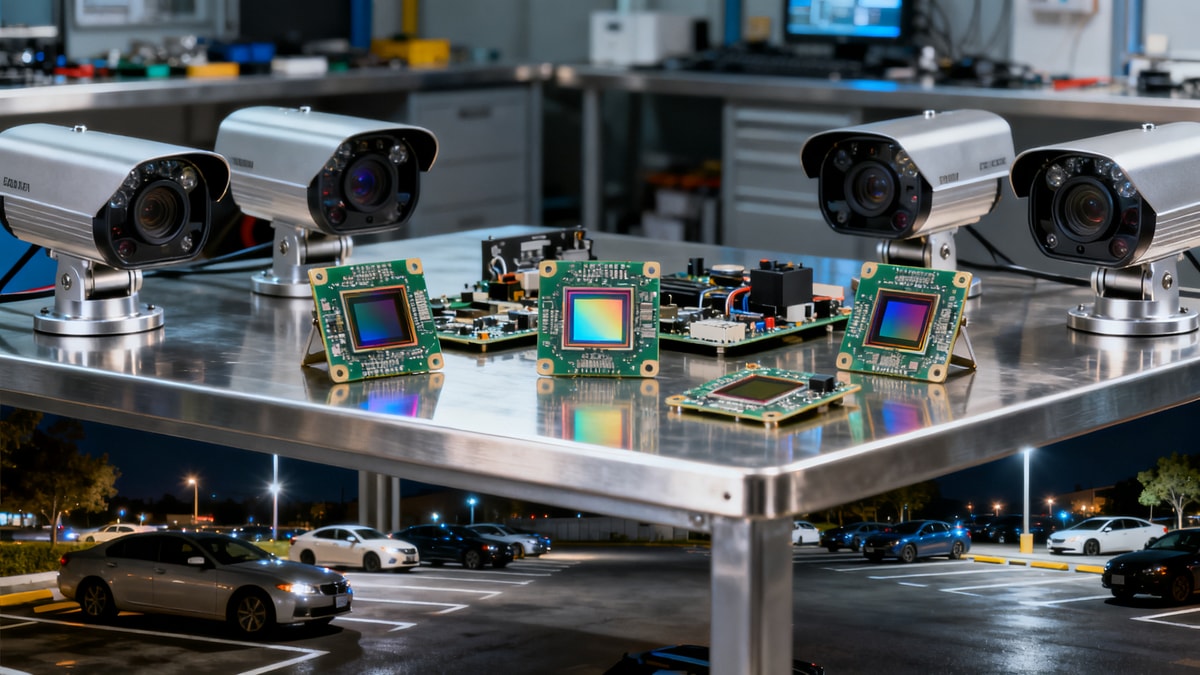
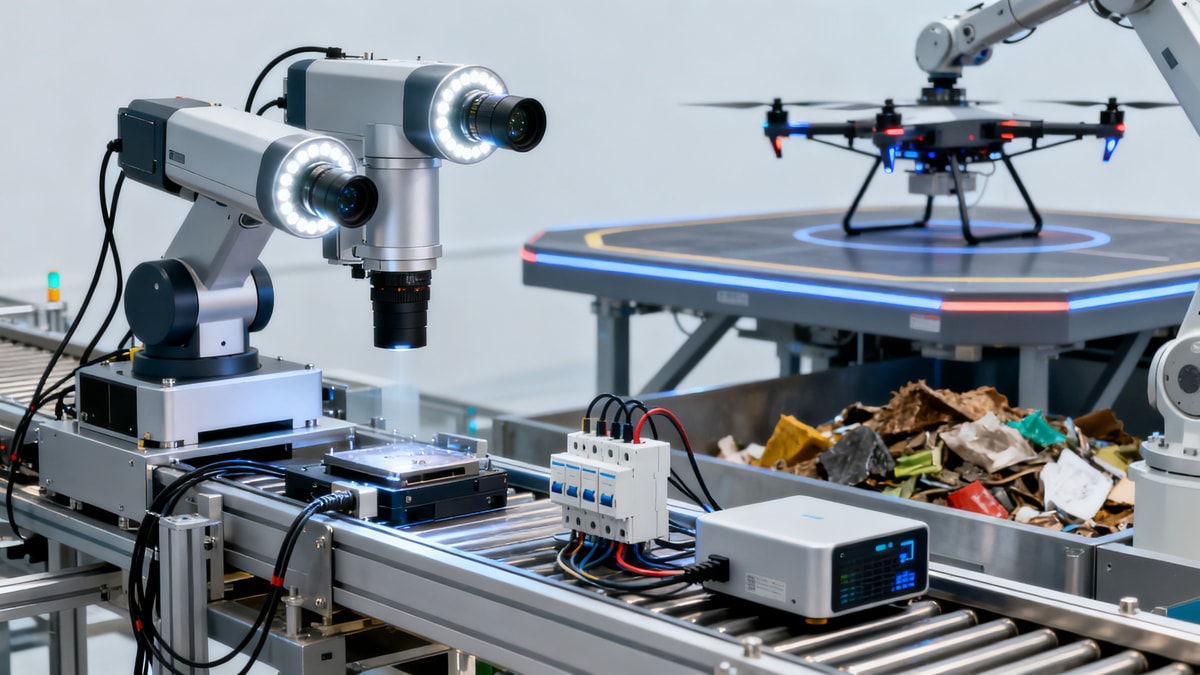
The 2026 World Intelligent Industry Expo will be held from May 28 to 31, 2026, at the Tianjin National Convention and Exhibition Center. It will focus on six thematic areas: artificial intelligence core technologies, intelligent connected vehicles, embodied AI, intelligent manufacturing, low-altitude economy, and smart terminals. Within the intelligent manufacturing zone, confirmed exhibits include AI-powered visual inspection systems (CCTV & access control), digital circuit breakers (breakers & relays), and AI-driven industrial solid waste sorting systems (solid waste management). Pre-connect sessions are open to global EPC contractors and facility management entities.
Which Subsectors Are Affected
Industrial Automation Equipment Integrators
These firms supply turnkey solutions incorporating AI vision, edge controllers, and smart power devices. The expo’s emphasis on AI visual inspection and digital breakers signals growing demand for interoperable, standards-aware hardware-software stacks — especially in regulated environments like factory automation and critical infrastructure.
Electrical Distribution System Providers
Vendors of medium- and low-voltage switchgear, protection relays, and grid-edge monitoring systems face accelerated specification alignment needs. The showcase of digital breakers implies tightening expectations around communication protocols (e.g., IEC 61850), cybersecurity certification, and remote diagnostics readiness — not just device-level intelligence but system-level integration capability.
Waste Management Technology Developers & Operators
Companies deploying or procuring AI-based sorting, material recovery, or landfill/transfer station digital twins will encounter benchmarking opportunities. The inclusion of ‘industrial solid waste intelligent sorting’ as a defined theme suggests increasing institutional attention to traceability, real-time yield analytics, and regulatory compliance automation — areas where pilot deployments may soon inform tender requirements.
Global EPC Contractors & Facility Management Firms
As noted in the official summary, pre-connect sessions are explicitly open to these groups. That signals a shift toward earlier-stage engagement: procurement cycles for smart infrastructure projects may now begin with technical scoping and interoperability validation — well before formal RFP issuance — making early attendance and targeted booth engagement operationally meaningful.
What Relevant Enterprises or Practitioners Should Focus On
Monitor official technical white papers and interoperability frameworks released during the event
Analysis shows that prior editions of WIIE have coincided with preliminary publication of industry-specific AI implementation guidelines (e.g., for factory inspection accuracy thresholds or breaker data model schemas). These documents often precede formal standardization — and may shape upcoming national or regional procurement templates.
Identify which showcased products align with active or planned project specifications
Observably, several Chinese manufacturers have recently updated CE/UKCA declarations and IEC 62443 certifications for smart breakers and vision systems. Attendees should cross-reference exhibitor portfolios against current bid documents or internal technology roadmaps — especially where AI inference latency, offline operation capability, or local data residency are contractual constraints.
Distinguish between demonstration-ready prototypes and commercially deployed systems
From an industry perspective, the ‘digital twin for solid waste’ theme includes both simulation platforms and integrated sensor-to-dashboard deployments. Stakeholders should verify whether exhibited systems support API-based integration with existing SCADA or CMMS platforms — rather than treating all demos as drop-in solutions.
Prepare for pre-connect sessions with technical interoperability checklists
Current more suitable preparation includes drafting vendor-agnostic interface requirement lists (e.g., MQTT/OPC UA support, TLS 1.3, role-based access control models) ahead of scheduled meetings. This avoids reactive negotiations and surfaces compatibility gaps before procurement timelines tighten.
Editorial Perspective / Industry Observation
This edition of WIIE is better understood as a coordination signal than a market inflection point. Analysis shows that while the six themes reflect mature technical directions, their grouping here — especially the pairing of ‘industrial AI inspection’ with ‘digital breakers’ and ‘solid waste digital twins’ — underscores an emerging emphasis on cross-domain operational convergence: quality assurance, energy safety, and sustainability reporting are no longer siloed functions. Observably, the explicit invitation to global EPC and facility management entities suggests China’s domestic smart infrastructure rollout is entering a phase where international project delivery partners are expected to co-define integration patterns — not just install certified components. Industry actors should therefore treat this event less as a product launch venue and more as a de facto working forum for interoperability alignment.
It remains to be observed whether technical documentation released during the event achieves broad multilingual availability and whether participating vendors publish conformance statements against internationally recognized frameworks (e.g., ISO/IEC 27001 for AI systems, IEC TR 63297 for digital twin governance). These elements will determine how directly the expo’s outputs translate into actionable procurement criteria outside China.
Concluding, the 2026 WIIE serves as a timely indicator of maturing industrial AI deployment logic — one increasingly grounded in system-level reliability, regulatory traceability, and cross-functional data utility. It does not announce new markets, but it clarifies the technical and procedural thresholds for participation in next-generation infrastructure projects across multiple verticals. Currently, it is more appropriately interpreted as a synchronization milestone for engineering, procurement, and operations teams preparing for converged smart infrastructure tenders — rather than a standalone commercial opportunity.
Source: Official announcement of the 2026 World Intelligent Industry Expo, issued by the Organizing Committee of WIIE and published via Tianjin Municipal Bureau of Industry and Information Technology. Pending observation: availability of multilingual technical documentation and vendor conformance disclosures post-event.
Technical Specifications
- ILAC Recognizes CNAS Bearing Vibration ReportsAuthor :Heavy Industry Strategist
- ESMA Mandates EN 14181 QA/QC Level 3 for Industrial Water Sensors in UAEAuthor :Environmental Engineering Director
- JIS T 8201-2026 Enforces New Low-Temp Impact Test for Fire Respirator MasksAuthor :Safety Compliance Lead
Expert Insights

Chief Security Architect
Dr. Thorne specializes in the intersection of structural engineering and digital resilience. He has advised three G7 governments on industrial infrastructure security.
Related Analysis
- May 01, 2026ILAC Recognizes CNAS Bearing Vibration ReportsAuthor :Heavy Industry Strategist
- May 01, 2026ESMA Mandates EN 14181 QA/QC Level 3 for Industrial Water Sensors in UAEAuthor :Environmental Engineering Director
- May 01, 2026JIS T 8201-2026 Enforces New Low-Temp Impact Test for Fire Respirator MasksAuthor :Safety Compliance Lead
Core Sector // 01
Security & Safety
- 2026 World Intelligent Industry Expo Opens in TianjinAuthor :Safety Compliance Lead

- PTZ dome camera placement mistakes that waste zoom performanceAuthor :Safety Compliance Lead

- Biometric access control systems: where integration gets expensiveAuthor :Safety Compliance Lead

- Facial recognition door lock accuracy drops in these common settingsAuthor :Safety Compliance Lead

- Smart security alarms: fewer alerts can mean better protectionAuthor :Safety Compliance Lead

- RFID card readers wholesale: hidden differences in reading stabilityAuthor :Safety Compliance Lead

- Network video recorder NVR limits that only appear after expansionAuthor :Safety Compliance Lead

- CCTV camera wholesale: why image sensors change return ratesAuthor :Safety Compliance Lead