Tungsten Carbide Inserts: When to Replace Them
Author
Date Published
Reading Time
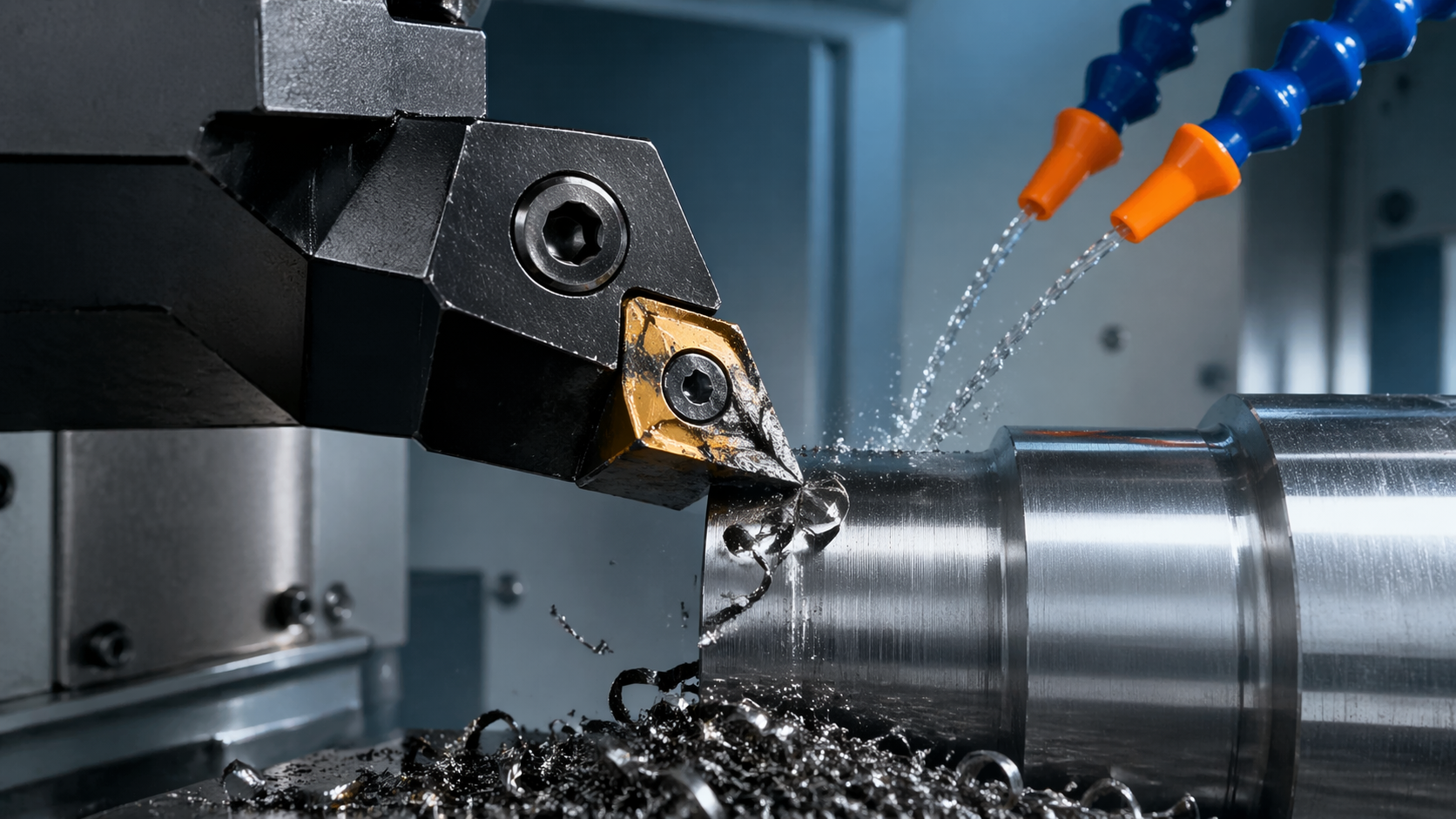
Knowing when to replace tungsten carbide inserts is essential for maintaining cut quality, machine efficiency, and production safety. For buyers and operators comparing cemented carbide blanks, CNC machining parts OEM support, or broader metalworking solutions such as precision die casting parts and sheet metal fabrication services, understanding insert wear helps reduce downtime, control tooling costs, and improve long-term manufacturing performance.
In practice, tungsten carbide inserts should be replaced before wear begins to damage part quality, overload the machine, or create unstable cutting conditions. The right replacement point is not based on one universal number of parts or hours. It depends on wear pattern, material being cut, feed and speed, coolant use, tolerance requirements, and the cost of failure. For operators, the key is recognizing visible and performance-based wear signals early. For buyers and decision-makers, the priority is building a repeatable replacement standard that balances tooling cost against scrap risk, machine uptime, and process reliability.
When should tungsten carbide inserts be replaced in real production?
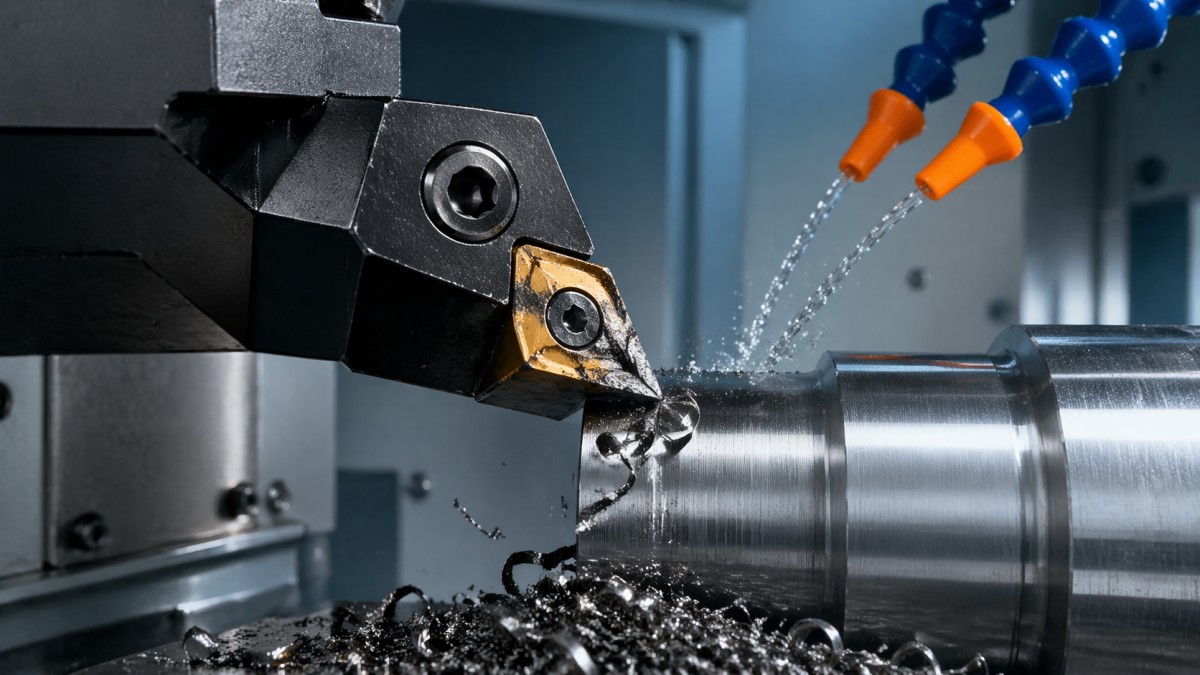
The most useful answer is this: replace carbide inserts when wear is still controlled, not when the insert has fully failed. Waiting for catastrophic failure usually costs more than changing the insert slightly early. A worn insert may still cut, but it often creates hidden losses such as poor surface finish, dimensional drift, rising spindle load, excess heat, burr formation, or sudden edge chipping.
In most metalworking environments, inserts should be changed when one or more of the following occurs:
- Surface finish no longer meets specification
- Dimensions begin trending out of tolerance
- Flank wear reaches the shop’s established limit
- Crater wear weakens the cutting edge
- Built-up edge causes unstable cutting or inconsistent part quality
- Chipping, cracking, or edge deformation appears
- Cutting forces, noise, or vibration noticeably increase
- Machine power consumption rises beyond normal levels
For high-volume manufacturing, replacement decisions should be proactive and documented. For low-volume or mixed-part shops, visual inspection and cut-performance monitoring are often the most practical methods. In both cases, the goal is the same: avoid reaching the point where the insert begins affecting downstream quality, cycle time, or equipment condition.
What are the main signs of carbide insert wear?
Readers searching this topic are usually trying to identify whether an insert is “still usable” or already costing the process more than it saves. The answer starts with understanding common wear modes.
Flank wear
Flank wear appears on the clearance face of the insert and is one of the most common indicators used for replacement. Moderate, even flank wear is normal. Excessive flank wear, however, increases friction and heat, reduces dimensional accuracy, and can eventually trigger edge failure. Many shops define a maximum acceptable flank wear land based on material, machine stability, and tolerance requirements.
Crater wear
Crater wear forms on the rake face where the chip flows over the insert. It is often associated with high cutting temperatures and aggressive cutting conditions. If crater wear becomes too deep, the cutting edge loses strength and may fracture unexpectedly.
Chipping and micro-chipping
Small chips along the edge may seem minor, but they often signal interrupted cutting, unstable setup, overly aggressive feed, or a mismatch between insert grade and workpiece material. Once chipping starts, surface finish and predictability usually decline quickly.
Built-up edge
Built-up edge occurs when workpiece material adheres to the insert edge. This is common in some ductile materials and can cause inconsistent dimensions, poor surface finish, and sudden edge breakage when the built-up layer detaches.
Thermal cracking
Repeated heating and cooling cycles can create cracks, especially under interrupted coolant conditions or unstable thermal loads. Thermal cracks are a serious warning sign because they often lead to sudden failure.
Plastic deformation
Under high temperature and load, the insert edge can deform rather than chip. This changes the cutting geometry and quickly affects accuracy and finish. It usually indicates that cutting speed, heat, or grade selection needs review.
How do operators know an insert is too worn even before visible failure?
Experienced operators often detect insert replacement timing before obvious visual damage appears. This is critical because visible failure usually comes after performance has already deteriorated.
Common early operational signals include:
- A rougher or inconsistent surface finish
- More burrs on edges or holes
- Changes in chip color, shape, or evacuation behavior
- Increased squealing, chatter, or vibration
- Higher spindle load or cutting resistance
- Need for more frequent offsets or compensation
- Unexpected temperature rise around the cut zone
For production teams, these signals should be standardized into an inspection routine. Even a simple checklist can help reduce variation between shifts and prevent subjective decisions about insert life.
What factors shorten or extend tungsten carbide insert life?
Insert life is strongly influenced by the total cutting system, not just the insert material itself. Buyers and process engineers should avoid evaluating tungsten carbide inserts in isolation.
Workpiece material
Harder alloys, abrasive materials, scale-bearing surfaces, and interrupted cuts all accelerate wear. Stainless steels, cast irons, hardened steels, and exotic alloys each create different wear patterns and require different insert grades and coatings.
Cutting parameters
Speed, feed, and depth of cut directly affect heat generation and edge load. Excessive speed often increases crater wear and thermal damage, while overly aggressive feed can cause chipping or breakage.
Machine and setup rigidity
Poor clamping, spindle runout, vibration, and weak fixturing reduce insert life significantly. In many cases, premature insert wear is actually a machine stability problem.
Coolant strategy
Coolant type, pressure, consistency, and delivery angle matter. Poor coolant application can increase heat, encourage built-up edge, or create thermal shock.
Insert grade and geometry
Not all tungsten carbide inserts perform the same. Substrate, grain structure, binder content, coating, edge preparation, and chipbreaker geometry should match the application. A lower-cost insert with poor application fit can produce a higher total cost per part.
Why replacing inserts too late is usually more expensive than replacing them early
This is especially important for procurement teams and business decision-makers. Tooling cost should not be measured by insert purchase price alone. The more meaningful metric is total process cost.
Replacing inserts too late can lead to:
- Scrapped parts and rework
- Out-of-tolerance production batches
- Longer cycle times due to unstable cutting
- Unplanned downtime from tool breakage
- Damage to holders, fixtures, or workpieces
- Increased inspection burden
- Lower confidence in process capability
For shops producing precision components, the cost of one failed production run can easily exceed the savings from extending insert life too aggressively. This is why mature operations define a controlled insert replacement window rather than waiting for failure.
How should buyers and engineers set a practical insert replacement standard?
A useful replacement standard should combine shop-floor observation with measurable process data. The objective is not to maximize the life of each insert edge at any cost, but to optimize predictable cost per acceptable part.
A practical framework includes:
- Define quality limits: Identify the surface finish, tolerance, and edge-condition thresholds that matter most.
- Track wear by application: Different materials and part features require different replacement rules.
- Measure tool life in usable output: Count parts, cutting time, or meters cut, depending on the process.
- Document wear mode: Record whether failure comes from flank wear, chipping, crater wear, built-up edge, or thermal cracking.
- Correlate with machine data: Spindle load, vibration, and cycle stability often reveal trends early.
- Set a safety margin: Replace inserts before the wear curve becomes unstable.
- Review supplier fit: If wear is consistently premature, reassess insert grade, coating, geometry, and OEM technical support.
This approach is particularly valuable for organizations sourcing cemented carbide blanks, evaluating CNC machining parts OEM support, or managing broader multi-process metalworking operations where machining quality affects later stages such as assembly, forming, or finishing.
What should procurement teams ask suppliers about tungsten carbide inserts?
For procurement and strategic sourcing teams, good purchasing decisions require more than checking price and delivery time. Supplier capability has a direct effect on replacement frequency, consistency, and total production cost.
Important questions include:
- What workpiece materials and cutting conditions is this insert grade designed for?
- What are the expected wear modes in this application?
- What coating and substrate characteristics support tool life?
- Is there technical support for parameter optimization?
- Can the supplier provide test data, case references, or comparative performance evidence?
- How consistent is batch-to-batch quality?
- Are international quality and compliance standards documented?
In industrial purchasing environments, these questions help distinguish commodity sourcing from performance-based sourcing. The difference matters when inserts are part of a larger production chain involving precision die casting parts, fabricated assemblies, or other tolerance-sensitive manufacturing outputs.
When is insert wear a tooling issue, and when is it a process issue?
Not every short insert life problem should be blamed on the insert itself. Often, wear is a symptom of a broader process mismatch. Replacing inserts more frequently will not solve underlying instability.
Review the wider process when you see repeated premature failure, irregular wear from one edge to another, or large variation between identical machines. Root causes may include:
- Incorrect speed and feed selection
- Inadequate toolholder condition or clamping force
- Machine misalignment or spindle issues
- Poor workholding rigidity
- Coolant inconsistency
- Unstable incoming material condition
- Wrong insert geometry for interrupted or heavy cuts
For operations leaders, this distinction is important because it changes the corrective action. If the issue is process-related, buying a different insert may provide only temporary improvement.
Conclusion: replace carbide inserts based on controlled wear, not maximum possible use
Tungsten carbide inserts should be replaced when wear begins to threaten quality, stability, or production efficiency, not only when the edge has visibly failed. The best replacement point is application-specific, but the principle is consistent: a controlled, documented replacement strategy reduces scrap, protects machines, improves predictability, and lowers total manufacturing cost.
For operators, that means watching for wear patterns, finish changes, vibration, chip behavior, and load increases. For buyers and decision-makers, it means evaluating inserts by total process performance, supplier support, and repeatable cost per acceptable part. In modern industrial manufacturing, knowing when to replace carbide inserts is not just a tooling question. It is a quality, productivity, and sourcing decision.
Expert Insights

Chief Security Architect
Dr. Thorne specializes in the intersection of structural engineering and digital resilience. He has advised three G7 governments on industrial infrastructure security.
Related Analysis
Core Sector // 01
Security & Safety
- How to Source CNC Machining Parts OEM in 2026Author :Precision Metrology Expert

- Tungsten Carbide Inserts: When to Replace ThemAuthor :Precision Metrology Expert

- China Launches World’s Largest Agri-Meteorological Observation NetworkAuthor :Precision Metrology Expert
![]()
- China's Industrial Sensor Exports Rise 17.3% YoY in Q1 2026Author :Precision Metrology Expert
![]()
- How to Choose a Total Station in 2026Author :Precision Metrology Expert

- Auto Level Instruments vs Rotary LasersAuthor :Precision Metrology Expert

- GNSS RTK Receiver: Who Needs ItAuthor :Precision Metrology Expert

- Wholesale Moisture Meters Buying GuideAuthor :Precision Metrology Expert