China's Industrial Sensor Exports Rise 17.3% YoY in Q1 2026
Author
Date Published
Reading Time

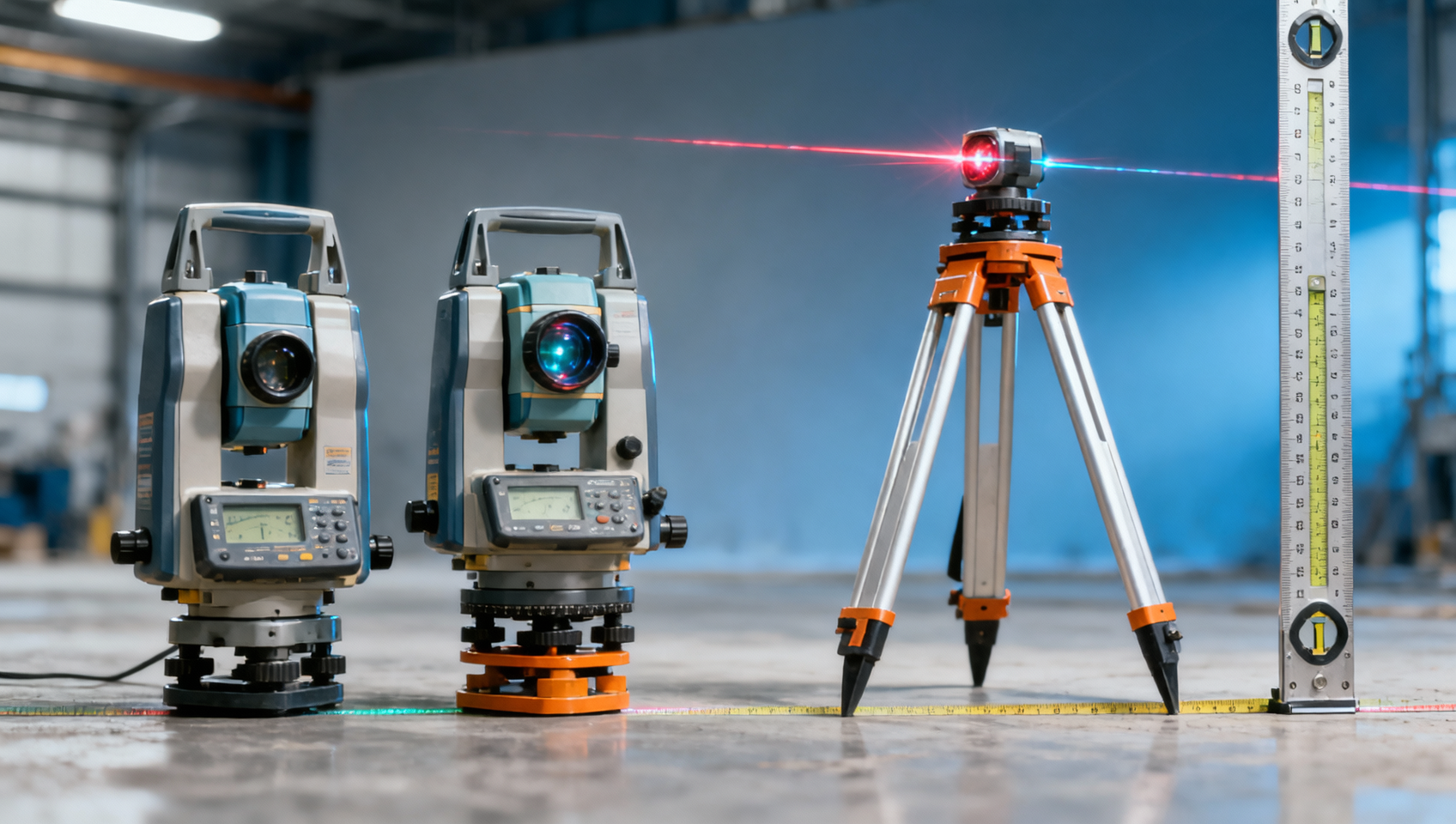
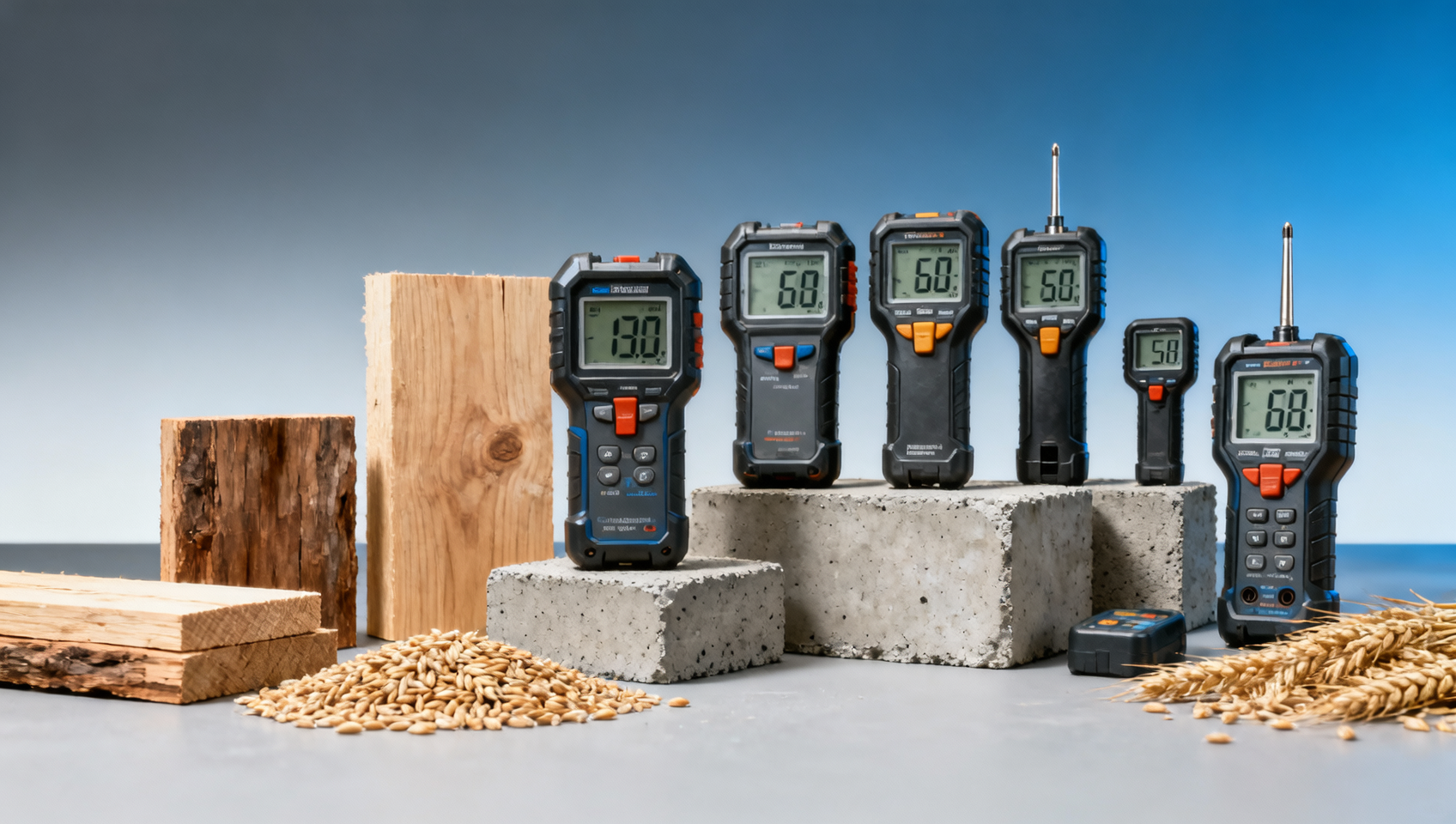
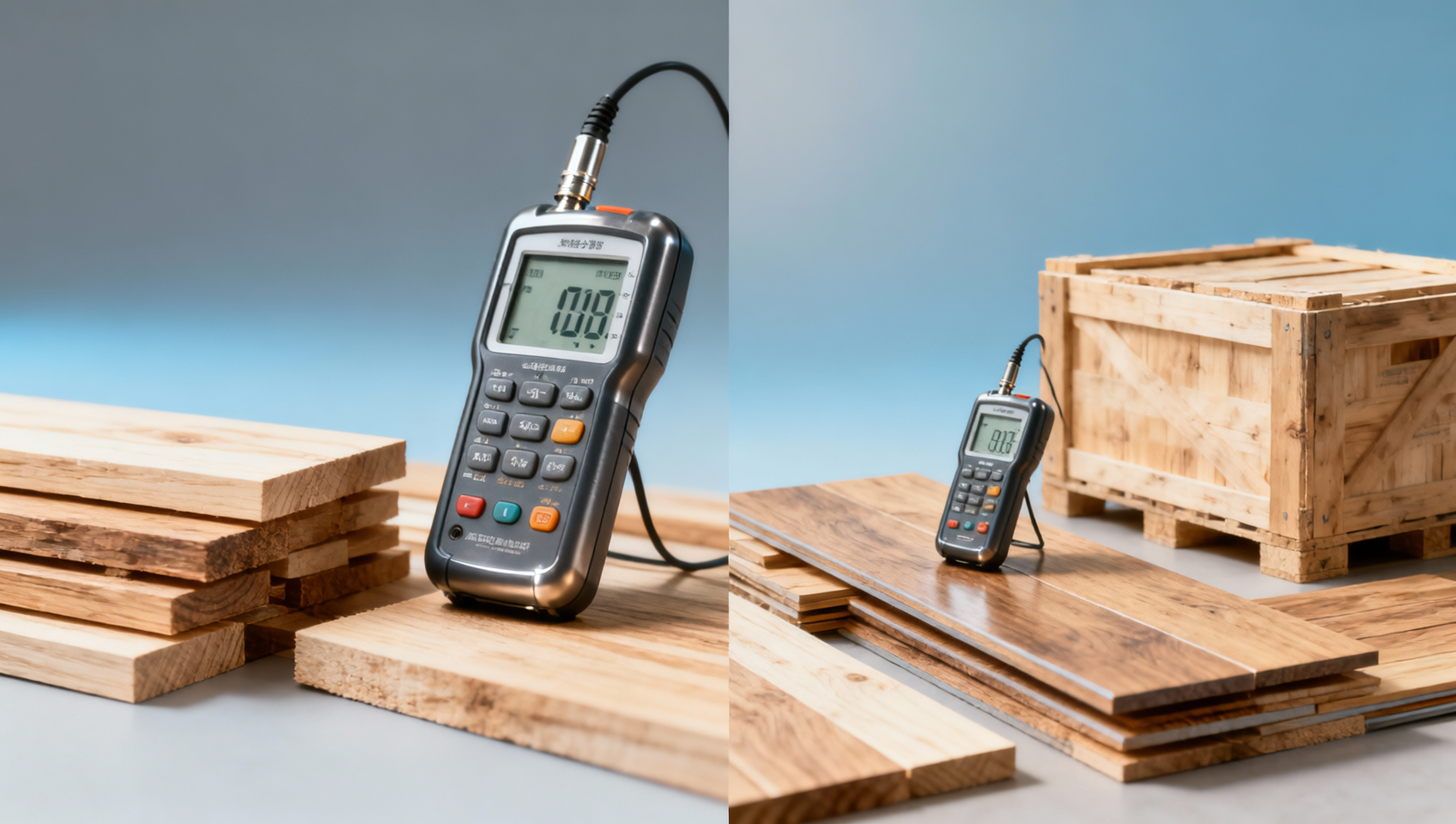
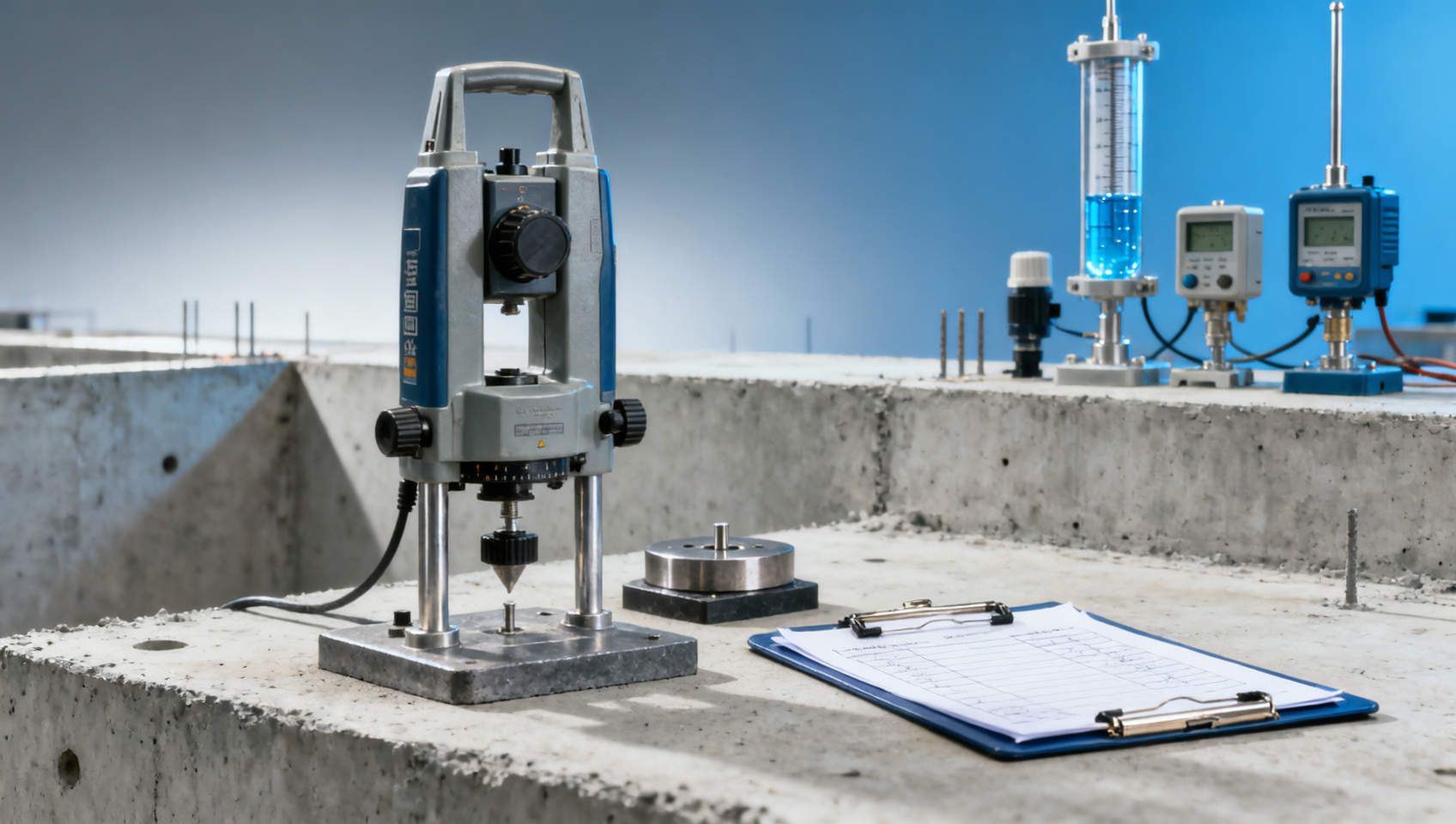
China’s Ministry of Industry and Information Technology (MIIT) confirmed on April 21, 2026, that exports of testing and measurement equipment — primarily industrial sensors — rose 17.3% year-on-year to USD 128 million in Q1 2026. This development signals growing traction for Chinese sensor solutions in Southeast Asian infrastructure projects, particularly among EPC contractors in Vietnam, Indonesia, and the Philippines. Stakeholders in industrial automation, instrumentation trade, and cross-border supply chain services should monitor implications for market access, delivery expectations, and technical support models.
Event Overview
On April 21, 2026, MIIT Vice Minister Zhang Yunming disclosed at a press conference that China’s Q1 2026 exports of testing and measurement (T&M) equipment reached USD 128 million, up 17.3% year-on-year. The growth was attributed primarily to demand from new power plant and smart water treatment facility projects in Vietnam, Indonesia, and the Philippines. The statement noted that Chinese sensor offerings are increasingly adopted by local EPC contractors due to competitive pricing, shorter delivery timelines, and localized technical support capabilities — relative to traditional Western suppliers.
Which Subsectors Are Affected
Direct Exporters (OEM/ODM Manufacturers)
Export-oriented manufacturers of industrial sensors and T&M devices face rising order volume from Southeast Asia, especially for pressure, flow, temperature, and water quality sensing modules. Impact manifests in production planning cycles, export documentation load, and post-sale service coordination — particularly where local technical validation or commissioning support is required.
Supply Chain & Component Procurement Firms
Firms sourcing PCBs, signal-conditioning ICs, housing materials, or calibration components may see increased demand for mid-tier performance specs aligned with cost-sensitive infrastructure deployments. Impact includes tighter lead time expectations and potential regional inventory rebalancing toward ASEAN-bound SKUs.
Contract Manufacturing & Assembly Service Providers
EMS providers supporting sensor OEMs may experience higher demand for quick-turn, low-to-mid volume assembly — especially for configurations customized to local utility standards (e.g., IP68-rated enclosures, Modbus-RTU interfaces). Impact centers on flexibility in firmware loading, labeling compliance, and documentation localization.
Distribution & Channel Partners in ASEAN Markets
Regional distributors and system integrators handling Chinese sensor brands are seeing accelerated project-level adoption. Impact includes increased need for application engineering capacity, faster logistics responsiveness, and alignment with local EPC bidding timelines — rather than just catalog-based sales cycles.
What Relevant Enterprises or Practitioners Should Monitor and Act On
Track official follow-up guidance from MIIT and MOFCOM
Current data is a single-quarter snapshot from a ministerial briefing. Watch for subsequent quarterly reports, sector-specific export policy updates (e.g., export classification adjustments, preferential financing for ASEAN infrastructure), or technical cooperation MOUs — which may signal whether this trend is policy-supported or market-driven.
Focus on sensor categories tied to power and water infrastructure
Priority categories include electromagnetic flow meters, dissolved oxygen sensors, differential pressure transmitters, and environmental monitoring nodes compliant with IEC 61508 or ISO 56002 (where applicable). Avoid broad assumptions about general-purpose sensor demand — growth is currently concentrated in utility-scale deployment contexts.
Distinguish between tender activity and actual shipment timing
Many ASEAN infrastructure projects operate on multi-phase procurement: design approval → tender → contract award → delivery. Current export data reflects shipped goods in Q1 2026, likely tied to contracts awarded in late 2025. Do not conflate near-term shipment velocity with long-term market share shifts — sustained adoption requires consistent after-sales capability.
Prepare for localized technical handover requirements
Local EPC contractors emphasize short delivery windows and on-site commissioning support. Exporters and distributors should verify readiness for basic field calibration training, bilingual operation manuals (English + Vietnamese/Indonesian/Tagalog), and responsive escalation paths — not just product certification.
Editorial Perspective / Industry Observation
From an industry perspective, this Q1 2026 export figure is best understood as an early-stage signal — not yet a structural shift. It reflects tactical adoption by cost- and schedule-constrained EPC firms, rather than wholesale replacement of legacy instrumentation ecosystems. Analysis来看, the 17.3% growth rate is meaningful but remains within the range of quarterly volatility observed in prior years for niche industrial exports. Observation来看, the geographic concentration (Vietnam, Indonesia, Philippines) suggests infrastructure modernization is outpacing broader industrial digitization in the region — meaning demand is currently project-led, not platform-led. Current more relevant to watch is whether this momentum sustains across Q2–Q3 2026 and expands into adjacent verticals such as transportation or municipal IoT.
This update does not indicate a sudden reconfiguration of global sensor supply chains. Rather, it highlights an evolving niche where Chinese manufacturers meet specific, time-sensitive infrastructure needs — under conditions where total cost of ownership and implementation speed outweigh brand heritage or full-stack interoperability.
Conclusion
The reported 17.3% YoY export growth for testing and measurement equipment in Q1 2026 reflects a concrete, geographically focused development — not a broad-based market transformation. It signals increasing operational relevance of Chinese industrial sensors in Southeast Asian utility infrastructure, driven by project economics and execution agility. For stakeholders, this is better interpreted as a demand signal requiring tactical responsiveness — not a strategic inflection point demanding large-scale restructuring. Continued observation of quarterly data, tender patterns, and local technical support capacity will determine whether this remains a cyclical uptick or evolves into deeper market integration.
Source Attribution
Main source: Press briefing by MIIT Vice Minister Zhang Yunming, April 21, 2026.
Points requiring ongoing observation: Sustained growth beyond Q1 2026; expansion into additional ASEAN markets (e.g., Thailand, Malaysia); evolution of local certification or standardization requirements.
Technical Specifications
- Canton Fair Phase II 2026: Industrial Components Booking Rate Hits 98%Author :Heavy Industry Strategist
- TÜV Rheinland Updates EMC Guide for Industrial Optics EquipmentAuthor :Precision Metrology Expert
- Copper Price Surges 6.8%: Impact on Cables, Breakers & BOM CostsAuthor :Grid Infrastructure Analyst
Expert Insights

Chief Security Architect
Dr. Thorne specializes in the intersection of structural engineering and digital resilience. He has advised three G7 governments on industrial infrastructure security.
Related Analysis
- Apr 21, 2026Canton Fair Phase II 2026: Industrial Components Booking Rate Hits 98%Author :Heavy Industry Strategist
- Apr 21, 2026TÜV Rheinland Updates EMC Guide for Industrial Optics EquipmentAuthor :Precision Metrology Expert
- Apr 21, 2026Copper Price Surges 6.8%: Impact on Cables, Breakers & BOM CostsAuthor :Grid Infrastructure Analyst
Core Sector // 01
Security & Safety
- China's Industrial Sensor Exports Rise 17.3% YoY in Q1 2026Author :Precision Metrology Expert
![]()
- How to Choose a Total Station in 2026Author :Precision Metrology Expert

- Auto Level Instruments vs Rotary LasersAuthor :Precision Metrology Expert

- GNSS RTK Receiver: Who Needs ItAuthor :Precision Metrology Expert

- Wholesale Moisture Meters Buying GuideAuthor :Precision Metrology Expert

- Wood Moisture Tester for Daily ChecksAuthor :Precision Metrology Expert

- Concrete Test Hammer Accuracy TipsAuthor :Precision Metrology Expert

- Anemometers Wholesale for Field WorkAuthor :Precision Metrology Expert