How to Source CNC Machining Parts OEM in 2026
Author
Date Published
Reading Time
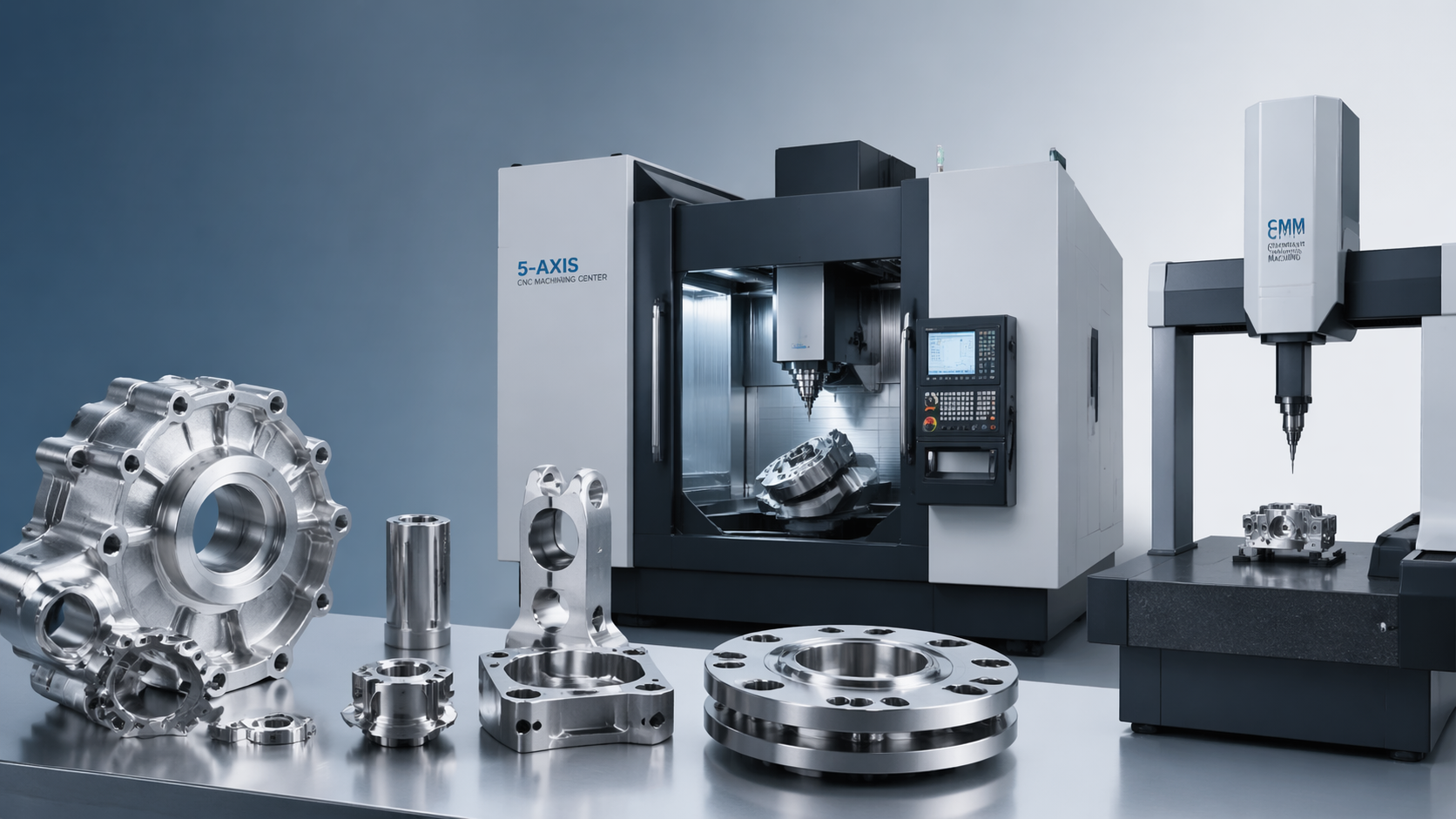
Sourcing reliable CNC machining parts OEM partners in 2026 is no longer a simple price comparison exercise. For industrial buyers, operators, and decision-makers, the real challenge is finding suppliers that can consistently deliver precision, compliance, documentation, and supply continuity at scale. If you are comparing a CNC machining supplier with an investment casting manufacturer, precision die casting parts source, or sheet metal fabrication partner, the right OEM choice depends on part complexity, tolerance demands, material performance, lifecycle cost, and the supplier’s ability to control quality from prototype through repeat production.
This guide explains what buyers should evaluate first, how to reduce sourcing risk, which capabilities matter most in 2026, and how to tell whether a CNC machining parts OEM is truly qualified for industrial applications.
What Buyers Really Need to Know Before Choosing a CNC Machining Parts OEM
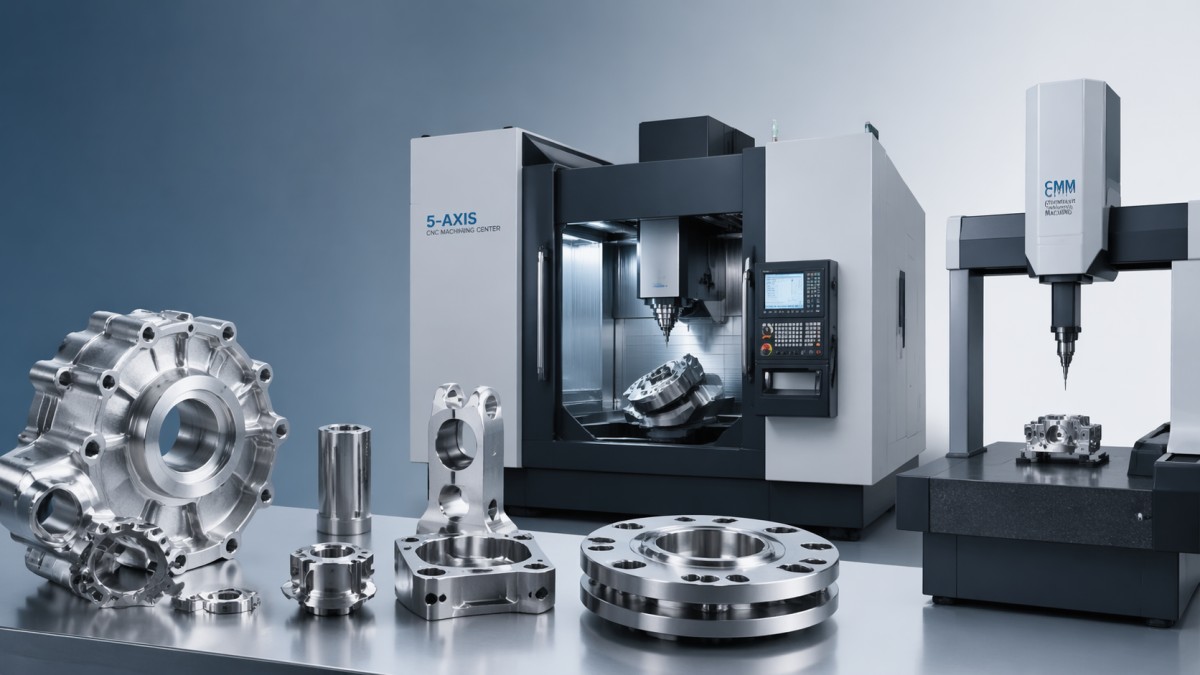
The core search intent behind “How to Source CNC Machining Parts OEM in 2026” is practical and commercial: buyers want a dependable method to identify qualified OEM suppliers, avoid quality failures, control cost, and ensure stable delivery. They are not looking for a basic definition of CNC machining. They want to know how to make a safer sourcing decision.
For most target readers, the biggest concerns are clear:
- Can this supplier meet drawing tolerances and material requirements consistently?
- Do they have documented quality systems and traceability?
- Can they support prototypes, engineering changes, and volume production?
- Are they competitive on total cost, not just unit price?
- What happens if demand changes, logistics tighten, or a quality issue appears?
In 2026, the strongest OEM partners are usually those that combine machining capability with process engineering, inspection discipline, material sourcing control, and transparent communication. A low quote without proven process control often creates higher downstream costs through scrap, delays, rework, warranty claims, and operational disruption.
How to Judge Whether CNC Machining Is the Right Process for Your Part
Before selecting an OEM, buyers should first confirm whether CNC machining is actually the most suitable production method. This is especially important when evaluating alternatives such as investment casting, precision die casting parts, or sheet metal fabrication.
CNC machining is typically the better choice when your part requires:
- Tight tolerances and high dimensional repeatability
- Complex geometries that need multi-axis machining
- High-performance metals or engineering plastics
- Low-to-medium production volumes
- Fast prototyping or frequent engineering revisions
- Excellent surface finish or critical mating features
However, machining may not always be the lowest-cost route. For example:
- An investment casting manufacturer may be more cost-effective for complex metal shapes at higher volume with moderate machining after-casting.
- Precision die casting parts may offer lower unit costs for large-volume production where tooling investment is justified.
- Sheet metal fabrication is often better for enclosures, brackets, cabinets, and formed structures rather than solid machined parts.
A capable OEM should not simply accept your RFQ. They should also advise whether your part should remain fully machined or shift to a hybrid route such as casting plus finish machining. That kind of engineering feedback is often a sign of a mature supplier rather than a quotation-only vendor.
What Capabilities a Reliable OEM Supplier Should Have in 2026
In 2026, a trustworthy CNC machining parts OEM should be evaluated on capability depth, not just machine count. Buyers should look for evidence that the supplier can control the full production chain.
Key capabilities include:
- Multi-axis machining: 3-axis, 4-axis, and 5-axis capacity based on your part geometry
- Material range: aluminum, stainless steel, carbon steel, brass, copper, titanium, engineering plastics, and customer-specified grades
- Tolerance control: demonstrated ability to achieve and verify required dimensions
- Inspection systems: CMM, vision systems, hardness testing, surface roughness measurement, and gauge management
- Secondary operations: deburring, polishing, anodizing, plating, coating, heat treatment, marking, and assembly
- Documentation: material certificates, inspection reports, FAI, PPAP-style documentation where needed, and batch traceability
- Engineering support: DFM feedback, tolerance optimization, fixture planning, and cost-down suggestions
For industrial and infrastructure-related applications, documentation quality matters almost as much as machining quality. A supplier that produces acceptable parts but cannot provide traceability, revision control, or certification support may still be too risky for regulated or high-liability environments.
Which Supplier Qualification Criteria Matter Most for Procurement Teams
Procurement teams should create a qualification framework that goes beyond pricing. The goal is to validate whether a supplier can be trusted over time.
The most important qualification areas are:
- Quality management system
Look for ISO 9001 as a baseline. Depending on the application, additional controls or sector-specific quality disciplines may be needed. - Manufacturing fit
A supplier may be good at small precision parts but unsuitable for larger structural components or high-mix production. - Process stability
Ask about in-process inspection, first article control, preventive maintenance, and nonconformance handling. - Supply chain resilience
Can they secure stable raw material supply? Do they have backup planning for equipment downtime or subcontracted finishing? - Communication quality
Slow, vague, or inconsistent technical communication is often an early warning signal. - Commercial reliability
Review Incoterms, lead times, payment terms, tooling ownership, capacity commitments, and warranty response.
For enterprise decision-makers, supplier concentration risk also matters. If one OEM is your single source for a critical machined component, you should understand their contingency planning, financial stability, and export/logistics exposure.
How to Compare CNC Machining Suppliers Without Being Misled by Low Quotes
The cheapest quote is frequently not the lowest total cost. When sourcing CNC machining parts OEM services, buyers should compare quotations across five layers:
- Machining scope: Are all operations included, or are some left vague?
- Material basis: Is the exact grade specified, or only a generic substitute?
- Inspection scope: Is full dimensional reporting included where required?
- Finishing and secondary processes: Are outsourced treatments controlled and certified?
- Packaging and logistics: Is export-safe packing included, especially for cosmetic or precision surfaces?
Common reasons low quotes become expensive later include material substitutions, under-scoped finishing, weak inspection, unrealistic cycle assumptions, and hidden charges after order confirmation. A reliable OEM quote should be detailed, structured, and technically aligned with your drawing package.
A good practice is to compare suppliers using a weighted scorecard, for example:
- 30% quality and compliance
- 25% technical capability
- 20% total cost
- 15% delivery reliability
- 10% communication and support
This helps procurement teams avoid overvaluing price and undervaluing execution risk.
What Technical Information You Should Send in an RFQ
Many sourcing failures begin with incomplete RFQ packages. If suppliers are quoting from partial information, your pricing and delivery expectations may be inaccurate from the start.
A strong RFQ for CNC machining parts OEM sourcing should include:
- 2D drawings with tolerances, GD&T where applicable, and revision status
- 3D files in agreed formats
- Material specifications and approved substitutes, if allowed
- Surface finish requirements
- Heat treatment, coating, plating, or anodizing specifications
- Critical-to-function dimensions
- Inspection and documentation requirements
- Annual volume forecast and lot size expectations
- Packaging requirements
- Destination market and compliance needs
Buyers should also identify which dimensions are critical and which tolerances may be negotiable. This gives capable suppliers an opportunity to suggest manufacturability improvements and cost reductions without sacrificing function.
How to Reduce Quality Risk Before Approving a New OEM
Before committing to full production, buyers should validate the supplier through a staged approval process. This is especially important for industrial parts that affect system reliability, safety, sealing, alignment, or wear performance.
A practical risk-reduction sequence includes:
- Supplier audit: Remote or on-site review of equipment, quality controls, and workflow
- Sample order: Trial parts based on production-intent process, not bench-made samples
- First article inspection: Formal dimensional verification against drawing requirements
- Material and process validation: Review certs, heat treatment records, and finishing documentation
- Pilot batch: Small production run to evaluate consistency, packaging, and lead time performance
- Corrective action responsiveness: Assess how the supplier handles issues and root-cause analysis
For buyers in regulated, infrastructure, or mission-critical sectors, this staged approach is usually more valuable than moving too quickly to save a few weeks in initial sourcing.
What 2026 Sourcing Trends Are Changing OEM Selection
Several market shifts are reshaping how buyers select CNC machining suppliers in 2026.
First, resilience is now a core sourcing metric. Buyers increasingly favor suppliers that can demonstrate stable raw material channels, digital production visibility, and stronger continuity planning.
Second, traceability expectations are rising. More OEM customers want documented process records, serialized or batch-linked production data, and better inspection transparency.
Third, supplier consolidation is growing. Buyers often prefer partners that can combine CNC machining with assembly, finishing, sheet metal fabrication, or cast-and-machine capabilities to reduce handoffs and simplify vendor management.
Fourth, engineering collaboration is becoming a differentiator. The best suppliers are not just job shops; they act as technical partners that improve designs for manufacturability, cost, and consistency.
Fifth, global buyers are watching geopolitical and logistics exposure more closely. Dual sourcing, regional balancing, and safety stock planning now play a larger role in OEM strategy.
When to Choose a CNC Machining OEM Over Casting or Fabrication Partners
If you are evaluating multiple process routes, use the following general decision logic:
- Choose a CNC machining parts OEM when precision, flexibility, and material performance matter most.
- Choose an investment casting manufacturer when you need complex geometries in metal and can justify lower machining content over volume.
- Choose a precision die casting parts supplier when volume is high, repeatability is important, and tooling amortization supports lower unit cost.
- Choose sheet metal fabrication when your design is fundamentally based on cutting, bending, welding, or enclosure construction.
In many industrial programs, the best answer is not one process alone. Hybrid sourcing is common. For example, near-net casting plus finish machining may reduce cost, while fabricated structures may incorporate machined interfaces or bearing seats. The right OEM partner should understand where machining adds value and where it adds unnecessary cost.
A Practical Checklist for Selecting the Right OEM Supplier
Before awarding business, buyers can use this short checklist:
- Does the supplier have proven experience with similar parts and materials?
- Can they explain how they will hold your critical tolerances?
- Are quality systems, inspection tools, and traceability documented?
- Is the quotation technically complete and commercially clear?
- Can they support required finishes, certifications, and packaging?
- Have they demonstrated sample-to-batch consistency?
- Is communication fast, precise, and engineering-aware?
- Do they offer realistic lead times with contingency planning?
- Do they help improve manufacturability instead of only taking orders?
If the answer to several of these questions is unclear, the supplier is probably not ready for critical OEM work.
Conclusion
To source CNC machining parts OEM successfully in 2026, buyers need to focus on capability verification, documentation discipline, total cost, and supply reliability—not just the initial quote. The best suppliers are those that can consistently machine to specification, communicate clearly, support compliance needs, and help customers make better process decisions across machining, casting, and fabrication options.
For procurement teams, engineers, and business leaders, the safest path is to treat OEM selection as a risk-management decision as much as a purchasing decision. A qualified CNC machining partner can improve product performance, reduce sourcing friction, and strengthen long-term operational resilience. A poorly chosen one can do the opposite, no matter how attractive the price looks at first.
Expert Insights

Chief Security Architect
Dr. Thorne specializes in the intersection of structural engineering and digital resilience. He has advised three G7 governments on industrial infrastructure security.
Related Analysis
Core Sector // 01
Security & Safety
- How to Source CNC Machining Parts OEM in 2026Author :Precision Metrology Expert

- Tungsten Carbide Inserts: When to Replace ThemAuthor :Precision Metrology Expert

- China Launches World’s Largest Agri-Meteorological Observation NetworkAuthor :Precision Metrology Expert
![]()
- China's Industrial Sensor Exports Rise 17.3% YoY in Q1 2026Author :Precision Metrology Expert
![]()
- How to Choose a Total Station in 2026Author :Precision Metrology Expert

- Auto Level Instruments vs Rotary LasersAuthor :Precision Metrology Expert

- GNSS RTK Receiver: Who Needs ItAuthor :Precision Metrology Expert

- Wholesale Moisture Meters Buying GuideAuthor :Precision Metrology Expert