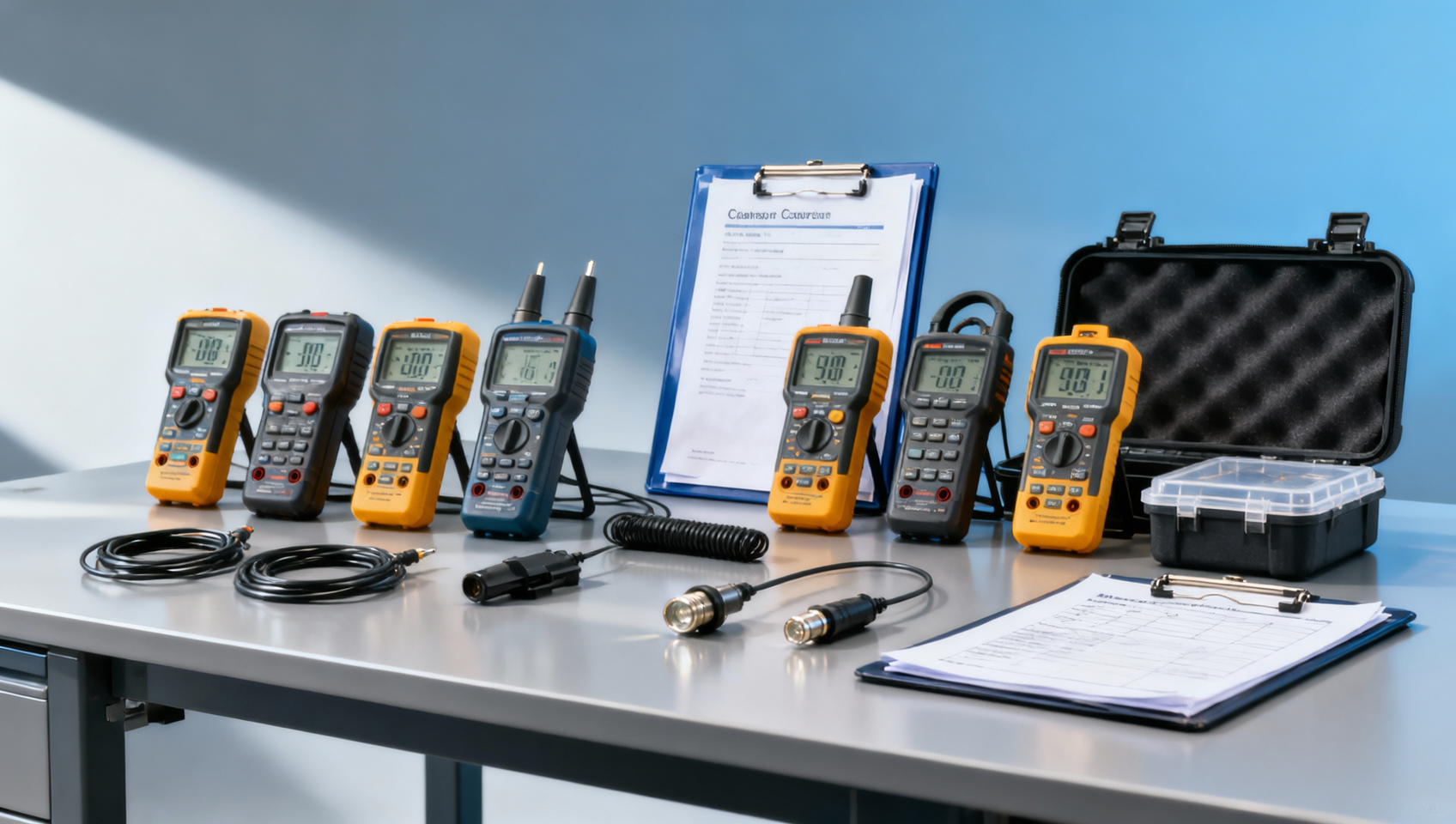
Wholesale Moisture Meters Buying Guide
Author
Date Published
Reading Time
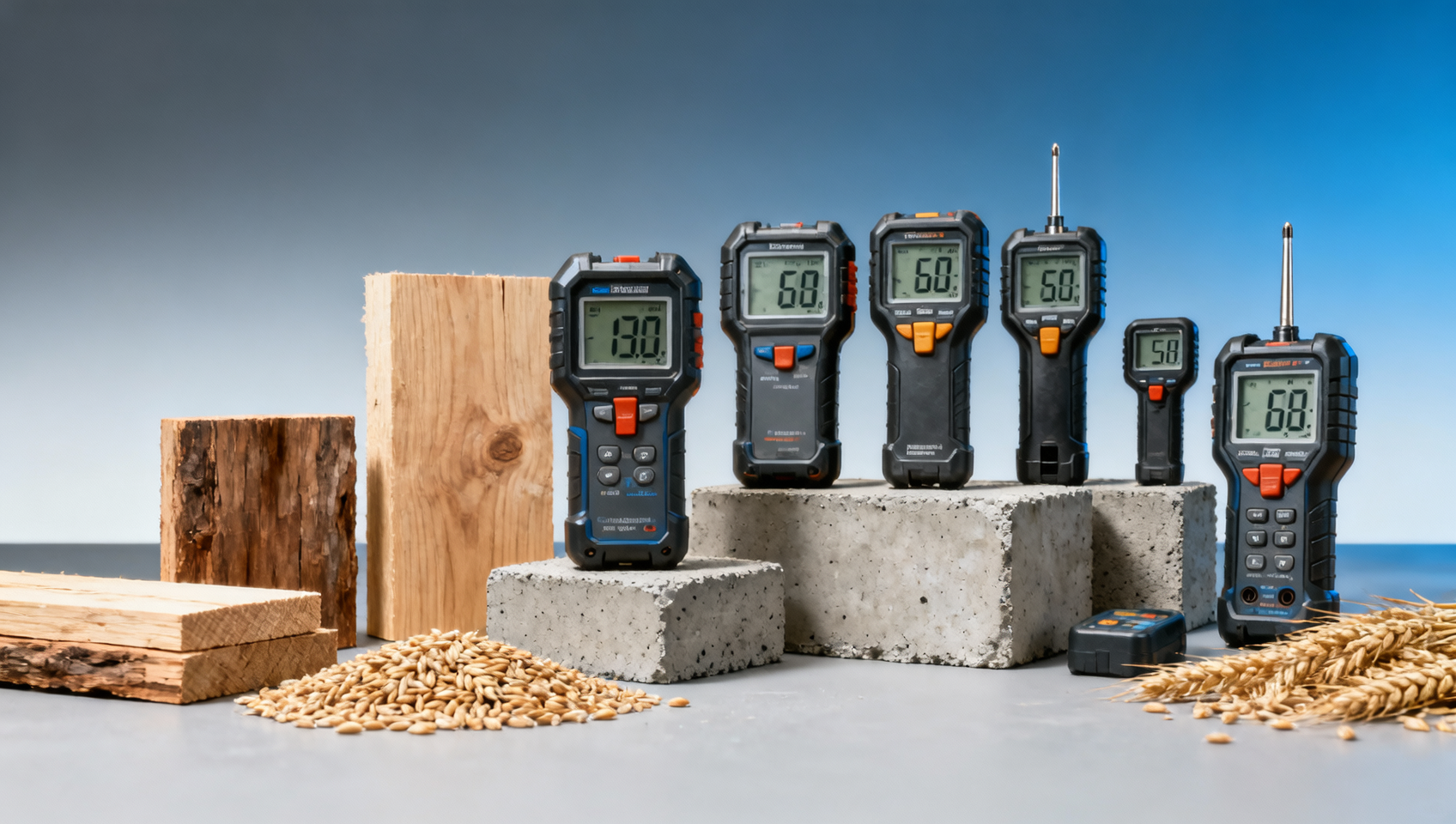
Choosing wholesale moisture meters is not just about finding the lowest unit price. For procurement teams, operators, and industrial decision-makers, the right choice depends on three things: whether the meter matches the material and environment, whether its accuracy is reliable enough for the job, and whether the supplier can support quality consistency at scale. If you are sourcing for wood, concrete, agriculture, construction, manufacturing, or facility maintenance, the best buying decision usually comes from evaluating application fit, measurement method, calibration support, durability, compliance, and total supply reliability together.
This guide explains how to compare wholesale moisture meters for bulk purchasing, what specifications actually matter, where buyers often make mistakes, and how related tools such as a wood moisture tester may fit into a broader testing program. The goal is to help information researchers, users, buyers, and business leaders make practical, lower-risk sourcing decisions.
What buyers are really searching for when comparing wholesale moisture meters
Most buyers searching for a wholesale moisture meters buying guide are not looking for a basic definition of moisture measurement. They usually want to answer practical questions such as:
- Which type of moisture meter is right for my materials and industry?
- How accurate does the meter need to be for my use case?
- What specifications matter in real purchasing decisions?
- How do I compare suppliers beyond catalog claims?
- What certifications, calibration, and quality controls should I ask for?
- How can I reduce returns, bad readings, and operational risk in bulk orders?
For enterprise buyers especially, the decision is rarely about one device. It is about building a repeatable measurement capability across sites, operators, and environments. That is why application fit, standardization, training, and after-sales support often matter more than headline features alone.
Start with application fit, not price
The most common purchasing mistake is treating all moisture meters as interchangeable. They are not. Moisture measurement performance depends heavily on the target material, operating environment, and required decision threshold.
Before requesting quotes, buyers should define the following:
- Material to be tested: wood, paper, grain, soil, concrete, textiles, powders, or industrial raw materials
- Measurement objective: quality control, incoming inspection, production monitoring, drying verification, storage protection, or maintenance diagnostics
- Required accuracy: screening-level, process-control level, or compliance-critical level
- Testing environment: indoor, field, warehouse, construction site, high humidity, dusty area, or extreme temperatures
- Operator profile: trained technicians, general operators, inspectors, or end customers
- Procurement scale: pilot quantity, distributor bulk order, or enterprise multi-site deployment
If the meter does not match the material and workflow, even a well-built device can produce poor business outcomes. For example, a meter suitable for wood may not be appropriate for concrete, and a low-cost pin-type device may be impractical for teams that need fast, non-destructive surface scanning.
Choose the right moisture meter type for the job
Wholesale buyers typically compare several major meter categories. Understanding where each one performs best helps narrow sourcing options quickly.
Pin-type moisture meters
These meters use electrodes that penetrate the material and measure electrical resistance.
Best for: wood, lumber, boards, some building materials
Advantages:
- Often good for deeper point-specific readings
- Widely used in wood processing and inspection
- Commonly lower cost than advanced non-invasive models
Limitations:
- Leaves small holes in the material
- Requires proper pin contact and operator technique
- Can be slower for scanning large surfaces
Pinless moisture meters
These use electromagnetic or capacitance-based methods to estimate moisture without penetrating the surface.
Best for: flooring, finished wood, wall inspection, rapid screening, larger surfaces
Advantages:
- Non-destructive measurement
- Faster scanning across wider areas
- Useful where surface appearance matters
Limitations:
- May be influenced by density, thickness, coatings, or substrate conditions
- Can require careful interpretation versus direct-contact methods
Concrete moisture meters and related building diagnostics tools
Concrete moisture evaluation often needs a more specialized approach. Some handheld meters are used for preliminary assessment, but critical flooring or coating decisions may also require methods aligned with jobsite standards and deeper moisture verification protocols.
Buyer takeaway: If sourcing for construction or flooring workflows, do not assume a general moisture meter alone is sufficient. Ask whether the device is meant for screening, documentation, or standard-based verification.
Specialized material moisture meters
For grain, cotton, paper, textiles, chemicals, or industrial powders, many buyers need application-specific meters with pre-programmed material settings.
Buyer takeaway: In these cases, a generic product may create inaccurate readings and user frustration. Material calibration libraries become a critical purchasing factor.
Which specifications actually matter in wholesale purchasing?
Bulk buyers often receive datasheets filled with technical claims, but only a subset of specifications usually drives purchasing success.
1. Accuracy and repeatability
Accuracy matters, but repeatability is equally important. A meter that gives consistent readings under the same conditions is more useful operationally than one with vague accuracy claims.
Ask suppliers:
- What is the stated accuracy range?
- Under what material and temperature conditions was that accuracy established?
- Is repeatability data available?
- Are there calibration reference blocks or verification tools?
2. Measurement range
A broad range sounds attractive, but your real concern is whether the meter performs well in the moisture band relevant to your process. For example, wood product buyers may care more about performance within practical storage and installation ranges than theoretical extremes.
3. Material settings and species correction
This is especially important for any wood moisture tester purchase. Different wood species have different properties, and meters with species correction tables or built-in settings are often more useful for commercial use.
4. Depth of measurement
Not all readings reflect the same depth. This affects inspection reliability, particularly when surface conditions differ from internal conditions.
5. Temperature compensation
Environmental changes can influence readings. If products will be used in varying climates, warehouses, outdoor sites, or production areas, temperature compensation or clear correction guidance becomes valuable.
6. Display, usability, and data handling
For operators, interface quality matters. For managers, data handling matters. Evaluate:
- Clear digital display
- Backlight for low-light environments
- Alarm thresholds
- Data logging
- Bluetooth or app connectivity
- Export functions for QA records
7. Ruggedness and ingress protection
Industrial and field environments can be hard on handheld devices. Ask about impact resistance, housing quality, battery life, and if relevant, IP ratings for dust or moisture exposure.
How to evaluate supplier quality beyond the product catalog
In wholesale sourcing, the product is only part of the risk profile. Supplier capability often determines whether the bulk purchase succeeds.
Key supplier evaluation points include:
- Manufacturing consistency: Can the supplier maintain the same quality across production batches?
- Calibration and QC process: Is there documented outgoing inspection?
- Certification support: Can they provide CE, RoHS, ISO-related documentation, and other market-specific files where applicable?
- OEM/ODM capability: Can they customize branding, packaging, firmware, manuals, or accessories?
- Lead time stability: Can they support predictable replenishment?
- After-sales support: Do they offer technical responses, troubleshooting, replacement handling, and training materials?
- Sample policy: Can buyers test units before committing to full volume?
For importers, distributors, and enterprise procurement teams, one of the best ways to reduce risk is to run a structured sample evaluation before placing a larger order. This should include not just device testing, but also packaging inspection, manual clarity, accessory completeness, and carton consistency.
Questions procurement teams should ask before placing a bulk order
A strong RFQ or supplier interview can uncover problems early. Consider asking the following:
- Which materials and use cases is this moisture meter designed for?
- What is the recommended calibration or verification schedule?
- What test standards or internal validation methods support the accuracy claim?
- What is the acceptable product tolerance between units in the same batch?
- What accessories are included: pins, probes, caps, carry case, batteries, reference block?
- What is the warranty period and failure replacement policy?
- Can user manuals and labels be localized for target export markets?
- Are spare parts or consumables available long term?
- Can the meter be supplied with compliance documents required by our market?
These questions are especially important when comparing suppliers that appear similar on price. Very often, the lowest-quoted option carries hidden costs in support, inconsistency, or returns.
Common buying mistakes and how to avoid them
Many sourcing issues come from avoidable mismatches between product claims and field use.
Buying a general-purpose meter for a specialized application
If your use case involves species-specific wood measurement, concrete flooring decisions, grain storage, or industrial process control, a generic handheld unit may not deliver reliable value.
Comparing only by unit price
A low purchase price can be offset by operator confusion, slower workflow, high complaint rates, recalibration issues, and poor durability.
Ignoring operator experience
If the meter is hard to use, readings become inconsistent. Ease of use should be part of the buying decision, not an afterthought.
Skipping validation tests
Before a volume order, test sample units under actual site conditions. Lab claims alone do not fully reflect field performance.
Not defining acceptance criteria
Set measurable purchasing standards in advance, such as acceptable reading variance, accessory completeness, packaging quality, and documentation requirements.
When a wood moisture tester is the right wholesale choice
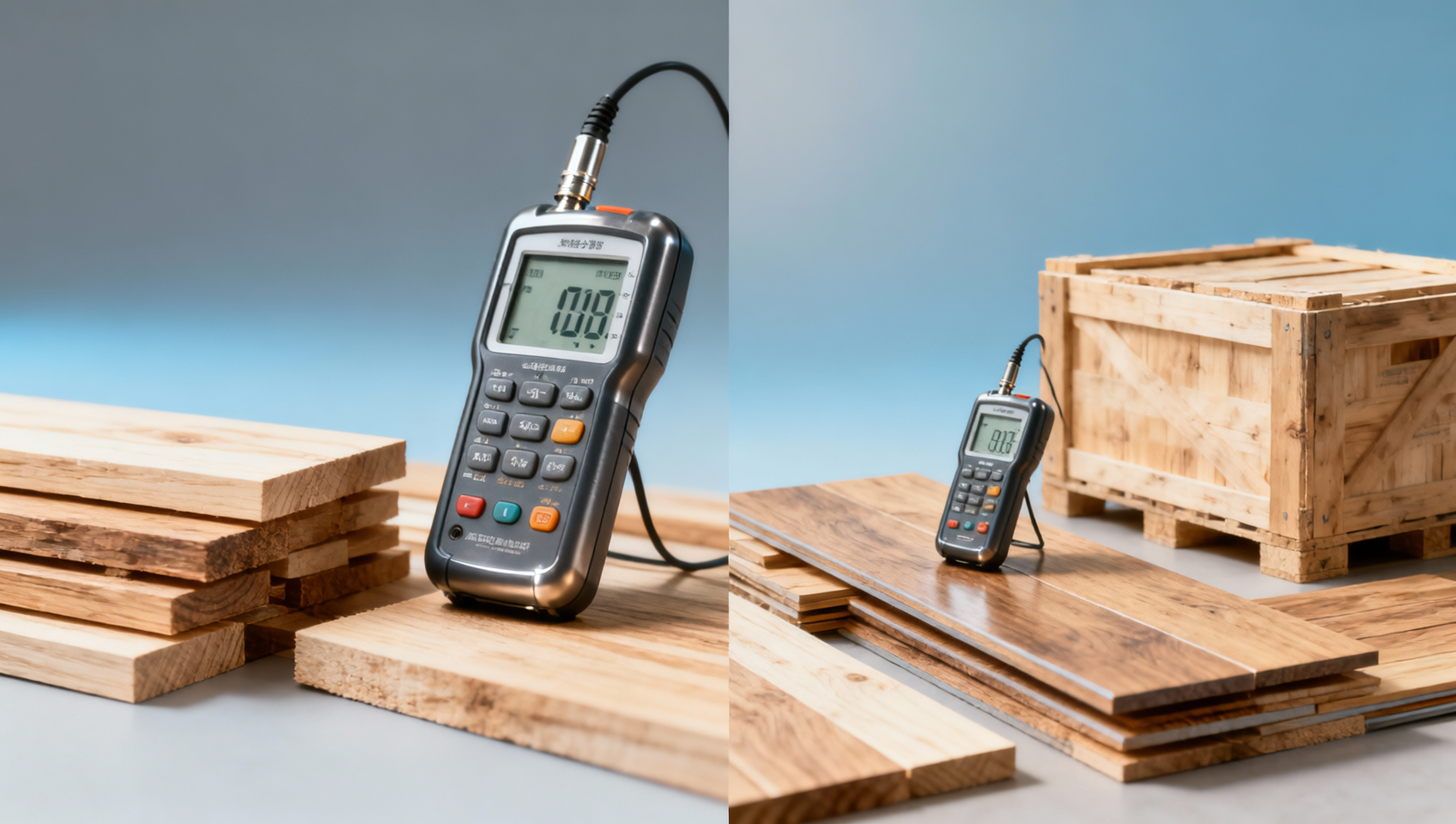
Among the most common sourcing needs is the wood moisture tester. This is especially relevant for lumber yards, furniture manufacturing, flooring distribution, woodworking operations, and building inspection teams.
A wholesale wood moisture tester purchase makes sense when buyers need:
- Fast inspection of incoming wood materials
- Moisture control before machining, finishing, or installation
- Field checks for flooring and furniture applications
- Multiple devices for distributed operator teams
- Private label or branded tools for resale channels
For this category, buyers should prioritize:
- Species correction options
- Pin or pinless selection based on damage tolerance and workflow speed
- Stable readings in common commercial moisture ranges
- Durable probe design and replacement availability
- Clear user guidance for installers and inspectors
If the target customer base includes contractors or inspectors, usability and trust in readings may be more commercially important than adding advanced but rarely used features.
How enterprise buyers should think about ROI
For business decision-makers, moisture meters are not just handheld tools. They influence quality assurance, material waste, rework rates, installation failures, and customer claims.
A better wholesale decision can improve ROI through:
- Reduced material rejection or spoilage
- Fewer moisture-related installation failures
- Faster inspection and receiving processes
- More consistent operator decisions across sites
- Lower return rates for distributors and resellers
- Stronger customer confidence in measured results
In many cases, the best-value meter is not the cheapest model, but the one that minimizes downstream operational cost and reputational risk.
A practical wholesale moisture meter selection checklist
Before final supplier selection, use this checklist:
- Application and material clearly defined
- Correct meter type shortlisted
- Accuracy and repeatability claims reviewed
- Material settings or species settings confirmed
- Measurement depth and environmental limitations understood
- Compliance and documentation availability checked
- Sample testing completed under real conditions
- Packaging, manuals, and accessories verified
- Warranty and after-sales terms compared
- Lead time and batch consistency assessed
- Total cost of ownership, not just unit price, evaluated
Conclusion
The best approach to buying wholesale moisture meters is to start with the real job the device must perform, then evaluate technical fit, operator usability, supplier reliability, and long-term business value together. Buyers who focus only on catalog specs or unit cost often miss the factors that actually determine field success.
Whether you are sourcing a general moisture meter, a specialized industrial device, or a wood moisture tester for commercial use, the smartest decision comes from aligning the tool with the material, the environment, and the operational risk involved. A well-chosen meter supports better quality control, fewer failures, and more confident procurement at scale.
Expert Insights

Chief Security Architect
Dr. Thorne specializes in the intersection of structural engineering and digital resilience. He has advised three G7 governments on industrial infrastructure security.
Related Analysis
Core Sector // 01
Security & Safety
- How to Choose a Total Station in 2026Author :Precision Metrology Expert

- Auto Level Instruments vs Rotary LasersAuthor :Precision Metrology Expert

- GNSS RTK Receiver: Who Needs ItAuthor :Precision Metrology Expert

- Wholesale Moisture Meters Buying GuideAuthor :Precision Metrology Expert

- Wood Moisture Tester for Daily ChecksAuthor :Precision Metrology Expert

- Concrete Test Hammer Accuracy TipsAuthor :Precision Metrology Expert

- Anemometers Wholesale for Field WorkAuthor :Precision Metrology Expert

- Lux Meters Bulk Buying MistakesAuthor :Precision Metrology Expert