Continuous Emission Monitoring CEMS: Data Gaps That Raise Risk
Author
Date Published
Reading Time
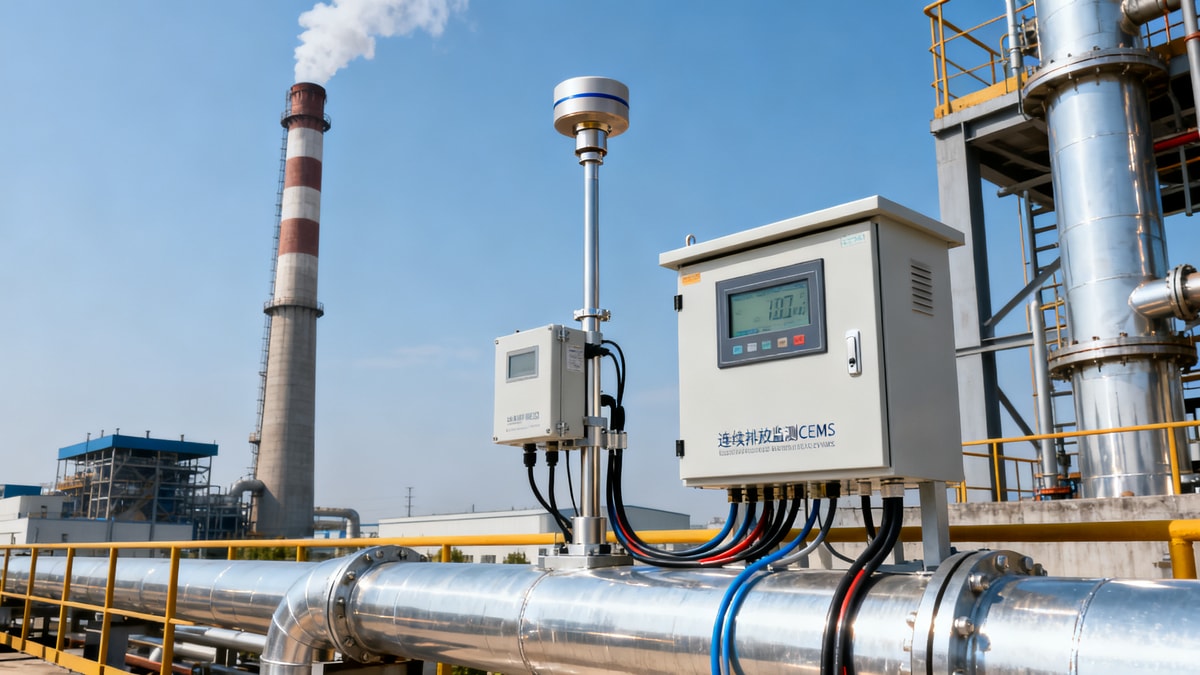
Continuous emission monitoring CEMS can strengthen compliance, but even small data gaps may expose operations to audit findings, safety concerns, and costly reporting errors. For quality control and safety managers, the real issue is not whether a monitoring system is installed, but whether the data stream is complete, defensible, and usable when regulators, internal auditors, or incident investigators ask hard questions. In most facilities, data gaps are not isolated technical glitches. They are risk signals that often point to weaknesses in maintenance planning, calibration discipline, alarm response, documentation, or system integration.
The core search intent behind continuous emission monitoring CEMS in this context is practical risk control. Readers want to know which data gaps matter most, why they happen, how they affect compliance and plant credibility, and what actions can reduce exposure before a minor loss of signal turns into a reportable problem. For quality and safety teams, the value lies in identifying blind spots early, setting response thresholds, and building a monitoring process that stands up under regulatory review.
Why CEMS data gaps are more than a technical nuisance
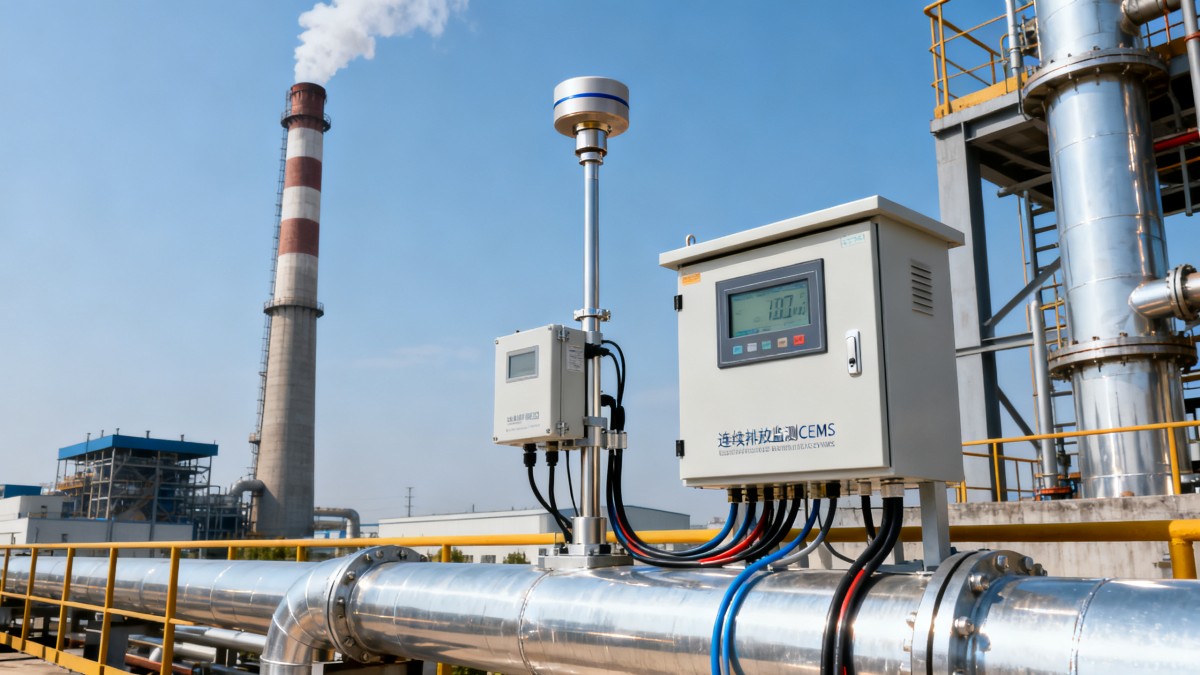
For many industrial sites, CEMS is treated as a compliance instrument first and an operational intelligence tool second. That is understandable, but incomplete. A gap in emissions data does not simply create a blank line in a report. It can disrupt emissions calculations, compromise trend analysis, weaken root-cause investigations, and raise doubts about whether a facility truly understands its environmental performance.
From a quality control perspective, incomplete data undermines confidence in process stability. If emissions readings disappear during startup, fuel transitions, upset conditions, or maintenance events, the missing period may coincide with the moments that matter most. Safety managers face a similar problem. A missing signal can obscure whether an abnormal event was isolated, escalating, or already affecting downstream systems.
Regulators and auditors also tend to focus less on whether gaps ever occur and more on how often they occur, how long they last, what caused them, and whether the facility can prove it responded appropriately. A plant with occasional, well-documented interruptions may remain credible. A plant with repeated unexplained outages, inconsistent substitutions, or poor maintenance records may face much tougher scrutiny.
Where the highest-risk data gaps usually come from
Most serious CEMS data gaps do not arise from one dramatic failure. They usually come from ordinary breakdowns in routine control. Understanding these sources helps quality and safety managers prioritize action where it will reduce the most risk.
Analyzer downtime is one of the most visible causes. Gas analyzers, opacity monitors, flow sensors, and sample conditioning equipment can fail because of contamination, moisture, line blockages, temperature instability, or aging components. In harsh industrial environments, even a well-specified system can degrade quickly if preventive maintenance is weak.
Calibration and quality assurance interruptions also create exposure. Zero and span checks, linearity tests, cylinder changes, and routine QA procedures are necessary, but if they are poorly scheduled or not clearly distinguished in data records, they may produce confusion about which readings are valid and which are not. Facilities sometimes have the technical records but lack the reporting discipline to defend them.
Power loss and communication failures are another major source. The analyzer may still be functioning locally while the data historian, PLC, DAHS, or reporting layer stops capturing or transmitting information. This is particularly dangerous because teams may assume the system is healthy until report generation reveals missing records.
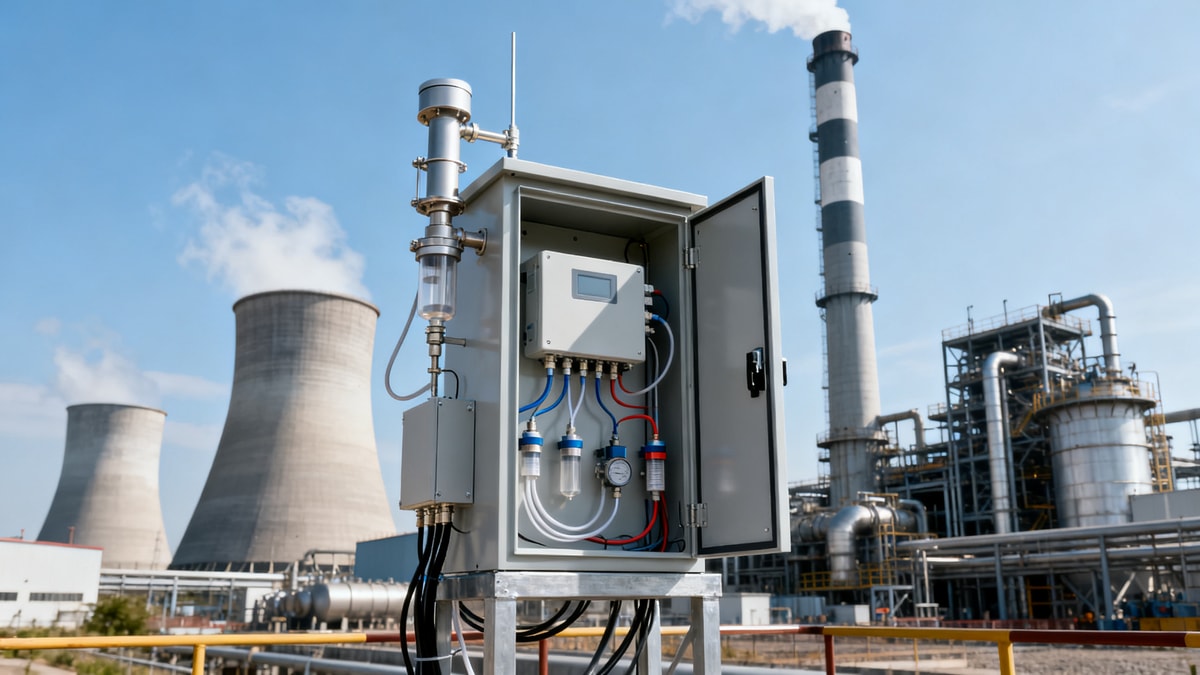
Sampling system problems often create subtle data loss before a full failure occurs. Heated line issues, condensate buildup, filter blockage, or probe fouling can distort readings intermittently. These cases are especially risky because they may not look like obvious outages. Instead, they can produce unstable or biased values that are harder to detect than a complete loss of signal.
Human factors remain a frequent contributor. Maintenance may be delayed, alarms may be acknowledged without escalation, bypasses may stay in place longer than intended, or log entries may be incomplete. When responsibilities between operations, EHS, instrumentation, and quality teams are not clearly defined, a small issue can persist across shifts without decisive ownership.
What quality control and safety managers should watch first
If resources are limited, do not start with a broad attempt to optimize every part of the CEMS program at once. Start with the conditions that create the greatest compliance and operational risk.
First, identify when data gaps happen. A short outage during stable low-load operation is not the same as a gap during startup, shutdown, combustion instability, raw material changeover, or abatement equipment upset. Timing matters because missing emissions data during high-variability periods is much harder to explain and often more material to compliance decisions.
Second, assess duration and frequency. Repeated five-minute gaps may be more concerning than a single planned one-hour maintenance event if they indicate an unresolved control issue. Pattern recognition is critical. Quality teams should look for recurring outages by asset, shift, environmental condition, or operating mode.
Third, distinguish between true missing data and unreliable data. A flatlined signal, implausibly stable reading, or sudden unexplained drift may be just as dangerous as a blank record. A system that appears online but is producing compromised measurements can create false confidence and poor reporting decisions.
Fourth, review documentation quality. In many audits, the issue is not only the gap itself but whether the plant can show a complete chain of evidence: alarm time, operator response, maintenance action, validation method, substitute data approach if allowed, and final closure. Weak documentation magnifies the risk of every interruption.
How data gaps turn into compliance, safety, and business risk
Facilities sometimes underestimate the secondary effects of CEMS issues because the primary problem seems small. In practice, data gaps can create several layers of exposure at once.
Compliance risk is the most obvious. Missing or questionable emissions records may trigger deviation reports, invalid averages, excess emission event complications, or challenges during permit review. Depending on jurisdiction and permit conditions, the use of substitute data may be limited, formula-driven, or subject to strict documentation requirements.
Operational risk follows closely behind. If emissions monitoring is used to infer combustion quality, process balance, or pollution control performance, missing readings reduce the plant’s ability to detect deterioration early. A monitor outage may conceal a developing problem in burners, scrubbers, baghouses, reagent systems, or fuel quality.
Safety risk emerges when data gaps overlap with upset conditions. During abnormal operations, teams need reliable information to decide whether to continue, reduce load, isolate equipment, or shut down. While CEMS is not the only safety input, compromised visibility can weaken situational awareness during events where every signal matters.
Reputational and financial risk should not be ignored. Environmental reporting errors can affect community trust, customer expectations, investor reviews, and internal ESG reporting. For global industrial operators, repeated data integrity questions may also influence procurement qualification, insurance perception, and broader governance assessments.
How to investigate a CEMS data gap without missing the real cause
When a gap occurs, many teams focus only on restoring the signal. Restoration is necessary, but not enough. A useful investigation should determine whether the gap came from equipment failure, integration weakness, procedural error, or an unresolved process condition.
Start by building a clear event timeline. When did the signal first become questionable? Which alarm came first? Was the analyzer offline, or did the communication path fail later? Did any process changes occur at the same time, such as load swings, fuel changes, maintenance isolation, or utility instability?
Next, separate the system into layers: sensing, sample extraction, conditioning, analysis, signal transmission, data acquisition, and reporting. This prevents teams from blaming the analyzer when the real issue sits in a network device, historian interface, or reporting configuration.
Then compare the suspect period with adjacent process indicators. Stack temperature, flow, oxygen, pressure, reagent consumption, fuel feed, and control valve behavior may reveal whether the emissions signal failure coincided with a genuine process disturbance. This distinction is essential because some data gaps are symptoms, not root causes.
Finally, verify closure rigorously. Do not reopen normal status simply because readings have reappeared. Confirm stability, calibration acceptance, data validity, and record completeness. A poorly closed event can later become an audit issue even if the instrument appears healthy again.
Practical controls that reduce CEMS data-gap risk
For most facilities, the best improvement strategy is not a major redesign but a disciplined control framework. Quality control and safety managers can often reduce risk significantly through better prioritization, ownership, and verification.
Build a gap-risk matrix. Rank emission points by regulatory sensitivity, operating criticality, historical downtime, and consequence of missing data. This helps direct maintenance and redundancy budgets toward the assets where failure is least tolerable.
Define response windows clearly. Operators, maintenance technicians, and EHS staff should know exactly what happens when a monitor goes bad: who is notified, how quickly diagnosis begins, what temporary actions are allowed, and who approves data classification. Ambiguity wastes the first hours of an event.
Trend leading indicators, not only failures. Monitor calibration drift, sample line temperature variation, analyzer shelter conditions, filter replacement frequency, communication retries, and alarm recurrence. Leading indicators often reveal degradation long before reportable downtime appears.
Strengthen maintenance around vulnerability points. In many systems, reliability problems are concentrated in probes, filters, heated lines, pumps, moisture handling, and interface hardware rather than the analyzer core. A targeted maintenance strategy often delivers better results than generic PM routines.
Test your data path end to end. A healthy instrument does not guarantee a complete record. Conduct periodic verification from sensor output to final report generation. This is especially important after software updates, network changes, DAHS modifications, or integration work involving third-party vendors.
Standardize event documentation. Use a structured form for all CEMS interruptions that captures start time, detection method, operating condition, preliminary cause, action taken, data treatment, verification results, and final sign-off. Standardization improves both audit readiness and internal learning.
How to judge whether your current CEMS program is defensible
A defensible program is not one with zero interruptions. It is one that can prove control. Quality and safety managers should ask a few direct questions.
Can the team quickly quantify monitor availability by source, period, and cause category? Can it identify the top recurring failure modes without manual data reconstruction? Are alarms meaningful and acted on consistently? Is there a documented distinction between out-of-control data, maintenance data, invalid data, and valid substitute methods where regulations allow them?
Also ask whether the organization can explain the business impact of gaps, not just the technical details. Senior leadership may respond faster when shown that a recurring CEMS issue threatens permit confidence, incident investigation quality, production continuity, or customer-facing environmental claims.
If the answer to these questions is weak, the problem is usually not just instrumentation. It is governance. Strong CEMS performance depends on alignment between operations, maintenance, environmental compliance, quality assurance, and site leadership.
Conclusion: in CEMS, data integrity is operational integrity
Continuous emission monitoring CEMS is valuable only when its data is complete, credible, and actionable. For quality control and safety managers, data gaps should be treated as early warnings of broader system weakness, not as isolated reporting inconveniences. The most important step is to move from reactive repair to structured risk management: know where gaps occur, understand why they recur, document every event clearly, and prioritize controls around the periods and assets that matter most.
When a facility can demonstrate that its CEMS program detects problems early, responds consistently, preserves defensible records, and supports better operational decisions, it does more than satisfy compliance expectations. It protects plant performance, strengthens environmental credibility, and reduces the chance that a small blind spot becomes a costly operational failure.
Technical Specifications
- India BIS Draft IS 17832:2026 Sets Noise & Dust Limits for Waste CrushersAuthor :Environmental Engineering Director
- Korea MFDS Mandates Korean UI & KOSHA OEL Database for Industrial Water AnalyzersAuthor :Precision Metrology Expert
- Indonesia BPOM Mandates PM0.1 Efficiency & CADR Decay Labeling for Industrial Air PurifiersAuthor :Environmental Engineering Director
Expert Insights

Chief Security Architect
Dr. Thorne specializes in the intersection of structural engineering and digital resilience. He has advised three G7 governments on industrial infrastructure security.
Related Analysis
- May 03, 2026India BIS Draft IS 17832:2026 Sets Noise & Dust Limits for Waste CrushersAuthor :Environmental Engineering Director
- May 03, 2026Korea MFDS Mandates Korean UI & KOSHA OEL Database for Industrial Water AnalyzersAuthor :Precision Metrology Expert
- May 03, 2026Indonesia BPOM Mandates PM0.1 Efficiency & CADR Decay Labeling for Industrial Air PurifiersAuthor :Environmental Engineering Director
Core Sector // 01
Security & Safety
- Global Industrial Laser Distance Meter Price Index Up 9.3% WeeklyAuthor :Precision Metrology Expert

- Noise Monitoring Terminal Data Looks Normal, but Is It Trustworthy?Author :Precision Metrology Expert

- Stack Gas Analyzer Calibration Issues That Lead to Bad DecisionsAuthor :Precision Metrology Expert

- Portable Water Testing Kits: What Field Errors Skew Results?Author :Precision Metrology Expert

- Continuous Emission Monitoring CEMS: Data Gaps That Raise RiskAuthor :Precision Metrology Expert

- Gold Wash Plant Equipment That Cuts Recovery LossesAuthor :Precision Metrology Expert

- KC Certification Update: Industrial Laser Dust Meters Require Class II Div 2 Explosion-Proof HousingAuthor :Precision Metrology Expert

- ESMA Mandates EN 14181 QA/QC Level 3 for Industrial Water Sensors in UAEAuthor :Precision Metrology Expert