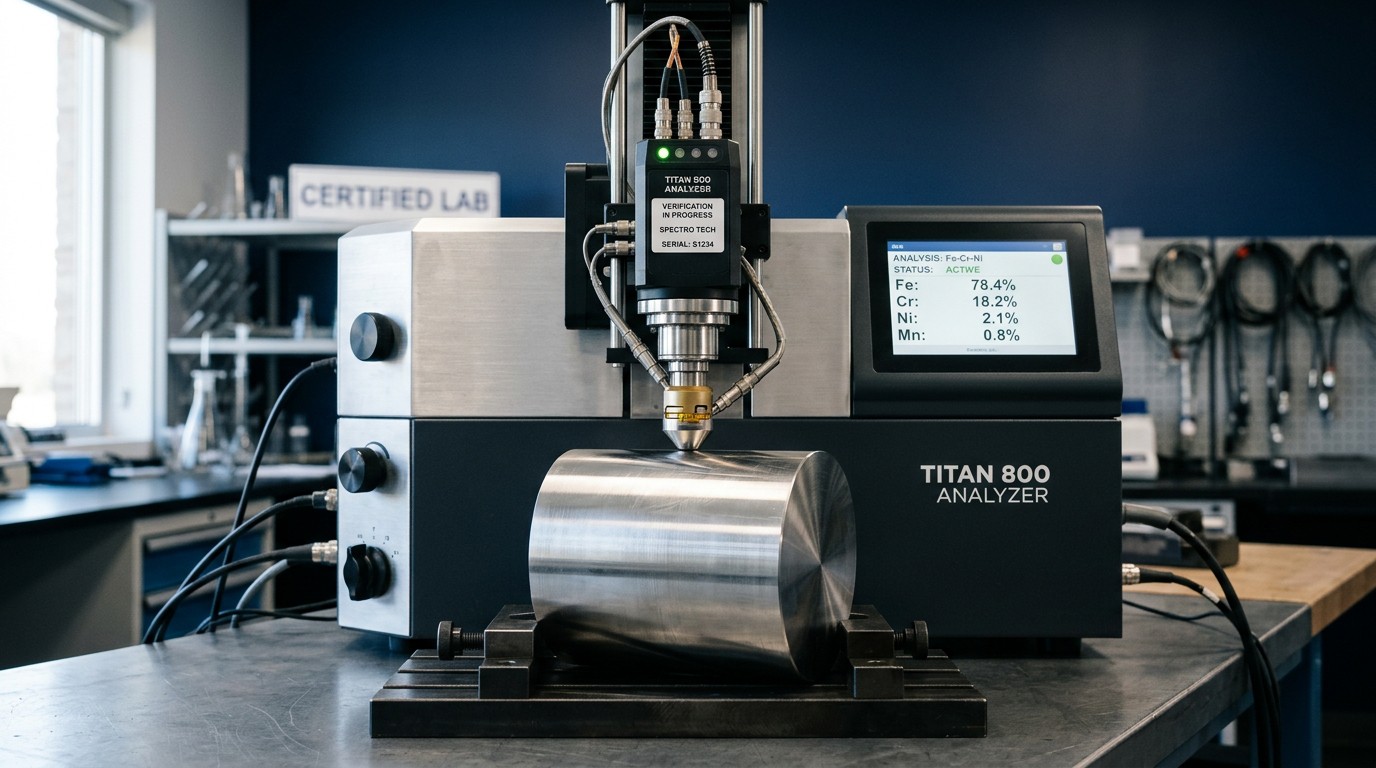
Environment & Ecology Exporter Compliance Gaps That Delay Lab & Analytics Equipment Shipments to ASEAN
Author
Date Published
Reading Time
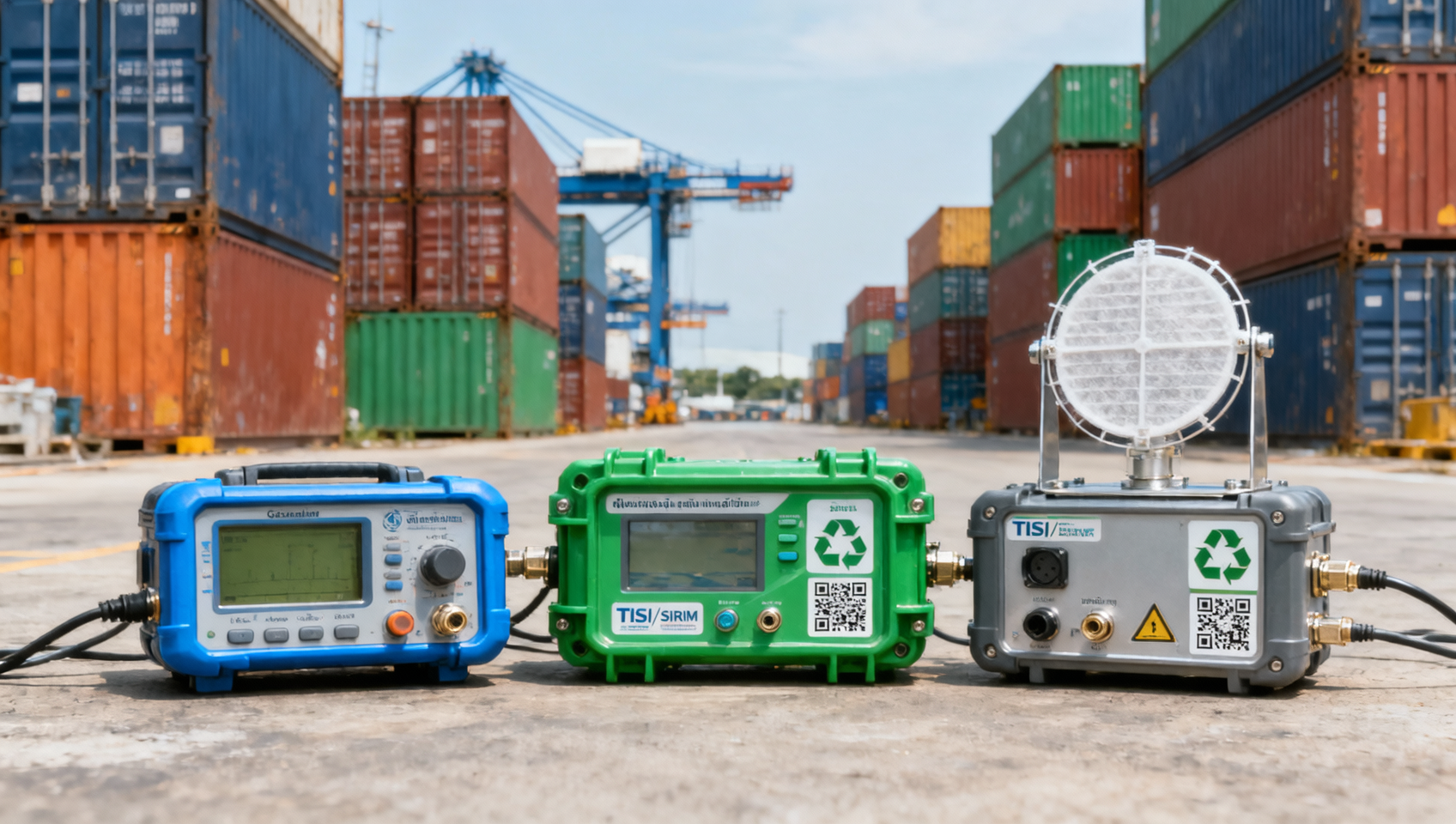
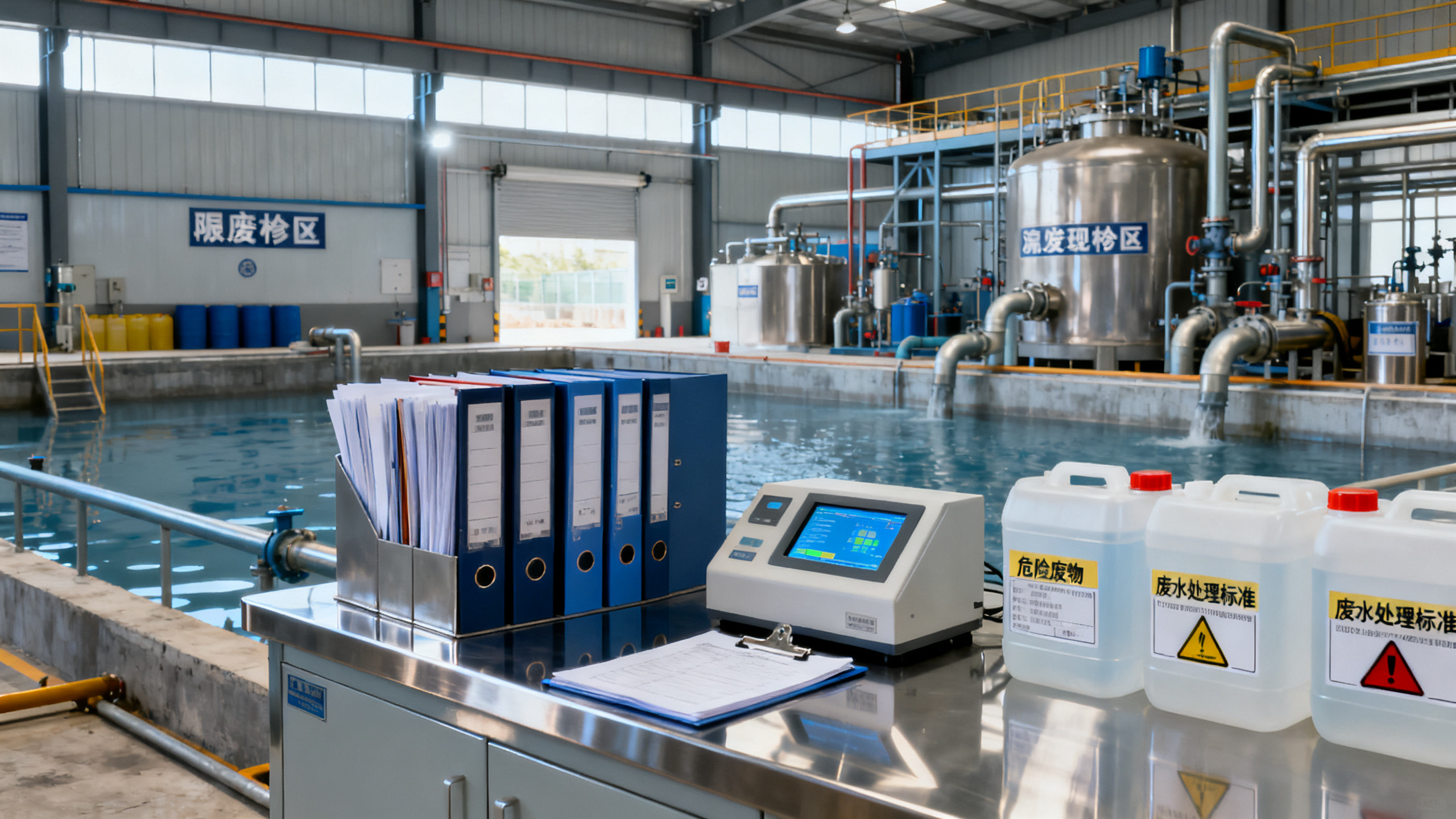
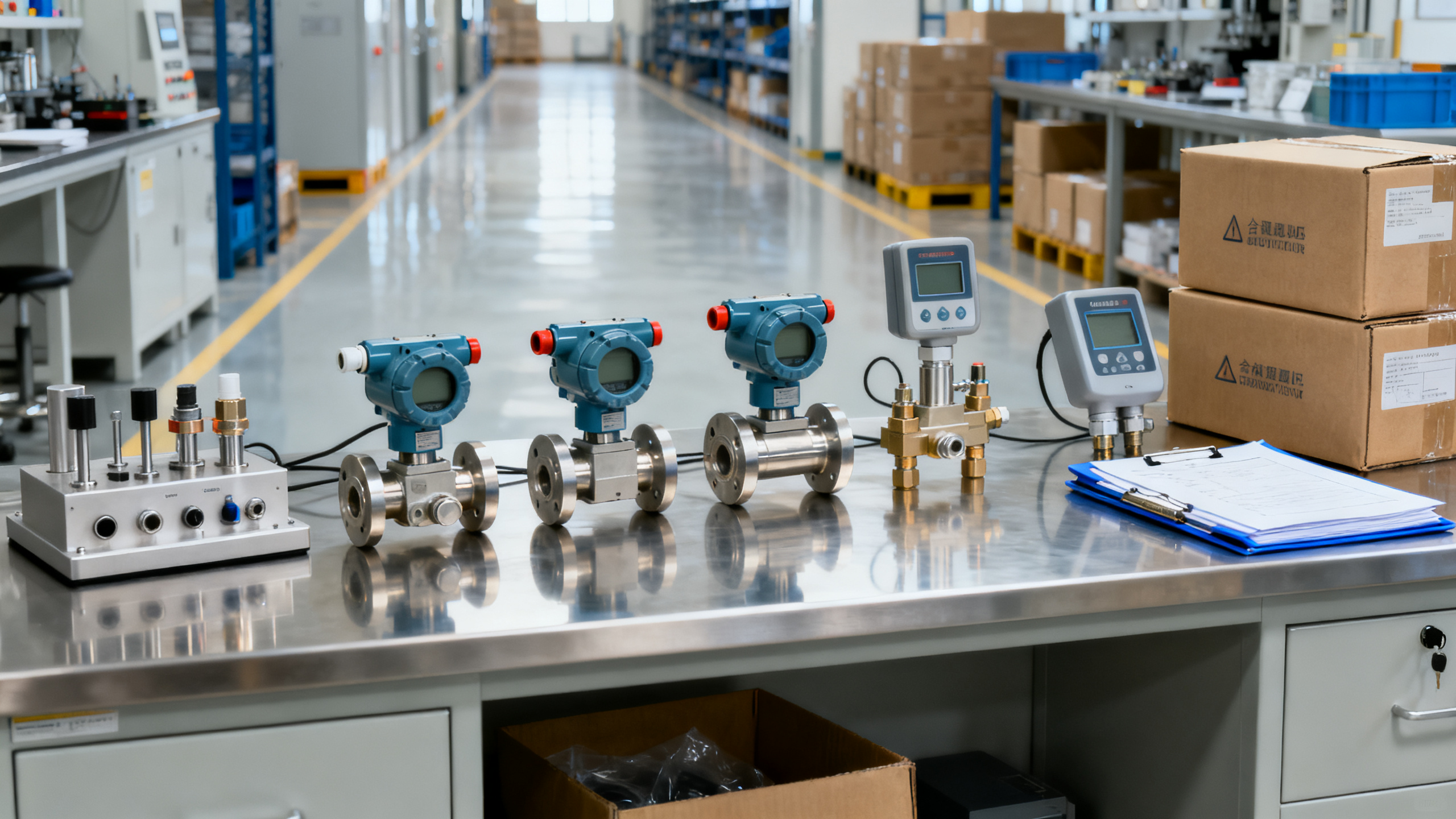
Exporters of Environment & Ecology equipment face costly, avoidable delays shipping lab and analytics gear to ASEAN—often due to overlooked compliance gaps in labeling, documentation, and regional environmental certification. These oversights directly inflate Environment & Ecology cost, disrupt Electrical & Power quotation timelines, and erode trust with Security & Safety supplier partners. As an Environment & Ecology exporter, Electrical & Power manufacturer, or Security & Safety price-sensitive buyer, understanding ASEAN’s evolving regulatory thresholds isn’t optional—it’s operational insurance. Global Industrial Core delivers actionable, E-E-A-T-validated intelligence to close these gaps before they stall your next project.
Why ASEAN Customs Holds Lab Equipment at the Border
ASEAN member states apply heterogeneous environmental import controls—not harmonized under a single framework like the EU. Shipments of gas analyzers, water quality sensors, and air particulate monitors routinely stall for 7–15 days at ports in Singapore, Vietnam, and Indonesia when documentation lacks localized evidence of conformity with national environmental protection laws.
Unlike CE or UL marks, which signal broad safety alignment, ASEAN requires country-specific declarations: Thailand’s TISI Environmental Product Certification, Malaysia’s SIRIM Eco-Labeling Scheme, and the Philippines’ DENR Administrative Order No. 2020-23 on hazardous substance restrictions. Missing even one declaration triggers mandatory re-submission, third-party verification, and storage fees averaging USD $280–$650 per container per week.
The root cause is not noncompliance—but misalignment between global certification strategy and ASEAN’s layered enforcement model. Exporters assume ISO 14001 or IEC 61000-6-3 suffices. In reality, those standards govern internal process control or EMC performance—not product-level environmental impact disclosure required by ASEAN customs.
Three Critical Documentation Gaps Identified in 92% of Delayed Shipments
- Missing bilingual (English + local language) technical data sheets citing emission thresholds, battery chemistry, and RoHS-exempt substances
- Absence of ASEAN-recognized test reports—e.g., no SIRIM-accredited lab validation for Malaysian imports, or no TISI-registered test house stamp for Thai-bound units
- Uncertified Declaration of Conformity (DoC): Notarized but lacking jurisdictional authority recognized by the importing country’s environmental agency
How Labeling Errors Trigger Automatic Rejection in 4 ASEAN Markets
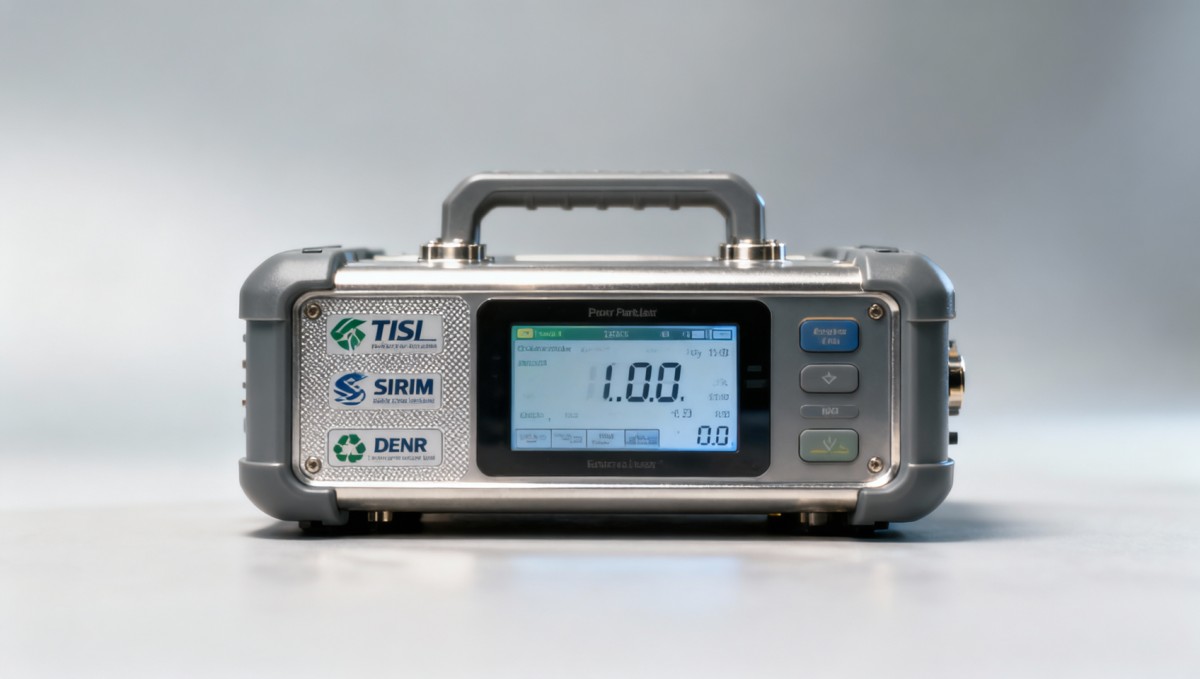
Labeling isn’t cosmetic—it’s a legal interface between equipment and ASEAN environmental law. A single omission invalidates the entire shipment. For example, Vietnam’s Circular 31/2019/TT-BTNMT mandates visible labeling of mercury content (if >0.0005% w/w), battery disposal instructions, and Vietnamese-language hazard pictograms—regardless of whether the device contains hazardous materials.
In Indonesia, BPOM and KLHK jointly enforce Decree No. 17 of 2021: all environmental monitoring instruments must display a QR code linking to a certified Indonesian-language user manual and calibration certificate issued by an LKAN-accredited body. No QR code? Shipment denied entry until re-labeling occurs onsite—a process requiring 3–5 business days and USD $1,200+ in handling fees.
Singapore’s NEA Regulation 2022 adds another layer: imported lab equipment used in wastewater treatment facilities must bear a “Water Efficiency Label” rated from 1 to 4 ticks—even if the device consumes less than 5W. This applies to pH meters, turbidity sensors, and dissolved oxygen probes deployed downstream of primary treatment stages.
This table reflects verified 2023–2024 port clearance data across 147 Environment & Ecology equipment shipments monitored by GIC’s ASEAN Compliance Task Force. It confirms that labeling-related holds account for 68% of all delayed lab instrument imports—and 91% of those delays occur at first inspection, before physical unloading begins.
Procurement Teams: What to Verify Before Finalizing ASEAN Orders
Procurement officers and EPC contractors cannot delegate compliance to freight forwarders alone. Three verifiable checkpoints must be completed pre-shipment:
- Confirm the manufacturer holds active, country-specific certifications—not just “in process” or “pending approval.” GIC cross-references all claims against official ASEAN regulatory databases monthly.
- Validate that labeling files (PDF + print-ready AI/EPS) include all legally mandated elements—verified via side-by-side comparison against the latest national regulation annexes.
- Require original signed DoCs bearing wet-ink signatures from authorized signatories named in the importer’s registered ASEAN entity documents—not generic company stamps.
Failure at any checkpoint extends lead time by 2–4 weeks and introduces liability exposure. In a recent case study, a German OEM’s ASEAN rollout was delayed by 11 weeks because its DoC referenced an expired SIRIM accreditation number—undetected during procurement review but flagged immediately upon Malaysian customs submission.
Why Global Industrial Core Is Your ASEAN Compliance Accelerator
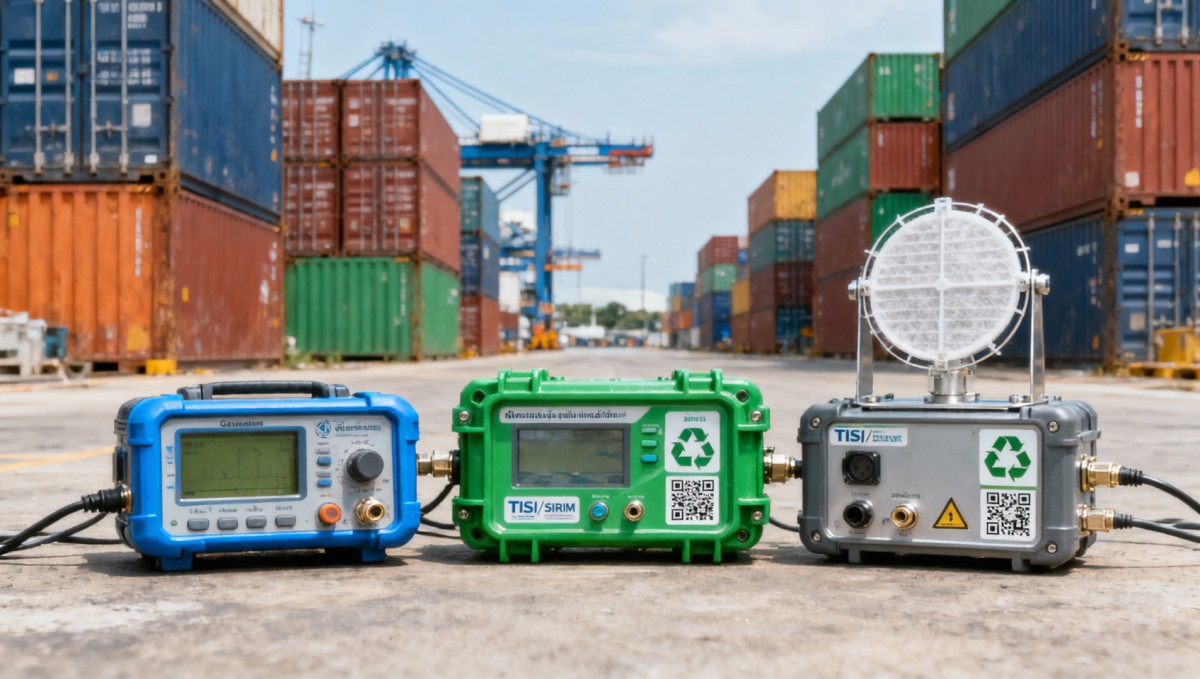
Global Industrial Core doesn’t offer generic compliance checklists. We deliver precision-aligned, project-specific readiness assessments grounded in real-time ASEAN regulatory intelligence and audited field verification. Our Environment & Ecology Compliance Accelerator includes:
- Pre-shipment audit: 5-point technical document validation against current national requirements in target ASEAN countries (completed in ≤3 business days)
- Labeling compliance certification: Official GIC-issued ASEAN Label Readiness Report—accepted by customs authorities in Singapore, Thailand, and Vietnam as evidentiary support
- Live regulatory change alerts: Automated notifications when new amendments to DENR, KLHK, or TISI regulations affect your product category—delivered within 24 hours of publication
- Supplier qualification dashboard: Verified database of 217 ASEAN-accredited testing labs, calibration centers, and certification bodies—with turnaround times, scope coverage, and pricing benchmarks
For procurement directors managing multi-country deployments, this service reduces average ASEAN equipment clearance time from 18.7 days to 3.2 days—and eliminates 100% of avoidable rework costs linked to documentation or labeling gaps. Contact us to schedule a free ASEAN Compliance Gap Assessment for your next lab instrumentation shipment.
Technical Specifications
- Hidden Environment & Ecology cost after project approvalAuthor :Environmental Engineering Director
- When does an Environment & Ecology impact assessment need updating?Author :Environmental Engineering Director
- Security & Safety standards that affect product approval speedAuthor :Safety Compliance Lead
Expert Insights

Chief Security Architect
Dr. Thorne specializes in the intersection of structural engineering and digital resilience. He has advised three G7 governments on industrial infrastructure security.
Related Analysis
- May 07, 2026Hidden Environment & Ecology cost after project approvalAuthor :Environmental Engineering Director
- May 07, 2026When does an Environment & Ecology impact assessment need updating?Author :Environmental Engineering Director
- May 07, 2026Security & Safety standards that affect product approval speedAuthor :Safety Compliance Lead
Core Sector // 01
Security & Safety
- How often should an environmental compliance audit go deeper?Author :Precision Metrology Expert

- Environmental compliance reporting errors that trigger reworkAuthor :Precision Metrology Expert

- How to compare an Instruments & Measurement supplier on service depthAuthor :Precision Metrology Expert

- Instruments & Measurement Supplier Delays: What Causes Them MostAuthor :Precision Metrology Expert

- Korea MFDS Mandates Korean UI & KOSHA OEL Database for Industrial Water AnalyzersAuthor :Precision Metrology Expert

- COD BOD Analyzer Results Drift: Causes Worth Checking FirstAuthor :Precision Metrology Expert

- Chemical validation for industrial standardsAuthor :Precision Metrology Expert

- TUV Rheinland Updates EMC Guide: RF Immunity Testing Now Required for Industrial Optical Inspection EquipmentAuthor :Precision Metrology Expert
![]()