How often should an environmental compliance audit go deeper?
Author
Date Published
Reading Time
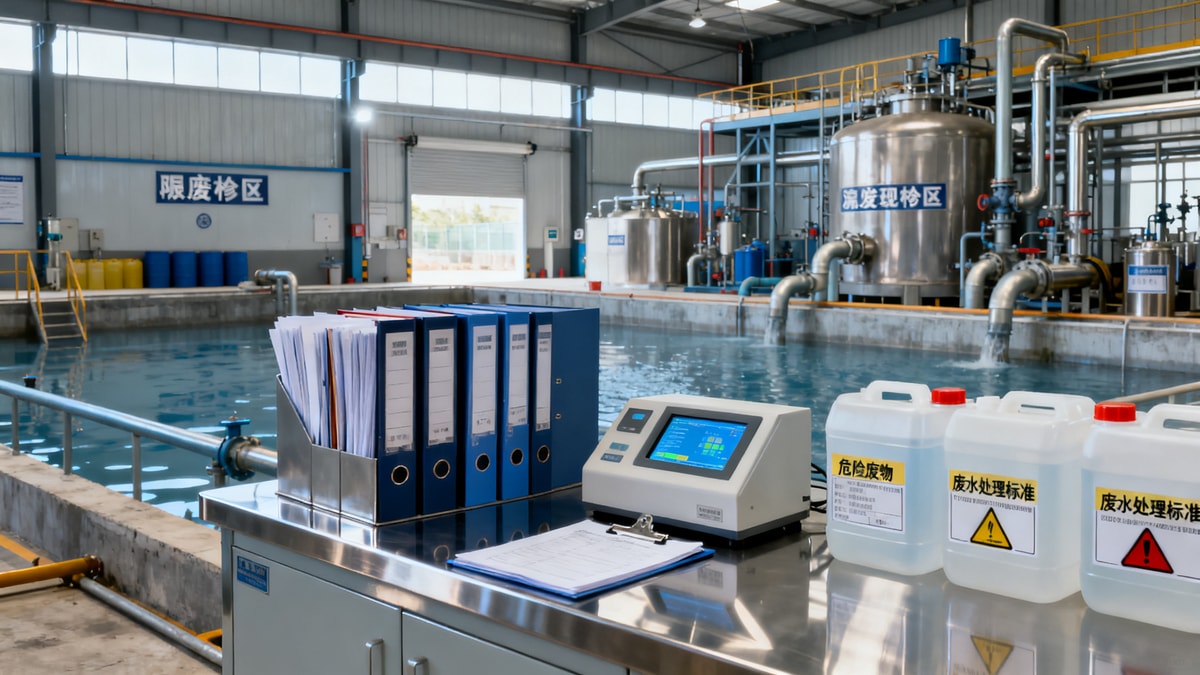
How often should an environmental compliance audit go deeper? For business decision-makers, the answer depends on operational risk, regulatory exposure, and the complexity of site activities. A well-timed environmental compliance audit can do more than confirm compliance—it can uncover hidden liabilities, strengthen governance, and protect long-term business continuity in an increasingly scrutinized industrial landscape.
What does it mean for an environmental compliance audit to “go deeper”?
A routine environmental compliance audit usually checks whether permits, records, operating procedures, inspections, and reporting obligations are in place. A deeper environmental compliance audit goes beyond this surface verification. It tests whether controls work in practice, whether site conditions match written procedures, whether emissions and waste streams are fully characterized, and whether management systems can withstand regulatory scrutiny.
For decision-makers, this distinction matters. A facility may appear compliant on paper while still carrying serious exposure: incomplete hazardous waste labeling, outdated stormwater controls, undocumented changes in production inputs, or gaps between contractor activity and permit conditions. A deeper audit often includes field observations, interviews across departments, trend analysis, sampling reviews, permit interpretation, and root-cause testing of recurring findings.
In practical terms, going deeper is appropriate when leaders need assurance, not just confirmation. It is especially relevant in heavy industry, manufacturing, energy-intensive operations, logistics hubs, and multi-site organizations where environmental risk can affect uptime, insurance, financing, public reputation, and market access.
How often should an environmental compliance audit go deeper in real business conditions?
There is no universal calendar that fits every company, but most organizations can use a risk-based rhythm. A standard environmental compliance audit may occur annually or semi-annually, while a deeper review is often triggered every 12 to 36 months depending on risk profile. High-risk sites may need a deeper audit every year. Lower-risk sites with stable operations and strong internal controls may only need one every two or three years.
A deeper environmental compliance audit should become more frequent when any of the following conditions exist:
- The site handles hazardous materials, wastewater, emissions sources, or regulated waste streams.
- Operations have expanded, changed processes, added equipment, or introduced new suppliers or raw materials.
- The company operates in multiple jurisdictions with overlapping permit obligations.
- There were recent violations, notices of concern, spills, complaints, or enforcement actions.
- Leadership is preparing for acquisition, refinancing, certification, or major customer due diligence.
If none of these apply, a deeper review can still be valuable on a rotating basis. Many mature companies schedule it strategically rather than reactively, because the cost of discovering a problem internally is far lower than discovering it during an inspection, transaction, or incident response.
Which sites or business models usually need a deeper audit sooner?
The need for a deeper environmental compliance audit rises with operational complexity. Facilities with combustion systems, plating lines, chemical storage, wastewater pretreatment, dust collection, coating operations, large fuel systems, or environmental monitoring obligations usually benefit from more rigorous review. The same is true for sites that rely heavily on contractors, temporary staffing, or decentralized maintenance practices, because environmental responsibility can become fragmented.
Business model also matters. A manufacturer exporting into tightly governed markets may face customer-level environmental expectations beyond minimum legal compliance. EPC contractors and asset operators can inherit risk through design assumptions, handover documentation, and third-party waste management practices. Facility managers in industrial parks often face shared infrastructure issues, such as drainage, storage, loading areas, and emergency coordination, that are easy to overlook in a basic audit.
Decision-makers should also pay attention to “quiet risk” sites. These are locations that have not had recent incidents and therefore receive less scrutiny, but that may contain aging equipment, legacy permits, or long-standing recordkeeping weaknesses. In many organizations, the deepest value comes from rechecking sites that appear stable but have not been challenged with a rigorous environmental compliance audit for several years.
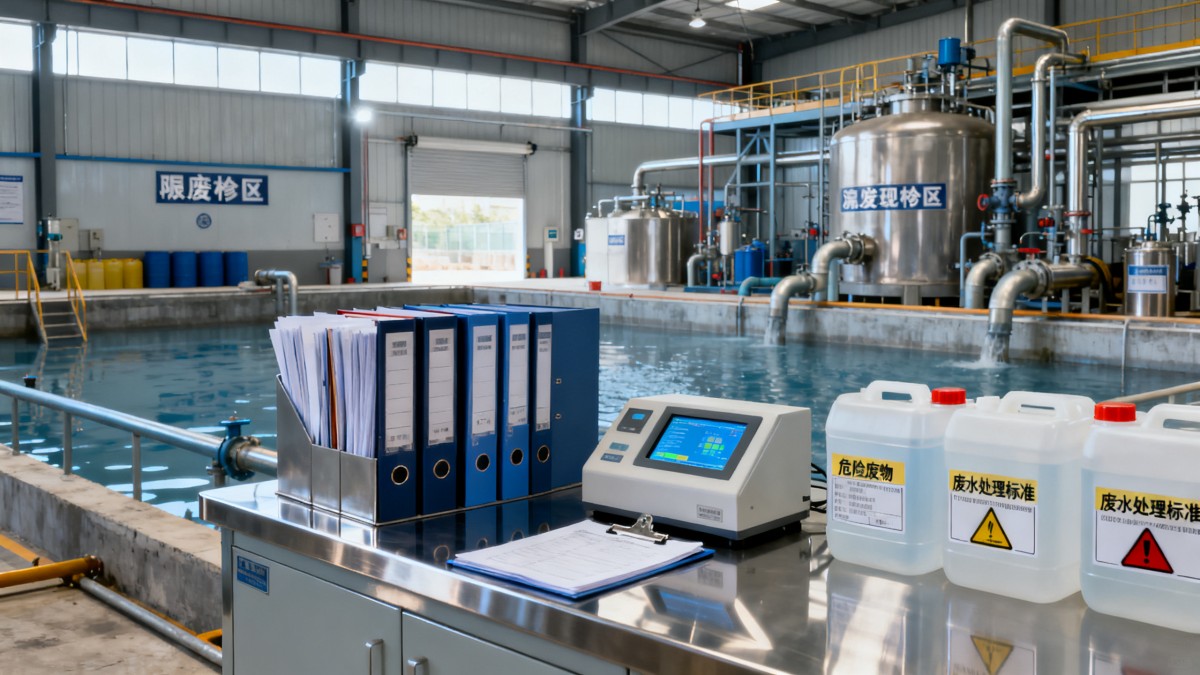
What signals tell leaders that a standard audit is no longer enough?
Several warning signs suggest the next environmental compliance audit should go deeper. One of the most common is repeated minor findings. When the same labeling issue, inspection gap, manifest error, or training lapse appears more than once, the problem is rarely isolated. It often points to weak ownership, poor system design, or inadequate supervision.
Another signal is inconsistency between departments. If EHS, operations, procurement, maintenance, and quality teams describe environmental responsibilities differently, leadership should assume that implementation varies on the ground. This is where a deeper environmental compliance audit helps map the real control environment rather than the intended one.
Executives should also escalate audit depth when documentation looks complete but performance data feels unclear. Examples include unexplained waste volume changes, rising disposal costs, variable sampling results, frequent bypass events, or unclear contractor accountability. These issues may not trigger immediate noncompliance, but they often reveal process drift that can become expensive later.
Finally, any planned transaction or board-level review is a strong trigger. Investors, lenders, insurers, and strategic buyers increasingly examine environmental governance as part of operational resilience. A deeper audit before external due diligence can identify legacy issues, reserve exposures, and remediation priorities on your own terms.
How can companies decide the right depth and timing without over-auditing?
The best approach is to align audit depth with risk, consequence, and business value. Not every site needs the same audit scope every year. A sensible audit strategy separates low-risk verification from deep-dive assessment and uses a tiered model across the portfolio.
A useful decision framework is summarized below:
This approach controls cost while improving assurance. It also helps procurement directors, facility managers, and corporate EHS leaders justify audit budgets in terms that boards understand: risk prioritization, compliance confidence, and operational continuity.
What are the most common mistakes companies make when planning an environmental compliance audit?
One frequent mistake is treating the environmental compliance audit as a documentation exercise only. Documents matter, but regulators and counterparties increasingly want evidence that controls operate in reality. If the audit never tests field practice, storage conditions, equipment status, contractor behavior, or exception handling, the review may miss the issues that lead to fines or incidents.
Another mistake is using a fixed annual checklist regardless of change. Operations evolve faster than audit templates. New raw materials, equipment modifications, product shifts, or local rule changes can make last year’s checklist incomplete. A deeper audit should be dynamic, not merely repetitive.
Companies also underestimate data quality risk. Waste coding, sampling logs, calibration records, storage dates, inspection frequencies, and contractor manifests may appear administrative, but these details often determine whether compliance can be defended. Weak data discipline can transform a manageable issue into a credibility problem during inspection.
A final mistake is delaying deeper review until after a trigger event. By then, management has fewer options. Preventive depth is almost always cheaper than reactive correction, especially when production downtime, legal review, cleanup costs, and customer confidence are at stake.
What should decision-makers ask before launching a deeper audit?
Before expanding scope, leaders should define what they need to know. Is the goal to test legal compliance, verify operational control, prepare for a transaction, assess site-specific liabilities, or strengthen corporate governance? Clear objectives shape the right audit team, technical expertise, document request list, and sampling priorities.
It is also wise to ask whether the audit should focus on one facility, one process, or the whole management system. Some of the highest-value environmental compliance audit programs start with a narrow but high-risk area such as wastewater, air permitting, or hazardous waste handling, then expand based on findings.
Leadership should confirm five practical points in advance:
- Which permits, jurisdictions, and standards apply now, not just historically.
- What operational changes occurred since the last environmental compliance audit.
- Which internal owners and contractors control regulated activities.
- How findings will be prioritized, funded, and tracked to closure.
- Whether independent technical specialists are needed for air, water, waste, or contamination risk.
These questions keep the audit strategic rather than cosmetic. They also improve the odds that findings convert into measurable action instead of becoming another report on a shelf.
What is the practical takeaway for business leaders?
A deeper environmental compliance audit should not be scheduled by habit alone. It should be triggered by risk, complexity, change, and consequence. For many organizations, the right answer is a layered model: routine reviews for baseline control, combined with periodic deep dives where exposure is highest or uncertainty is growing.
For enterprise decision-makers, the real question is not simply how often to audit, but how much assurance the business needs at each site and at each stage of growth. In regulated industrial environments, stronger audit depth can protect licenses, contracts, uptime, investor confidence, and brand trust. It turns compliance from a defensive obligation into an operational intelligence tool.
If you need to confirm a practical path forward, start by discussing site risk level, permit complexity, recent process changes, recurring findings, audit objectives, and who will own corrective actions. Those questions will usually reveal whether the next environmental compliance audit should remain routine or go deeper—and when the business can least afford to wait.
Technical Specifications
- Hidden Environment & Ecology cost after project approvalAuthor :Environmental Engineering Director
- When does an Environment & Ecology impact assessment need updating?Author :Environmental Engineering Director
- Security & Safety standards that affect product approval speedAuthor :Safety Compliance Lead
Expert Insights

Chief Security Architect
Dr. Thorne specializes in the intersection of structural engineering and digital resilience. He has advised three G7 governments on industrial infrastructure security.
Related Analysis
- May 07, 2026Hidden Environment & Ecology cost after project approvalAuthor :Environmental Engineering Director
- May 07, 2026When does an Environment & Ecology impact assessment need updating?Author :Environmental Engineering Director
- May 07, 2026Security & Safety standards that affect product approval speedAuthor :Safety Compliance Lead
Core Sector // 01
Security & Safety
- How often should an environmental compliance audit go deeper?Author :Precision Metrology Expert

- Environmental compliance reporting errors that trigger reworkAuthor :Precision Metrology Expert

- How to compare an Instruments & Measurement supplier on service depthAuthor :Precision Metrology Expert

- Instruments & Measurement Supplier Delays: What Causes Them MostAuthor :Precision Metrology Expert

- Korea MFDS Mandates Korean UI & KOSHA OEL Database for Industrial Water AnalyzersAuthor :Precision Metrology Expert

- COD BOD Analyzer Results Drift: Causes Worth Checking FirstAuthor :Precision Metrology Expert

- Chemical validation for industrial standardsAuthor :Precision Metrology Expert

- TUV Rheinland Updates EMC Guide: RF Immunity Testing Now Required for Industrial Optical Inspection EquipmentAuthor :Precision Metrology Expert
![]()