
Chemical validation for industrial standards
Author
Date Published
Reading Time
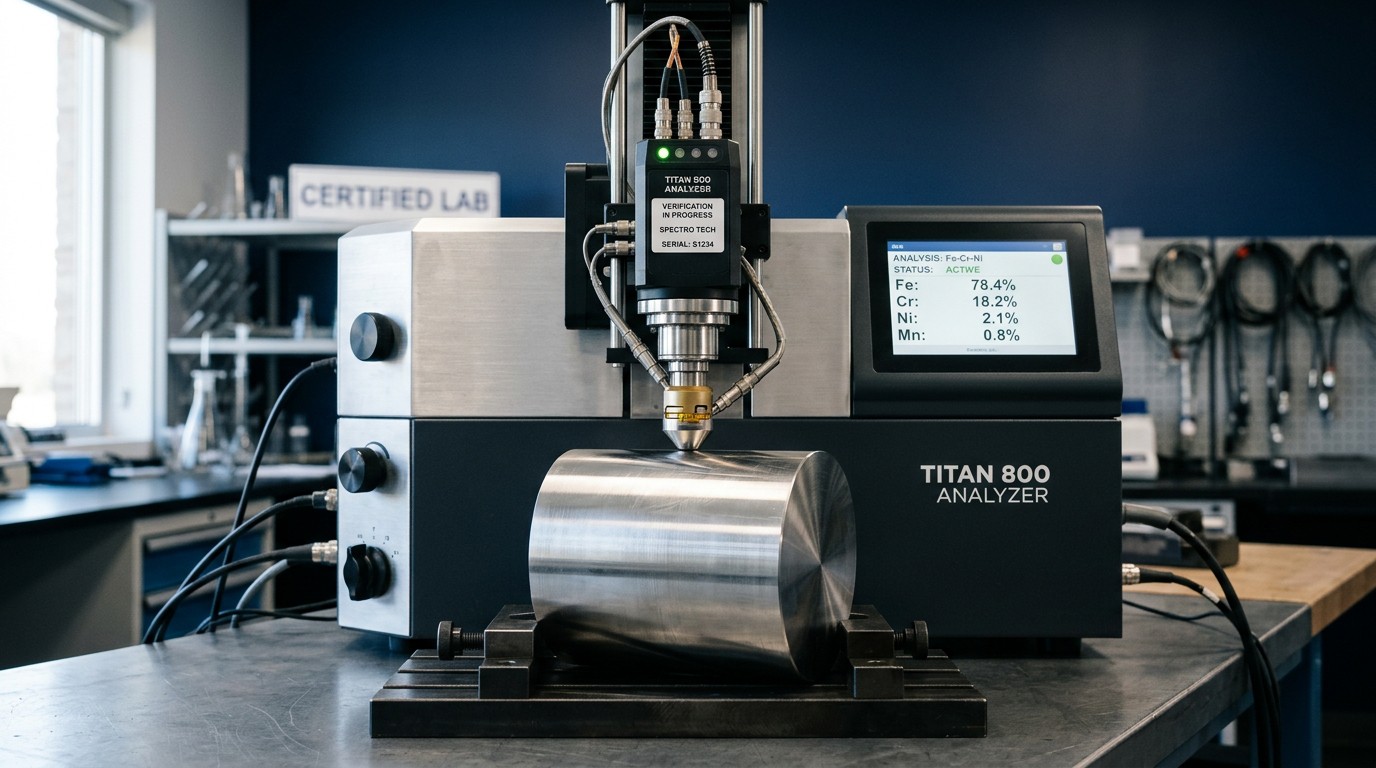
Chemical Validation for Industrial Standards: Ensuring Integrity in Global Infrastructure
In the complex landscapes of mechanical engineering and metallurgical engineering, achieving rigorous industrial standards requires precise chemical validation to ensure the integrity of foundational components. At Global Industrial Core (GIC), we provide mission-critical intelligence for facility management and environmental engineering professionals to navigate these compliance hurdles. From verifying electrical safety in power distribution to certifying safety equipment within the Electrical & Power sector, our data-driven insights empower technical evaluators and project managers. By prioritizing Security & Safety through rigorous chemical analysis, industrial leaders can build resilient operational environments that meet global benchmarks for performance and reliability.
The Critical Link: Chemical Composition and Structural Integrity
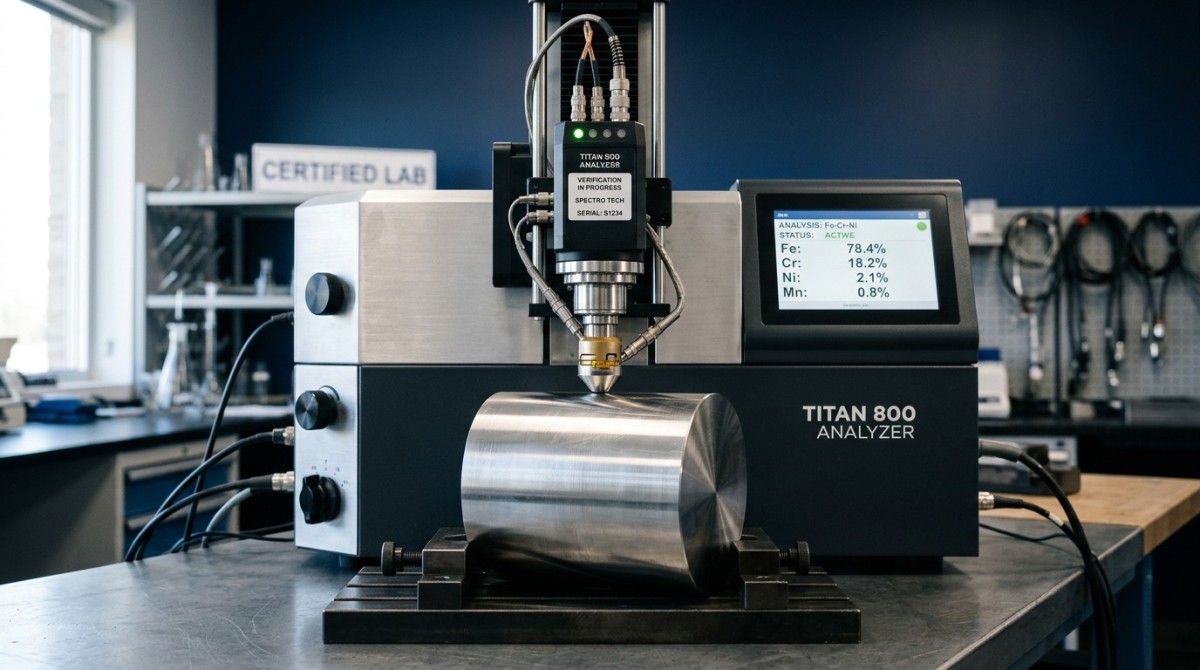
For engineering, procurement, and construction (EPC) contractors, the reliability of a structure is often determined at the molecular level. Chemical validation is not merely a bureaucratic checkbox; it is the fundamental process of verifying that the raw materials—whether high-grade steel for mechanical components or polymers for electrical insulation—possess the exact elemental makeup required to withstand operational stresses. In heavy industry, a variance of even 0.01% in carbon or chromium content can lead to catastrophic stress corrosion cracking or premature fatigue.
Quality control (QC) personnel and safety managers must view chemical validation as the first line of defense. By utilizing techniques such as Optical Emission Spectroscopy (OES) or X-ray Fluorescence (XRF), technical evaluators can confirm that materials meet the specific metallurgical grades defined during the design phase. This ensures that the components will perform as predicted under extreme temperatures, high pressures, or corrosive environments common in power grids and industrial facilities.
Navigating Global Compliance: ISO, ASTM, and CE Standards
In the globalized B2B marketplace, navigating the labyrinth of international standards is a primary concern for procurement directors and business evaluators. Chemical validation provides the empirical evidence needed to claim compliance with major frameworks:
- ISO Standards: Essential for quality management and environmental safety, requiring documented proof of material purity and hazardous substance limits.
- ASTM International: Provides specific technical protocols for testing the chemical properties of metals, plastics, and coatings.
- CE and UL Marking: Critical for electrical and power sector equipment, where chemical stability directly impacts fire safety and insulation performance.
For project managers, the value of chemical validation lies in risk mitigation. Utilizing a verified panel of metrology experts to audit supply chain materials ensures that "Trust Signals" are not just marketing claims but backed by hard data. This level of transparency is vital when entering new markets or expanding industrial operations where regulatory scrutiny is high.
Strategic Value for Decision Makers: ROI and Risk Management
From a business evaluation perspective, investing in rigorous chemical validation early in the procurement lifecycle offers a significant return on investment (ROI). The cost of a laboratory analysis is negligible compared to the astronomical expenses associated with industrial accidents, environmental remediation, or legal liabilities arising from structural failure. Enterprise decision-makers must recognize that chemical validation is an insurance policy for operational continuity.
By integrating chemical testing certifications into their digital assets and technical whitepapers, manufacturers can differentiate themselves in a crowded market. It signals to high-net-worth institutional buyers that the brand prioritizes technical excellence and long-term resilience over short-term unit economics. In the realm of global infrastructure, where failure is not an option, this authority is the ultimate competitive advantage.
Implementation for Project Leaders: From Sourcing to Installation
For those on the execution side—facility managers and project leaders—implementing a robust chemical validation workflow involves three key steps:
- Material Traceability: Ensure every batch of components comes with a Mill Test Report (MTR) that outlines the chemical heat analysis.
- Independent Verification: Employ third-party laboratories to conduct "spot checks" on critical components, verifying that the delivered material matches the documentation.
- Environmental Sensitivity: In sectors like Environment & Ecology, validate that materials are chemically inert and will not leach toxins into the surrounding ecosystem over their lifecycle.
Conclusion: Building a Foundation of Trust
Chemical validation is the cornerstone of modern industrial standards. It bridges the gap between theoretical engineering and real-world safety, providing a data-driven foundation for EPC contractors and facility managers. By understanding the elemental makeup of the components that power our world, industrial professionals can eliminate hidden risks, ensure regulatory compliance, and build resilient infrastructure. At Global Industrial Core, we remain committed to delivering the technical intelligence required to master these complex processes, ensuring that the foundational systems of modern industry remain safe, efficient, and undisputed in their quality.
Technical Specifications
Expert Insights

Chief Security Architect
Dr. Thorne specializes in the intersection of structural engineering and digital resilience. He has advised three G7 governments on industrial infrastructure security.
Related Analysis
- Apr 25, 2026China Launches World's Largest Agri-Meteorological Observation NetworkAuthor :Precision Metrology Expert
- Apr 25, 2026Binggang Group & AHUT Advance Steel Slag Valorization TechAuthor :Heavy Industry Strategist
- Apr 25, 2026China Leads First ISO Standard for Zero-Carbon CitiesAuthor :Environmental Engineering Director
Core Sector // 01
Security & Safety
- Chemical validation for industrial standardsAuthor :Precision Metrology Expert

- TUV Rheinland Updates EMC Guide: RF Immunity Testing Now Required for Industrial Optical Inspection EquipmentAuthor :Precision Metrology Expert
![]()
- TÜV Rheinland Updates EMC Guide for Industrial Optics EquipmentAuthor :Precision Metrology Expert
![]()
- Wholesale Refractometers: Key DifferencesAuthor :Precision Metrology Expert

- Brix Refractometer for Sugar TestingAuthor :Precision Metrology Expert

- How to Choose a Polarimeter WholesaleAuthor :Precision Metrology Expert

- Sticky mats for cleanrooms lose grip faster than expected?Author :Precision Metrology Expert

- Lint free wipes in bulk: what causes unexpected residue?Author :Precision Metrology Expert