Why Environment & Ecology Cost Often Rises After Project Handover
Author
Date Published
Reading Time
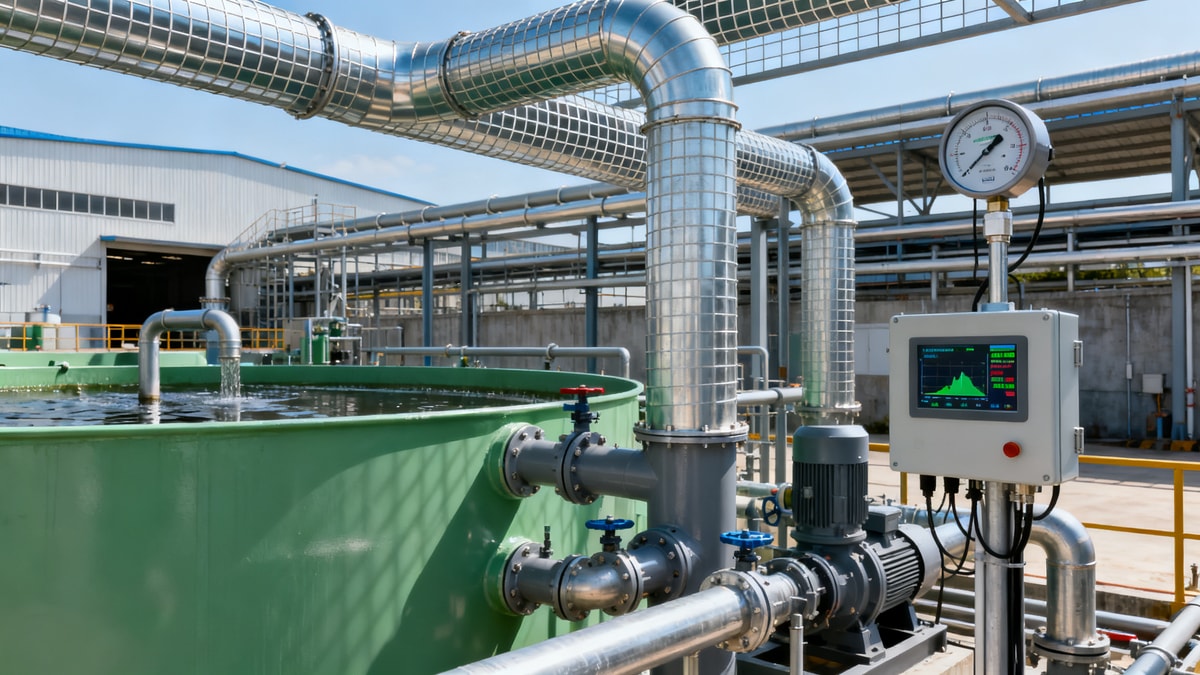
Why does Environment & Ecology cost so often increase after project handover, even when budgets seemed under control during delivery? For business decision-makers, the answer usually lies in hidden compliance gaps, operational inefficiencies, maintenance burdens, and evolving regulatory demands. Understanding these post-handover cost drivers is essential for protecting long-term asset value, reducing risk, and making smarter infrastructure investment decisions.
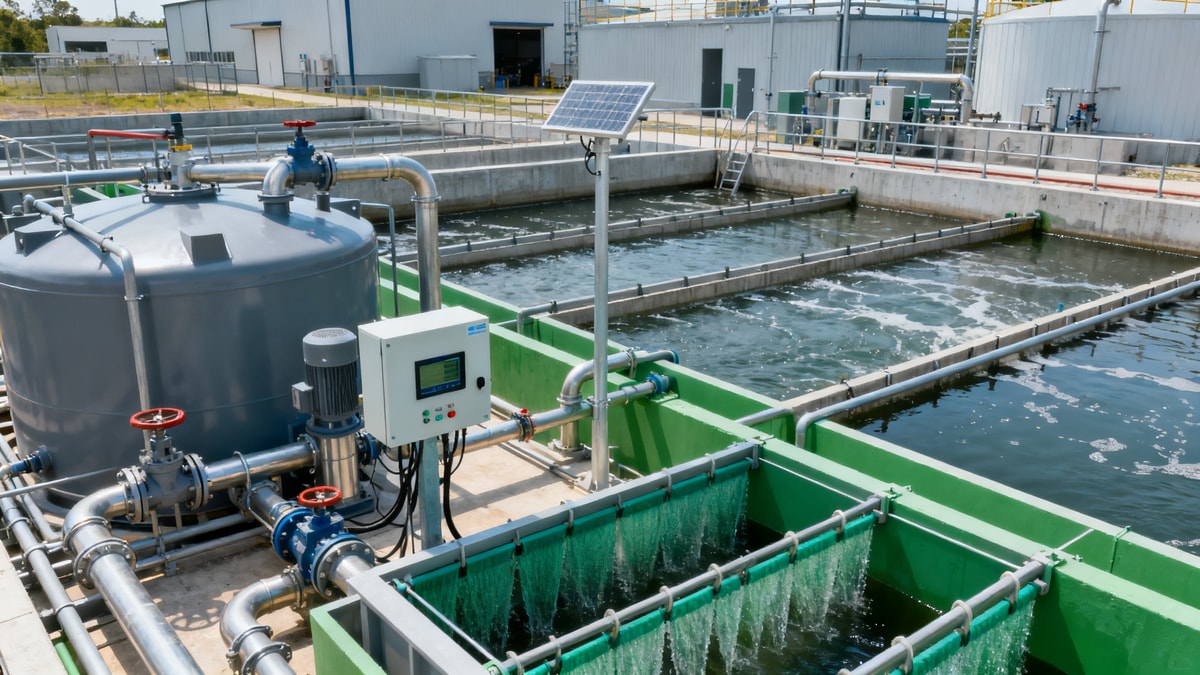
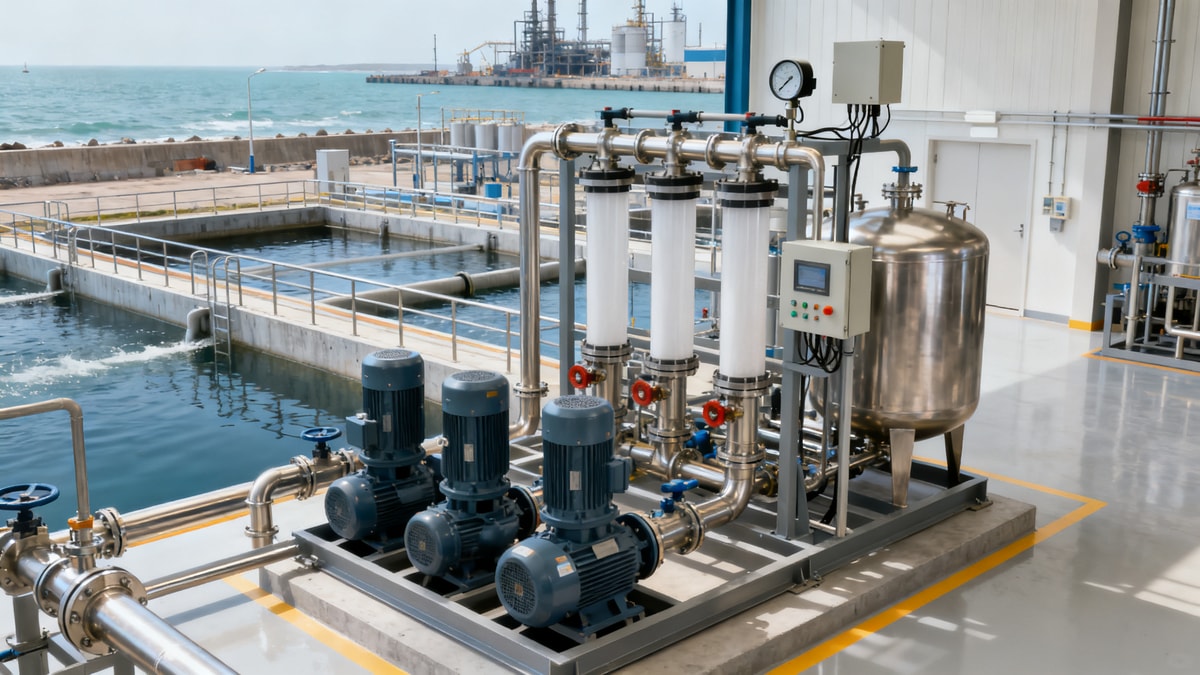
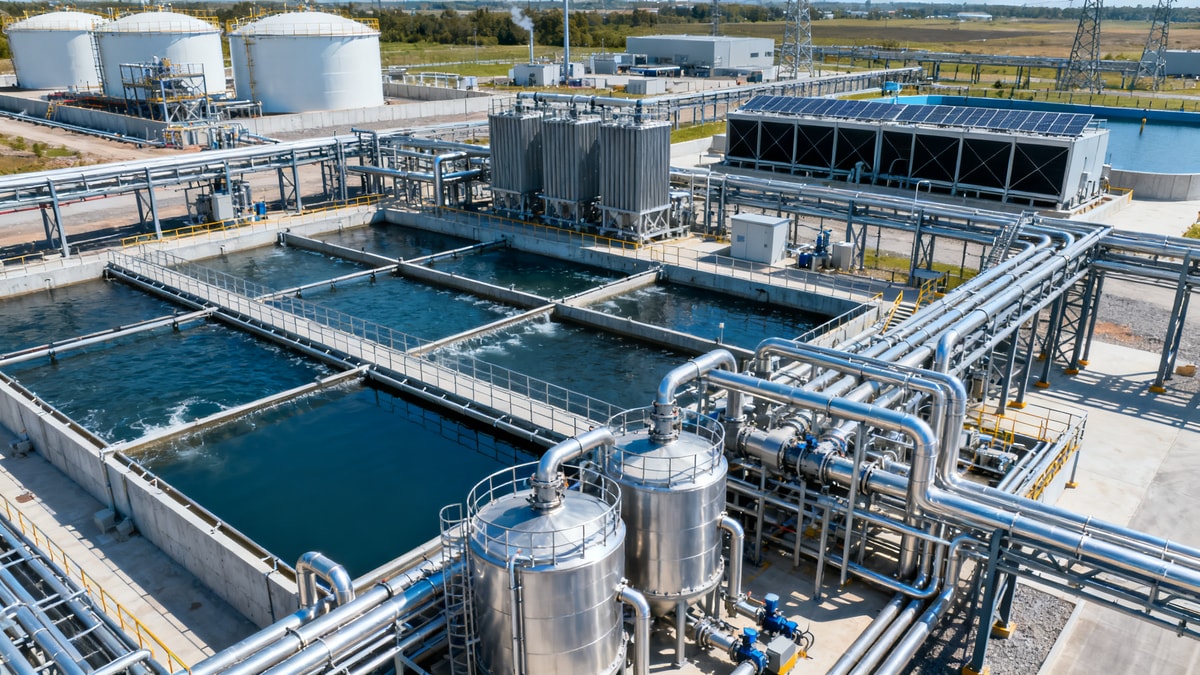
In industrial, commercial, and infrastructure projects, handover is often treated as the finish line. In reality, it is the point where environmental systems begin facing full operational stress. Wastewater units move from trial loads to continuous duty, air control systems run across seasonal cycles, and monitoring obligations shift from project teams to facility operators. That transition is where Environment & Ecology cost frequently rises.
For EPC contractors, plant owners, and procurement leaders, the issue is not simply that post-handover spending exists. The real concern is that a 5% oversight during design or commissioning can trigger 15% to 30% higher lifecycle environmental operating costs over the next 3 to 5 years. This article examines where those increases come from, how to identify risk early, and what decision-makers should demand before accepting a project.
Why Environment & Ecology Cost Increases After Handover
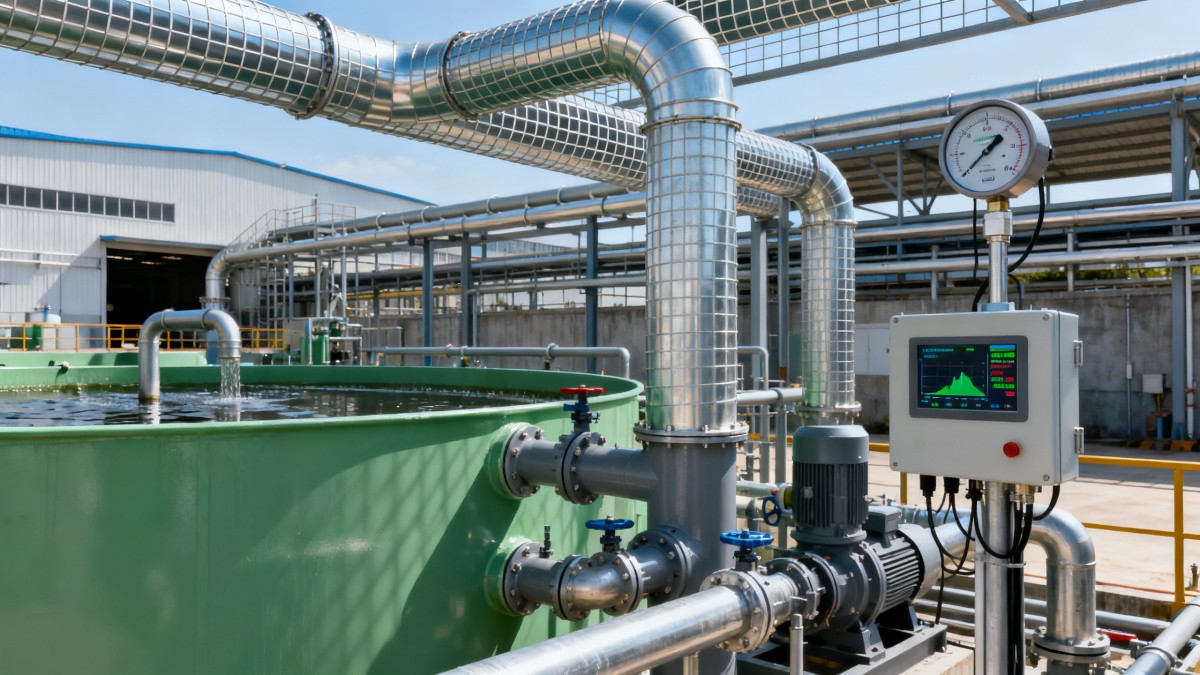
Many projects appear financially stable at delivery because capital expenditure is visible, while environmental operating expenditure is only partially modeled. During construction and commissioning, systems may run for 2 to 8 weeks under controlled conditions. After handover, they must perform 24/7 under variable loads, operator turnover, raw material fluctuations, and changing discharge or emission profiles.
1. Compliance is often designed for approval, not for continuous operation
A common root cause is the gap between passing inspection and sustaining compliance. A treatment line may meet permit thresholds during commissioning, yet struggle when influent load increases by 20% or when production adds a new chemical stream. Once exceedances begin, companies face retesting, consultant fees, process tuning, emergency reagent use, and in some regions, penalty exposure.
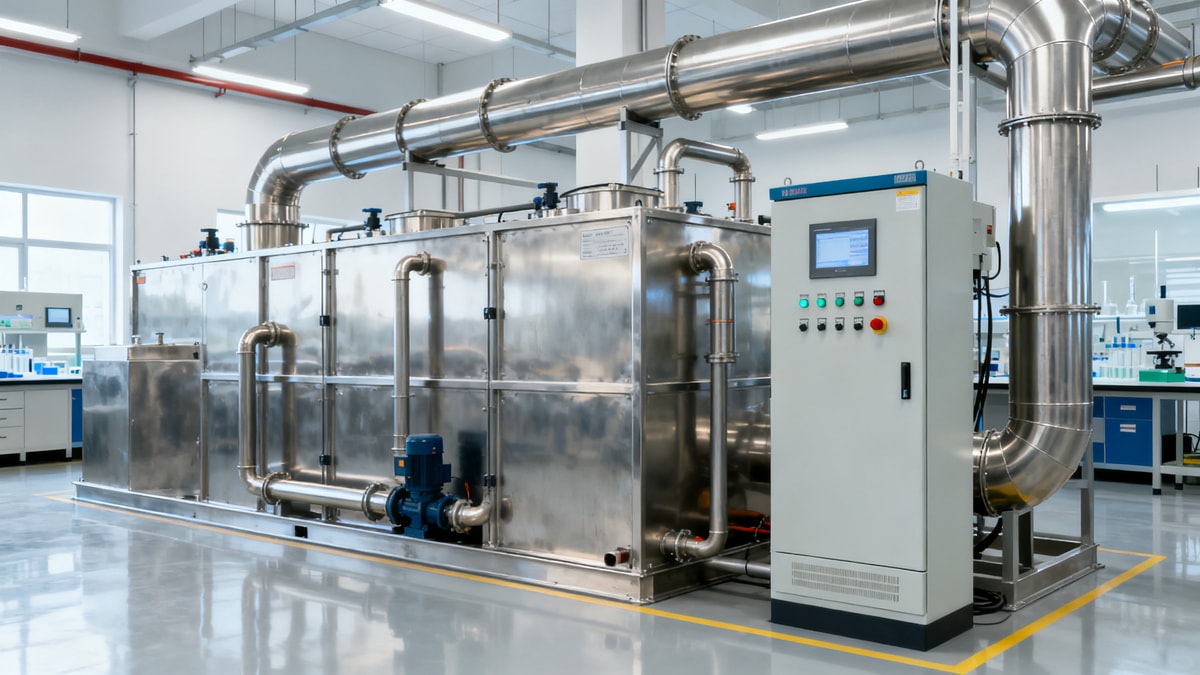
This is especially relevant where environmental controls were selected with minimal redundancy. A single dosing skid, one undersized blower set, or limited sludge dewatering capacity can create immediate cost escalation. What looked acceptable at 70% design load becomes expensive at 90% to 100% real operating load.
2. Utility consumption is underestimated in real service
Environment & Ecology cost rises sharply when electricity, water, compressed air, and chemicals are modeled from ideal operating assumptions rather than measured duty cycles. Fans, pumps, scrubbers, aeration systems, and filtration units often operate longer than anticipated once production ramps up. Even a 10% increase in blower runtime can materially change annual environmental operating budgets in energy-intensive facilities.
In many handover packages, utility forecasts are based on nameplate values rather than load profiles. Decision-makers should be cautious when environmental systems lack verified consumption curves at 25%, 50%, 75%, and full load, because this usually hides future cost variance.
3. Maintenance complexity emerges only after operators take control
A system can be technically compliant and still be financially inefficient to maintain. Filters may need replacement every 3 months instead of every 6 months. Calibration points may require weekly manual intervention. Corrosion-resistant parts may have been downgraded to reduce initial procurement spend, increasing spare consumption during the first 12 to 18 months of use.
Once the project team exits, facility staff inherit inspection, cleaning, consumables management, spare parts planning, and documentation. If the handover package lacks preventive maintenance intervals, critical spare lists, or operator training records, Environment & Ecology cost usually rises through reactive work rather than planned control.
The following table highlights common post-handover drivers that turn an apparently controlled budget into a recurring environmental cost issue.
The key pattern is clear: post-handover environmental spending is rarely caused by one major failure. It usually results from several manageable issues that were either excluded from the original budget model or underestimated during project delivery.
A practical warning for decision-makers
If environmental systems represent less than 3% to 8% of total project CAPEX, they can still influence a much larger share of operational risk. A wastewater upset, odor complaint, dust exceedance, or hazardous waste handling failure can affect production continuity, neighbor relations, insurance discussions, and future expansion approvals.
The Most Overlooked Sources of Rising Environment & Ecology Cost
Not every cost increase is visible in the first month after handover. Some emerge within one quarter, while others only appear after 2 seasonal cycles or the first annual audit. The most expensive cases often come from overlooked interfaces between engineering, procurement, operations, and compliance management.
Underspecified monitoring and instrumentation
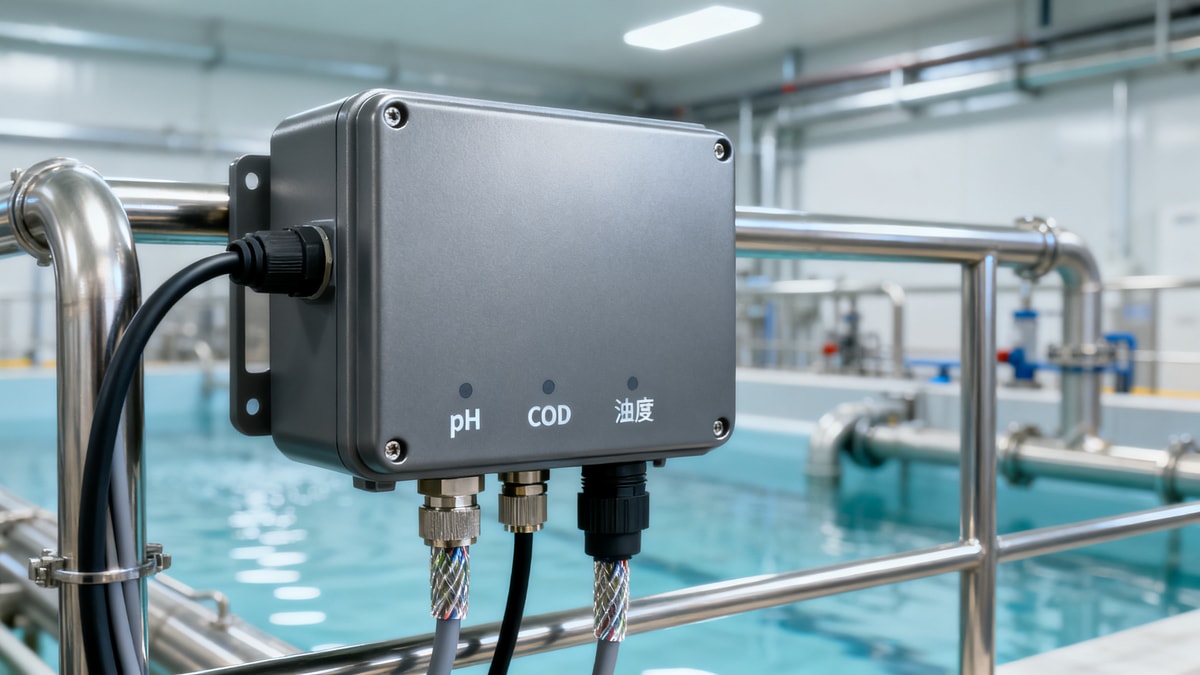
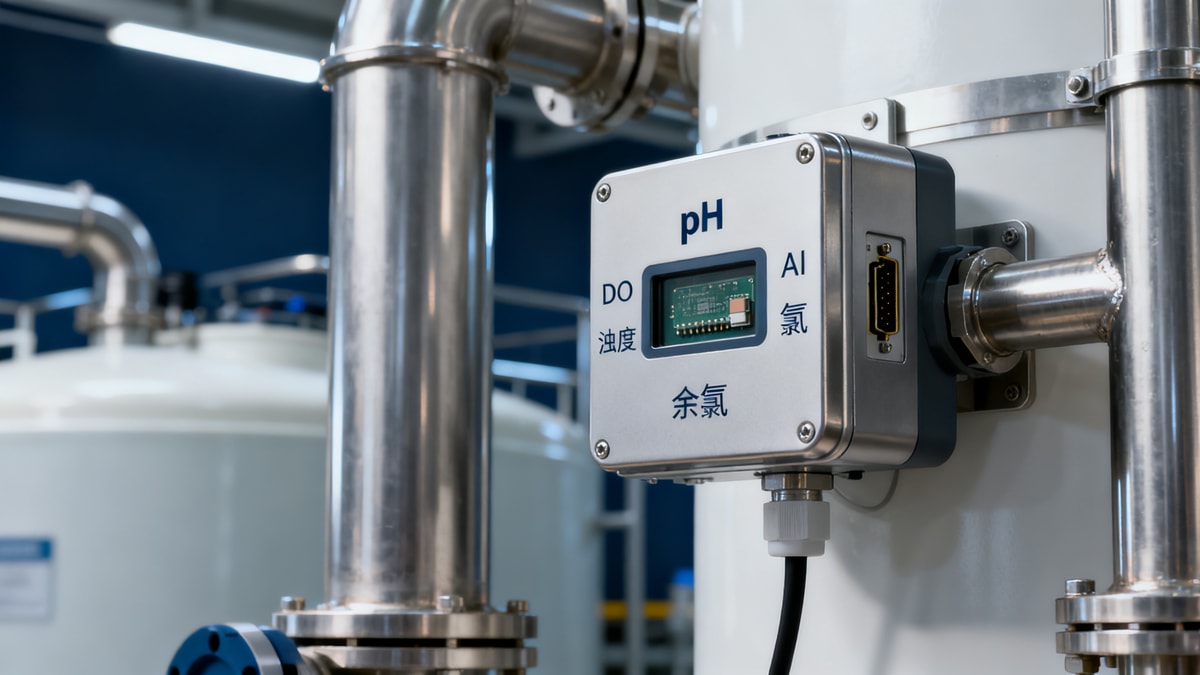
Environmental assets are only as controllable as the data they generate. When monitoring packages are limited to basic alarms instead of trend-ready instrumentation, operators react late. Missing pH trends, flow balancing data, dust load variation, or VOC concentration history can turn a minor deviation into a multi-week performance problem.
In practical terms, adding the right measurement points during project execution may cost far less than dispatching service teams later. For industrial sites, the difference between monthly manual sampling and continuous or semi-continuous monitoring can determine whether problems are corrected in 24 hours or discovered after several production batches.
Consumables and by-products were not fully costed
Many budgets focus on major equipment but underestimate recurring items such as neutralizing chemicals, carbon media, membranes, filter bags, absorbents, sludge disposal, and hazardous waste packaging. Even when unit prices are known, annual replacement frequency is often assumed rather than validated.
For example, a filtration package designed around clean influent may perform very differently once solids loading rises by 15% to 25%. That change affects replacement intervals, labor time, disposal volume, and storage planning. In this way, Environment & Ecology cost increases without any headline equipment failure.
Handover training is treated as an event, not a capability transfer
A 1-day orientation is rarely enough for complex environmental systems. Operators need scenario-based training covering upset conditions, start-stop sequences, lockout procedures, sampling routines, and escalation thresholds. Without this, response quality depends on individual experience rather than system discipline.
In B2B industrial settings, a realistic capability transfer program often takes 2 to 4 weeks and should include at least 4 deliverables: operating SOPs, maintenance checklists, alarm response logic, and spare part recommendations. When these are weak, post-handover service calls become the default problem-solving model.
Regulatory conditions change faster than asset assumptions
Environmental obligations do not remain static across a 10- to 20-year asset life. Sampling frequency can increase, discharge thresholds can tighten, and reporting formats can become more detailed. Systems built to minimum current requirements may need retrofits sooner than expected if there is no compliance headroom.
This matters for investors and plant operators evaluating total cost of ownership. A lower handover price is not a savings if the site needs extra polishing stages, upgraded analytics, or odor containment modifications within 18 months.
How to Evaluate Post-Handover Environmental Risk Before It Becomes a Budget Problem
Decision-makers can reduce future Environment & Ecology cost by shifting procurement evaluation from equipment selection alone to full lifecycle readiness. That means reviewing not only what was installed, but also how the system will be operated, verified, maintained, and adapted over time.
Use a 4-part review before final acceptance
- Performance review: verify design load, peak load, and upset load operating windows.
- Compliance review: confirm permit conditions, testing routines, and reporting responsibilities.
- Maintenance review: inspect spare lists, wear components, cleaning intervals, and service access.
- Data review: validate instrumentation, alarm hierarchy, and trend visibility for key variables.
This 4-part structure is especially useful for facilities where environmental systems support water treatment, emission control, hazardous material handling, or waste minimization. It helps procurement teams ask operational questions before issues become service claims.
Ask for measurable acceptance criteria
Too many handovers are based on general statements such as “system operational” or “ready for use.” A better practice is to define measurable acceptance points: effluent range over 72 hours, pressure drop thresholds, calibration tolerance, chemical consumption rate per operating hour, or response time for alarms and shutdowns.
Where possible, specify at least 6 to 10 acceptance checks tied to actual operating conditions. This improves accountability and gives facility teams a baseline for future troubleshooting.
The table below can support procurement and project teams when reviewing whether a handover package is likely to contain hidden environmental cost exposure.
For procurement directors and facility owners, this table reinforces a central principle: environmental systems should be bought and accepted as managed assets, not just installed equipment. That is the difference between predictable lifecycle spending and recurring cost surprises.
Three procurement questions worth asking
- What is the expected operating cost range at 50%, 75%, and 100% process load?
- Which parts or consumables require replacement within the first 12 months?
- What compliance margin exists if influent, emissions, or production schedules change?
Strategies to Control Environment & Ecology Cost Over the Asset Lifecycle
Reducing post-handover cost is not about overengineering every system. It is about building disciplined visibility into performance, consumables, maintenance, and compliance from day one. A focused lifecycle strategy usually produces better cost control than repeated corrective interventions.
Build an operating baseline within the first 90 days
The first 30, 60, and 90 days after handover should be used to establish baseline consumption, alarm frequency, emissions or discharge stability, and maintenance workload. This period reveals whether design assumptions match actual site behavior. It also helps distinguish one-time startup noise from structural cost problems.
At minimum, track 5 indicators: energy use, chemical use, downtime hours, consumables replacement frequency, and compliance deviations. Even simple weekly trend reviews can prevent an entire year of hidden overspend.
Align service contracts with risk points
Not every system needs a full-service agreement, but high-risk environmental assets often benefit from defined support during the first 6 to 12 months. This may include quarterly optimization visits, remote troubleshooting, calibration support, or scheduled media inspection. The objective is not to outsource ownership but to stabilize performance early.
Where service coverage is too generic, facilities pay for emergency attendance instead of planned intervention. That usually results in higher callout cost and slower recovery.
Preserve upgrade flexibility
Environmental rules, throughput, and process chemistry can evolve. Systems that leave room for additional sensors, modular polishing stages, or control logic updates generally manage future cost better than rigid minimum-spec designs. For long-life industrial assets, flexibility is often worth more than a small initial CAPEX reduction.
This is particularly important in sectors with volatile production mixes, multi-tenant utilities, or phased expansion plans. If environmental infrastructure cannot adapt within a 6- to 18-month expansion window, retrofit cost rises quickly.
Integrate environmental cost into board-level asset reviews
Environment & Ecology cost should not sit only within site operations. For enterprise decision-makers, it belongs in broader asset resilience reviews alongside safety, power reliability, production continuity, and maintenance performance. This framing helps avoid a narrow “compliance only” mindset and supports better capital planning.
When environmental systems are assessed as strategic infrastructure rather than support utilities, budget decisions improve. The result is fewer emergency purchases, stronger supplier accountability, and clearer long-term performance expectations.
Post-handover increases in Environment & Ecology cost are rarely random. They usually come from design assumptions that did not reflect operating reality, incomplete lifecycle costing, weak data visibility, or insufficient transfer of capability to the end user. For business leaders, the most effective response is to evaluate environmental systems through the lens of total asset performance, not just project delivery status.
Global Industrial Core supports EPC contractors, facility managers, and industrial procurement teams with decision-grade insight across environmental controls, compliance planning, instrumentation, and foundational infrastructure sourcing. If you are reviewing a handover risk, planning an upgrade, or comparing lifecycle-ready solutions, contact us to get a tailored strategy, discuss technical details, or explore more industrial environment and ecology solutions.
Technical Specifications
- US DOE Level 3 Transformer Efficiency Rule Takes Effect July 1, 2026Author :Grid Infrastructure Analyst
- INMETRO Proposes EMP Immunity Requirement for Industrial Laser Distance Meters in BrazilAuthor :Precision Metrology Expert
- Indonesia BPOM Fast-Tracks Chinese Industrial Air PurifiersAuthor :Environmental Engineering Director
Expert Insights

Chief Security Architect
Dr. Thorne specializes in the intersection of structural engineering and digital resilience. He has advised three G7 governments on industrial infrastructure security.
Related Analysis
- May 05, 2026US DOE Level 3 Transformer Efficiency Rule Takes Effect July 1, 2026Author :Grid Infrastructure Analyst
- May 05, 2026INMETRO Proposes EMP Immunity Requirement for Industrial Laser Distance Meters in BrazilAuthor :Precision Metrology Expert
- May 05, 2026Indonesia BPOM Fast-Tracks Chinese Industrial Air PurifiersAuthor :Environmental Engineering Director
Core Sector // 01
Security & Safety
- Vietnam MOIT: Industrial Water Monitors Must Upgrade to MQTT v5.0 + SM4 by Jun 30, 2026Author :Environmental Engineering Director

- How to Assess an Environmental Engineering Manufacturer EarlyAuthor :Environmental Engineering Director

- Environmental Engineering Solutions That Fix Repeat Compliance IssuesAuthor :Environmental Engineering Director

- Why Environment & Ecology Cost Often Rises After Project HandoverAuthor :Environmental Engineering Director

- Vietnam Enforces Blockchain-Linked Remote Calibration for Industrial Water AnalyzersAuthor :Environmental Engineering Director

- Environmental engineering standards that affect equipment selectionAuthor :Environmental Engineering Director

- Industrial ecology trends changing plant upgrade prioritiesAuthor :Environmental Engineering Director

- SASO AI Sensor Compliance: Saudi Arabia Enforces AI Module Registration for Industrial Water SensorsAuthor :Environmental Engineering Director