Vietnam MOIT: Industrial Water Monitors Must Upgrade to MQTT v5.0 + SM4 by Jun 30, 2026
Author
Date Published
Reading Time
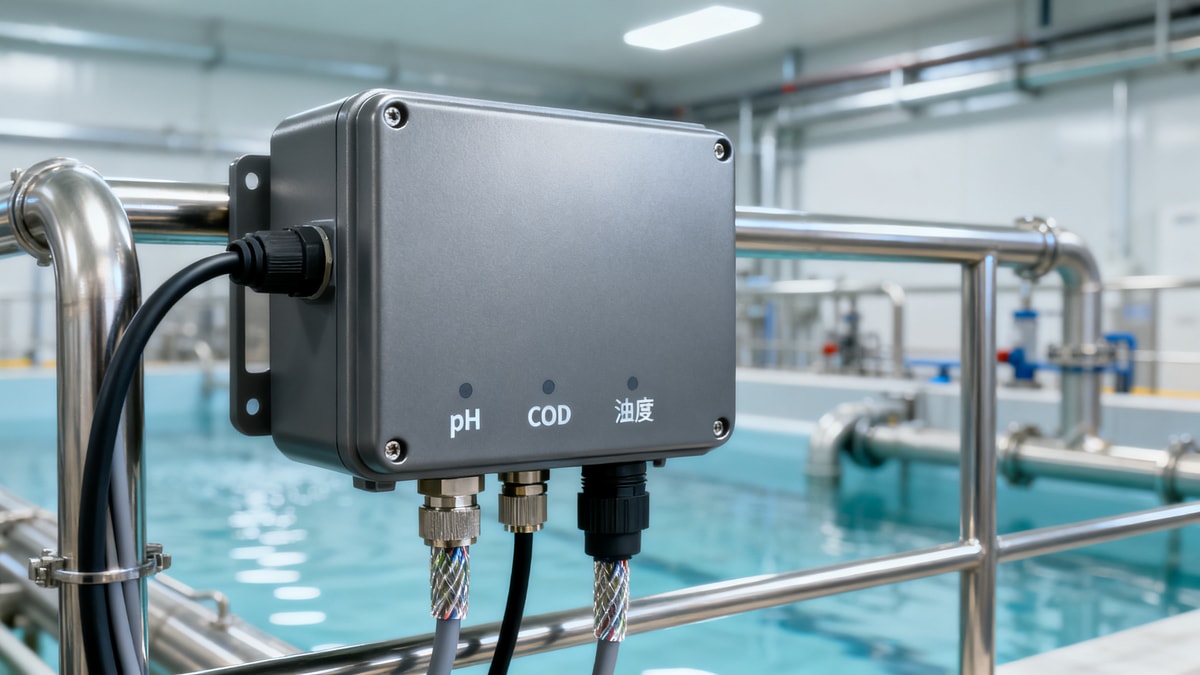
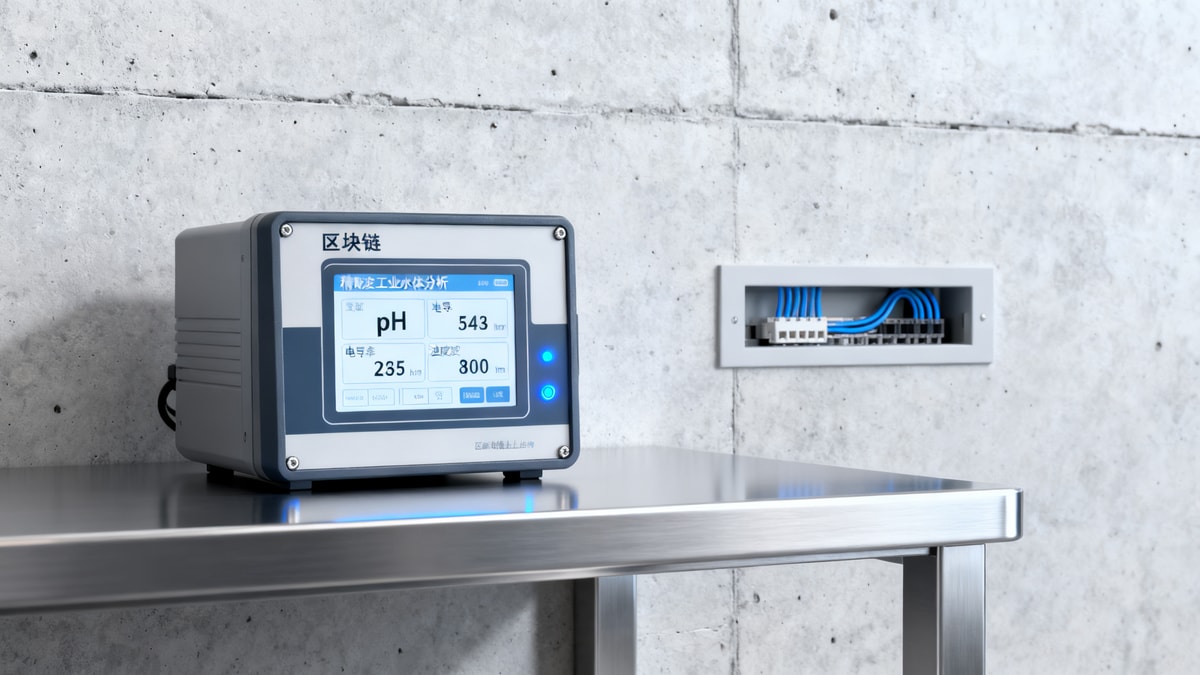
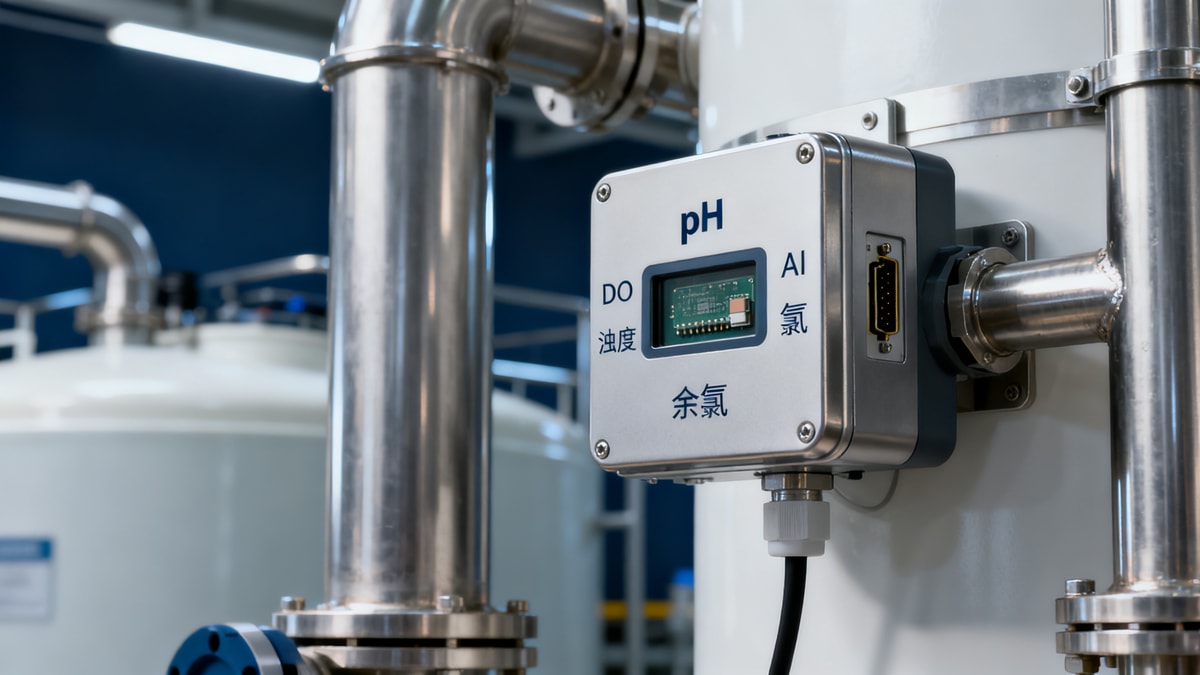
On May 4, 2026, Vietnam’s Ministry of Industry and Trade (MOIT) issued Emergency Circular No. 88/2026/TT-BCT, mandating that all industrial online water quality monitoring instruments (including pH, COD, turbidity, etc.) sold or installed in Vietnam must complete firmware upgrades supporting MQTT v5.0 protocol and national cryptographic SM4 end-to-end encryption by June 30, 2026. Failure to comply will result in suspension of customs clearance and project acceptance. This directive directly impacts exporters and suppliers of laboratory & analytics equipment and industrial water treatment systems targeting the Vietnamese market.
Event Overview
Vietnam’s Ministry of Industry and Trade (MOIT) published Emergency Circular No. 88/2026/TT-BCT on May 4, 2026. The circular requires all industrial online water quality monitoring instruments—covering parameters such as pH, chemical oxygen demand (COD), and turbidity—to implement firmware supporting MQTT v5.0 and SM4 encryption before June 30, 2026. Instruments failing to meet this requirement will be barred from import customs clearance and project commissioning in Vietnam.
Which Subsectors Are Affected
Direct Exporters to Vietnam
Manufacturers and exporters of laboratory analytics and industrial water treatment equipment must verify firmware compliance for each model shipped to Vietnam. Non-compliant units risk customs rejection or delayed project handover, affecting revenue recognition and contractual obligations.
Equipment Integrators & System Providers
Firms integrating third-party water monitors into turnkey water treatment or smart factory solutions face validation bottlenecks. Firmware non-compliance may trigger requalification of entire subsystems, delaying delivery timelines and increasing engineering overhead.
Distributor & Channel Partners in Vietnam
Local distributors responsible for installation, commissioning, or after-sales support must confirm upgrade availability and compatibility with existing hardware. Stockpiling pre-upgrade units could lead to inventory obsolescence or service liabilities post-deadline.
Supply Chain & Firmware Service Providers
Third-party firmware developers, OTA update platform operators, and cybersecurity validation labs serving instrument OEMs may see increased demand for SM4 integration support and MQTT v5.0 certification—yet only if their clients initiate upgrade programs before the deadline.
What Enterprises and Practitioners Should Focus On Now
Monitor official MOIT guidance and technical annexes
The circular references technical specifications but does not yet publish detailed conformance criteria (e.g., SM4 implementation scope, key management requirements, or test procedures). Stakeholders should track MOIT’s upcoming technical notices or accredited lab announcements.
Identify affected product lines and firmware versions
Exporters must map current SKUs against Vietnam-bound shipments, cross-referencing hardware generation, firmware version history, and MQTT/SM4 support status. Devices using legacy MQTT v3.1.1 or lacking cryptographic acceleration may require hardware-level changes—not just software patches.
Distinguish policy signal from operational readiness
While the June 30, 2026 deadline is binding, enforcement timing—especially for ongoing projects with signed contracts prior to May 4, 2026—remains unclarified. Companies should document deployment dates and contract terms to assess potential grandfathering scenarios.
Prepare firmware rollout logistics and customer communication
Planning should include OTA update testing across network environments (e.g., industrial gateways, cellular modems), secure key provisioning workflows, and multilingual user documentation. Advance notice to Vietnamese partners on upgrade timelines helps align sales, support, and compliance teams.
Editorial Observation / Industry Perspective
Observably, this circular reflects Vietnam’s broader regulatory shift toward data sovereignty and secure industrial IoT infrastructure—not merely a technical update. Analysis shows the mandate prioritizes protocol modernization (MQTT v5.0) alongside sovereign cryptography (SM4), suggesting alignment with national cybersecurity frameworks rather than ad hoc vendor requirements. From an industry perspective, it functions less as an isolated compliance checkpoint and more as an early indicator of tightening digital trust standards across ASEAN industrial instrumentation markets. Current enforcement scope remains limited to water quality monitors—but similar requirements may extend to emissions analyzers, energy meters, or SCADA edge devices in future MOIT advisories.
This directive signals growing emphasis on embedded security in Vietnam’s industrial digitization agenda. It is not yet a fully implemented regime—since testing protocols and certification pathways are pending—but it has immediate operational implications for export planning, firmware development cycles, and supply chain coordination. For stakeholders, it is better understood as a time-bound regulatory inflection point requiring coordinated technical and commercial response—not a one-off certification event.
Information Sources
Main source: Vietnam Ministry of Industry and Trade (MOIT), Emergency Circular No. 88/2026/TT-BCT, issued May 4, 2026.
Points requiring continued observation: Official technical annexes, accredited testing laboratory designations, and enforcement guidance for legacy installations or phased upgrades.
Technical Specifications
- US DOE Level 3 Transformer Efficiency Rule Takes Effect July 1, 2026Author :Grid Infrastructure Analyst
- INMETRO Proposes EMP Immunity Requirement for Industrial Laser Distance Meters in BrazilAuthor :Precision Metrology Expert
- Indonesia BPOM Fast-Tracks Chinese Industrial Air PurifiersAuthor :Environmental Engineering Director
Expert Insights

Chief Security Architect
Dr. Thorne specializes in the intersection of structural engineering and digital resilience. He has advised three G7 governments on industrial infrastructure security.
Related Analysis
- May 05, 2026US DOE Level 3 Transformer Efficiency Rule Takes Effect July 1, 2026Author :Grid Infrastructure Analyst
- May 05, 2026INMETRO Proposes EMP Immunity Requirement for Industrial Laser Distance Meters in BrazilAuthor :Precision Metrology Expert
- May 05, 2026Indonesia BPOM Fast-Tracks Chinese Industrial Air PurifiersAuthor :Environmental Engineering Director
Core Sector // 01
Security & Safety
- Vietnam MOIT: Industrial Water Monitors Must Upgrade to MQTT v5.0 + SM4 by Jun 30, 2026Author :Environmental Engineering Director

- How to Assess an Environmental Engineering Manufacturer EarlyAuthor :Environmental Engineering Director

- Environmental Engineering Solutions That Fix Repeat Compliance IssuesAuthor :Environmental Engineering Director

- Why Environment & Ecology Cost Often Rises After Project HandoverAuthor :Environmental Engineering Director

- Vietnam Enforces Blockchain-Linked Remote Calibration for Industrial Water AnalyzersAuthor :Environmental Engineering Director

- Environmental engineering standards that affect equipment selectionAuthor :Environmental Engineering Director

- Industrial ecology trends changing plant upgrade prioritiesAuthor :Environmental Engineering Director

- SASO AI Sensor Compliance: Saudi Arabia Enforces AI Module Registration for Industrial Water SensorsAuthor :Environmental Engineering Director