Indonesia BPOM Fast-Tracks Chinese Industrial Air Purifiers
Author
Date Published
Reading Time
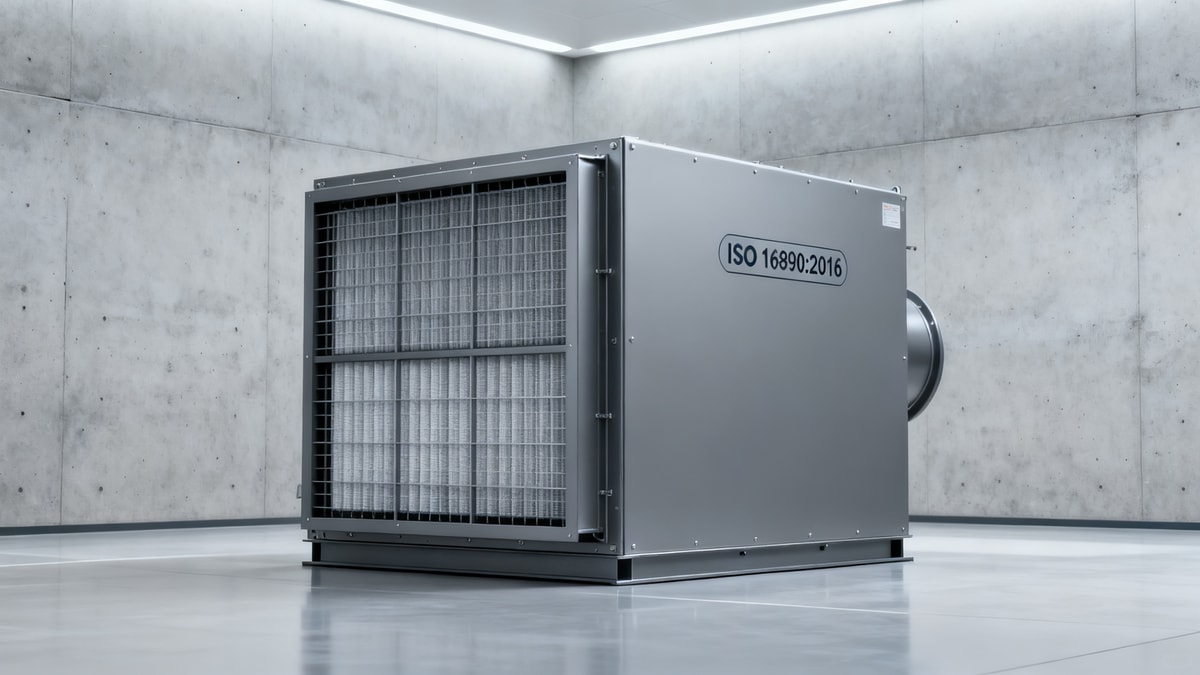
On May 4, 2026, Indonesia’s National Agency of Drug and Food Control (BPOM) announced a streamlined approval pathway for Chinese-made industrial dust purifiers meeting ISO 16890:2016 standards—reducing biological aerosol filtration efficacy testing time from 30 to 7 working days. This development is particularly relevant for manufacturers, exporters, and distributors of air purification and industrial dust control equipment targeting the Indonesian market.
Event Overview
On May 4, 2026, Indonesia’s Badan Pengawas Obat dan Makanan (BPOM) introduced a ‘Biological Aerosol Filtration Efficacy Fast Track’ for Chinese industrial dust purifiers compliant with ISO 16890:2016. Under this measure, BPOM will accept test reports issued by China National Accreditation Service (CNAS)-accredited laboratories. The official processing timeline for filtration efficacy verification has been shortened from 30 calendar days to 7 working days.
Industries Affected by This Change
Direct Exporters & Trading Companies
Exporters of Chinese industrial air purifiers and dust collectors face reduced regulatory lead times when entering Indonesia. The change directly affects time-to-market, inventory planning, and quotation validity windows—especially for projects tied to tender deadlines or facility commissioning schedules.
Manufacturers & OEM/ODM Producers
Manufacturers supplying dust purification units under their own brand or as private-label products must ensure their CNAS-accredited lab reports explicitly cover biological aerosol filtration performance per ISO 16890:2016 Annex D (or equivalent test protocols accepted by BPOM). Product labeling, technical dossiers, and declaration of conformity may require alignment with BPOM’s updated submission requirements.
Supply Chain & Certification Support Providers
Third-party certification consultants, lab coordination services, and documentation agents supporting China–Indonesia trade need to verify whether their current CNAS lab partnerships include validated biological aerosol test capabilities—and whether those reports meet BPOM’s newly specified scope and format expectations.
What Relevant Businesses Should Monitor and Do Now
Track official BPOM guidance updates
BPOM has not yet published detailed implementation guidelines (e.g., acceptable report templates, minimum test parameters, or list of pre-qualified CNAS labs). Stakeholders should monitor BPOM’s official website and announcements for procedural clarifications before submitting applications.
Verify CNAS lab report scope and validity
Not all CNAS-accredited labs perform biological aerosol filtration tests. Exporters must confirm that their chosen lab’s accreditation scope explicitly includes ISO 16890:2016-compliant biological aerosol testing—and that reports issued post-May 4, 2026 reflect BPOM’s updated acceptance criteria.
Distinguish between policy announcement and operational readiness
The May 4 announcement signals intent and framework—but actual application intake, document review capacity, and inter-agency coordination (e.g., with customs or industrial safety authorities) remain subject to operational rollout. Early submissions may encounter administrative delays despite the formal 7-day target.
Prepare documentation proactively for first submissions
Companies planning near-term filings should compile complete dossiers—including product specifications, CNAS test reports, ISO 16890 compliance statements, and Indonesian-language technical summaries—well in advance. BPOM does not indicate relaxed documentation standards; speed applies only to the filtration efficacy verification step.
Editorial Perspective / Industry Observation
Observably, this initiative reflects BPOM’s broader effort to align import regulatory efficiency with regional manufacturing integration goals—particularly for air quality control equipment needed in rapidly expanding industrial zones across Java and Sumatra. Analysis shows the fast-track is narrowly scoped: it applies only to filtration efficacy verification, not full product registration (which still requires safety, electrical, and labeling assessments). From an industry perspective, this is best understood not as a comprehensive deregulation, but as a targeted process optimization—one that lowers one bottleneck while leaving others intact. Continued attention is warranted as BPOM may extend similar accelerations to adjacent categories (e.g., HVAC filters or cleanroom particulate monitors) if initial implementation proves scalable.
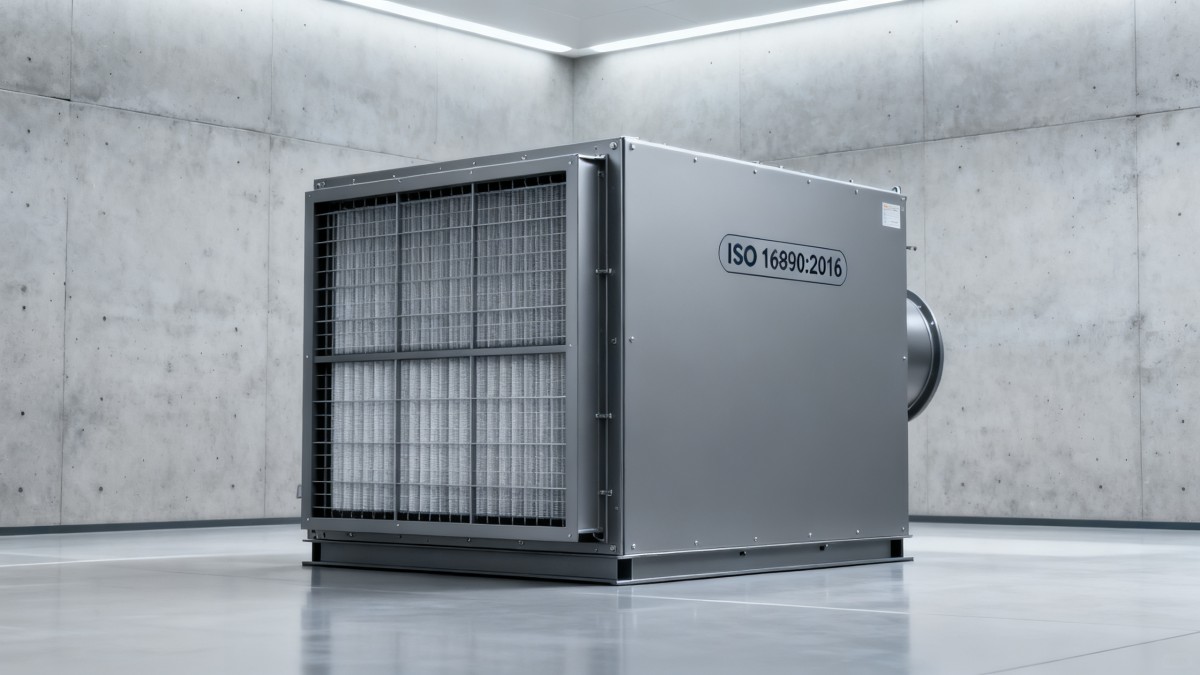
In summary, BPOM’s 7-day filtration efficacy verification window represents a measurable improvement in regulatory predictability for qualified Chinese industrial air purifier exporters—but its real-world impact depends on consistent implementation, lab report compatibility, and integration with broader import compliance workflows. It is more accurately interpreted as an incremental procedural upgrade than a structural shift in market access conditions.
Source: Official announcement by Indonesia’s Badan Pengawas Obat dan Makanan (BPOM), dated May 4, 2026. Note: Detailed procedural guidance, including report formatting requirements and lab validation criteria, remains pending and requires ongoing monitoring.
Technical Specifications
- US DOE Level 3 Transformer Efficiency Rule Takes Effect July 1, 2026Author :Grid Infrastructure Analyst
- INMETRO Proposes EMP Immunity Requirement for Industrial Laser Distance Meters in BrazilAuthor :Precision Metrology Expert
- Indonesia BPOM Fast-Tracks Chinese Industrial Air PurifiersAuthor :Environmental Engineering Director
Expert Insights

Chief Security Architect
Dr. Thorne specializes in the intersection of structural engineering and digital resilience. He has advised three G7 governments on industrial infrastructure security.
Related Analysis
- May 05, 2026US DOE Level 3 Transformer Efficiency Rule Takes Effect July 1, 2026Author :Grid Infrastructure Analyst
- May 05, 2026INMETRO Proposes EMP Immunity Requirement for Industrial Laser Distance Meters in BrazilAuthor :Precision Metrology Expert
- May 05, 2026Indonesia BPOM Fast-Tracks Chinese Industrial Air PurifiersAuthor :Environmental Engineering Director
Core Sector // 01
Security & Safety
- Indonesia BPOM Fast-Tracks Chinese Industrial Air PurifiersAuthor :Environmental Engineering Director

- Global Industrial Air Filter Lead Times Extend to 18–24 WeeksAuthor :Environmental Engineering Director

- Why Environment & Ecology Cost Estimates Miss Ongoing MaintenanceAuthor :Environmental Engineering Director

- Indonesia BPOM Launches AI Filter Life Algorithm ReviewAuthor :Environmental Engineering Director

- EU CE Mark Transition Ends for Industrial Dust CollectorsAuthor :Environmental Engineering Director

- Indonesia BPOM Mandates PM0.1 Efficiency & CADR Decay Labeling for Industrial Air PurifiersAuthor :Environmental Engineering Director

- Ambient Air Quality Monitor Placement Can Distort ReadingsAuthor :Environmental Engineering Director

- Wholesale N95 respirators: test reports that deserve a closer lookAuthor :Environmental Engineering Director