How to Assess an Environmental Engineering Manufacturer Early
Author
Date Published
Reading Time
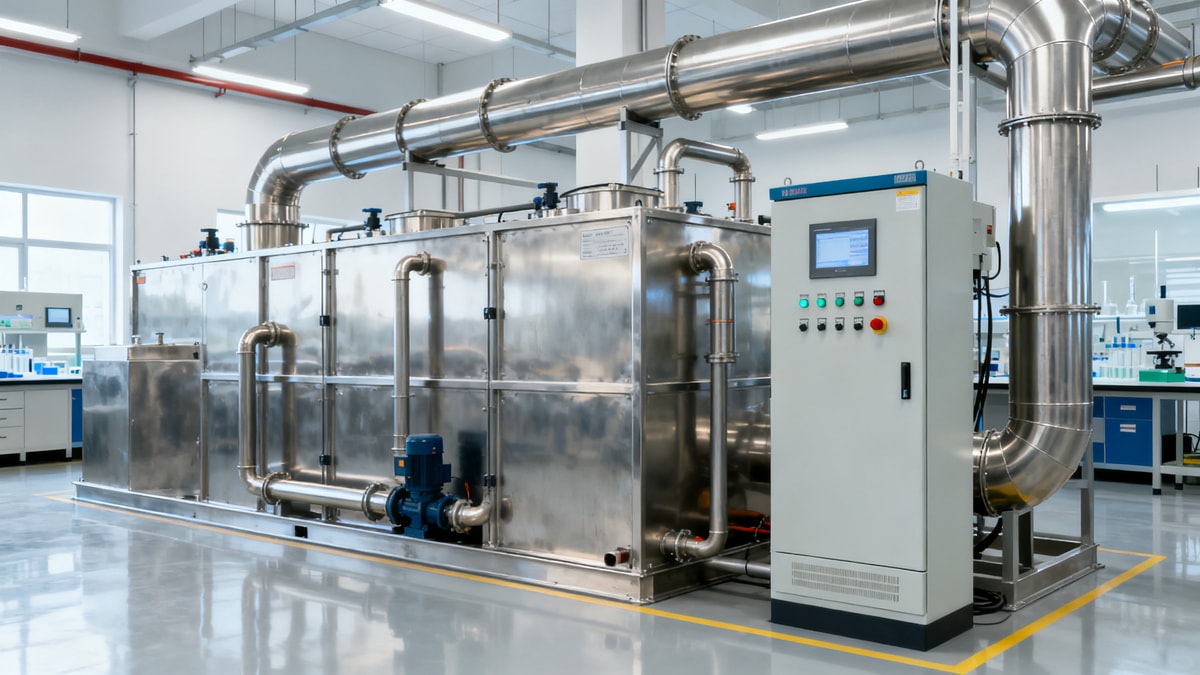
Choosing the right environmental engineering manufacturer early can reduce technical risk, prevent compliance gaps, and protect long-term project performance. For technical evaluators, the first assessment should go beyond brochures and pricing to verify certifications, engineering depth, manufacturing controls, and real-world delivery capability. This guide outlines the early indicators that help identify reliable partners before costly procurement decisions are made.
Why scenario differences matter in early manufacturer assessment
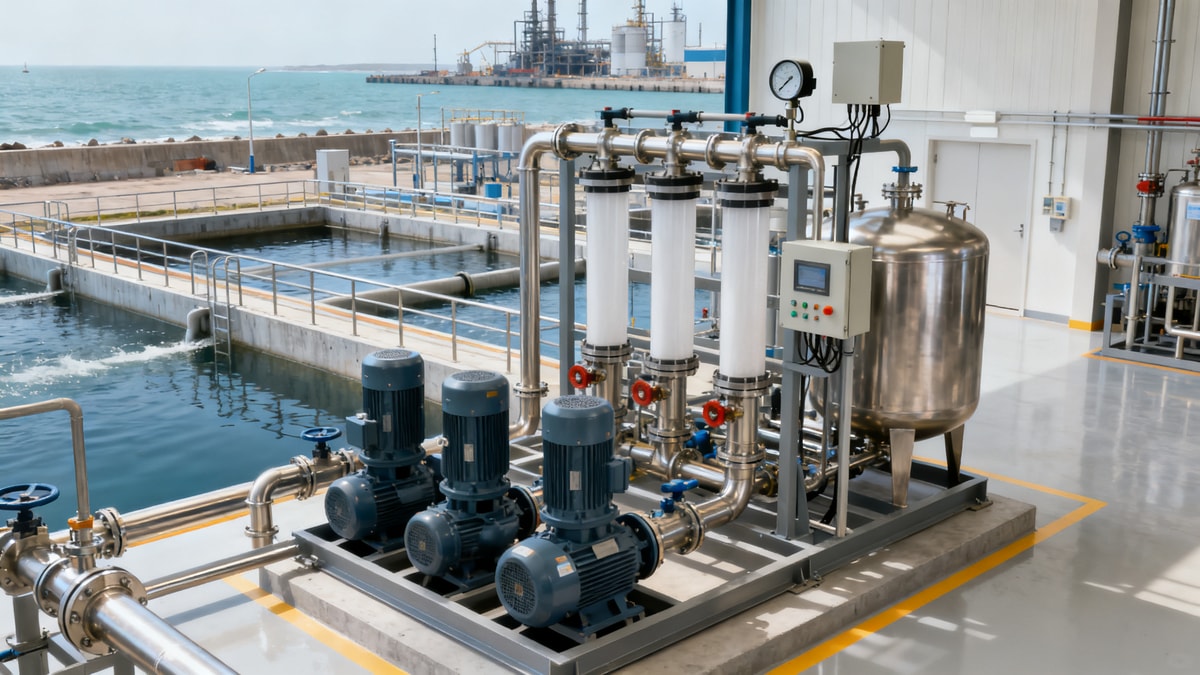
An environmental engineering manufacturer may look qualified on paper yet still be a weak fit for a specific project environment. Technical evaluators rarely buy “general capability.” They buy suitability for a defined operating scenario: wastewater treatment for a food plant, air pollution control for a metallurgical line, leachate handling for a landfill, emissions monitoring for a power asset, or corrosion-resistant systems for coastal industrial sites.
That is why early assessment should begin with context. A manufacturer that performs well in municipal projects may struggle in high-temperature industrial exhaust applications. A supplier strong in standard modular skids may not handle custom process integration for EPC projects. An environmental engineering manufacturer should therefore be judged not only by product range, but by application match, engineering responsiveness, compliance discipline, and lifecycle support under the exact conditions expected on site.
For technical assessment teams, the objective is simple: identify whether the supplier can reduce uncertainty in design, installation, commissioning, and long-term operation. The earlier this is verified, the lower the procurement risk.
Common application scenarios where evaluation priorities change
The same environmental engineering manufacturer can be evaluated very differently depending on where its systems will be used. Below is a practical comparison to help technical evaluators align screening criteria with actual business needs.
This scenario view helps evaluators avoid a common mistake: using one generic vendor checklist for every project type. The right environmental engineering manufacturer for one application may be the wrong one for another if the risk profile changes.
Scenario 1: Industrial wastewater projects demand process proof, not just equipment supply
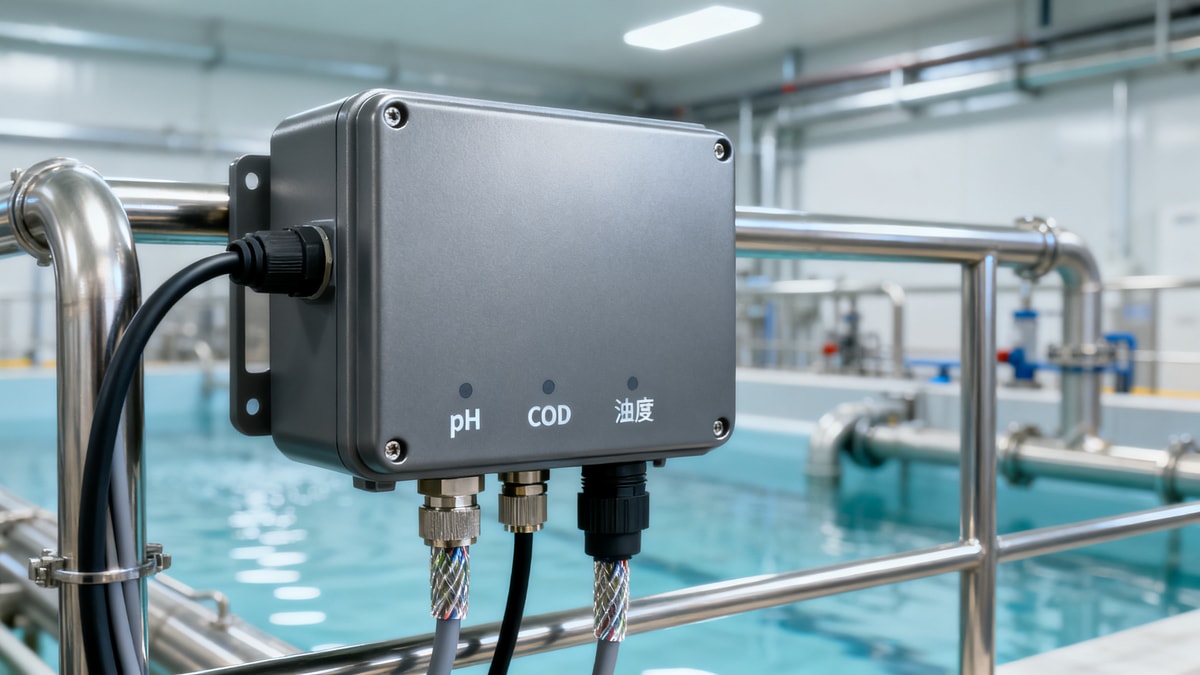
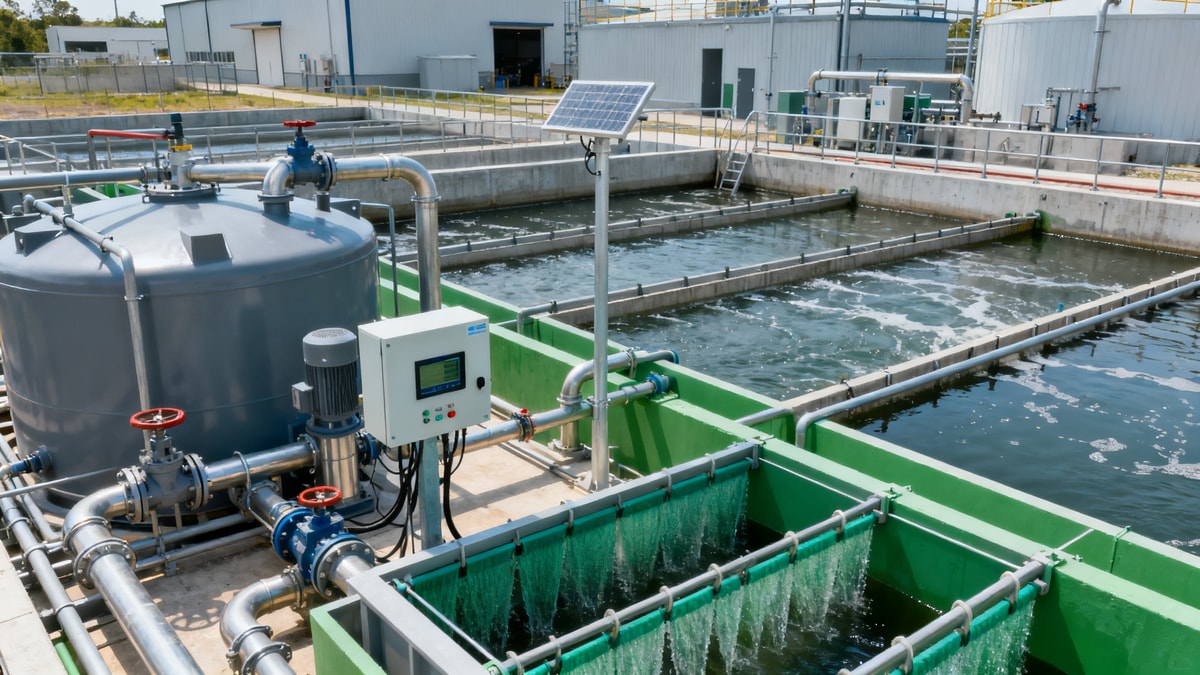
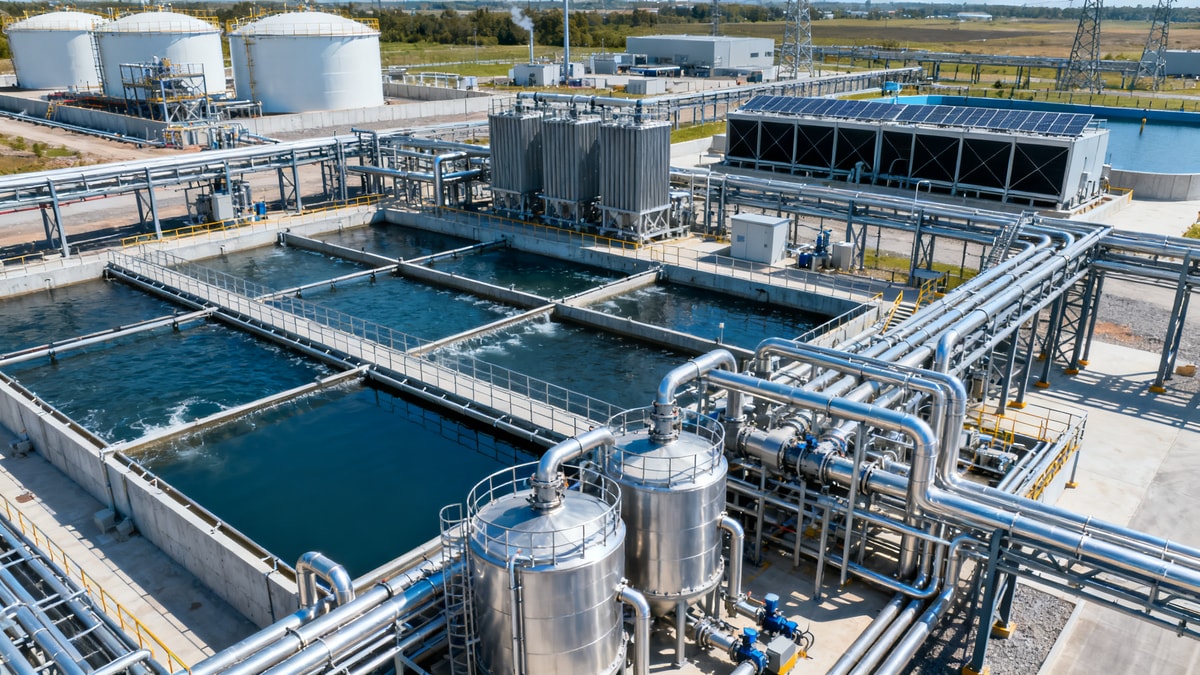
In industrial wastewater treatment, early supplier evaluation should focus on process understanding. Waste streams in chemicals, food processing, pharmaceuticals, electronics, and metal finishing are rarely stable. Flow, pH, COD, TSS, oils, solvents, and trace contaminants can all fluctuate. A capable environmental engineering manufacturer must show how its design responds to variability rather than only quoting nominal capacity.
Technical evaluators should ask for mass balance logic, treatment sequence rationale, chemical dosing basis, sludge handling assumptions, and evidence from comparable wastewater compositions. Strong manufacturers can discuss upset conditions, bypass strategy, and design margins. Weak suppliers often stay at the level of vessel size and pump brand without demonstrating process accountability.
Early warning signs include unclear residence time calculations, no pilot or jar-test references, generic corrosion recommendations, or a refusal to define effluent guarantee boundaries. In this scenario, engineering depth matters more than catalogue breadth.
Scenario 2: Air pollution control projects require validation under extreme operating conditions
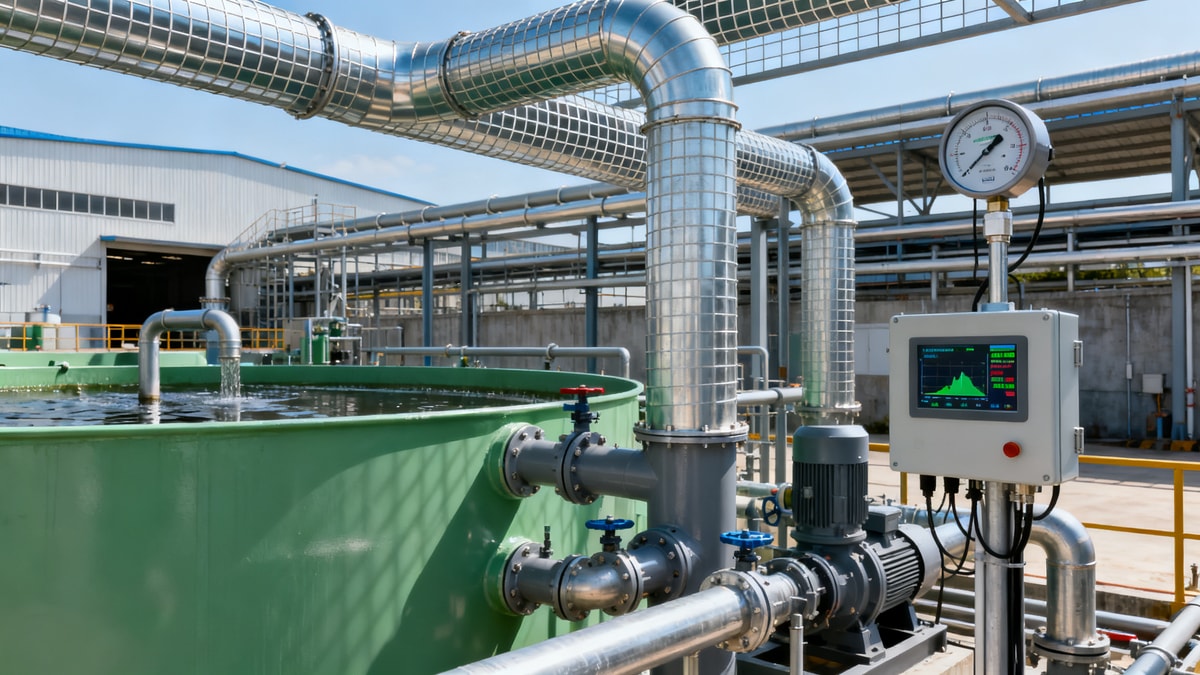
For dust collectors, scrubbers, thermal oxidizers, desulfurization systems, and VOC abatement units, the early assessment of an environmental engineering manufacturer should examine performance under stress. Industrial exhaust streams can involve high heat, pressure fluctuation, sticky particulates, explosive mixtures, acid gases, and rapid cycling. General fabrication competence is not enough.
In this application, evaluators should verify whether the manufacturer has specific design methods for gas distribution, pressure drop control, fan selection, explosion relief, refractory design, lining systems, and corrosion mitigation. It is also important to ask what standards guide their emissions performance claims and whether guarantees are tied to defined inlet conditions.
A reliable environmental engineering manufacturer in this space usually provides reference cases with similar particulate loading, gas chemistry, and operating temperature. They can explain failure modes such as blinding, channeling, condensate corrosion, or thermal fatigue. If a supplier cannot discuss these risks early, technical teams should be cautious.
Scenario 3: Monitoring and compliance-driven projects depend on traceability and system integration
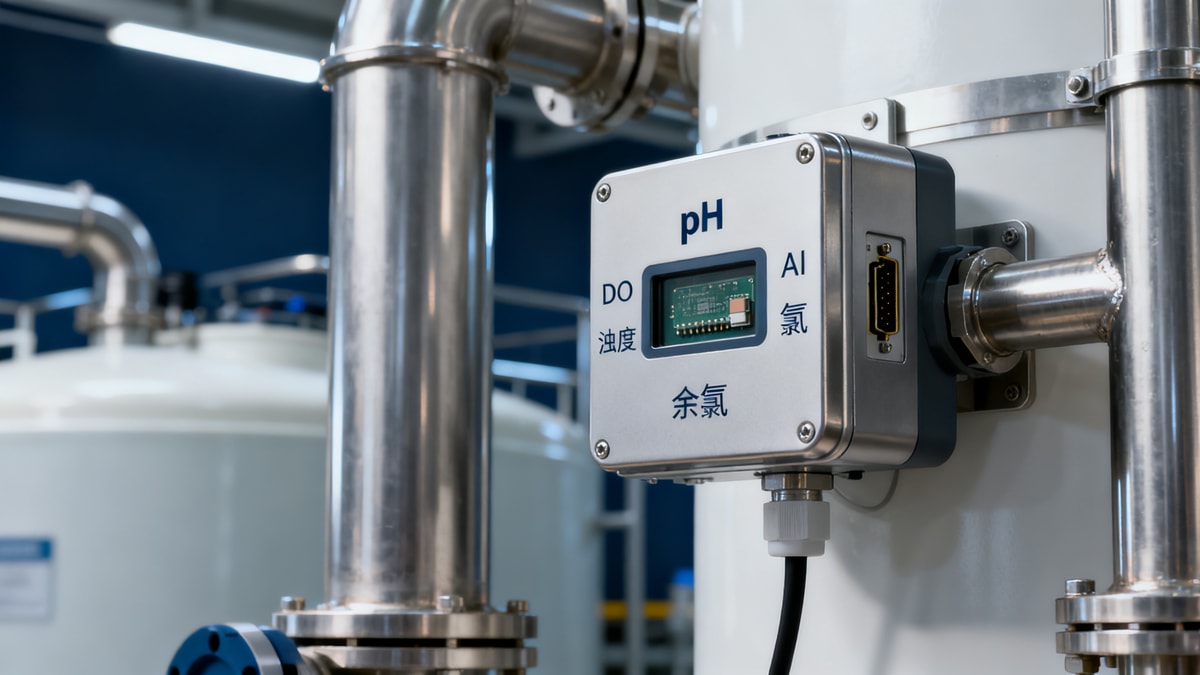
In projects centered on emissions monitoring, water quality measurement, leak detection, or environmental data reporting, the assessment criteria shift again. Here, the environmental engineering manufacturer must be judged not only on hardware quality but also on calibration control, data integrity, communication protocols, and audit readiness.
Technical evaluators should review instrument certificates, QA procedures, software revision management, alarm logic, historian compatibility, and cybersecurity considerations for connected devices. In regulated environments, it is valuable to know whether the manufacturer has supported third-party verification, government inspection, or multi-site standardization programs.
This scenario often exposes hidden weaknesses. Some suppliers can build panels and install sensors but lack long-term discipline in calibration records, replacement intervals, and reporting consistency. For compliance-heavy projects, these gaps can become operational liabilities even if the initial commissioning appears successful.
What to compare early across different project types
Before sending a full RFQ, technical teams should run an early comparison using practical criteria that apply across scenarios. The purpose is to narrow the field to manufacturers with both technical fit and delivery credibility.
1. Engineering credibility
Look for named engineers, documented design methods, calculation packages, and application-specific references. A serious environmental engineering manufacturer should demonstrate more than sales fluency. It should show who owns process design, mechanical design, controls logic, and commissioning support.
2. Compliance and certification relevance
CE, ISO, UL, welding qualifications, material traceability, pressure-related approvals, and environmental compliance records should be checked against the actual use case. Certifications only add value when they align with the project’s regulatory exposure and installation geography.
3. Manufacturing control
Assess shop inspection plans, incoming material checks, welding control, coating procedures, electrical assembly discipline, FAT readiness, and non-conformance handling. A capable environmental engineering manufacturer treats quality as a controlled system, not as a final inspection event.
4. Project execution maturity
Review documentation schedules, drawing approval workflows, change management, packaging standards, logistics planning, installation guidance, and startup support. In many industrial projects, execution failure causes more delay than design weakness.
How buyer type changes what “good” looks like
The best environmental engineering manufacturer also depends on who is buying and why. Different technical stakeholders have different risk priorities.
This is why cross-functional early review is valuable. A technically impressive offer may still fail if serviceability, compliance, or project administration is weak.
Frequent early-stage misjudgments in environmental engineering sourcing
Many teams misread capability during prequalification. One common mistake is overvaluing a broad product portfolio. A large catalogue does not prove the environmental engineering manufacturer understands the specific duty profile of your project. Another error is assuming reference projects are comparable without checking influent characteristics, emissions load, utility quality, ambient conditions, and automation complexity.
Technical evaluators also sometimes focus too heavily on capex while ignoring commissioning dependency, consumable costs, cleaning frequency, sensor recalibration burden, or operator skill requirements. In real industrial settings, these factors strongly affect total cost and uptime. Early assessment should therefore ask not only “Can they build it?” but also “Can we run it reliably in our environment?”
Another overlooked issue is service geography. An environmental engineering manufacturer may have excellent engineering but weak local support, slow spare parts response, or limited field troubleshooting capability. For remote sites or mission-critical facilities, this should be flagged before shortlisting.
Practical early assessment checklist for technical evaluators
To move from general interest to qualified shortlist, use a structured first-pass review:
- Confirm the exact application scenario and operating envelope before evaluating suppliers.
- Request comparable project references with process conditions, not only customer names.
- Verify which certifications apply to the delivered scope and target market.
- Review design ownership, internal engineering resources, and escalation paths.
- Ask for quality plans, FAT examples, and material traceability procedures.
- Check spare parts strategy, field service response, and commissioning support model.
- Test their ability to answer abnormal-condition questions clearly and quickly.
FAQ: early questions buyers ask about an environmental engineering manufacturer
How early should we assess a manufacturer?
Ideally before final process freezing and long before commercial comparison. Early assessment allows design assumptions, compliance expectations, and integration constraints to be clarified before cost and schedule become harder to change.
What is the fastest signal of a reliable environmental engineering manufacturer?
The best fast signal is application-specific clarity. Reliable manufacturers answer with assumptions, boundaries, risks, and mitigation steps. Weak ones stay generic and avoid technical commitments.
Are certifications enough for prequalification?
No. Certifications support trust, but they do not prove scenario fit, execution quality, or operational performance. They should be verified alongside engineering evidence and real delivery history.
Final guidance: match the manufacturer to the scenario, not the sales pitch
A strong early assessment process does not ask whether an environmental engineering manufacturer is “good” in the abstract. It asks whether the manufacturer is right for your application, site constraints, compliance burden, and operating model. For technical evaluators, the most effective path is to define the scenario first, compare suppliers against that scenario, and probe the weak points before issuing a full procurement package.
If your project involves wastewater, emissions control, monitoring, or integrated environmental systems, use early technical screening to verify engineering competence, manufacturing discipline, and delivery realism. That approach helps teams reduce procurement risk, protect long-term performance, and select an environmental engineering manufacturer that can support industrial reliability beyond the purchase order.
Technical Specifications
- US DOE Level 3 Transformer Efficiency Rule Takes Effect July 1, 2026Author :Grid Infrastructure Analyst
- INMETRO Proposes EMP Immunity Requirement for Industrial Laser Distance Meters in BrazilAuthor :Precision Metrology Expert
- Indonesia BPOM Fast-Tracks Chinese Industrial Air PurifiersAuthor :Environmental Engineering Director
Expert Insights

Chief Security Architect
Dr. Thorne specializes in the intersection of structural engineering and digital resilience. He has advised three G7 governments on industrial infrastructure security.
Related Analysis
- May 05, 2026US DOE Level 3 Transformer Efficiency Rule Takes Effect July 1, 2026Author :Grid Infrastructure Analyst
- May 05, 2026INMETRO Proposes EMP Immunity Requirement for Industrial Laser Distance Meters in BrazilAuthor :Precision Metrology Expert
- May 05, 2026Indonesia BPOM Fast-Tracks Chinese Industrial Air PurifiersAuthor :Environmental Engineering Director
Core Sector // 01
Security & Safety
- Vietnam MOIT: Industrial Water Monitors Must Upgrade to MQTT v5.0 + SM4 by Jun 30, 2026Author :Environmental Engineering Director

- How to Assess an Environmental Engineering Manufacturer EarlyAuthor :Environmental Engineering Director

- Environmental Engineering Solutions That Fix Repeat Compliance IssuesAuthor :Environmental Engineering Director

- Why Environment & Ecology Cost Often Rises After Project HandoverAuthor :Environmental Engineering Director

- Vietnam Enforces Blockchain-Linked Remote Calibration for Industrial Water AnalyzersAuthor :Environmental Engineering Director

- Environmental engineering standards that affect equipment selectionAuthor :Environmental Engineering Director

- Industrial ecology trends changing plant upgrade prioritiesAuthor :Environmental Engineering Director

- SASO AI Sensor Compliance: Saudi Arabia Enforces AI Module Registration for Industrial Water SensorsAuthor :Environmental Engineering Director