Environmental engineering standards that affect equipment selection
Author
Date Published
Reading Time
For project managers and engineering leads, equipment selection is no longer driven by performance alone. Environmental engineering standards now shape decisions on compliance, lifecycle cost, emissions control, and operational resilience. Understanding how these standards influence specifications helps teams reduce project risk, avoid costly redesigns, and choose systems that meet both regulatory demands and long-term sustainability goals.
Why scenario differences matter in equipment selection
In industrial projects, the same pump, filter, enclosure, transformer, analyzer, or ventilation system may be acceptable in one facility and completely unsuitable in another. The reason is simple: environmental engineering standards are applied through context. A wastewater treatment package for a food plant faces different discharge limits than a chemical unit. Electrical equipment near a coastal terminal must withstand corrosion and storm exposure in ways that inland systems may not. A dust collection system in metals processing is judged differently from one used in pharmaceuticals because particulate risks, worker exposure, and permitting thresholds are not the same.
For project leaders, this means equipment selection should begin with scenario mapping, not catalog comparison. Environmental engineering standards influence material compatibility, enclosure rating, emission controls, energy efficiency, waste handling, water reuse, and monitoring obligations. When these factors are considered early, teams can avoid specification gaps that delay approvals, trigger change orders, or reduce asset life in operation.
Where environmental engineering standards most often affect projects
Across a broad industrial portfolio, environmental engineering standards typically affect five recurring decision zones. First, they shape process equipment that interacts with air, water, waste, or chemicals. Second, they affect utility systems such as boilers, generators, compressors, and cooling loops that carry emissions or efficiency obligations. Third, they guide facility infrastructure, including drainage, bunding, secondary containment, and ventilation. Fourth, they govern monitoring instruments used for discharge, stack, leak, and ambient measurements. Fifth, they increasingly influence procurement itself, especially when buyers require certified documentation, traceable materials, and lifecycle data for ESG reporting.
This is why environmental engineering standards are no longer a specialist appendix. They sit at the center of project delivery, especially for EPC environments where multiple vendors, short schedules, and cross-border compliance must align.
A scenario-based comparison for project managers
Before issuing technical specifications, it helps to compare the dominant environmental drivers by application. The table below shows how different scenarios change what teams should prioritize when evaluating equipment.
The practical value of this comparison is that environmental engineering standards rarely act as a single checklist. They change according to media handled, exposure conditions, local permitting, and stakeholder expectations.
Scenario 1: Water and wastewater projects require chemistry-first thinking
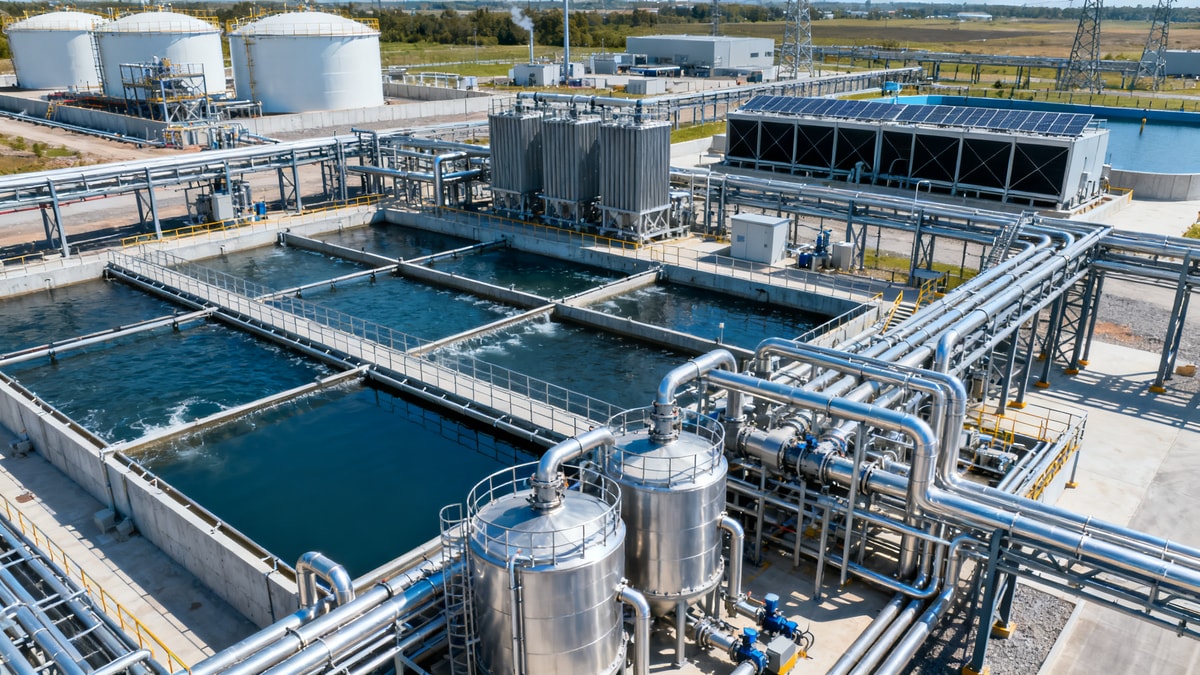
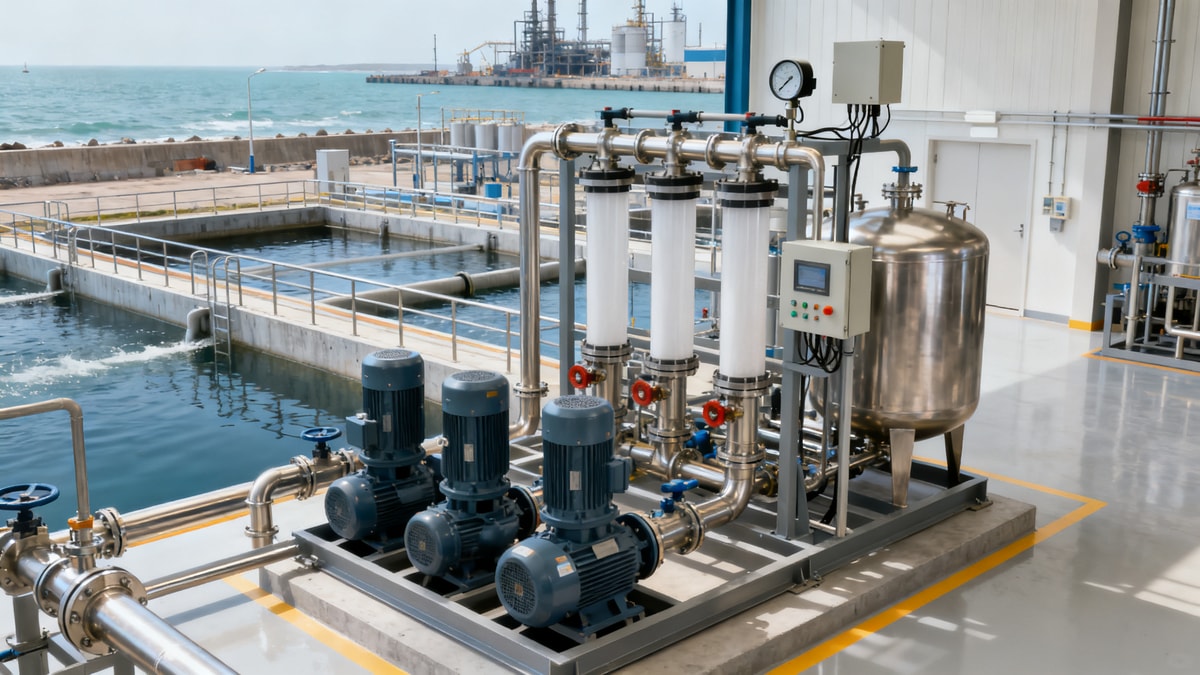
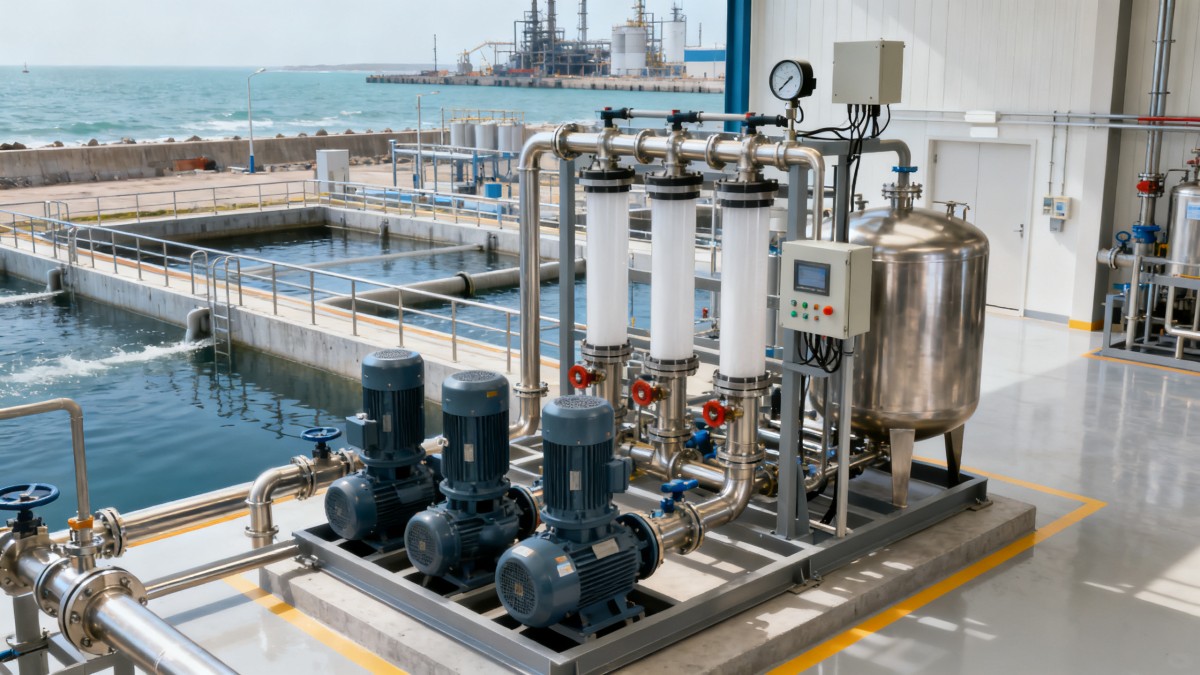
In water transfer, wastewater treatment, industrial reuse, and process discharge projects, environmental engineering standards directly shape pumps, valves, tanks, membranes, dosing skids, and instrumentation. Project teams often focus on flow and pressure, but discharge quality and chemical compatibility usually become the decisive factors.
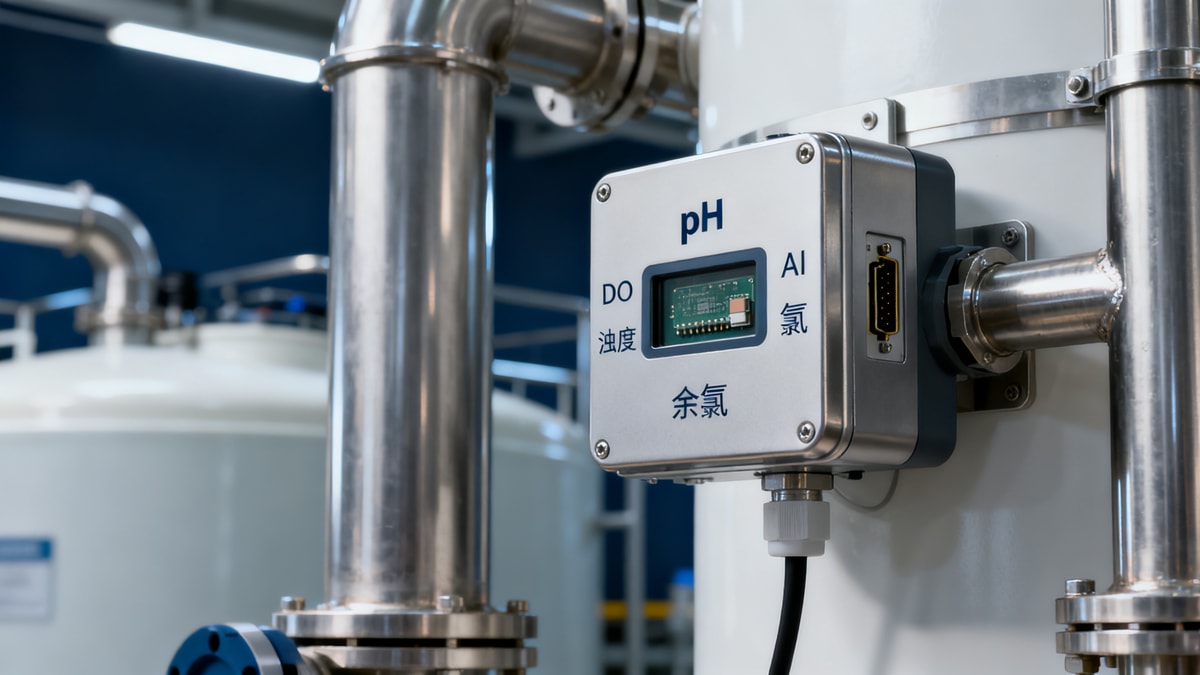
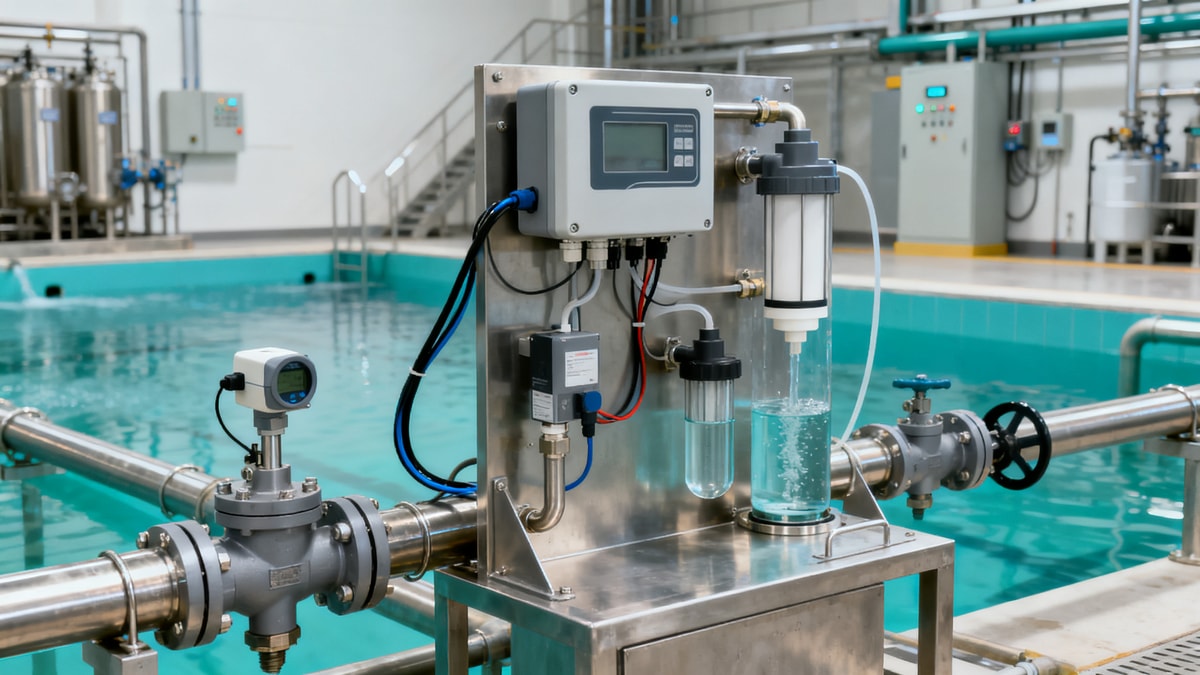
For example, projects handling acidic streams, saline water, or abrasive sludge need more than hydraulic sizing. Material selection must consider long-term corrosion, seal performance, solids loading, and cleanability. Standards and permit conditions may also require online monitoring for pH, turbidity, conductivity, or total suspended solids. Choosing equipment without accommodating sampling points, calibration access, and control integration creates costly retrofits later.
For project managers, the key question is not only “Will it move the fluid?” but “Will it help maintain compliant discharge over the full operating range?” That framing changes how environmental engineering standards affect equipment selection from day one.
Scenario 2: Power, boiler, and utility systems are judged by emissions as much as output
Utility equipment is often purchased under schedule pressure because it supports the whole plant. Yet this is precisely where environmental engineering standards can alter specifications late in design. Boilers, backup generators, thermal oxidizers, compressors, and cooling systems may all be subject to emission thresholds, noise limits, efficiency requirements, and operating hour restrictions.
In these settings, teams should compare not only nameplate capacity but also burner technology, NOx control options, particulate filtration, acoustic treatment, and stack testing readiness. A lower-cost generator that lacks emissions documentation or post-treatment compatibility can become more expensive than a premium unit once permitting delays, fuel consumption, and upgrade work are included.
This is one of the clearest ways environmental engineering standards influence lifecycle cost. In utilities, compliance is not a one-time acceptance item; it affects daily operating economics.
Scenario 3: Chemical handling and containment projects depend on prevention, not reaction
In storage terminals, process plants, laboratories, and bulk transfer areas, the most important environmental engineering standards are often those tied to leak prevention, spill containment, and vapor management. Here, equipment selection expands beyond tanks and pumps to include bund systems, liners, leak detection, overfill protection, emergency isolation, and compatible gasket materials.
Different scenarios create different priorities. A facility storing aggressive solvents needs strong vapor control and seal compatibility. A site handling oils may place more emphasis on drainage segregation and stormwater protection. A pharmaceutical process suite may require highly controlled washdown and validated waste capture. In each case, the right equipment package is the one that works with the environmental control strategy, not beside it.
For procurement and engineering leads, a useful rule is to verify whether the equipment supports containment as an integrated system. Environmental engineering standards are frequently missed when containment is divided across too many vendors without clear interface responsibility.
Scenario 4: Dust, fumes, and worker-facing processes need combined safety and ecology logic
Metals, cement, food powders, battery materials, woodworking, and bulk solids operations all face a common challenge: airborne contaminants create both environmental and occupational exposure risks. In such plants, environmental engineering standards affect dust collectors, extraction fans, duct routing, filtration media, scrubbers, and monitoring devices.
The mistake many projects make is treating air handling as a comfort or housekeeping issue. In reality, capture velocity, filter efficiency, explosion protection, and emissions verification all determine whether a system is fit for purpose. A collector sized only for average throughput may fail during surge conditions. A filter material chosen for low cost may degrade under heat or chemical exposure. A poorly designed duct layout can reduce capture performance and increase maintenance burden.
For high-particulate scenarios, environmental engineering standards should be reviewed together with process variability, maintenance access, and shutdown consequences. That combination leads to more durable decisions.
Scenario 5: Outdoor, marine, and remote assets need resilience built into compliance
Remote substations, mining sites, ports, desalination facilities, and outdoor process skids often operate in harsh environmental conditions. In these projects, environmental engineering standards are closely linked to durability. Corrosion resistance, ingress protection, UV stability, drainage design, runoff control, and maintenance frequency all become selection criteria.
A standard enclosure that performs well in a sheltered plant may fail rapidly in salt-laden air. Similarly, instruments that meet functional requirements in a clean utility room may drift or clog in dusty outdoor service. The result is not only maintenance cost; it can also undermine environmental monitoring accuracy and reporting confidence.
For these scenarios, project teams should ask whether the equipment remains compliant under actual site exposure, not ideal operating assumptions. That is where environmental engineering standards become a resilience tool rather than a paperwork exercise.
How to match standards requirements to real project needs
A practical selection process usually works best when structured around a few checkpoints:
- Define the environmental exposure: air, water, chemicals, solids, weather, or mixed conditions.
- Map the compliance path: local permit terms, client specifications, international certifications, and corporate sustainability targets.
- Check operating variability: startup, upset, cleaning cycles, seasonal shifts, and peak production events.
- Require documentation early: material certificates, emissions data, efficiency records, test reports, and integration drawings.
- Evaluate maintainability: calibration access, filter replacement, drainage cleaning, corrosion inspection, and spare strategy.
This process helps project leaders convert broad environmental engineering standards into actionable specification language. It also improves alignment between engineering, procurement, HSE, and operations teams.
Common misjudgments that create rework
Several repeat mistakes appear across industrial projects. One is assuming a certified component guarantees a compliant system. Another is selecting equipment on nominal capacity without checking performance under real contaminant load. Teams also underestimate the impact of maintenance access on continued compliance, especially for analyzers, scrubbers, and filtration systems. A further issue is treating environmental engineering standards as country-specific paperwork rather than design inputs that affect layout, materials, and controls.
These errors are especially costly in retrofit projects, where footprint constraints and existing utility limitations reduce flexibility. In those cases, early scenario review can prevent expensive redesign after vendor award.
FAQ for engineering leads and project managers
Do environmental engineering standards apply only to treatment equipment?
No. They often affect utility assets, electrical enclosures, sensors, ventilation, storage systems, and even material finishes. Any equipment interacting with emissions, discharge, weather, or hazardous media may be impacted.
When should they be reviewed in a project timeline?
Ideally during concept and FEED stages, before major specifications are frozen. Early review reduces procurement risk and avoids later conflicts between vendor design and permit conditions.
What is the biggest selection mistake?
Choosing equipment that meets process duty on paper but does not support long-term compliance under actual operating conditions. This usually shows up in corrosion, emissions drift, poor monitoring access, or upset-event underperformance.
Final decision guidance for complex industrial projects
The strongest equipment decisions come from matching environmental engineering standards to the real application scenario, not from applying generic selection rules. For project managers and engineering leads, the most effective approach is to identify the dominant exposure, define the compliance pathway, compare lifecycle implications, and test each shortlisted option against operational variability. Whether the project involves water systems, utilities, chemical handling, particulate control, or outdoor infrastructure, scenario-based evaluation turns standards into a competitive advantage.
If your team is preparing specifications, supplier evaluations, or cross-border procurement packages, use environmental engineering standards as an early decision framework. That step will improve vendor alignment, reduce redesign risk, and support safer, more resilient industrial assets over the full project lifecycle.
Technical Specifications
Expert Insights

Chief Security Architect
Dr. Thorne specializes in the intersection of structural engineering and digital resilience. He has advised three G7 governments on industrial infrastructure security.
Related Analysis
- May 04, 2026When Components & Metals bulk order pricing stops being cheaperAuthor :Heavy Industry Strategist
- May 04, 2026What makes an Instruments & Measurement supplier dependableAuthor :Precision Metrology Expert
- May 04, 2026How to assess an Environment & Ecology exporter by documentationAuthor :Environmental Engineering Director
Core Sector // 01
Security & Safety
- Environmental engineering standards that affect equipment selectionAuthor :Environmental Engineering Director

- Industrial ecology trends changing plant upgrade prioritiesAuthor :Environmental Engineering Director

- SASO AI Sensor Compliance: Saudi Arabia Enforces AI Module Registration for Industrial Water SensorsAuthor :Environmental Engineering Director

- Drainage Cell Systems: Why Load Rating Is Often MisreadAuthor :Environmental Engineering Director

- Oil Skimmer Wholesale: Which Type Fits Light Oil Best?Author :Environmental Engineering Director

- Rainwater Harvesting Tanks: Is Bigger Always More Efficient?Author :Environmental Engineering Director

- Oil Water Separator Commercial Systems: What Drives Service Cost?Author :Environmental Engineering Director

- Water Quality Online Analyzer Selection Mistakes to AvoidAuthor :Environmental Engineering Director