Wholesale Filter Press Options That Change Operating Cost
Author
Date Published
Reading Time
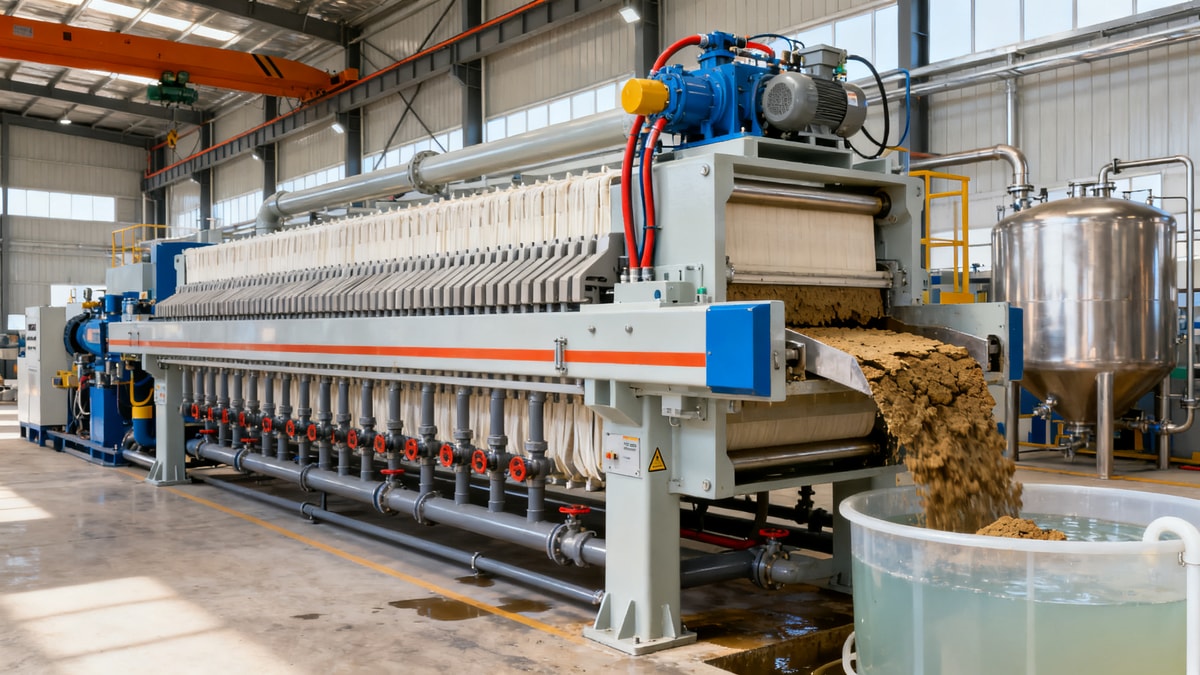
For finance decision-makers, choosing the right wholesale filter press is not just a procurement task—it directly shapes capital efficiency, maintenance budgets, energy use, and long-term operating cost. Understanding how different configurations, materials, and automation levels affect total ownership expense can help reduce risk, improve payback, and support smarter industrial investment decisions.
Why operating cost has become the real filter press decision point
A clear shift is underway in industrial procurement. Buyers once compared a wholesale filter press mainly on initial price, plate size, and nominal capacity. Today, that narrow view is losing ground. Energy pressure, labor scarcity, stricter wastewater expectations, and closer scrutiny of asset utilization are changing how filtration equipment is evaluated. For financial approvers, the question is no longer “Which unit costs less today?” but “Which system lowers the total cost of ownership over the next five to ten years?”
This shift matters across mining, chemicals, food processing, metallurgy, sludge treatment, and other industrial sectors where separation performance affects both compliance and output. In these environments, a wholesale filter press is not a static machine purchase. It is a cost center that can either absorb cash through downtime, cloth replacement, and manual intervention, or protect cash flow through stable solids handling and predictable maintenance cycles.
As a result, the market is moving toward cost-informed specification. Procurement teams are asking harder questions about cycle time, moisture reduction, automation value, spare part standardization, and the cost of unplanned shutdowns. This trend is especially relevant for finance leaders who approve CAPEX but are ultimately judged on lifecycle return.
The market signals behind this change
Several signals explain why wholesale filter press selection is becoming more financially analytical. First, utilities and energy costs remain volatile in many industrial regions. Even where filtration itself is not the largest energy consumer, the upstream and downstream effects of poor dewatering can raise pumping, drying, hauling, and disposal expense. Second, environmental enforcement has become more operational rather than purely administrative. Plants are under pressure to reduce sludge volume, improve liquid recovery, and document consistent treatment performance.
Third, labor economics are changing. A lower-priced manual or semi-automatic press may appear attractive at purchase stage, but it can create hidden cost through attendance requirements, slower cake discharge, inconsistent cycle control, and safety exposure. Fourth, supply chain disruptions have taught industrial buyers that spare parts availability, local service response, and component commonality can materially influence asset uptime. In that context, the wholesale filter press market is being reshaped by resilience as much as by price.
For finance teams, these signals point to a simple conclusion: the wholesale filter press category is moving from commodity buying toward performance-based investment review.
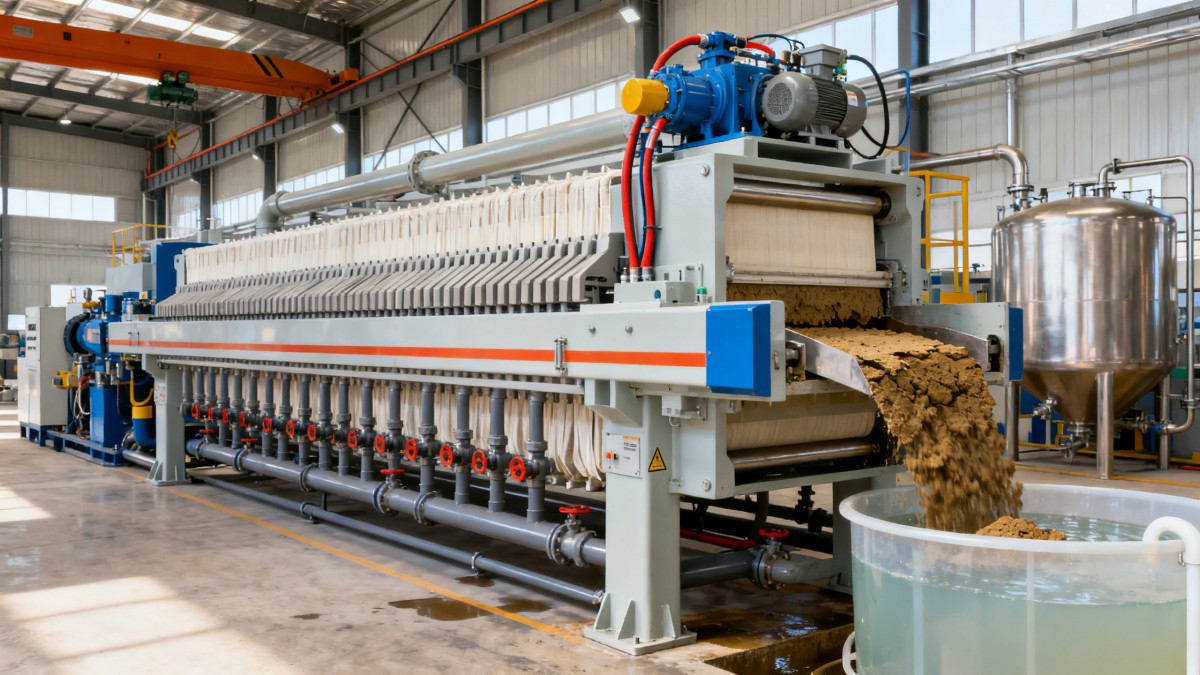
Which wholesale filter press options are changing cost structures most
Not every design option has equal financial weight. Some features have a direct and measurable effect on operating expense, while others mainly improve convenience. The current market trend favors options that reduce repetitive labor, shorten filtration cycles, improve cake release, and extend service intervals.
Automation is shifting from premium feature to cost-control tool
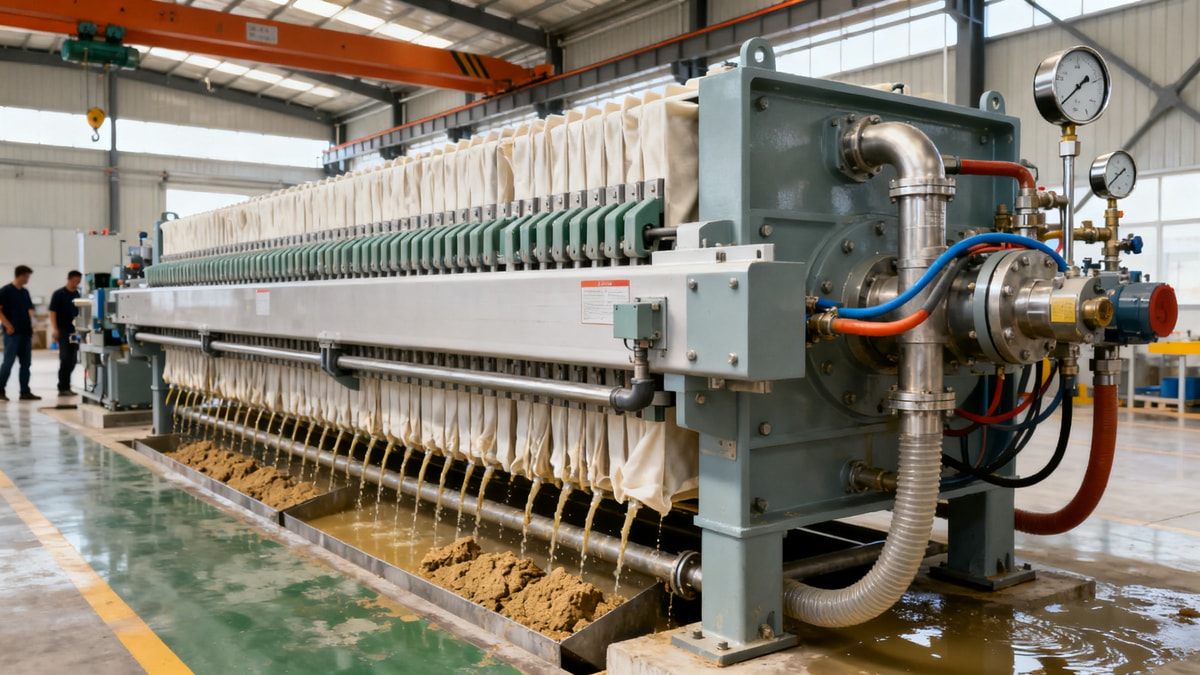
Automatic plate shifters, cloth washing systems, drip trays, PLC control, and remote diagnostics are increasingly being judged against labor and uptime rather than against purchase price alone. A more automated wholesale filter press often carries a higher upfront cost, but the cost profile can improve when plants run multiple shifts, handle hazardous slurry, or need predictable cycle repeatability. For finance approvers, the decision should be tied to operator cost per cycle, lost production during intervention, and the cost of inconsistent discharge.
Plate material and frame robustness are becoming lifecycle issues
In aggressive chemical, high-solid, or high-pressure environments, cheaper plate materials may increase replacement frequency, leakage risk, or sealing issues. Likewise, underbuilt frames can create alignment problems over time. The trend is toward specifying plate and frame materials based on actual slurry chemistry and duty severity, not generic assumptions. A wholesale filter press that lasts longer between major part replacements may produce a stronger internal rate of return even if acquisition cost is higher.
Cloth selection now has stronger financial visibility
Filter cloth used to be treated as a routine consumable. That is changing. Cloth permeability, cleaning compatibility, and resistance to blinding directly affect throughput and filtrate quality. Poor cloth matching can raise labor input, increase cycle time, and reduce effective plant capacity. In many operations, the right cloth strategy has a larger cumulative cost effect than a modest discount on the machine itself.
Hydraulic and feed system design matters more under continuous cost review
Hydraulic reliability, feed pressure stability, and valve quality influence cycle consistency and maintenance burden. When these subsystems are underspecified, the result is often not immediate failure but chronic inefficiency. Finance leaders should recognize this pattern because chronic inefficiency rarely appears in a single invoice, yet it steadily raises the cost base of the asset.
How the impact differs across stakeholders
The same wholesale filter press option can look very different depending on who evaluates it. That is why approval delays often happen between engineering, operations, procurement, and finance. A trend-aware review translates technical options into budget language that each stakeholder can recognize.
This alignment is important because low-cost bids can win early attention while creating cost friction later. A disciplined wholesale filter press review should therefore assign monetary value to labor, downtime, consumables, compliance exposure, and material handling impact.
Why low purchase price is losing influence in serious industrial evaluations
The procurement environment is not eliminating price sensitivity, but it is redefining it. A lower bid still matters. However, it matters less when the machine operates in a process where each lost hour affects production, water recovery, transport cost, or environmental performance. In these conditions, finance teams are increasingly willing to support a more expensive wholesale filter press if the supplier can document lower operating expense and reduced volatility.
This is especially true in sectors with fluctuating feed characteristics. If slurry concentration, particle size, or chemistry varies over time, equipment tolerance becomes financially significant. Machines with tighter pressure control, stronger materials, or better automation may protect output quality when process conditions drift. That stability has real value because it reduces emergency interventions, quality loss, and budget surprises.
What finance decision-makers should examine before approving a wholesale filter press
A trend-based review starts with questions that convert technical claims into economic impact. Instead of asking only for unit price and lead time, finance leaders should request evidence around cost drivers that persist after installation.
- What is the expected cycle time under actual slurry conditions, not ideal test conditions?
- How many operator touchpoints are required per shift, and what is the labor cost effect?
- What are the annual replacement assumptions for cloths, plates, seals, and hydraulic parts?
- How does cake dryness influence disposal, transport, or downstream drying expense?
- What is the vendor’s spare parts availability and field support capability by region?
- Can the wholesale filter press be expanded, upgraded, or integrated into future automation plans?
These questions help identify whether a quotation is genuinely economical or simply incomplete. In the current market, incomplete costing is one of the biggest sources of procurement error.
The next phase of the market: smarter specification, not just bigger equipment
Looking ahead, the most important direction is not necessarily larger capacity. It is smarter matching of specification to process risk. Plants are becoming more selective about automation level, plate technology, wash systems, and digital controls based on production profile. A wholesale filter press for a stable, low-risk batch line may justify a different configuration than a unit serving a continuous, compliance-sensitive operation.
This means the market is likely to keep rewarding suppliers that can connect equipment design to measurable operating outcomes. Buyers increasingly want pre-sale application understanding, not just catalog data. For finance stakeholders, that creates a practical screening rule: vendors that cannot explain cost behavior across the asset life may not be the right long-term partners, regardless of bid attractiveness.
A practical decision framework for current approvals
In practical terms, this framework helps financial approvers separate headline savings from durable savings. That distinction is becoming more important as industrial organizations tighten capital discipline while still expecting resilience and compliance.
Conclusion: the best wholesale filter press decision now starts with cost behavior
The strongest market trend is clear: wholesale filter press buying is becoming less about simple machine comparison and more about operational economics. Changes in labor availability, energy exposure, environmental accountability, and uptime expectations are pushing companies to evaluate filtration equipment through a total-cost lens. For finance decision-makers, that is good news. It creates a more disciplined basis for approval and a stronger link between equipment choice and long-term business performance.
If your organization wants to judge how these changes affect a specific project, focus on a few questions first: which operating costs are most sensitive in your process, what downtime truly costs per hour, how variable your slurry conditions are, and whether a higher-spec wholesale filter press could reduce recurring expense enough to justify the premium. When those answers are clear, approval becomes less subjective and far more strategic.
Technical Specifications
Expert Insights

Chief Security Architect
Dr. Thorne specializes in the intersection of structural engineering and digital resilience. He has advised three G7 governments on industrial infrastructure security.
Related Analysis
- May 02, 2026Chemical Metering Pumps: Which Dosing Errors Cost the Most?Author :Environmental Engineering Director
- May 02, 2026What Sets One Belt Filter Press Manufacturer Apart?Author :Environmental Engineering Director
- May 02, 2026Moving Bed Biofilm Reactor MBBR Retrofit Benefits and LimitsAuthor :Environmental Engineering Director
Core Sector // 01
Security & Safety
- Chemical Metering Pumps: Which Dosing Errors Cost the Most?Author :Environmental Engineering Director

- What Sets One Belt Filter Press Manufacturer Apart?Author :Environmental Engineering Director

- Moving Bed Biofilm Reactor MBBR Retrofit Benefits and LimitsAuthor :Environmental Engineering Director

- Wholesale Ozone Generators: Output Claims vs Real PerformanceAuthor :Environmental Engineering Director

- How Sludge Dewatering Machine Choice Affects Disposal FeesAuthor :Environmental Engineering Director

- Wholesale Dosing Pumps: Which Materials Last Longer?Author :Environmental Engineering Director

- Dissolved Air Flotation DAF Problems That Raise Sludge VolumeAuthor :Environmental Engineering Director

- Chamber Filter Press Cycle Time: What Slows It Down?Author :Environmental Engineering Director