Wholesale Dosing Pumps: Which Materials Last Longer?
Author
Date Published
Reading Time
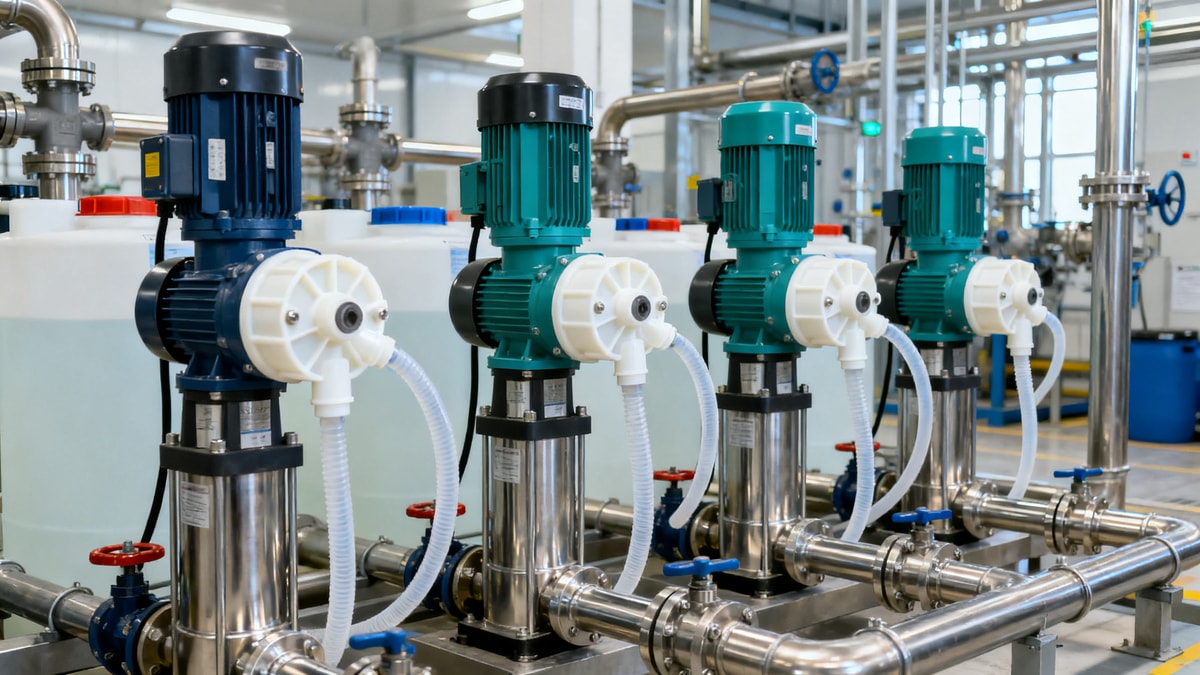
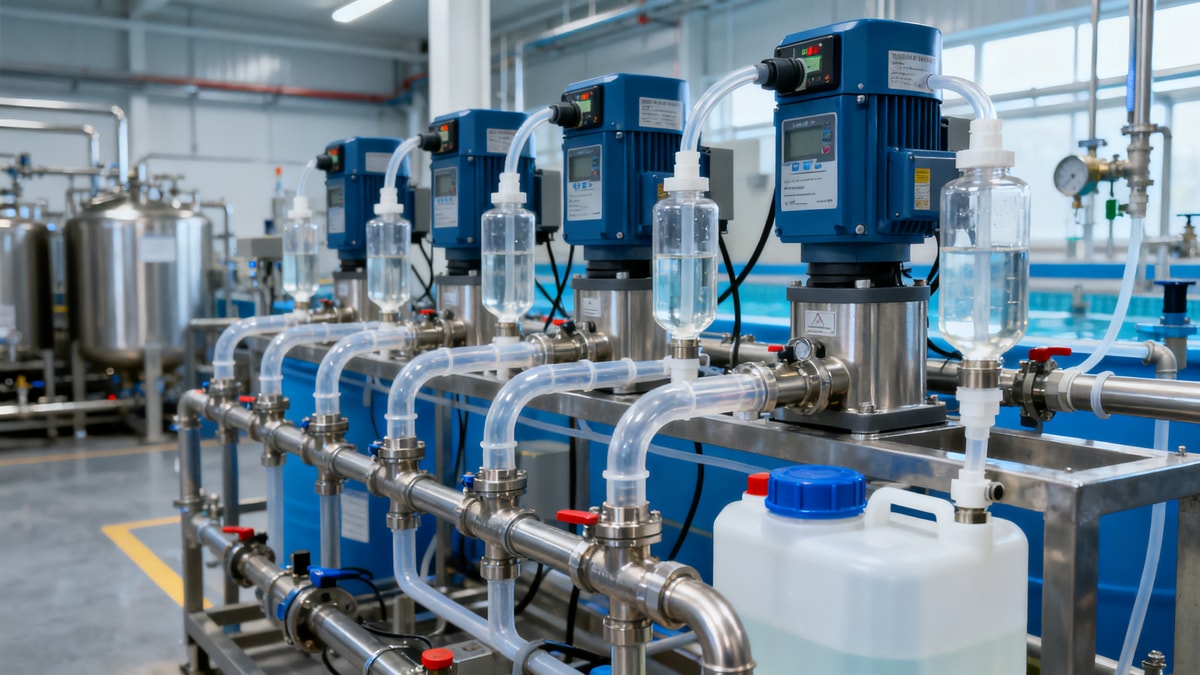
When sourcing wholesale dosing pumps, material selection directly affects service life, chemical resistance, and total operating cost. For business evaluators comparing suppliers, understanding how PVC, PVDF, stainless steel, and elastomers perform under different industrial conditions is essential. This guide explores which materials last longer and how to choose the most reliable option for demanding applications.
In industrial procurement, a dosing pump is rarely judged by price alone. A unit that costs 12% less upfront can create 30% to 50% higher maintenance expense if the wetted parts are mismatched to the chemical, temperature, or pressure profile. For EPC teams, plant managers, and sourcing specialists evaluating wholesale dosing pumps, the real question is not only which material survives, but which one delivers stable metering accuracy over 2 to 5 years of continuous operation.
Material longevity depends on four practical variables: chemical compatibility, operating temperature, pressure range, and maintenance discipline. It also depends on whether buyers are evaluating the full fluid path, including pump head, diaphragm, valve seats, seals, and tubing. A chemically resistant housing means little if the elastomer fails every 6 months. That is why business evaluators should compare materials as a system rather than as isolated parts.
Why Material Choice Determines the Real Lifespan of Wholesale Dosing Pumps
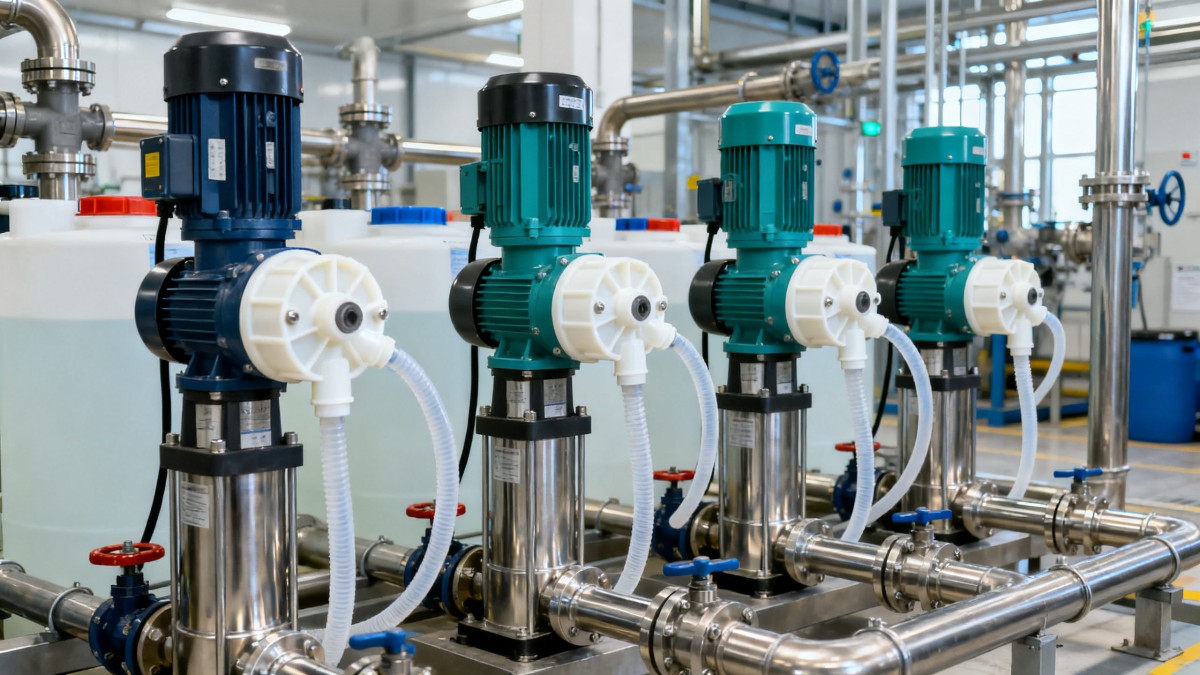
For most wholesale dosing pumps used in water treatment, chemical processing, food utilities, mining support systems, or environmental control lines, service life is linked to corrosion rate, dimensional stability, and resistance to fatigue. In practical terms, the same pump design may last 18 months in one plant and more than 6 years in another purely because of different chemical duty.
The 4 variables that affect material durability
Business evaluators should verify at least 4 operating inputs before approving a supplier: chemical concentration, fluid temperature, line pressure, and dosing frequency. A sodium hypochlorite line at ambient temperature creates a different risk profile than a hot acid transfer line operating at 6 to 10 bar. Even a small change from 25°C to 45°C can shorten elastomer life significantly in some compounds.
- Chemical concentration: dilute media below 5% often permit broader material choice than concentrated solutions above 20%.
- Temperature: many plastics perform well below 40°C, while performance can change rapidly above 60°C.
- Pressure and pulsation: higher stress accelerates fatigue in diaphragms, valve assemblies, and seal interfaces.
- Duty cycle: 8-hour intermittent use and 24/7 operation should never be evaluated with the same maintenance expectation.
Why the “wetted path” matters more than the outer casing
Many sourcing reviews focus too heavily on pump body material, but the highest failure rate often comes from the wetted path. In wholesale dosing pumps, the pump head, diaphragm, valve balls, seats, O-rings, and injection fittings may use different materials. A stainless steel shell with EPDM seals can still fail early if the process fluid attacks the elastomer after 3 to 9 months.
For commercial comparison, evaluators should request a complete bill of wetted materials, not a simplified datasheet line. This single step reduces hidden compatibility risk and improves supplier-to-supplier benchmarking.
Typical durability profile by material family
The table below gives a practical comparison of common materials used in wholesale dosing pumps. These are general industrial ranges rather than universal guarantees, because actual life depends on chemistry, operating regime, and maintenance standards.
The key takeaway is that PVDF often provides the best balance for harsh chemical service, while stainless steel performs well where mechanical strength and pressure resistance are more important than broad chemical compatibility. PVC remains a strong value option for standard water and utility applications, but elastomer selection often decides whether the system reaches its expected maintenance interval.
Comparing PVC, PVDF, Stainless Steel, and Elastomers in Industrial Applications
Not all industrial environments place the same stress on wholesale dosing pumps. Evaluators should match material selection to fluid chemistry, cleaning regimen, and uptime target. A wastewater plant running caustic correction has different needs than a process line dosing solvent-based additives or a scrubber system handling corrosive media.
PVC: practical for standard duty and cost-sensitive projects
PVC is widely used in wholesale dosing pumps because it offers a strong balance of affordability and compatibility with many water treatment chemicals. It is commonly selected for chlorine-based dosing, pH adjustment, and utility-grade chemical injection where process temperatures stay below 40°C and pressure remains moderate, often under 6 bar.
Its main limitation is long-term thermal and chemical stress. In outdoor or UV-exposed installations, and in systems with stronger oxidizers or elevated temperatures, PVC can lose toughness over time. For procurement teams comparing bids, PVC is often suitable when the application is stable, maintenance access is easy, and replacement intervals of 24 to 48 months are acceptable.
PVDF: preferred for aggressive chemicals and longer reliability windows
PVDF is often the premium polymer choice in wholesale dosing pumps because it resists a broader range of acids, oxidizing agents, and specialty chemicals. It also performs better than PVC at higher temperatures, frequently up to 80°C in suitable designs, though final limits always depend on the full assembly.
For business evaluators, PVDF becomes attractive when downtime cost is high or chemical attack history already exists in the plant. A higher purchase price can be justified if it reduces unplanned shutdowns, lowers spare consumption, and extends replacement cycles from 2 years to 5 years or more under comparable duty.
Stainless steel: strong under pressure, selective in chemistry
Stainless steel, especially 316 or equivalent industrial grades, is valued for structural strength, pressure tolerance, and mechanical durability. It is often chosen in applications involving solvents, oils, higher line pressures, or demanding skid integration. In some installations, it handles 10 to 20 bar service more comfortably than many plastic pump heads.
However, stainless steel is not automatically the longest-lasting option. In chloride-rich environments, certain acids, or oxidizing conditions, corrosion risk can rise quickly. Procurement teams should avoid assuming metal always outlasts plastic. In chemical dosing, compatibility usually matters more than appearance or perceived robustness.
Elastomers and diaphragms: the hidden driver of maintenance cost
Elastomers such as EPDM, FKM, and composite PTFE-backed diaphragms are frequently the first wear components in wholesale dosing pumps. They handle flexing, sealing, and repetitive cycle stress. If the elastomer swells, hardens, cracks, or loses elasticity, the pump may lose accuracy long before the rigid head material reaches end of life.
For many industrial buyers, the difference between a stable 12-month service cycle and a disruptive 3-month intervention schedule is determined by diaphragm and seal selection. This is why pump-head material alone should never drive a sourcing decision.
Application-to-material fit
The matrix below helps evaluators align common industrial scenarios with realistic material priorities when reviewing wholesale dosing pumps from multiple suppliers.
This comparison shows that the longest-lasting material is application-specific. PVC may be the correct choice in stable utility service, while PVDF often wins in chemically aggressive duty. Stainless steel remains valuable, but only where chemistry supports it. In every case, elastomer compatibility must be validated separately.
How Business Evaluators Should Assess Suppliers of Wholesale Dosing Pumps
Material performance is only one side of the sourcing decision. The same nominal material can produce very different field results depending on machining quality, diaphragm design, valve consistency, and documentation discipline. Business evaluators should therefore review suppliers using a structured checklist rather than relying on brochure claims.
A 6-point procurement checklist
- Request the full wetted material list, including seals, balls, seats, diaphragm layers, and fittings.
- Confirm temperature and pressure ratings for the exact material combination, not only the pump family.
- Ask for recommended maintenance intervals in hours, months, or stroke count where available.
- Check spare-part availability and average replenishment lead time, ideally within 7 to 21 days for core wear items.
- Review compliance documents relevant to the project, such as CE, ISO-related production controls, or required regional standards.
- Compare calibration stability and dosing accuracy expectations, especially if the process tolerance is tight.
Questions that expose hidden risk
During supplier evaluation, buyers should ask what happens at 40°C, 60°C, or under continuous 24/7 duty. They should also ask how the pump performs after dry-run events, chemical crystallization, or intermittent shutdown. These operational realities often reveal more than headline specifications.
Another useful test is to compare total ownership assumptions across 12, 24, and 36 months. If one supplier quotes a lower pump price but requires two extra diaphragm kits per year, the commercial advantage may disappear quickly. For high-volume buyers of wholesale dosing pumps, lifecycle costing is usually more accurate than unit-price ranking.
Common sourcing mistakes
- Choosing stainless steel because it “looks stronger” without checking chloride exposure.
- Selecting PVC for elevated-temperature service to save capex.
- Approving the head material but ignoring seal and diaphragm compatibility.
- Failing to align spare strategy with plant maintenance cycles of 3, 6, or 12 months.
- Comparing only flow rate and pressure, not chemical duty or calibration stability.
Practical Buying Recommendations for Longer Service Life
For most business evaluators, the best procurement outcome is not finding a universal winner but selecting the best-fit material package for the actual duty profile. In standard water and utility service, PVC-based wholesale dosing pumps can deliver strong value when temperature and chemical severity remain moderate. In corrosive or high-consequence applications, PVDF often justifies the higher investment through fewer failures and longer intervals between service events.
When to prioritize each material
Prioritize PVC when the process is stable, the fluid is well understood, and budget sensitivity is high. Prioritize PVDF when chemical aggression, uptime pressure, or maintenance access makes failure expensive. Prioritize stainless steel when pressure load, mechanical integration, or solvent compatibility is the main driver. In all three cases, treat elastomer choice as a separate approval gate.
Recommended evaluation sequence
A reliable review sequence is simple: first define the chemical and operating envelope, then screen material compatibility, then compare maintenance intervals, and finally assess supplier support. This 4-step process is faster and more defensible than beginning with price negotiation alone.
If your team is reviewing wholesale dosing pumps for multi-site deployment, standardizing material selection by duty category can also reduce spare complexity. Many industrial buyers use 2 to 3 approved material configurations rather than a different specification for every site.
The most durable wholesale dosing pumps are the ones matched carefully to chemistry, temperature, pressure, and maintenance reality. PVC can last well in routine service, PVDF often leads in aggressive chemical applications, stainless steel performs where mechanical strength is critical, and elastomers frequently determine the true maintenance cycle. For business evaluators, the safest decision comes from reviewing the entire wetted path, not just the pump body.
If you are comparing suppliers for industrial dosing systems, Global Industrial Core can help you assess material fit, supplier documentation, and procurement risk with greater clarity. Contact us to discuss your application, request a tailored sourcing framework, or learn more solutions for selecting wholesale dosing pumps with longer service life and lower total operating cost.
Technical Specifications
Expert Insights

Chief Security Architect
Dr. Thorne specializes in the intersection of structural engineering and digital resilience. He has advised three G7 governments on industrial infrastructure security.
Related Analysis
- May 02, 2026Chemical Metering Pumps: Which Dosing Errors Cost the Most?Author :Environmental Engineering Director
- May 02, 2026What Sets One Belt Filter Press Manufacturer Apart?Author :Environmental Engineering Director
- May 02, 2026Moving Bed Biofilm Reactor MBBR Retrofit Benefits and LimitsAuthor :Environmental Engineering Director
Core Sector // 01
Security & Safety
- Chemical Metering Pumps: Which Dosing Errors Cost the Most?Author :Environmental Engineering Director

- What Sets One Belt Filter Press Manufacturer Apart?Author :Environmental Engineering Director

- Moving Bed Biofilm Reactor MBBR Retrofit Benefits and LimitsAuthor :Environmental Engineering Director

- Wholesale Ozone Generators: Output Claims vs Real PerformanceAuthor :Environmental Engineering Director

- How Sludge Dewatering Machine Choice Affects Disposal FeesAuthor :Environmental Engineering Director

- Wholesale Dosing Pumps: Which Materials Last Longer?Author :Environmental Engineering Director

- Dissolved Air Flotation DAF Problems That Raise Sludge VolumeAuthor :Environmental Engineering Director

- Chamber Filter Press Cycle Time: What Slows It Down?Author :Environmental Engineering Director