How Sludge Dewatering Machine Choice Affects Disposal Fees
Author
Date Published
Reading Time
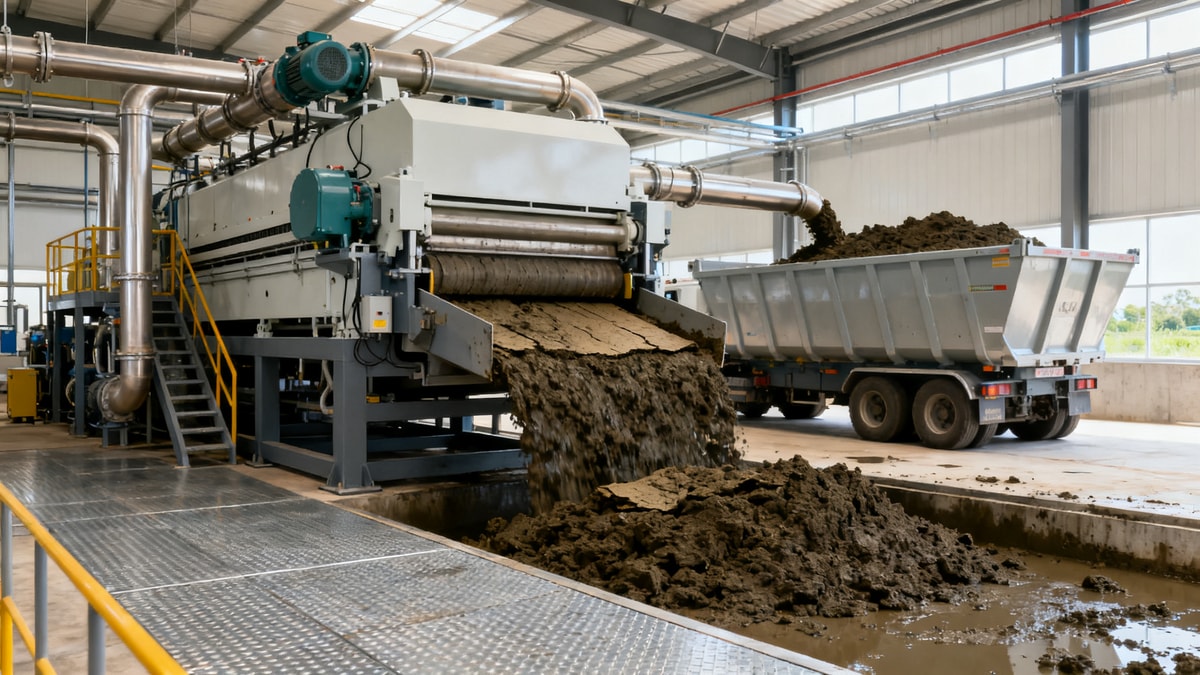
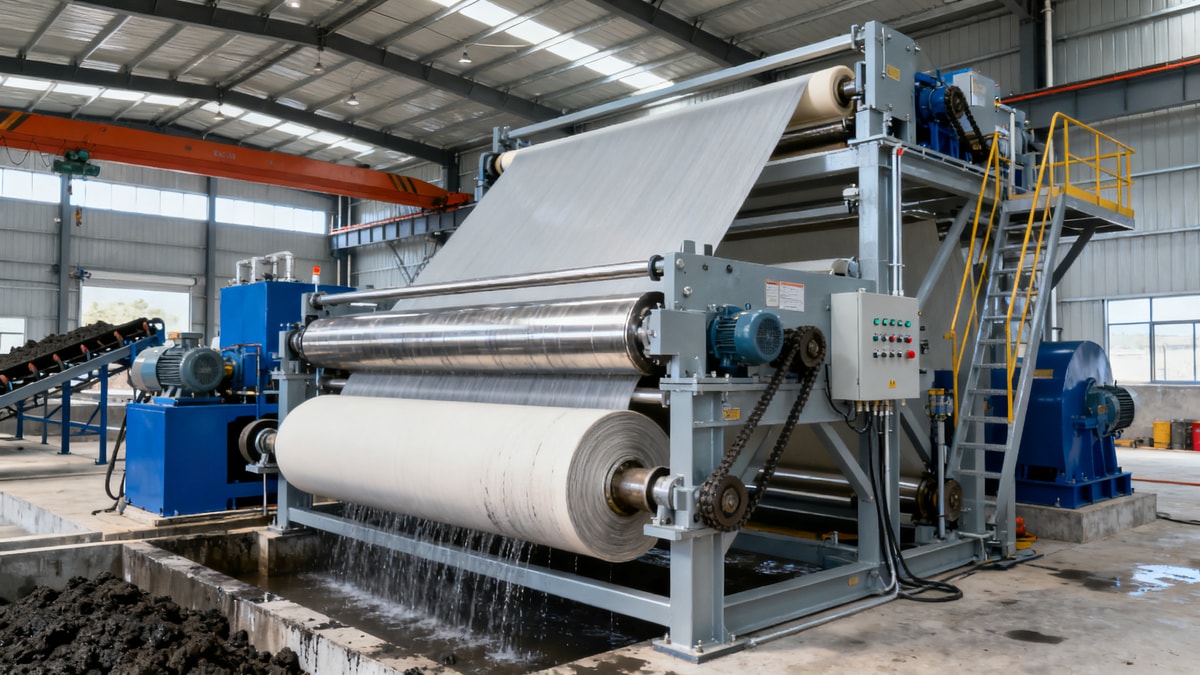
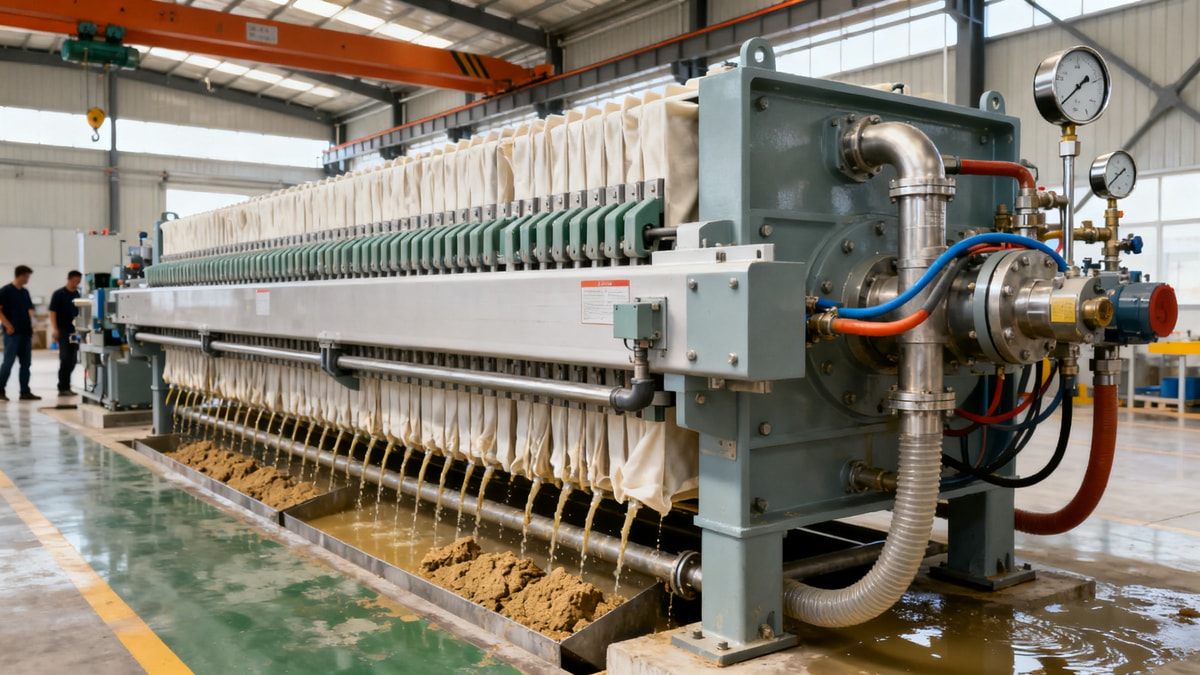
Choosing the right sludge dewatering machine directly influences hauling volume, treatment efficiency, and long-term disposal fees. For financial decision-makers, the real cost is not just equipment price, but how effectively a system reduces sludge weight, labor demands, and compliance risk. Understanding this connection helps organizations control operating expenses while improving return on capital investment.
Why disposal fees rise or fall with sludge dewatering machine selection
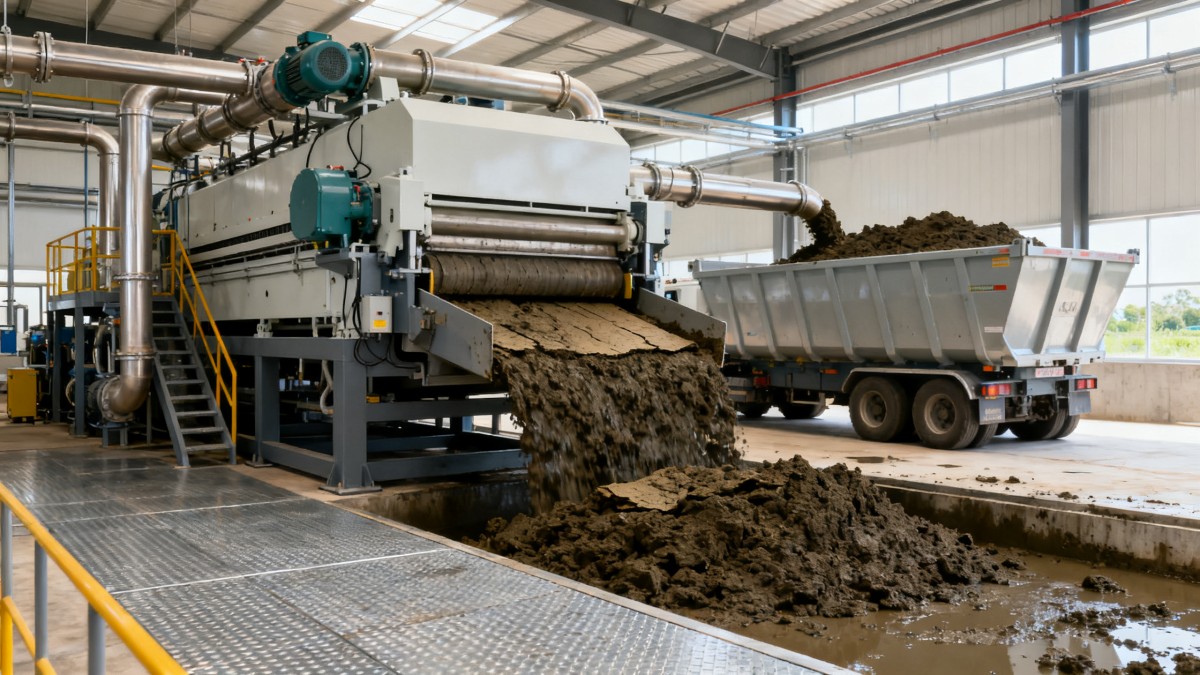
A sludge dewatering machine affects disposal fees because most downstream costs are tied to what leaves the site, not what enters the process. Hauling contractors often charge by wet weight, by volume, or by container frequency. Landfill, incineration, composting, and co-processing routes also react differently to cake solids content, contamination level, and consistency.
For a finance approver, this means the machine is not a standalone capital item. It is a cost lever inside a larger sludge management chain that includes polymer use, operator time, maintenance, transport scheduling, environmental compliance, and possible surcharge exposure when sludge is too wet or unstable for the intended disposal route.
In industrial and municipal-adjacent operations, even a small increase in dry solids can produce meaningful annual savings. A machine that lifts cake solids from 18% to 24% may reduce truck movements, disposal tonnage, and storage pressure enough to justify a higher purchase price. That is why the cheapest bid can become the most expensive operating choice.
- Lower cake moisture usually means fewer tons hauled and fewer disposal charges based on water content.
- Better solids capture reduces recycle load and helps avoid reprocessing costs or permit concerns.
- Stable automation can reduce labor hours, overtime, and process interruptions that often go unbudgeted.
- Appropriate material and design selection lowers unplanned maintenance and protects asset life in corrosive environments.
Which cost drivers matter most to financial decision-makers?
Procurement teams often compare quoted machine prices before they compare annual sludge economics. That approach misses the fact that the sludge dewatering machine sits at the point where process engineering and financial performance meet. The table below shows the cost categories that deserve attention before approval.
The key takeaway is simple: disposal fees are only one line item. A sound sludge dewatering machine decision must include recurring operating variables, sensitivity to sludge changes, and the financial penalty of underperforming solids reduction.
Why wet sludge is expensive
Water is the hidden cost inside sludge. If a site pays to transport and dispose of material that still carries excess moisture, it is effectively paying premium rates to move water. This becomes especially painful where disposal contracts include tipping fees, contaminated waste surcharges, or rigid delivery windows.
Why instability also costs money
A sludge dewatering machine that performs well only under ideal feed conditions may create inconsistent cake, overflow issues, or extra operator intervention. Finance teams should treat process instability as a budget risk because it increases hidden costs even when the machine appears affordable at purchase.
How common sludge dewatering machine types compare on disposal economics
Different dewatering technologies serve different sludge characteristics, throughput needs, and staffing models. No single machine suits every plant. The practical question for buyers is which option aligns best with disposal strategy, utility cost structure, and operator capability.
This comparison matters because the best sludge dewatering machine is the one that produces the lowest total annual sludge cost under real site conditions. Disposal economics improve when the machine, polymer program, and disposal route are evaluated together rather than separately.
A useful finance question
Ask suppliers to show the expected cost per ton of dry solids processed, not only the equipment price. That single request often reveals whether one option simply shifts cost from capital expenditure to operating expenditure.
What should a procurement team verify before approving a sludge dewatering machine?
A disciplined approval process reduces the chance of buying a machine that looks efficient on paper but fails under site variability. Financial approvers benefit from a short list of questions that link technical claims to budget outcomes.
- Confirm feed sludge characteristics, including solids concentration, organic content, oil or grit presence, and seasonal variation. Machine performance depends heavily on this baseline.
- Review guaranteed or expected cake solids, centrate quality, polymer demand, and throughput range under realistic operating conditions rather than ideal lab assumptions.
- Calculate disposal cost scenarios at different cake dryness levels. Small differences in moisture can materially affect annual off-site charges.
- Assess maintenance intervals, wear parts, required operator skill, and likely downtime. Lower staffing burden can offset a higher upfront quote.
- Check integration requirements such as power supply, odor control, wash water, polymer preparation, controls interface, and structural loading.
- Review conformity needs relevant to the project geography and end user expectations, including common references such as CE, UL, or ISO-related manufacturing systems where applicable.
Global Industrial Core supports this stage by helping buyers compare technical submissions in commercial terms. That includes translating performance language into risk-adjusted cost implications, especially for EPC teams and facility operators balancing compliance, uptime, and capex discipline.
A practical cost model for estimating disposal savings
Finance teams do not need a perfect engineering simulation to make a better decision. They need a structured model that connects machine output to annual spend. The table below shows a practical framework for evaluating a sludge dewatering machine proposal.
Using this model helps procurement avoid false savings. A lower-priced sludge dewatering machine can lose its advantage quickly if it generates wetter cake, consumes more polymer, or requires heavier operator involvement.
Where savings often appear fastest
- Sites paying high third-party hauling rates for wet sludge.
- Facilities with limited sludge storage where frequent pickups create logistics pressure.
- Plants facing labor constraints and looking for more stable, automated operation.
- Operations where disposal outlets penalize excessive moisture or inconsistent cake quality.
Common mistakes that increase sludge disposal fees
Many organizations overspend on sludge management not because they ignore dewatering, but because they evaluate it too narrowly. The most common errors are commercial, not mechanical.
Mistake 1: Buying on capex only
When a sludge dewatering machine is selected on quoted price alone, disposal cost, utility demand, and maintenance complexity are usually underestimated. The result is an attractive approval package followed by disappointing annual spend.
Mistake 2: Ignoring sludge variability
Sludge from food processing, metal finishing, chemical operations, and mixed industrial treatment systems behaves differently. A machine that performs well on one sludge type may not maintain the same dryness or capture rate on another.
Mistake 3: Underestimating support and integration
Poor controls integration, weak commissioning support, or unclear spare parts planning can delay savings. Financially, every week of unstable ramp-up extends the period in which the site continues paying avoidable disposal costs.
Mistake 4: Treating compliance as a separate issue
Disposal, safety, and equipment conformity are interconnected. Machine selection should consider site safety practices, environmental obligations, and buyer documentation requirements early, especially in cross-border industrial sourcing.
FAQ: sludge dewatering machine questions financial approvers often ask
How do I compare two sludge dewatering machine proposals fairly?
Compare them on total annual cost, not only purchase price. Include projected cake solids, hauling frequency, disposal fee structure, polymer dose, power use, labor hours, and expected maintenance. Ask both vendors to use the same sludge basis and disposal assumptions.
Is higher cake dryness always worth paying more for?
Not always. It depends on the disposal route and fee model. If your site pays very high hauling or tipping charges, incremental dryness can create a fast return. If disposal costs are modest and labor simplicity matters more, a different balance may produce a better financial outcome.
What data should be requested before approving budget?
Request sludge analysis, expected performance range, utility consumption, consumable assumptions, footprint and installation needs, startup scope, spare parts list, and documentation related to applicable conformity expectations. This turns a general quotation into an approval-ready investment case.
How long does it usually take to realize savings after installation?
Savings timing depends on commissioning quality, operator training, and disposal contract terms. In many cases, measurable reduction in hauled sludge can begin soon after stable operation is achieved, but full savings are clearer after polymer optimization and seasonal feed variation are accounted for.
Why work with Global Industrial Core for sludge dewatering machine evaluation
Global Industrial Core helps industrial buyers assess sludge dewatering machine options through a sourcing and technical intelligence lens rather than a single-vendor sales lens. For finance approvers, that means clearer evaluation of lifecycle cost, specification alignment, operational resilience, and documentation readiness for complex industrial procurement.
Our value is strongest when the purchase decision involves multiple constraints at once: disposal cost pressure, demanding site conditions, cross-functional approval, and the need to balance environmental performance with budget discipline. We support buyers with structured comparison criteria that translate technical differences into financial consequences.
- Parameter confirmation for sludge profile, throughput target, and expected cake solids.
- Product selection support across different sludge dewatering machine technologies.
- Delivery timeline review for EPC schedules, retrofit windows, and phased implementation.
- Discussion of customization needs, materials of construction, and controls integration.
- Guidance on common certification and documentation expectations for international procurement.
- Commercial alignment on quotation structure, spare parts scope, and total cost visibility.
If your team is reviewing disposal fees, preparing a capex request, or comparing sludge treatment routes, contact Global Industrial Core with your sludge data, disposal method, and operating targets. We can help frame the right technical and commercial questions before you commit budget, reducing the risk of selecting a sludge dewatering machine that looks economical upfront but costs more over time.
Technical Specifications
Expert Insights

Chief Security Architect
Dr. Thorne specializes in the intersection of structural engineering and digital resilience. He has advised three G7 governments on industrial infrastructure security.
Related Analysis
- May 02, 2026Chemical Metering Pumps: Which Dosing Errors Cost the Most?Author :Environmental Engineering Director
- May 02, 2026What Sets One Belt Filter Press Manufacturer Apart?Author :Environmental Engineering Director
- May 02, 2026Moving Bed Biofilm Reactor MBBR Retrofit Benefits and LimitsAuthor :Environmental Engineering Director
Core Sector // 01
Security & Safety
- Chemical Metering Pumps: Which Dosing Errors Cost the Most?Author :Environmental Engineering Director

- What Sets One Belt Filter Press Manufacturer Apart?Author :Environmental Engineering Director

- Moving Bed Biofilm Reactor MBBR Retrofit Benefits and LimitsAuthor :Environmental Engineering Director

- Wholesale Ozone Generators: Output Claims vs Real PerformanceAuthor :Environmental Engineering Director

- How Sludge Dewatering Machine Choice Affects Disposal FeesAuthor :Environmental Engineering Director

- Wholesale Dosing Pumps: Which Materials Last Longer?Author :Environmental Engineering Director

- Dissolved Air Flotation DAF Problems That Raise Sludge VolumeAuthor :Environmental Engineering Director

- Chamber Filter Press Cycle Time: What Slows It Down?Author :Environmental Engineering Director