Wholesale Ozone Generators: Output Claims vs Real Performance
Author
Date Published
Reading Time
When evaluating wholesale ozone generators, technical teams often face a gap between advertised output claims and verified field performance. This article examines how concentration, airflow, test conditions, and system design influence real-world ozone delivery, helping procurement and engineering professionals identify reliable specifications, reduce compliance risk, and make data-based sourcing decisions.
Why do wholesale ozone generators often perform differently in the field?
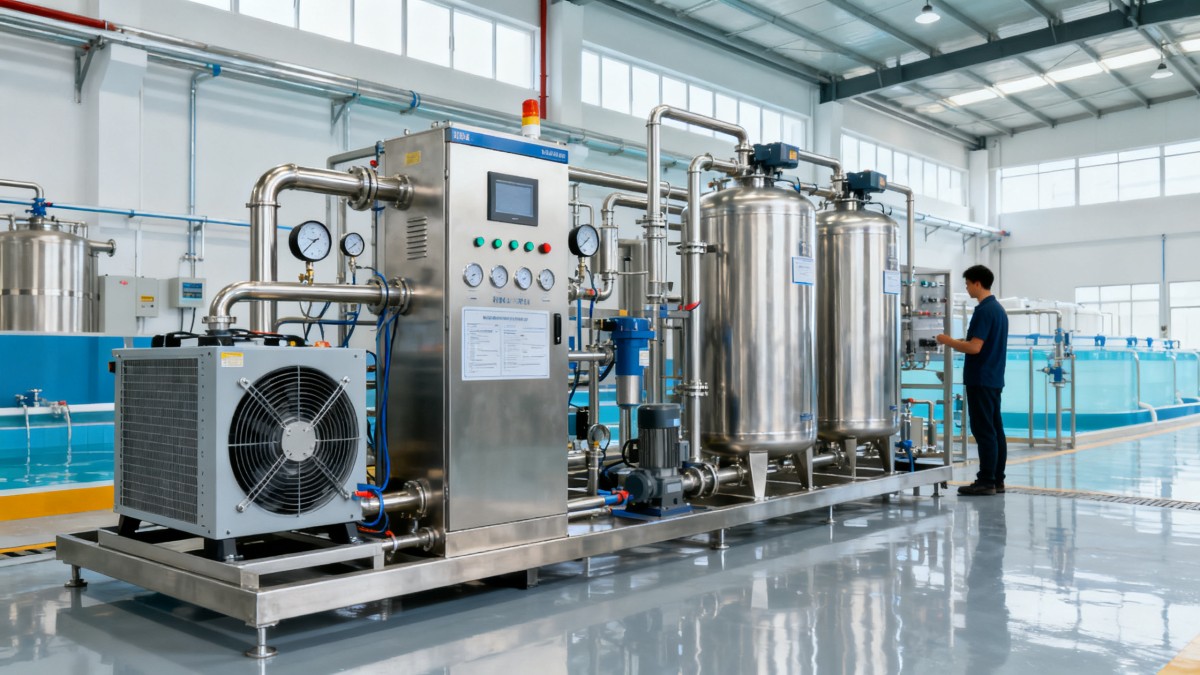
For technical evaluators, the main challenge is not whether ozone generation works, but whether the stated output can be reproduced under actual operating conditions. Many wholesale ozone generators are marketed by nominal grams per hour, yet that figure alone says little about concentration at the discharge point, gas source quality, cooling stability, backpressure, or integration losses inside the treatment system.
In industrial procurement, this gap matters because ozone is usually selected for air treatment, odor control, oxidation, water disinfection, process sanitation, or equipment cleaning support. In each case, the usable ozone dose depends on transfer efficiency and contact conditions, not just generator nameplate output. A unit rated at a higher output may deliver less effective treatment than a lower-rated system with better oxygen feed, tighter concentration control, and more stable thermal management.
Global EPC contractors and facility managers therefore need a specification review process that goes beyond brochure claims. In heavy industry and infrastructure environments, reliability, maintainability, electrical safety, and verifiable performance under load are often more important than maximum headline capacity.
- Output claims may be based on ideal lab conditions rather than operating conditions with heat, humidity, and pressure variation.
- Some suppliers state ozone mass output without disclosing gas concentration, which limits comparison.
- System losses in tubing, injectors, contact tanks, and destruct units can materially reduce effective ozone delivery.
- Safety and compliance requirements may restrict usable operating windows in real installations.
Which technical parameters determine real ozone delivery?
When reviewing wholesale ozone generators, technical teams should evaluate output as a system parameter rather than a single number. The most important variables interact with each other. A generator can produce high mass output at low concentration, or high concentration at low flow. Depending on the application, one may be more useful than the other.
Core variables that affect performance
- Feed gas quality: Oxygen-fed systems typically achieve higher and more stable ozone concentration than air-fed systems, especially in continuous-duty applications.
- Concentration: Measured in weight percent or mg/L, concentration influences mass transfer and downstream effectiveness.
- Flow rate: Gas flow affects total mass output, but high flow with low concentration can produce weaker oxidation performance in some processes.
- Cooling method: Corona discharge cells are sensitive to heat. Poor cooling reduces output consistency and component life.
- Ambient humidity and temperature: These can alter efficiency and increase by-product or maintenance issues, especially in air-fed designs.
- Backpressure and system resistance: Actual installed piping and injector design can reduce delivery compared with bench testing.
The table below helps technical buyers compare the difference between rated specifications and what should be verified during supplier evaluation for wholesale ozone generators.
A disciplined review of these parameters reduces the risk of selecting wholesale ozone generators that look adequate on paper but underperform once integrated into a plant utility, treatment skid, or sanitation line.
How should technical teams compare air-fed and oxygen-fed wholesale ozone generators?
This is one of the most important sourcing questions because feed gas strongly affects concentration, efficiency, and maintenance requirements. Air-fed systems may be attractive for lower initial cost and simplified setup. Oxygen-fed systems often support higher ozone concentration and better process consistency, especially where treatment duty is continuous or performance is tightly specified.
The comparison below is useful when screening wholesale ozone generators for industrial water treatment, process sanitation, and odor control projects.
The right choice depends on lifecycle needs, not just purchase price. In many industrial settings, the cost of under-treatment, downtime, or rework can exceed the savings from choosing a lower-spec unit.
What test conditions should buyers request before approving a supplier?
Technical review becomes much stronger when procurement teams request a documented test basis. Without that, comparing wholesale ozone generators from multiple suppliers becomes difficult because each may use a different method to state output. A robust inquiry package should require test data that can be mapped to the intended application.
Recommended verification checklist
- Ask whether the rated g/h value is measured at standard ambient condition, at the discharge outlet, and during continuous operation rather than a short-duration peak.
- Request corresponding ozone concentration and feed gas flow so the output figure can be technically interpreted.
- Confirm feed gas dew point or oxygen purity requirement, because insufficient gas quality may prevent the unit from reaching rated performance.
- Review derating behavior under higher ambient temperature, cooling water fluctuation, or elevated backpressure.
- Check whether instrumentation is included for ozone concentration, flow, pressure, temperature, and safety interlocks.
- Ask how the supplier handles ozone destruction, vent management, and operator exposure control during commissioning and maintenance.
For projects managed by EPC firms or plant engineering teams, it is also useful to request electrical data, control interface details, spare parts recommendations, and maintenance intervals. This turns a purchase discussion into a system suitability review.
Where do real-world losses occur after the generator leaves the factory?
Even if wholesale ozone generators meet factory output claims, real ozone available at the treatment point can drop due to downstream design limitations. Ozone is reactive and unstable. Losses can occur during transport, dissolution, contact, venting, or because of poor material selection. This is why system engineering matters as much as generator selection.
Common causes of performance loss
- Long tubing runs or unsuitable materials can accelerate decomposition and create leakage risk.
- Poor injector sizing or weak mass transfer reduces dissolved ozone in water treatment systems.
- Insufficient contact time prevents target oxidation or disinfection outcomes.
- Fluctuating water quality, organic loading, or competing oxidant demand can consume ozone faster than expected.
- Inadequate destruct systems may force conservative operating limits for safety reasons.
For technical evaluators, this means supplier discussions should cover not only wholesale ozone generators, but also contact tanks, vent destruct units, gas preparation, control logic, and compatible wetted materials. In many cases, system integration quality determines whether output claims translate into process results.
How can procurement teams build a practical evaluation matrix?
A structured evaluation matrix helps separate low-risk suppliers from those offering incomplete or difficult-to-verify data. This is especially useful when multiple wholesale ozone generators appear similar on rated output but differ in lifecycle performance, documentation depth, and compliance readiness.
The table below provides a practical scoring framework for industrial sourcing teams.
Using this kind of matrix helps technical teams make sourcing decisions that stand up in design reviews, budget meetings, and safety assessments.
Which standards and compliance points should not be overlooked?
Industrial ozone systems operate at the intersection of electrical equipment, oxidant handling, workplace safety, and process control. That means compliance review should extend beyond the ozone cell itself. While the exact requirements depend on geography and application, technical buyers commonly review documentation relating to CE marking, UL-related electrical considerations where relevant, ISO-based quality procedures, and material compatibility records.
It is also important to confirm how the supplier addresses operator safety, enclosure integrity, alarm strategy, ventilation, and maintenance access. A technically strong quotation for wholesale ozone generators should indicate not only performance ratings but also what supporting documents are available during prequalification and factory acceptance.
- Electrical input data, protection scheme, and control panel information
- Recommended installation environment and ventilation requirements
- Material compatibility for ozone-exposed components
- Operating, maintenance, and shutdown procedures
- Instrument calibration and alarm philosophy if monitoring is included
What are the most common misconceptions when sourcing wholesale ozone generators?
The market for wholesale ozone generators contains several recurring misunderstandings that can distort technical decisions. These usually emerge when buyers are under schedule pressure or trying to compare offers using only headline output and price.
Misconception 1: Higher g/h always means better treatment
Not necessarily. Application success depends on concentration, transfer efficiency, contact time, and oxidant demand. A higher output machine with weaker system integration may produce poorer results than a balanced design.
Misconception 2: All output ratings are directly comparable
They are not comparable unless test conditions, gas source, and concentration basis are disclosed. Technical teams should normalize supplier data before ranking options.
Misconception 3: Low initial cost means lower total cost
A cheaper unit can impose higher drying cost, more maintenance, shorter cell life, weaker controls, or failed process acceptance. Lifecycle cost matters more than invoice price.
Misconception 4: The generator alone defines system performance
In practice, vent destruct, injector performance, piping layout, oxygen preparation, and control logic all influence final outcomes. For industrial projects, system architecture must be evaluated as a whole.
FAQ for technical evaluators reviewing wholesale ozone generators
How should I compare two wholesale ozone generators with the same rated output?
Compare the test basis first. Review feed gas type, outlet concentration, cooling method, continuous-duty rating, and expected derating at site condition. Then assess controls, serviceability, and integration support. Two systems with the same g/h figure may differ significantly in real usable ozone delivery.
Which applications need higher concentration rather than simply higher gas flow?
Applications with tight oxidation targets, difficult dissolution conditions, or limited contact volume often benefit from higher concentration. In contrast, some air treatment setups may prioritize distribution pattern and airflow design. The process objective should determine which parameter matters most.
What should be included in a supplier RFQ for wholesale ozone generators?
Include required output range, target application, feed gas basis, ambient condition, utility availability, control interface, compliance expectations, spare parts scope, and documentation list. Also request performance data under continuous operation and any known derating limits.
How important is sample or pilot testing before bulk procurement?
It can be very important when water quality fluctuates, odor load is variable, or treatment targets are contract-sensitive. Pilot testing helps validate dose assumptions, transfer efficiency, and operating cost. For large infrastructure or process applications, it reduces commissioning uncertainty.
Why work with a technical sourcing partner for wholesale ozone generators?
For industrial buyers, the real value is not access to a catalog but access to reliable technical interpretation. Global Industrial Core supports procurement and engineering teams that need to screen wholesale ozone generators against practical operating criteria, documentation quality, compliance expectations, and system-level fit. This is especially useful where procurement decisions affect infrastructure resilience, operational safety, and project delivery timelines.
If your team is evaluating suppliers, we can help clarify output claims, compare air-fed versus oxygen-fed configurations, review specification gaps, and align generator selection with your application scenario. You can consult on parameter confirmation, product selection, delivery lead time, customized configurations, certification expectations, sample or pilot support, and quotation comparison. That gives technical evaluators a stronger basis for approval before the purchase order is issued.
Technical Specifications
Expert Insights

Chief Security Architect
Dr. Thorne specializes in the intersection of structural engineering and digital resilience. He has advised three G7 governments on industrial infrastructure security.
Related Analysis
- May 02, 2026Chemical Metering Pumps: Which Dosing Errors Cost the Most?Author :Environmental Engineering Director
- May 02, 2026What Sets One Belt Filter Press Manufacturer Apart?Author :Environmental Engineering Director
- May 02, 2026Moving Bed Biofilm Reactor MBBR Retrofit Benefits and LimitsAuthor :Environmental Engineering Director
Core Sector // 01
Security & Safety
- Chemical Metering Pumps: Which Dosing Errors Cost the Most?Author :Environmental Engineering Director

- What Sets One Belt Filter Press Manufacturer Apart?Author :Environmental Engineering Director

- Moving Bed Biofilm Reactor MBBR Retrofit Benefits and LimitsAuthor :Environmental Engineering Director

- Wholesale Ozone Generators: Output Claims vs Real PerformanceAuthor :Environmental Engineering Director

- How Sludge Dewatering Machine Choice Affects Disposal FeesAuthor :Environmental Engineering Director

- Wholesale Dosing Pumps: Which Materials Last Longer?Author :Environmental Engineering Director

- Dissolved Air Flotation DAF Problems That Raise Sludge VolumeAuthor :Environmental Engineering Director

- Chamber Filter Press Cycle Time: What Slows It Down?Author :Environmental Engineering Director