Dissolved Air Flotation DAF Problems That Raise Sludge Volume
Author
Date Published
Reading Time
When dissolved air flotation DAF starts producing more sludge than expected, the problem is rarely random. For after-sales maintenance teams, rising sludge volume often points to hidden issues in air saturation, chemical dosing, recycle rates, or skimmer performance. This article highlights the most common causes behind sludge buildup and helps technicians identify practical fixes before disposal costs, downtime, and system inefficiency escalate.
What sludge increase means in a dissolved air flotation DAF system
In a healthy dissolved air flotation DAF unit, sludge volume should reflect the actual contaminant load entering the system plus a controlled amount of chemical solids. When sludge output rises sharply without a matching increase in influent pollution, maintenance personnel should treat it as a performance signal rather than a disposal issue alone. Excess sludge often indicates that the flotation process is creating unstable solids, carrying too much water into the float blanket, or overreacting to upstream variation.
For industrial operators, this matters because sludge handling is expensive. More sludge means more dewatering effort, higher transport costs, more operator intervention, and a greater risk of overflow, odor, or process interruption. In sectors ranging from food processing and metal finishing to petrochemicals and municipal pretreatment, unnecessary sludge generation also reduces overall plant efficiency. That is why after-sales maintenance teams should look beyond the symptom and trace the root cause inside the dissolved air flotation DAF process.
Why the industry watches sludge volume so closely
Across modern industry, wastewater treatment equipment is judged not only by effluent quality but also by stability, compliance, and lifecycle operating cost. A dissolved air flotation DAF system is often installed to remove fats, oils, grease, suspended solids, and fine particles before downstream biological treatment or discharge. If sludge volume keeps rising, the site may still meet discharge targets for a short time, but it usually pays for that performance through chemical waste, poor energy use, and strained mechanical components.
For organizations that value resilient infrastructure, such as EPC contractors, facility managers, and industrial procurement directors, sludge behavior is a reliability indicator. It shows whether the DAF is balanced, whether instrumentation is trustworthy, and whether operators are compensating for unseen faults. From a maintenance viewpoint, abnormal sludge volume can reveal failing pumps, drifting pressure gauges, worn nozzles, poor mixing conditions, or inaccurate dosing control long before a major shutdown occurs.
Core process areas that most often drive sludge buildup
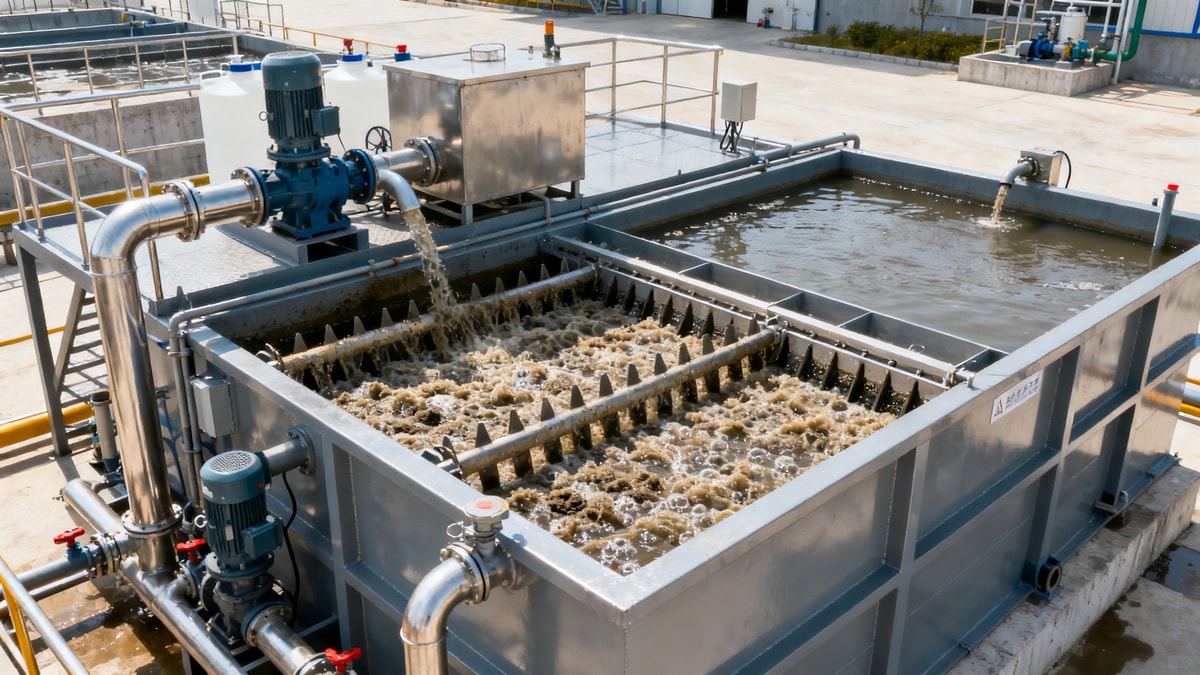
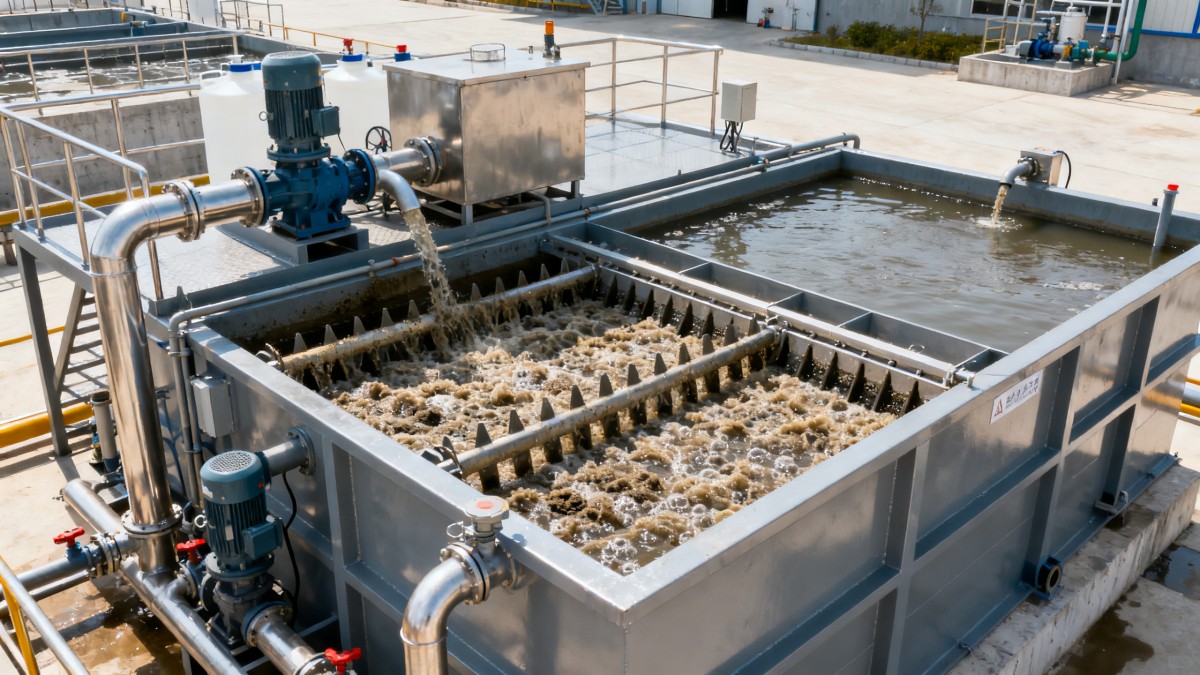
A dissolved air flotation DAF unit separates solids by attaching microbubbles to particles and floating them to the surface. When sludge volume increases, the issue usually comes from one or more of five process areas: influent quality, air dissolution, chemical conditioning, hydraulic balance, or solids removal. Understanding these areas helps maintenance teams diagnose problems systematically instead of adjusting settings blindly.
This overview is especially useful in mixed industrial settings where one dissolved air flotation DAF unit handles changing loads from multiple production lines. In such cases, maintenance teams should expect combinations of causes rather than a single fault.
Air saturation and recycle faults that create wet, heavy sludge
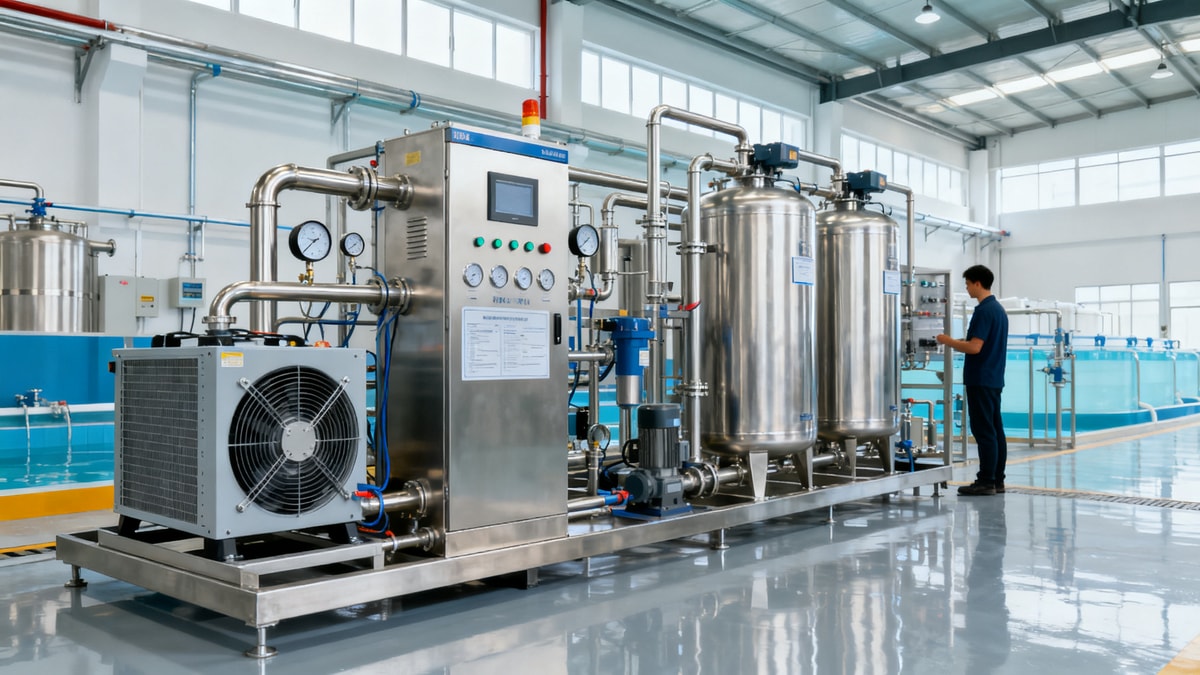
One of the most common reasons for increased sludge volume is poor air generation. The dissolved air flotation DAF process depends on a pressurized recycle stream that dissolves air efficiently and releases fine bubbles at the right point. If pressure drops, the recycle pump wears, the saturator fouls, or release nozzles become partially blocked, bubble quality declines. The result is not always obvious in effluent first. Instead, operators may notice that the floated sludge looks wetter, fluffier, and more voluminous.
Maintenance personnel should check actual operating pressure against design values, verify recycle flow with calibrated instruments, and inspect whether entrained air is being released as fine bubbles rather than large unstable pockets. A low recycle ratio can reduce attachment efficiency, while an excessively high recycle rate can introduce turbulence and carry extra water into the float layer. In both cases, sludge volume rises even though solids capture may appear acceptable for a time.
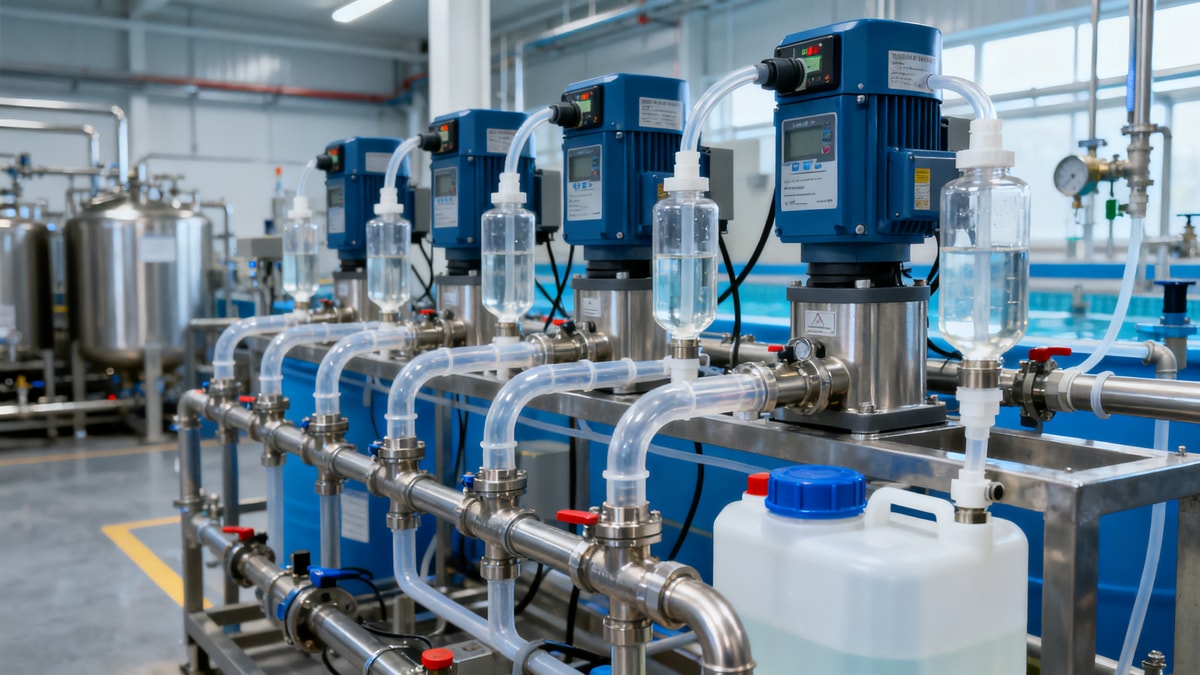
Another overlooked issue is water quality in the recycle loop. If the recycle stream contains too many residual solids or oil, air dissolution becomes less stable and nozzle fouling accelerates. For after-sales support teams, this means the recycle loop should be treated as a critical process asset, not just a supporting utility line.
Chemical overdosing and poor floc formation
Chemical treatment is often the fastest lever operators use when a dissolved air flotation DAF system struggles. Unfortunately, it is also one of the fastest ways to create excess sludge. Overdosing coagulants adds inorganic solids directly to the process, while excessive polymer can form sticky, water-laden floc that floats but drains poorly. This produces a thick sludge blanket with high moisture content, increasing disposal volume far beyond the real contaminant load.
Poor mixing has a similar effect. If coagulant is not dispersed properly or polymer is sheared by aggressive agitation, floc size becomes inconsistent. Small weak floc can capture bubbles but remain too fragile to consolidate, while oversized floc can entrap large amounts of water. In both situations, the dissolved air flotation DAF unit generates bulkier sludge than expected.
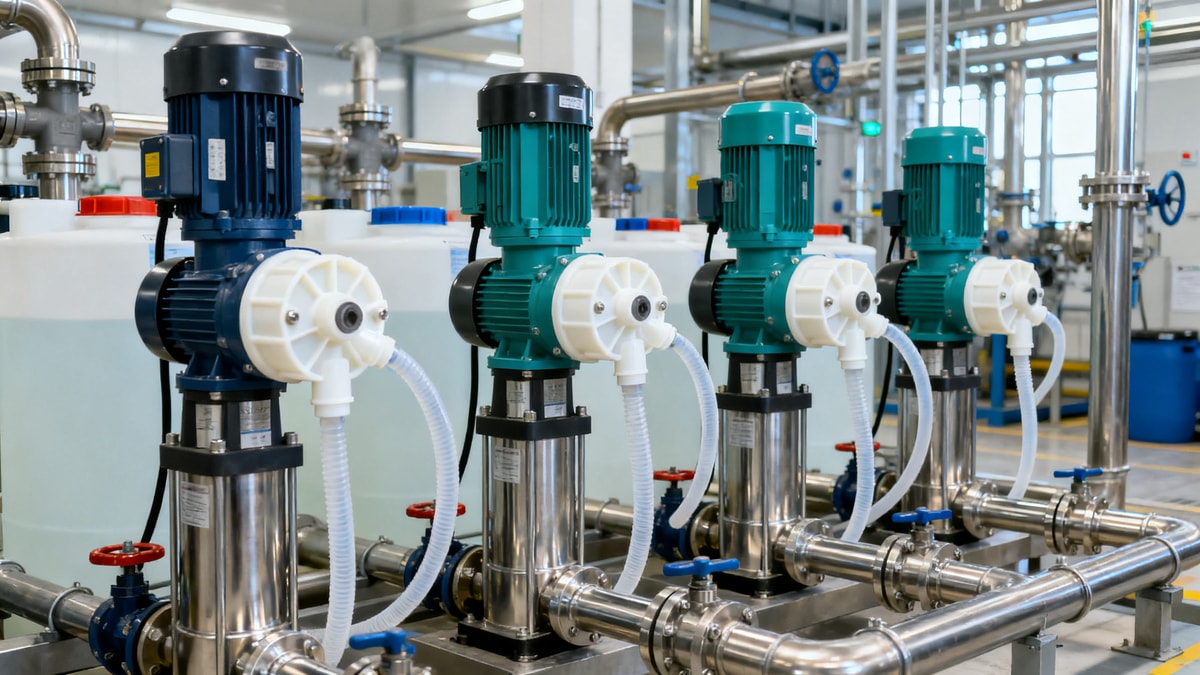
A practical maintenance response includes checking dosing pump calibration, polymer make-down concentration, injection point condition, mixer performance, and retention time before flotation. Jar testing remains valuable, especially after any upstream production change, raw material substitution, or seasonal temperature shift. Teams should also compare chemical consumption trends with influent COD, TSS, oil and grease, and pH data rather than relying only on visual appearance.
Hydraulic imbalance inside the DAF tank
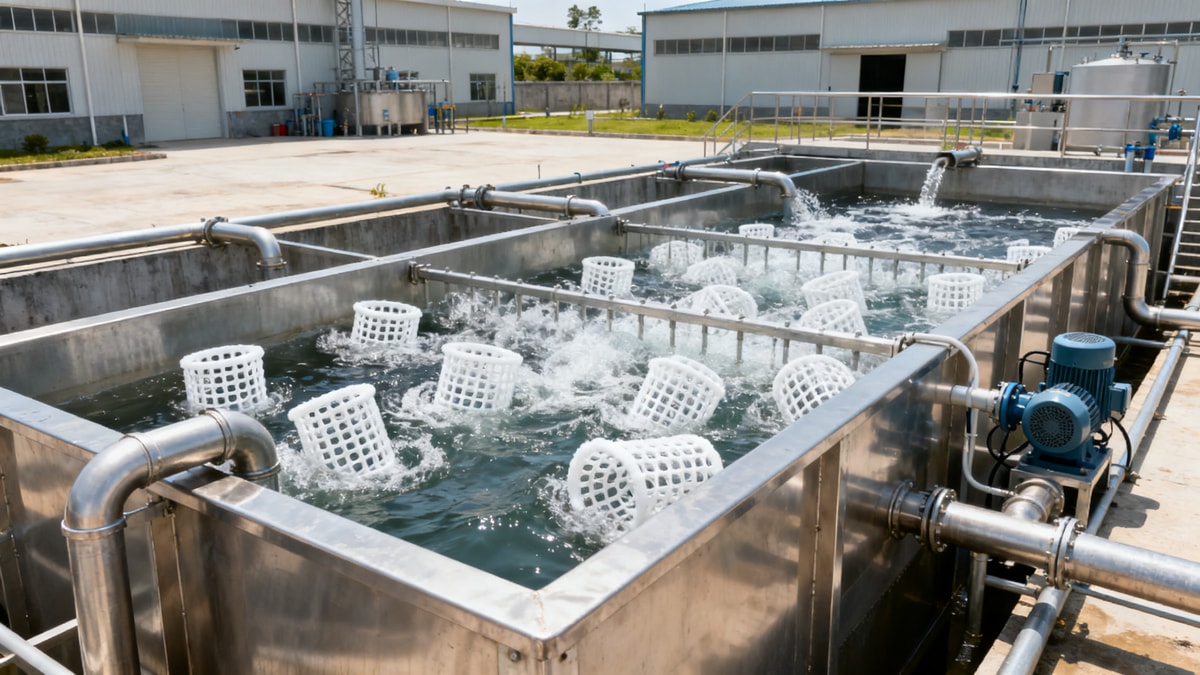
Hydraulics can quietly turn a well-designed dissolved air flotation DAF system into a sludge generator. Uneven inlet distribution, damaged baffles, excessive surface loading, or short-circuiting can disturb the contact zone and separation zone. When that happens, floc does not remain in the ideal environment long enough to separate cleanly. Some solids settle where they should float, some float too quickly with trapped water, and some recirculate within the tank until the skimmer finally removes them as an overly wet mass.
After-sales maintenance personnel should pay attention to changes in flow pattern after plant expansions or piping modifications. A new upstream pump, a bypass line left open, or a higher-than-design surge can alter residence time significantly. If sludge volume rises after such changes, the root cause may not be chemistry at all. Visual inspection of the tank surface, inlet turbulence, blanket thickness, and clarity gradient across the unit can reveal whether hydraulic balance has been lost.
Mechanical removal problems that make sludge look worse than it is
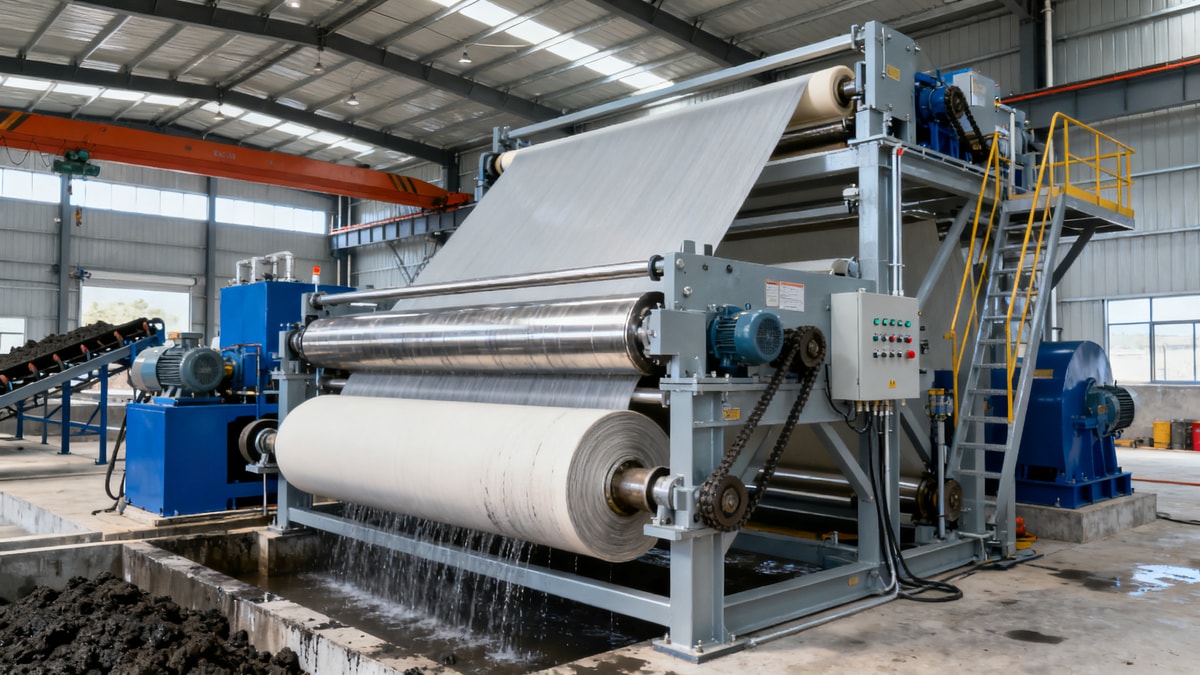
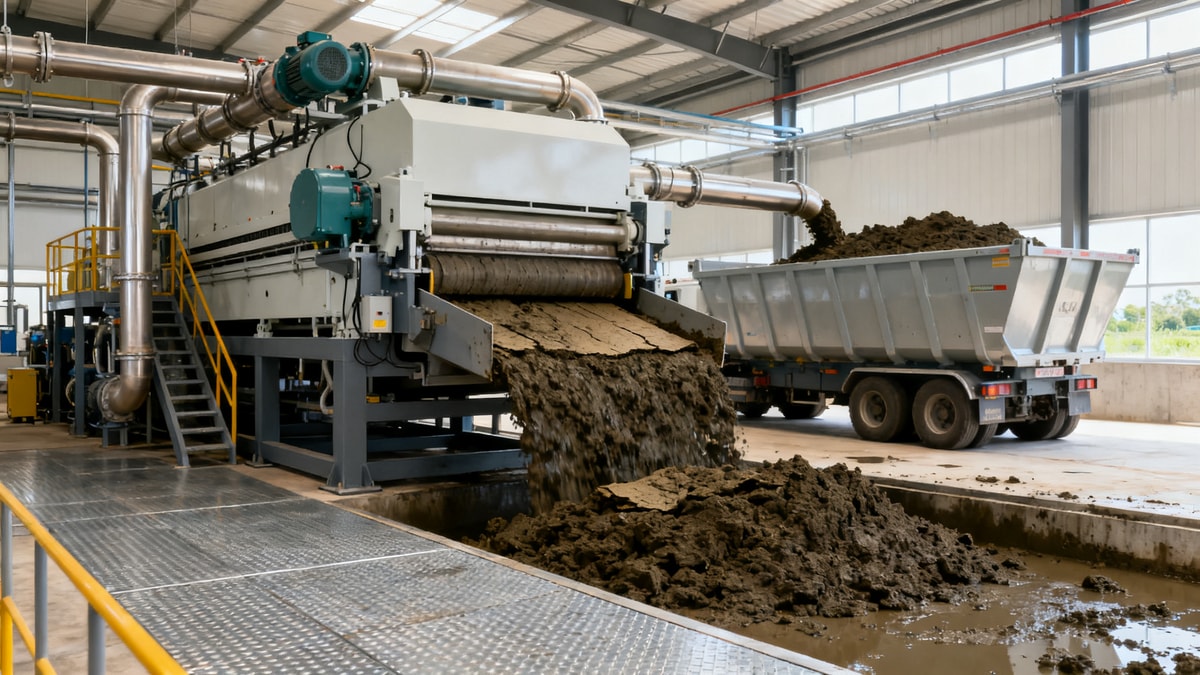
Not every sludge volume problem starts in separation. Sometimes the dissolved air flotation DAF unit is capturing solids reasonably well, but the removal system is extracting them inefficiently. A skimmer traveling too slowly allows the float blanket to retain more water. Worn flights, misaligned chains, clogged sludge troughs, or poor beach drainage can all increase apparent sludge volume by reducing thickening before discharge.
This distinction matters because operators may respond by adding more chemicals to improve flotation, which only worsens sludge generation. Maintenance teams should inspect the full solids path: surface blanket movement, skimmer engagement, beach angle condition, drain-back function, sludge hopper behavior, and transfer pump cycling. If the removed sludge has low solids concentration but effluent remains acceptable, the problem may lie in dewatering at the front end of the sludge handling path rather than in the flotation mechanism itself.
Typical scenarios where sludge volume rises unexpectedly
In the field, certain operating scenarios repeatedly trigger sludge growth in dissolved air flotation DAF systems. Recognizing these patterns helps technicians narrow the investigation quickly.
A practical troubleshooting approach for after-sales maintenance teams
A disciplined sequence saves time when troubleshooting dissolved air flotation DAF problems that raise sludge volume. Start by confirming whether the increase is real in dry solids terms or only apparent because the sludge contains more water. Measure sludge solids concentration if possible. Then compare recent influent data, chemical use, recycle pressure, recycle flow, skimmer settings, and sludge pump runtime.
Next, isolate variables. If chemical consumption rose before sludge increased, investigate dosing and mixing first. If pressure or bubble quality changed, focus on air saturation equipment. If the sludge became wetter without major chemistry changes, inspect skimmer and drainage performance. Maintenance logs are particularly useful here because gradual wear often appears as a trend rather than a sudden failure.
It is also good practice to verify instruments. A drifting pressure gauge, inaccurate flowmeter, or blocked sampling line can mislead operators into making compensating adjustments that generate even more sludge. In industrial environments where uptime is critical, reliable measurement is part of treatment performance, not a separate concern.
How to reduce recurring sludge problems over the long term
Long-term control of sludge volume in a dissolved air flotation DAF system depends on preventive maintenance and process discipline. Standardize baseline operating ranges for recycle pressure, saturation performance, chemical dose, skimmer speed, and expected sludge solids. When actual values drift, teams can act before sludge disposal becomes a cost issue.
Sites should also maintain a clear link between upstream process events and DAF behavior. Production changes, CIP discharges, raw material substitutions, and temperature shifts all affect flotation performance. A shared operating log between production and wastewater staff often reveals why sludge volume changed. For facilities managing high-value infrastructure, this cross-functional visibility supports safer, more efficient operation and strengthens compliance confidence.
Finally, use service reviews not only to replace worn parts but to evaluate whether the dissolved air flotation DAF unit is still operating near its design envelope. Capacity creep, new contaminant profiles, and aging instrumentation can slowly push the system into chronic over-sludging. Early correction is far more economical than treating excess sludge as normal.
Final maintenance takeaway
When dissolved air flotation DAF sludge volume rises, the safest assumption is that the process is giving a warning. The cause may be weak air saturation, overdosing, poor hydraulics, or inefficient skimming, but in every case the signal deserves structured investigation. For after-sales maintenance teams, the goal is not only to restore clean effluent, but to restore stable solids separation with predictable sludge generation.
If your site is seeing repeated sludge buildup, review the full chain from influent variation to final sludge removal, document the trends, and validate each control point with real measurements. That approach reduces disposal cost, improves uptime, and helps the dissolved air flotation DAF system deliver the reliable industrial performance it was designed to provide.
Technical Specifications
Expert Insights

Chief Security Architect
Dr. Thorne specializes in the intersection of structural engineering and digital resilience. He has advised three G7 governments on industrial infrastructure security.
Related Analysis
- May 02, 2026Chemical Metering Pumps: Which Dosing Errors Cost the Most?Author :Environmental Engineering Director
- May 02, 2026What Sets One Belt Filter Press Manufacturer Apart?Author :Environmental Engineering Director
- May 02, 2026Moving Bed Biofilm Reactor MBBR Retrofit Benefits and LimitsAuthor :Environmental Engineering Director
Core Sector // 01
Security & Safety
- Chemical Metering Pumps: Which Dosing Errors Cost the Most?Author :Environmental Engineering Director

- What Sets One Belt Filter Press Manufacturer Apart?Author :Environmental Engineering Director

- Moving Bed Biofilm Reactor MBBR Retrofit Benefits and LimitsAuthor :Environmental Engineering Director

- Wholesale Ozone Generators: Output Claims vs Real PerformanceAuthor :Environmental Engineering Director

- How Sludge Dewatering Machine Choice Affects Disposal FeesAuthor :Environmental Engineering Director

- Wholesale Dosing Pumps: Which Materials Last Longer?Author :Environmental Engineering Director

- Dissolved Air Flotation DAF Problems That Raise Sludge VolumeAuthor :Environmental Engineering Director

- Chamber Filter Press Cycle Time: What Slows It Down?Author :Environmental Engineering Director