Water Quality Online Analyzer Selection Mistakes to Avoid
Author
Date Published
Reading Time
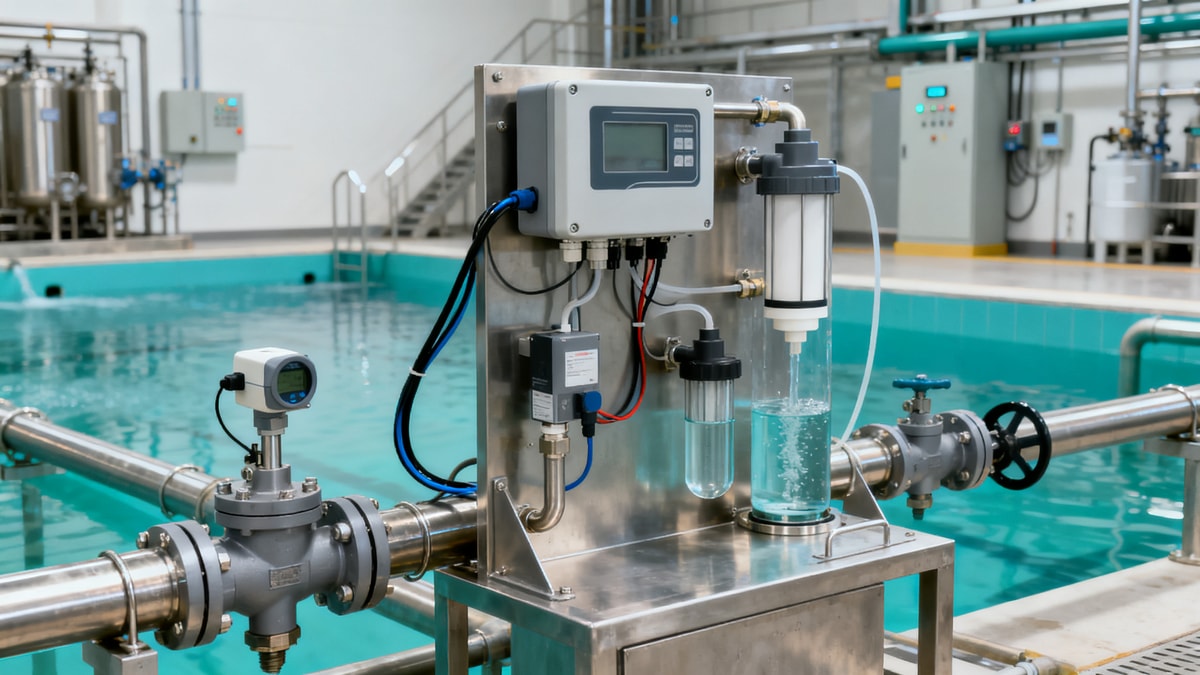
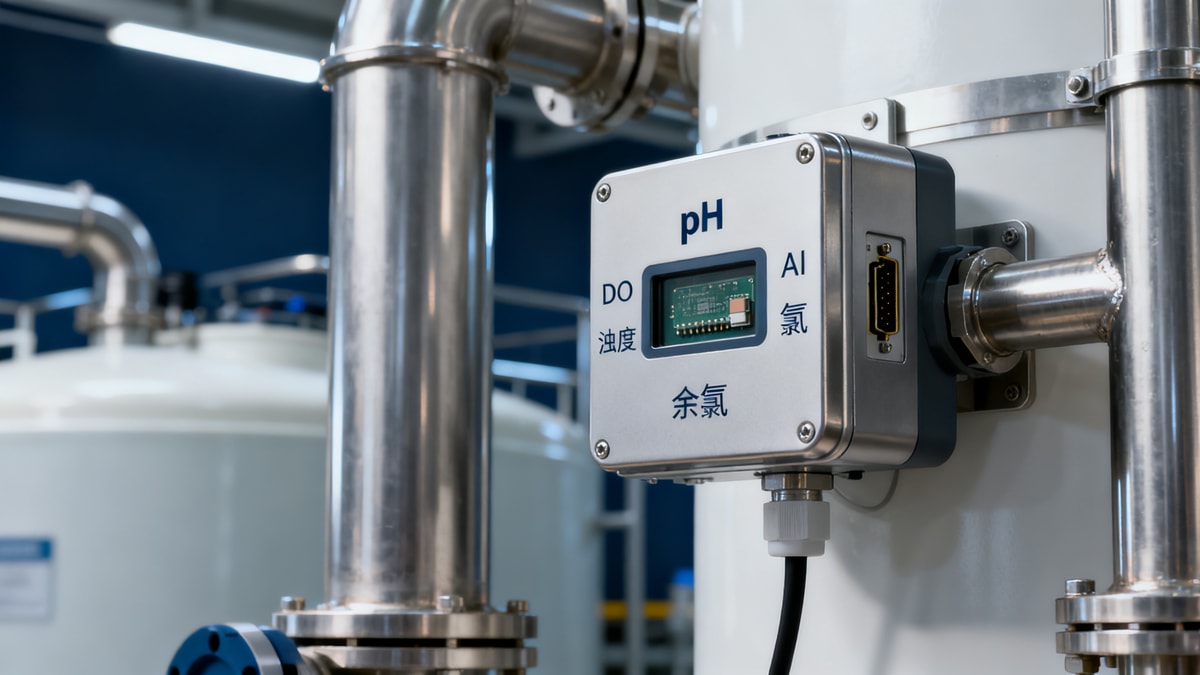
Choosing a water quality online analyzer based only on price, sensor range, or vendor claims can lead to costly errors in industrial operations. For technical evaluators, the real challenge is matching analyzer performance with process conditions, maintenance demands, compliance targets, and long-term data reliability. This article highlights the most common selection mistakes and how to avoid them before they affect safety, efficiency, and project outcomes.
Why does water quality online analyzer selection fail in real projects?
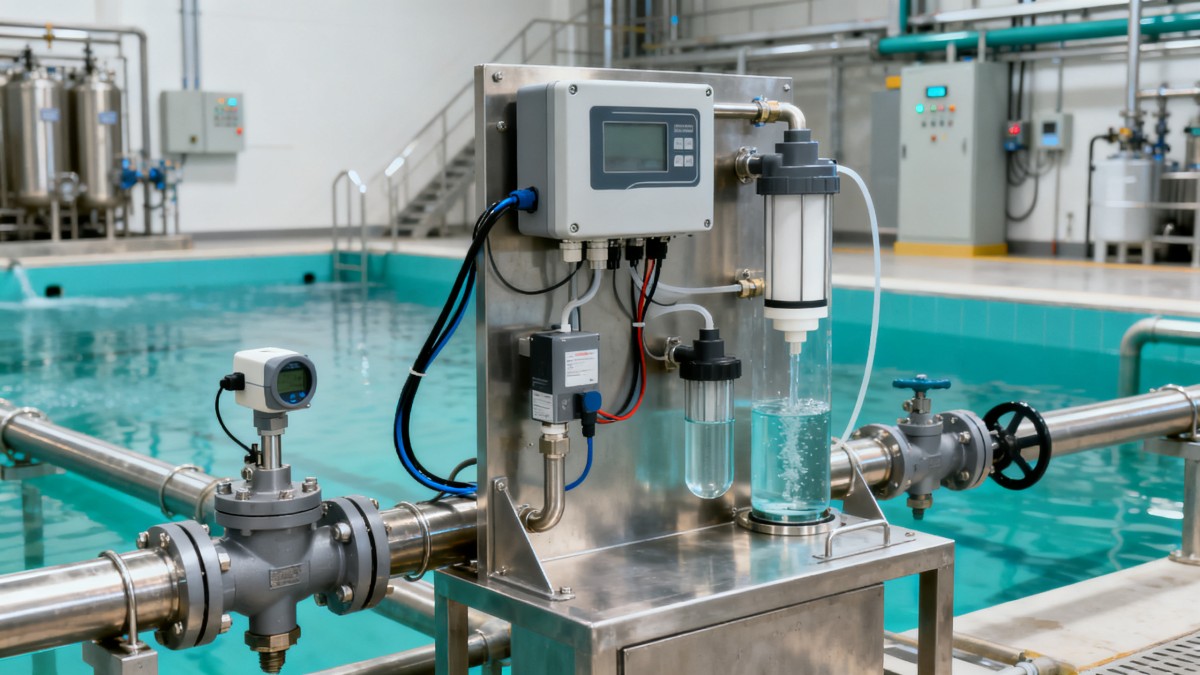
A water quality online analyzer is rarely a standalone purchase decision. In industrial settings, it is tied to process control, discharge management, safety routines, laboratory correlation, maintenance planning, and digital reporting. Technical evaluators often inherit compressed timelines, incomplete fluid data, and mixed stakeholder expectations. That is where avoidable mistakes begin.
In power plants, food processing, chemical treatment, municipal systems, mining, and manufacturing utilities, the same analyzer category can behave very differently depending on temperature swings, fouling potential, pressure variation, dissolved solids, and cleaning frequency. A water quality online analyzer that works in a clean water loop may fail quickly in raw influent, high-turbidity discharge, or corrosive process streams.
Global Industrial Core (GIC) supports buyers and evaluators by focusing on the system-level decision, not only the instrument specification. That means reviewing operating conditions, compliance obligations, integration requirements, and long-term service implications before a shortlist is created. This approach is especially important where infrastructure downtime, inaccurate readings, or non-compliant discharge create major operational and contractual risk.
- The process sample is not properly characterized before selection, so the analyzer is exposed to fouling, scaling, or chemical attack beyond design intent.
- The chosen technology measures the right parameter on paper but lacks field stability under actual industrial conditions.
- Maintenance access, reagent logistics, calibration discipline, and spare parts support are ignored during evaluation.
- Project teams focus on purchase cost rather than lifecycle cost, including downtime, cleaning labor, replacement sensors, and compliance exposure.
What are the most common water quality online analyzer selection mistakes?
The mistakes below appear across sectors because they are rooted in procurement pressure and incomplete technical review. For technical evaluators, recognizing these early can prevent expensive redesign, false alarms, and unstable process data.
1. Selecting by parameter name without checking measurement principle
Two analyzers may both claim to measure pH, conductivity, turbidity, COD, residual chlorine, ammonia, or dissolved oxygen, but the sensing principle, cleaning method, and response reliability can vary significantly. For example, optical and electrochemical methods may differ in drift behavior, maintenance frequency, and sensitivity to matrix changes. A water quality online analyzer should be screened by measurement principle, not label alone.
2. Ignoring sample conditioning requirements
Many failures are not caused by the analyzer itself but by poor sample handling. Temperature reduction, pressure regulation, filtration, degassing, flow stabilization, and chemical isolation may be required before the sample reaches the sensor. If sample conditioning is not designed into the project, even a premium water quality online analyzer may produce unstable readings or suffer premature wear.
3. Underestimating fouling, scaling, and abrasion
Industrial water is not uniform. Cooling water, wastewater, slurry-adjacent streams, membrane pretreatment lines, and recirculating loops can carry solids, oils, biofilm, or precipitating salts. Technical evaluators should ask how the analyzer performs after weeks of exposure, not only on day one. Sensor face design, self-cleaning options, purge capability, and enclosure suitability matter as much as nominal accuracy.
4. Treating laboratory correlation as optional
Online measurement supports continuous control, but it still needs correlation with validated grab sample or laboratory data. Without a correlation protocol, teams may misread normal process variance as analyzer failure or accept drifting values as true. This is particularly risky for compliance-related parameters where reporting credibility matters.
5. Focusing on capital cost and missing lifecycle burden
A lower initial price may hide higher reagent use, more frequent sensor replacement, larger calibration workload, or weak technical support. In remote or high-consequence facilities, service access and spare availability often carry more economic weight than the instrument’s purchase price. Lifecycle review is essential when comparing any water quality online analyzer option.
Which technical checks should evaluators complete before shortlisting?
Before requesting quotes, evaluators should create a structured review sheet. This reduces vendor ambiguity and helps compare instruments on equal terms. The table below summarizes the core pre-selection checks for a water quality online analyzer in industrial service.
This checklist helps eliminate a frequent error: evaluating sensor accuracy in isolation. In practice, process compatibility, serviceability, and integration usually determine whether the water quality online analyzer remains dependable after commissioning.
A practical shortlisting workflow
- Define the exact parameter and the decision that depends on it, such as dosing adjustment, shutdown prevention, or reporting.
- Map the true sample condition across normal, upset, startup, and cleaning cycles.
- Determine whether direct insertion, flow cell, bypass, or conditioned sampling is more appropriate.
- Ask suppliers to state maintenance frequency, consumables, and expected drift in conditions similar to yours.
- Plan verification against laboratory or reference methods before final approval.
How should you compare analyzer types for different industrial scenarios?
Not every water quality online analyzer suits every duty point. The comparison below helps technical evaluators align analyzer style with application conditions rather than assuming one platform can cover all plant needs.
The main lesson is simple: selection should begin with duty conditions and decision use, not catalog hierarchy. GIC often sees projects improve materially when evaluators separate clean-service analyzers from harsh-service analyzers during the first review round.
Scenario-specific warning signs
- If the stream contains variable solids, ask how the analyzer handles optical interference, coating, or line plugging.
- If the process is safety-critical, confirm alarm fail-state behavior, sensor diagnostics, and fallback procedures.
- If the site is remote, prioritize analyzers with realistic calibration intervals and accessible consumables.
- If discharge compliance is involved, verify data retention, traceability, and audit-readiness from the start.
What procurement questions reduce lifecycle risk?
A technically acceptable water quality online analyzer can still become a poor procurement choice if commercial and service conditions are weak. Technical evaluators should work with procurement and operations to ask deeper questions before award.
Questions that should appear in every bid review
- What consumables, reagents, membranes, lamps, or replacement sensors are required, and what is the normal replenishment cycle?
- What are the recommended calibration intervals under conditions similar to this service, not under ideal laboratory conditions?
- What sample panel, flow regulation, filtration, or cooling hardware is required but excluded from the base quote?
- How will the analyzer communicate with existing PLC, SCADA, or DCS infrastructure, and what diagnostics are available remotely?
- What documentation is available for commissioning, operation, troubleshooting, and material compatibility review?
These questions matter because industrial projects often fail at interfaces. The analyzer itself may be sound, but if enclosure suitability, power quality, tubing materials, or communications setup are overlooked, delays and rework follow. GIC’s sourcing perspective is useful here because it links technical selection with project execution realities across EPC and facility management environments.
How do standards, documentation, and verification affect selection?
For many projects, the water quality online analyzer is part of a broader quality, environmental, or utility assurance system. That means buyers should review applicable project standards and internal validation requirements early. Depending on geography and industry, this may include CE-related requirements, ISO-managed quality systems, site electrical standards, enclosure ratings, and documented calibration procedures.
The key point is not to chase labels for their own sake. Instead, confirm whether the supplier can support the documentation needed for installation approval, commissioning records, maintenance traceability, and future audits. For compliance-sensitive measurements, a robust verification routine is often more valuable than a broad marketing claim.
Minimum documentation checklist
- Installation and wiring documents aligned with site power and control architecture.
- Operation and maintenance instructions covering calibration, cleaning, and consumables replacement.
- Material compatibility information for wetted parts exposed to the process stream.
- Recommended verification method against grab samples or reference measurements.
- Parts list and service support path for urgent replacement needs.
FAQ: what do technical evaluators ask most about a water quality online analyzer?
How do I know whether an online analyzer is suitable for my process water?
Start with the real process matrix, not the nominal parameter range. Check temperature, solids loading, chemical composition, pressure, flow stability, and expected upset conditions. Then confirm whether the analyzer needs sample conditioning or protective cleaning features. Suitability depends on what the water actually does to the sensor over time, not only on what the brochure says it can measure.
What should I prioritize: accuracy, maintenance, or response time?
Prioritize according to the decision tied to the reading. For real-time dosing control, response time and stability may matter more than laboratory-grade accuracy. For compliance reporting, traceability and consistent verification become critical. For utility protection, drift resistance and alarm integrity can outweigh marginal accuracy differences. The best water quality online analyzer is the one that supports the operational decision with sustainable maintenance effort.
Is a lower-cost analyzer acceptable for non-critical monitoring points?
Sometimes yes, but only after checking total ownership impact. A lower-cost unit may be reasonable for trend-only applications if process conditions are mild and downtime carries limited risk. It is usually a poor choice if the stream fouls easily, access is difficult, or data is tied to control action or reporting. Even non-critical points can become expensive when manual intervention is frequent.
How long does selection and implementation usually take?
That depends on project complexity, sample system needs, integration scope, and documentation requirements. Simple replacement projects can move quickly if the parameter, mounting arrangement, and communications are already defined. New installations take longer because sample conditioning, panel design, installation environment, and verification plans must be reviewed together. Technical evaluators should build time for factory clarification, site coordination, and commissioning checks into the schedule.
Why choose a structured sourcing partner for water quality online analyzer decisions?
When infrastructure reliability matters, analyzer selection should not depend on isolated catalog comparisons. Global Industrial Core (GIC) helps technical evaluators connect instrumentation choice with the broader industrial context: process conditions, compliance exposure, maintenance capability, integration demands, and sourcing risk. This is especially valuable for EPC contractors, industrial utilities, treatment systems, and facilities where a weak specification can affect safety, uptime, and project acceptance.
If you are reviewing a water quality online analyzer for a new project, retrofit, or multi-site standardization plan, you can consult GIC on practical decision points such as parameter confirmation, analyzer type comparison, sample conditioning needs, delivery lead time considerations, documentation expectations, and support requirements for commissioning. You can also discuss custom evaluation criteria for difficult water matrices, harsh environments, or compliance-sensitive applications.
A stronger selection process starts with clearer technical inputs. If you need help narrowing options, validating specifications, comparing lifecycle burden, or preparing a procurement-ready shortlist, reach out with your target parameter, process description, installation environment, control interface, certification expectations, and project timeline. That makes the conversation faster, more precise, and more useful for final decision-making.
Technical Specifications
- India BIS Draft IS 17832:2026 Sets Noise & Dust Limits for Waste CrushersAuthor :Environmental Engineering Director
- Korea MFDS Mandates Korean UI & KOSHA OEL Database for Industrial Water AnalyzersAuthor :Precision Metrology Expert
- Indonesia BPOM Mandates PM0.1 Efficiency & CADR Decay Labeling for Industrial Air PurifiersAuthor :Environmental Engineering Director
Expert Insights

Chief Security Architect
Dr. Thorne specializes in the intersection of structural engineering and digital resilience. He has advised three G7 governments on industrial infrastructure security.
Related Analysis
- May 03, 2026India BIS Draft IS 17832:2026 Sets Noise & Dust Limits for Waste CrushersAuthor :Environmental Engineering Director
- May 03, 2026Korea MFDS Mandates Korean UI & KOSHA OEL Database for Industrial Water AnalyzersAuthor :Precision Metrology Expert
- May 03, 2026Indonesia BPOM Mandates PM0.1 Efficiency & CADR Decay Labeling for Industrial Air PurifiersAuthor :Environmental Engineering Director
Core Sector // 01
Security & Safety
- SASO AI Sensor Compliance: Saudi Arabia Enforces AI Module Registration for Industrial Water SensorsAuthor :Environmental Engineering Director

- Drainage Cell Systems: Why Load Rating Is Often MisreadAuthor :Environmental Engineering Director

- Oil Skimmer Wholesale: Which Type Fits Light Oil Best?Author :Environmental Engineering Director

- Rainwater Harvesting Tanks: Is Bigger Always More Efficient?Author :Environmental Engineering Director

- Oil Water Separator Commercial Systems: What Drives Service Cost?Author :Environmental Engineering Director

- Water Quality Online Analyzer Selection Mistakes to AvoidAuthor :Environmental Engineering Director

- Chemical Metering Pumps: Which Dosing Errors Cost the Most?Author :Environmental Engineering Director

- What Sets One Belt Filter Press Manufacturer Apart?Author :Environmental Engineering Director