Oil Water Separator Commercial Systems: What Drives Service Cost?
Author
Date Published
Reading Time
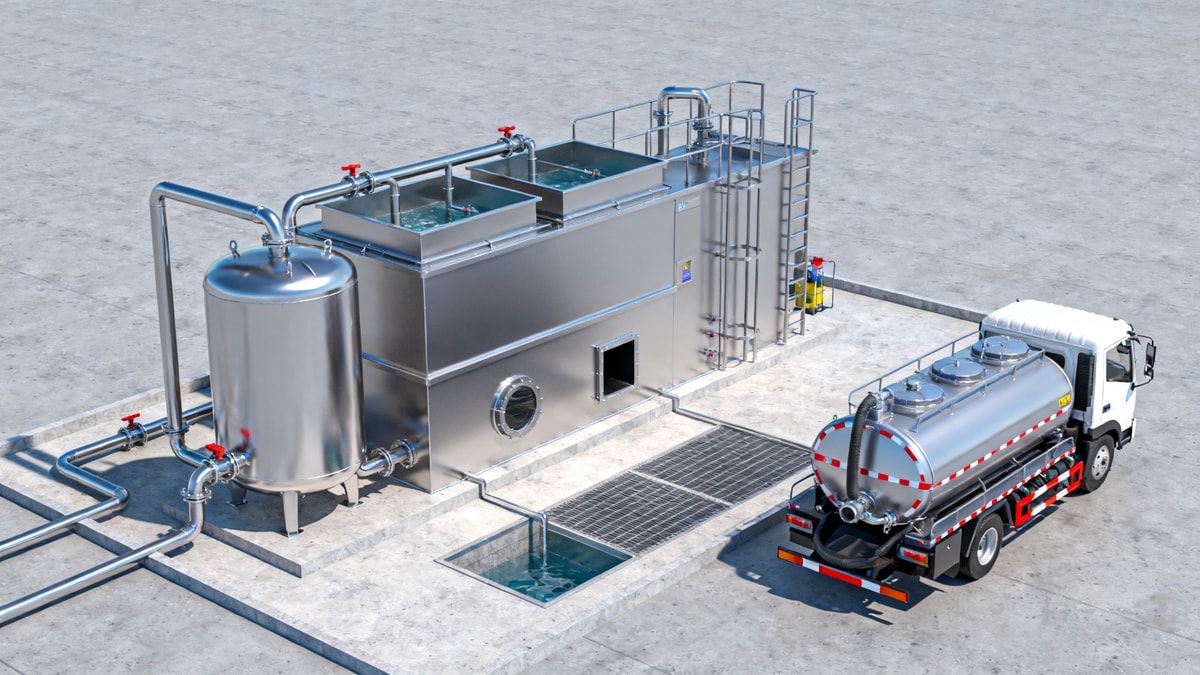
For finance approvers evaluating an oil water separator commercial system, service cost is rarely just a maintenance line item. It reflects compliance risk, equipment complexity, labor intensity, disposal requirements, and the long-term reliability of site operations. Understanding what truly drives these expenses helps decision-makers compare vendors more accurately, control lifecycle costs, and avoid budget surprises that can undermine operational and environmental performance.
In commercial and industrial facilities, the service profile of an oil water separator commercial installation can vary significantly between sites that appear similar on paper. A retail fueling station, food processing plant, logistics depot, metalworking facility, or large parking structure may all use separation systems, yet their maintenance burden, sludge generation rate, inspection frequency, and waste handling obligations differ in measurable ways. For finance teams, that means the lowest quoted service fee is not always the lowest total cost over 12, 24, or 60 months.
This article breaks down the main cost drivers behind service pricing, explains where hidden budget exposure tends to appear, and outlines how procurement and financial approvers can evaluate vendor proposals with greater confidence. The goal is not only to control spend, but also to protect compliance, uptime, and asset life.
Why Service Cost Varies So Much in an Oil Water Separator Commercial System
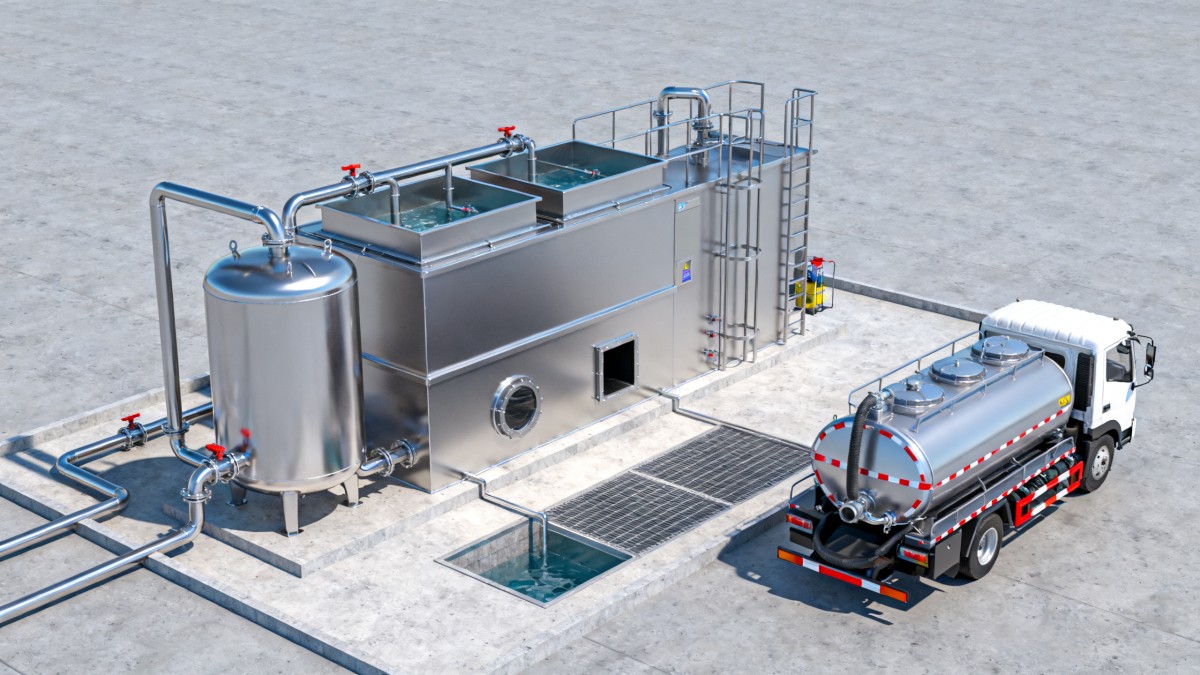
Service pricing is shaped by more than tank size or visit frequency. In most commercial settings, vendors calculate cost from a combination of 6 core variables: separator capacity, influent contamination level, site access conditions, cleaning interval, waste disposal category, and documentation requirements. A 500-gallon unit serving light-duty runoff may require a very different service model than a 2,000-gallon system receiving oily wastewater with solids, detergents, or emulsified residues.
1. Waste Stream Characteristics Drive Labor and Disposal Time
The first major cost driver is the actual composition of the waste stream. Free-floating oil is easier and faster to remove than emulsified oil mixed with silt, detergent, grease, or metal fines. In many sites, the separator is not only collecting hydrocarbons but also sediment and trash, which can increase pump-out time by 20% to 50% per visit. When solids loading rises above normal operating assumptions, crews need more manual cleaning steps and more transport capacity.
For finance approvers, this matters because two service contracts with the same quarterly schedule may still produce very different invoices. One may include standard pump-out only, while another includes sludge handling, wash-down, filter replacement, confined access work, and waste manifest processing.
2. System Design Complexity Increases Inspection Scope
Not every oil water separator commercial system uses the same architecture. Some are simple gravity separators. Others incorporate coalescing plates, automatic shut-off devices, sample ports, high-level alarms, skimmers, pumps, sensors, or multi-chamber treatment stages. Each added component can improve performance, but it also expands the service checklist. A technician may need 8 to 15 inspection points on a basic system, compared with 20 or more on an advanced commercial installation.
More components usually mean more failure modes. Float switches can foul, plates can clog, sensors can drift, and pump systems may require electrical isolation before maintenance. As a result, service calls become longer and more specialized, especially where environmental reporting is mandatory.
3. Compliance Burden Is a Direct Cost Multiplier
A separator serving an environmentally sensitive operation may require monthly inspection records, periodic sampling, chain-of-custody paperwork, waste classification review, and proof of proper disposal. These tasks are often invisible in headline pricing, yet they consume real labor hours. In regulated sectors, documentation can account for 10% to 25% of the total service effort tied to a single visit.
This is especially relevant for multi-site operators and EPC-led facilities where internal audit trails matter. A cheaper vendor that provides weak reporting may create downstream risk in the form of failed inspections, delayed approvals, or unplanned corrective cleaning.
The table below highlights common variables that explain why service quotes for an oil water separator commercial system often differ, even when equipment size appears comparable.
The practical takeaway is simple: service cost is rarely inflated without a reason. In most cases, higher pricing reflects either higher site complexity or broader risk transfer from the facility to the service provider. Finance teams should therefore assess scope quality before comparing unit price.
The Main Budget Components Finance Teams Should Review
To evaluate an oil water separator commercial service agreement properly, it helps to separate recurring operating cost from event-driven cost. Many budgets fail because they treat service as a flat annual expense, even though actual spend is usually split across routine visits, consumables, emergency response, compliance support, and waste disposal. A clear cost model reduces approval friction and improves forecasting accuracy.
Routine Scheduled Service
Routine service usually includes inspection, oil and sludge level assessment, pump-out, internal cleaning, basic component checks, and a service report. Depending on the application, intervals may range from every 30 days to every 180 days. High-throughput sites often need monthly or bi-monthly attention, while lower-load facilities may function safely on a quarterly or semiannual schedule.
Waste Disposal and Haulage
Disposal is often the least understood line item. Service providers may quote a visit fee, then bill disposal separately based on volume, contamination class, travel distance, or local handling rules. If a system generates 300 to 800 liters of oily waste per visit, disposal can represent a significant share of total spend. Sites that allow solids, rags, absorbents, or chemicals into the separator usually face higher per-visit disposal charges.
Corrective Maintenance and Parts
An oil water separator commercial system may also incur unscheduled cost for blocked coalescing media, damaged seals, sensor replacement, pump servicing, alarm faults, or internal corrosion repair. These are not always frequent, but when they occur they can increase the annual maintenance budget by 15% to 40%. Finance approvers should ask whether parts, emergency call-outs, and after-hours labor are included, capped, or fully variable.
Four cost questions worth asking vendors
- Is the quoted rate inclusive of pump-out, wash-down, transport, and disposal, or only labor on site?
- What triggers a surcharge: excess sludge, long hose distance, weekend work, or contaminated solids?
- How many visits per year are assumed, and what happens if the site needs 2 extra visits?
- Are inspection reports, manifests, and corrective action recommendations part of the base service package?
The comparison table below helps finance approvers distinguish between visible and hidden budget items in commercial separator servicing.
For capital-sensitive organizations, the best commercial decision is often the one that creates a tighter cost range, not simply the lowest starting quote. Reduced variance supports smoother approval cycles and fewer unplanned funding requests.
How Site Conditions and Operations Affect Lifecycle Service Cost
The same separator model can produce very different lifecycle cost outcomes depending on operating discipline. In many commercial environments, poor housekeeping upstream of the separator adds more cost than the equipment design itself. Sand, packaging debris, absorbent pads, detergents, and wash water practices all influence maintenance frequency and separator efficiency.
Operational Behaviors That Increase Service Frequency
If staff wash down oily surfaces with aggressive detergents, more oil becomes emulsified and harder to separate. If trench drains carry excessive grit, sludge accumulates faster. If inspections are skipped for 90 to 120 days in a high-load operation, minor buildup can become a full cleanout event. Each of these behaviors turns a manageable routine service into a more expensive intervention.
Access Constraints and Safety Protocols
Another overlooked cost factor is physical access. A separator in an open service yard is cheaper to maintain than one located under active traffic lanes, within a secure compound, or behind permit-controlled barriers. Time spent on inductions, lockout procedures, traffic management, confined space precautions, or hose routing can add 1 to 3 labor hours per visit. For large sites, those hours compound across the year.
Practical measures that reduce total service burden
- Install upstream sediment control where runoff carries grit or scale.
- Train operators to minimize detergent-heavy washdown into drainage paths.
- Use monthly visual checks to prevent overfilled chambers between formal services.
- Standardize access windows so vendors can complete work without production delays.
- Review waste manifests quarterly to spot rising contamination trends early.
These steps are operationally simple, yet they can reduce avoidable service events and improve cost predictability over a 1-year or 3-year contract term.
How to Evaluate Vendor Proposals Beyond the Headline Price
A strong procurement decision for an oil water separator commercial service contract should balance technical scope, response capability, reporting quality, and commercial transparency. Finance approvers do not need to become environmental engineers, but they do need a structured review framework that distinguishes a complete proposal from a partial one.
Key Commercial Review Criteria
At minimum, compare vendors across 5 areas: service scope, labor assumptions, disposal method, documentation standard, and emergency support. Ask for the expected visit duration, the number of technicians per visit, the waste volume assumptions behind the quote, and the reporting turnaround time. In many B2B contracts, a 24- to 72-hour reporting window is far more useful than a generic completion note delivered a week later.
Red Flags in Low-Cost Proposals
Be cautious when a bid omits disposal language, excludes consumables without explanation, or uses open-ended wording such as “additional charges may apply.” Low upfront pricing can conceal highly variable add-ons. Another common issue is the absence of condition-based recommendations. If the vendor cleans the system but does not identify worn parts, abnormal sludge patterns, or drainage misuse, the facility remains exposed to recurring cost and performance decline.
A practical approval checklist
- Confirm whether pricing is fixed, indexed, or volume-dependent.
- Request a sample service report with inspection points and photo evidence.
- Verify response times for urgent overflow or shutdown scenarios.
- Clarify responsibility for manifests, disposal traceability, and audit support.
- Review whether the vendor can support multi-site standardization if the portfolio expands.
For organizations with several facilities, standardizing the review template can shorten approval time by 20% or more and reduce the risk of inconsistent contract terms between sites.
Common Misjudgments That Inflate Long-Term Cost
One frequent mistake is treating the separator as a passive asset that only needs occasional pumping. In reality, an oil water separator commercial system is part of a broader environmental control process. When upstream behaviors, drainage design, and reporting practices are ignored, service cost rises indirectly through emergency work, noncompliance exposure, and shortened component life.
Mistaking Low Frequency for Efficiency
Extending service intervals from 3 months to 6 months may look efficient in a spreadsheet, but only if loading conditions support it. If chamber volumes, sludge thickness, or oil retention are not monitored, the site may simply postpone cost until a larger and more disruptive intervention is needed. That often leads to overflow risk, odor issues, poor discharge quality, or forced shutdown during peak operations.
Separating Procurement from Operations
Another misjudgment is approving a contract without input from facilities, EHS, or operations teams. Finance needs commercial clarity, but service adequacy must be validated by the people managing real conditions on the ground. A cross-functional review involving 3 to 4 stakeholders often prevents the most expensive mismatch: a contract that looks attractive financially but fails operationally within the first 6 months.
For finance approvers, the smartest evaluation of an oil water separator commercial service plan is one that links price to scope, scope to risk, and risk to lifecycle cost. The most reliable vendors are usually those that state assumptions clearly, define what is included, identify variable cost triggers, and support audit-ready documentation without ambiguity.
Global Industrial Core supports industrial buyers, EPC contractors, facility managers, and procurement leaders with decision-focused insight on environmental systems that protect operational continuity. If you are comparing service models, reviewing lifecycle cost exposure, or planning a sourcing strategy for separator maintenance and compliance support, now is the right time to get a clearer framework in place.
Contact us to discuss your application, request a tailored evaluation framework, or explore more solutions for managing oil water separator commercial systems with stronger cost control and fewer surprises.
Technical Specifications
- India BIS Draft IS 17832:2026 Sets Noise & Dust Limits for Waste CrushersAuthor :Environmental Engineering Director
- Korea MFDS Mandates Korean UI & KOSHA OEL Database for Industrial Water AnalyzersAuthor :Precision Metrology Expert
- Indonesia BPOM Mandates PM0.1 Efficiency & CADR Decay Labeling for Industrial Air PurifiersAuthor :Environmental Engineering Director
Expert Insights

Chief Security Architect
Dr. Thorne specializes in the intersection of structural engineering and digital resilience. He has advised three G7 governments on industrial infrastructure security.
Related Analysis
- May 03, 2026India BIS Draft IS 17832:2026 Sets Noise & Dust Limits for Waste CrushersAuthor :Environmental Engineering Director
- May 03, 2026Korea MFDS Mandates Korean UI & KOSHA OEL Database for Industrial Water AnalyzersAuthor :Precision Metrology Expert
- May 03, 2026Indonesia BPOM Mandates PM0.1 Efficiency & CADR Decay Labeling for Industrial Air PurifiersAuthor :Environmental Engineering Director
Core Sector // 01
Security & Safety
- SASO AI Sensor Compliance: Saudi Arabia Enforces AI Module Registration for Industrial Water SensorsAuthor :Environmental Engineering Director

- Drainage Cell Systems: Why Load Rating Is Often MisreadAuthor :Environmental Engineering Director

- Oil Skimmer Wholesale: Which Type Fits Light Oil Best?Author :Environmental Engineering Director

- Rainwater Harvesting Tanks: Is Bigger Always More Efficient?Author :Environmental Engineering Director

- Oil Water Separator Commercial Systems: What Drives Service Cost?Author :Environmental Engineering Director

- Water Quality Online Analyzer Selection Mistakes to AvoidAuthor :Environmental Engineering Director

- Chemical Metering Pumps: Which Dosing Errors Cost the Most?Author :Environmental Engineering Director

- What Sets One Belt Filter Press Manufacturer Apart?Author :Environmental Engineering Director