Vietnam MOIT Waives SM4 Encryption Upgrade Fee for Chinese Water Monitors
Author
Date Published
Reading Time
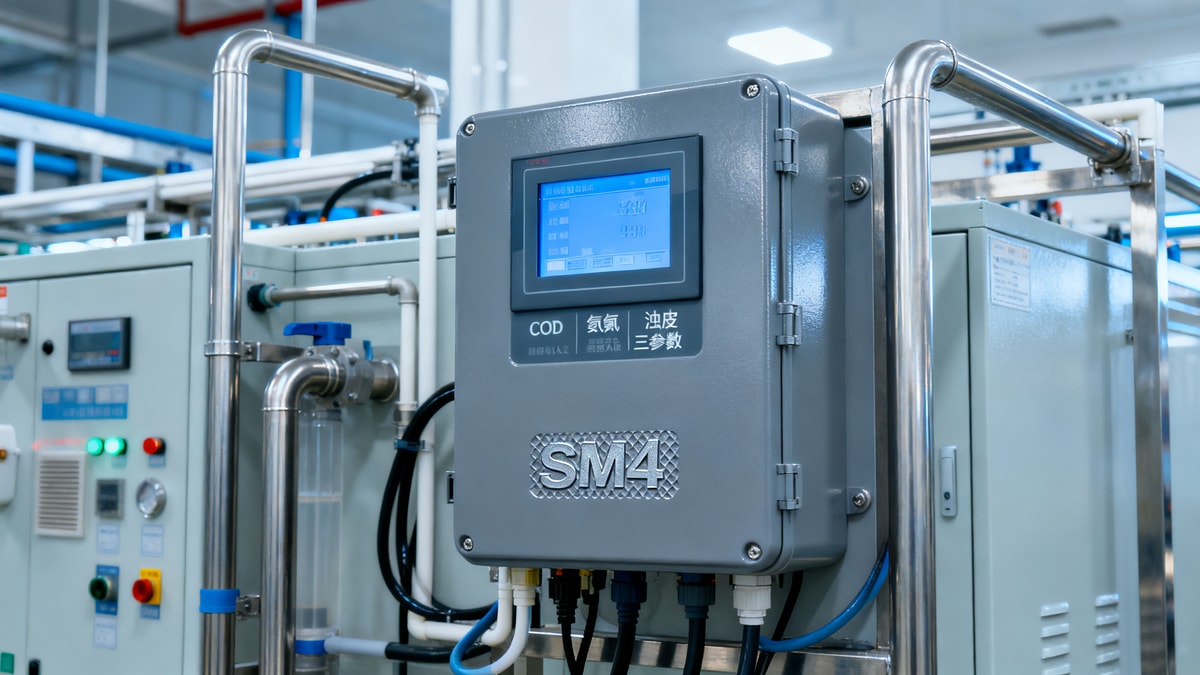
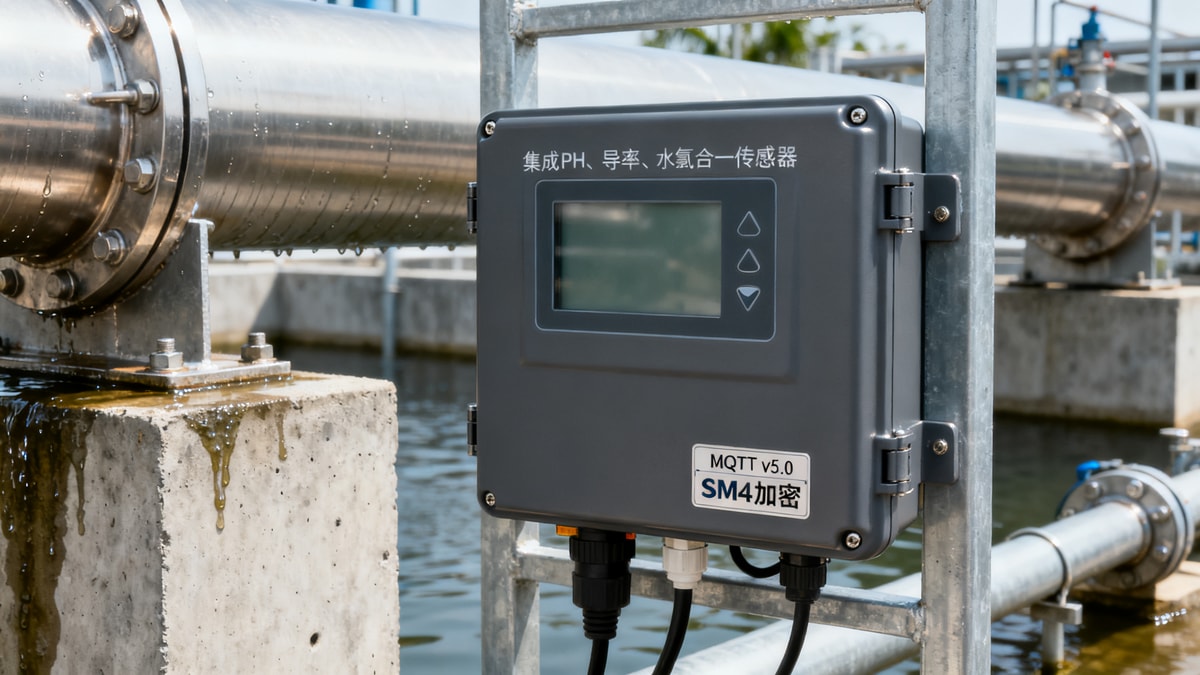
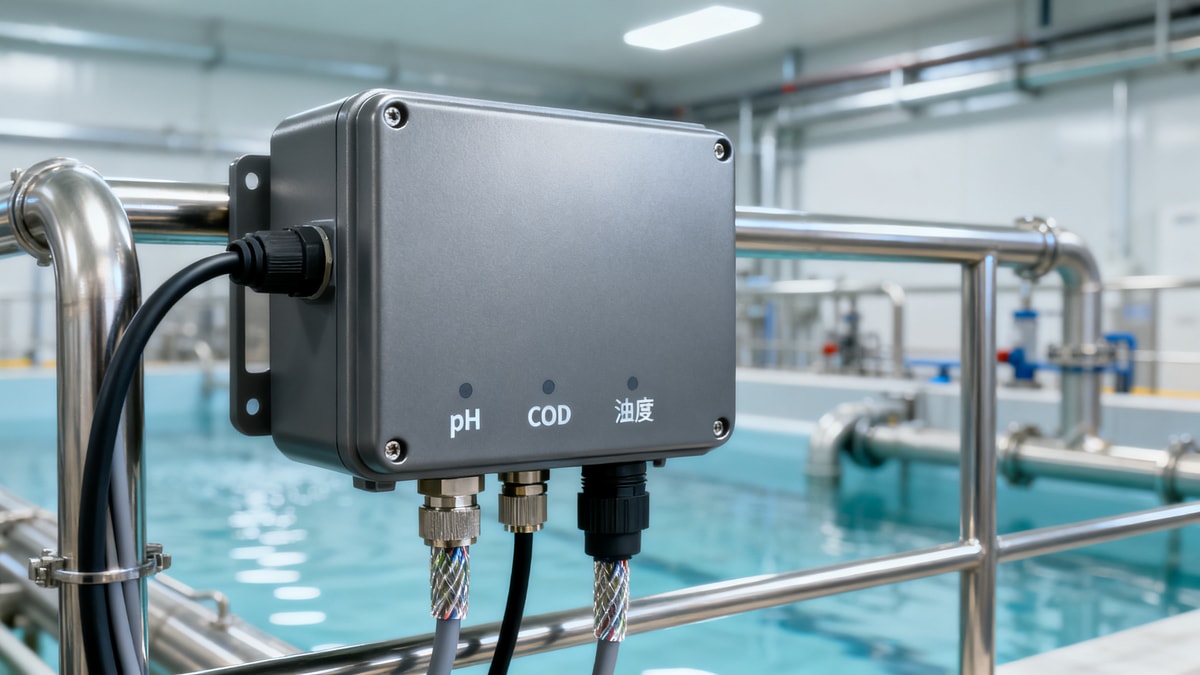
Vietnam’s Ministry of Industry and Trade (MOIT) issued Circular No. 88/2026/TT-BCT on May 4, 2026, waiving mandatory testing fees for SM4 encryption firmware upgrades on Chinese-made industrial online water quality analyzers — specifically those measuring COD, ammonia nitrogen, and turbidity. This development directly impacts exporters, instrumentation integrators, and environmental compliance service providers operating in or supplying Vietnam’s industrial wastewater monitoring ecosystem.
Event Overview
On May 4, 2026, Vietnam’s Ministry of Industry and Trade (MOIT) published Circular No. 88/2026/TT-BCT, exempting Chinese-origin industrial online water quality analyzers — equipped with COD, ammonia nitrogen, and turbidity modules — from mandatory testing fees associated with MQTT v5.0+ firmware upgrades incorporating China’s national cryptographic standard SM4. The exemption is valid through December 31, 2026. The measure is explicitly framed as part of the bilateral ‘Green Infrastructure Supply Chain Coordination Initiative’ between China and Vietnam, and supports implementation of Vietnam’s new real-time industrial wastewater regulation under Decree 07/2026/ND-CP.
Which Subsectors Are Affected
Direct Exporters of Industrial Water Analyzers
Chinese manufacturers exporting online water quality instruments to Vietnam will see reduced time-to-market and lower compliance costs for devices requiring SM4-enabled MQTT v5.0+ connectivity. The waiver applies only to the testing fee — not certification itself — meaning technical alignment with Vietnamese regulatory requirements remains mandatory, but financial and procedural friction is lowered.
System Integrators & Environmental Monitoring Solution Providers
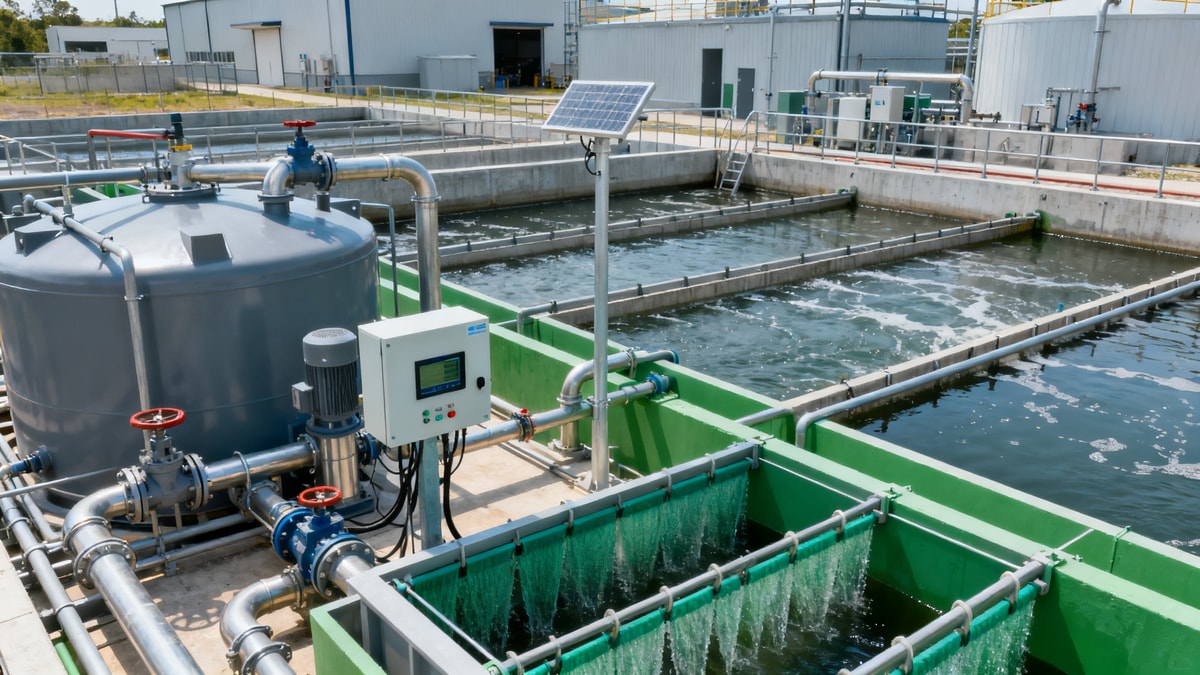
Firms assembling turnkey wastewater monitoring systems for Vietnamese industrial parks must integrate compliant communication protocols. With the fee waived, integration timelines for SM4-upgraded units may shorten, improving responsiveness to tenders tied to Decree 07/2026/ND-CP rollout. However, integrators remain responsible for verifying full conformance beyond the tested module (e.g., data routing, platform interoperability).
Local Distributors & Aftermarket Service Providers
Distributors handling Chinese-branded analyzers in Vietnam face lower administrative overhead when submitting devices for MOIT-mandated firmware verification. This may accelerate inventory clearance for newly upgraded stock and reduce support lead times for field firmware updates — though end-user training and documentation localization remain unaffected by the waiver.
What Relevant Companies or Practitioners Should Watch and Do Now
Monitor official MOIT guidance on scope clarification
The circular references ‘industrial online water quality analyzers with COD, ammonia nitrogen, and turbidity modules’ — but does not specify whether modular add-ons, third-party sensors, or hybrid platforms qualify. Stakeholders should track any MOIT Q&A documents or technical notices issued before July 2026 to confirm eligibility boundaries.
Verify device-level compliance status, not just fee exemption
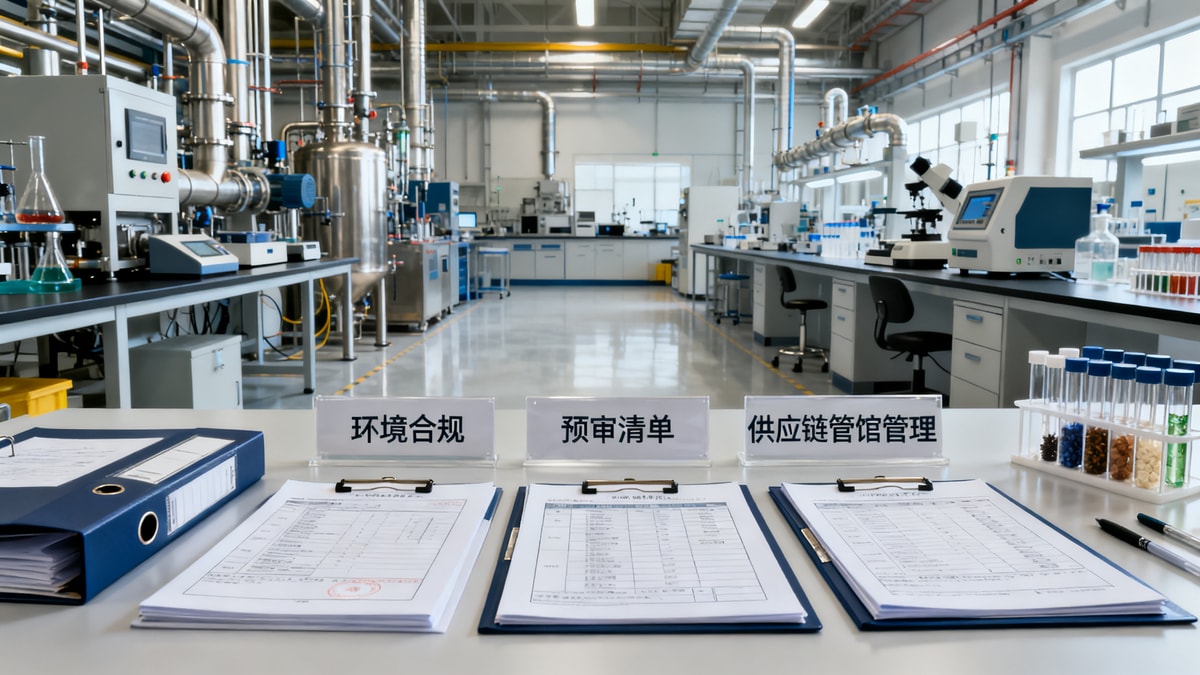
The waiver applies only to the testing fee for SM4/MQTT v5.0+ upgrades — not to broader conformity assessment (e.g., electromagnetic compatibility, environmental durability, or data reporting format validation). Exporters and integrators must still ensure full alignment with Decree 07/2026/ND-CP’s functional and cybersecurity annexes.
Assess supply chain readiness for firmware deployment
While the fee is waived, successful SM4 firmware installation requires verified hardware compatibility, secure OTA update infrastructure, and local server-side decryption capability. Companies should audit internal or partner capabilities for remote firmware management ahead of large-scale deployments targeting Q4 2026 deadlines.
Document exemption use for customs and audit purposes
Importers and local representatives should retain copies of Circular No. 88/2026/TT-BCT and related submission records. Vietnamese customs or provincial environmental authorities may request proof of fee exemption during equipment registration or post-installation inspection — especially for projects funded under green infrastructure grants.
Editorial Perspective / Industry Observation
Observably, this waiver is a targeted procedural adjustment — not a relaxation of regulatory standards. It signals Vietnam’s prioritization of interoperable, secure telemetry in industrial environmental monitoring while acknowledging supply chain constraints during early-stage Decree 07/2026/ND-CP implementation. Analysis shows the move is less about long-term policy shift and more about smoothing near-term adoption: the December 31, 2026 expiry suggests MOIT intends to reassess based on actual deployment experience and domestic capacity development. From an industry perspective, it reflects growing recognition that regulatory effectiveness depends not only on stringency, but also on feasible, cost-aware compliance pathways — particularly for cross-border hardware-software ecosystems.
Current interpretation favors treating this as a time-bound facilitation measure rather than a precedent for broader cryptographic or data protocol exemptions. Its value lies in reducing friction during a critical 8-month window — not in altering baseline requirements.
Conclusion
This MOIT circular represents a pragmatic, time-limited adjustment to Vietnam’s industrial water monitoring compliance framework — lowering one specific cost barrier without compromising core regulatory objectives. It underscores how bilateral coordination initiatives can translate into operational relief for supply chain actors, but also highlights that technical compliance obligations remain fully in force. For stakeholders, the most rational understanding is that this is a transitional enabler — not a permanent simplification — and its utility depends entirely on timely, accurate execution against existing technical and procedural benchmarks.
Source Attribution
Main source: Vietnam Ministry of Industry and Trade (MOIT), Circular No. 88/2026/TT-BCT, effective May 4, 2026.
Points requiring ongoing observation: MOIT’s potential issuance of technical implementation guidelines or scope clarifications prior to Q3 2026; any extension or revision of the exemption beyond December 31, 2026.
Technical Specifications
- SASO Mandates Dual Energy Label for Industrial Transformers in Saudi Arabia from May 2026Author :Grid Infrastructure Analyst
- EN 61000-4-30:2026 Enforced: Class A Harmonic Traceability Mandatory for EU PQ AnalyzersAuthor :Precision Metrology Expert
- US DOE Level 3 Transformer Efficiency Standard Effective July 1, 2026Author :Grid Infrastructure Analyst
Expert Insights

Chief Security Architect
Dr. Thorne specializes in the intersection of structural engineering and digital resilience. He has advised three G7 governments on industrial infrastructure security.
Related Analysis
- May 06, 2026SASO Mandates Dual Energy Label for Industrial Transformers in Saudi Arabia from May 2026Author :Grid Infrastructure Analyst
- May 06, 2026EN 61000-4-30:2026 Enforced: Class A Harmonic Traceability Mandatory for EU PQ AnalyzersAuthor :Precision Metrology Expert
- May 06, 2026US DOE Level 3 Transformer Efficiency Standard Effective July 1, 2026Author :Grid Infrastructure Analyst
Core Sector // 01
Security & Safety
- Vietnam MOIT: Industrial Water Monitors Must Adopt MQTT v5.0 + SM4 by Jun 30, 2026Author :Environmental Engineering Director

- Vietnam MOIT Waives SM4 Encryption Upgrade Fee for Chinese Water MonitorsAuthor :Environmental Engineering Director

- What makes an Environment & Ecology exporter easier to approveAuthor :Environmental Engineering Director

- Environmental compliance certification delays and how to avoid themAuthor :Environmental Engineering Director

- Why Environment & Ecology costs vary in water treatment projectsAuthor :Environmental Engineering Director

- Vietnam MOIT: Industrial Water Monitors Must Upgrade to MQTT v5.0 + SM4 by Jun 30, 2026Author :Environmental Engineering Director

- How to Assess an Environmental Engineering Manufacturer EarlyAuthor :Environmental Engineering Director

- Environmental Engineering Solutions That Fix Repeat Compliance IssuesAuthor :Environmental Engineering Director