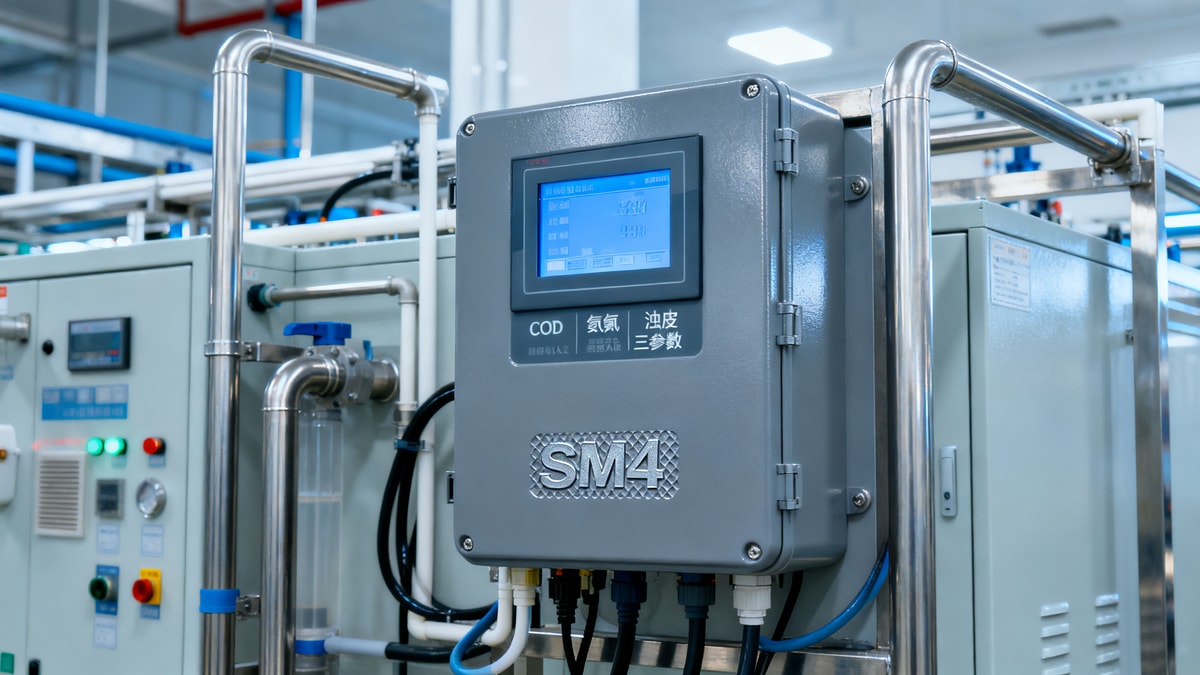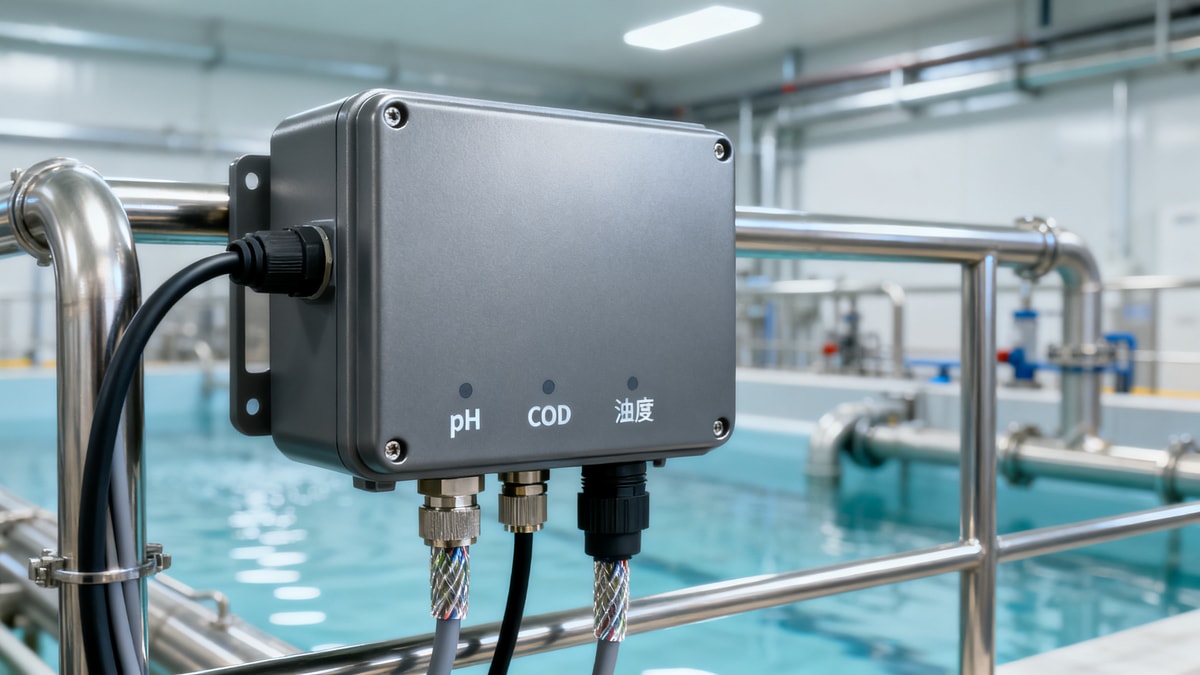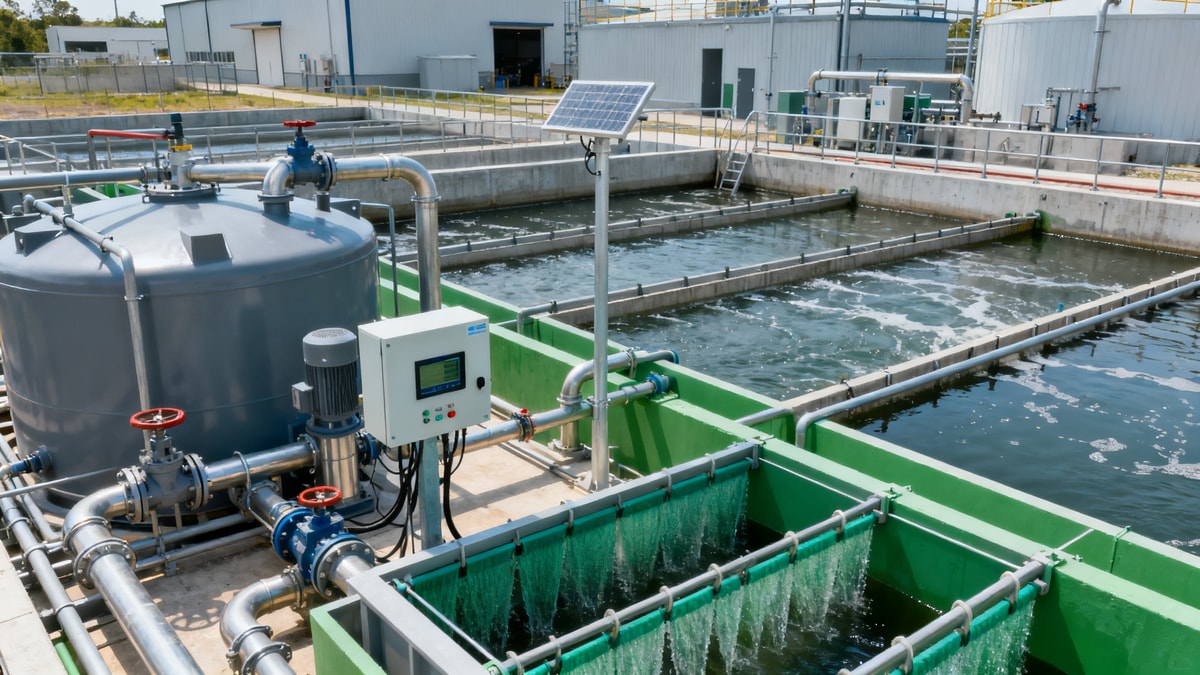
Vietnam MOIT: Industrial Water Monitors Must Adopt MQTT v5.0 + SM4 by Jun 30, 2026
Author
Date Published
Reading Time
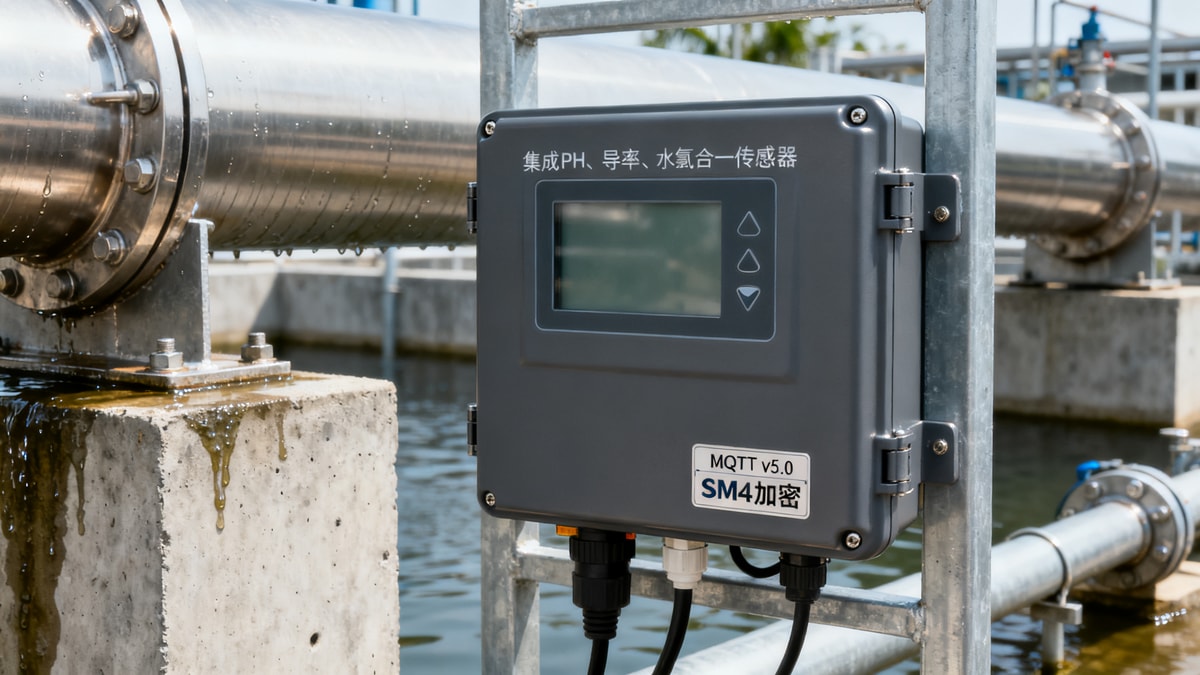
On May 2, 2026, Vietnam’s Ministry of Industry and Trade (MOIT) issued Circular No. 76/2026/TT-BCT, mandating MQTT v5.0 protocol upgrade and SM4 encryption firmware deployment for all industrial online water quality monitoring instruments (including pH, conductivity, and residual chlorine modules) operating in Vietnam. This requirement directly affects Chinese equipment suppliers, system integrators, and EPC contractors serving industrial parks and wastewater treatment projects in Vietnam — making it a critical compliance milestone for instrumentation, environmental tech, and cross-border hardware supply chains.
Event Overview
On May 2, 2026, the Vietnamese Ministry of Industry and Trade (MOIT) published Circular No. 76/2026/TT-BCT, which requires all industrial online water quality monitoring instruments deployed in Vietnam — specifically those measuring pH, electrical conductivity, and residual chlorine — to complete two technical upgrades by June 30, 2026: (1) adoption of the MQTT version 5.0 communication protocol, and (2) integration of SM4 symmetric encryption firmware. Devices failing to meet this deadline will be barred from connecting to the Vietnam National Environmental Monitoring Network (VNMN), thereby preventing data submission and operational authorization under national regulatory frameworks.
Which Subsectors Are Affected
Instrument Manufacturers & OEMs Exporting to Vietnam
Manufacturers supplying standalone or modular water quality analyzers to Vietnam must verify whether their current firmware supports MQTT v5.0 and SM4. Non-compliant units cannot be commissioned post-June 30, 2026, risking project delays, contract penalties, and de facto market exclusion. Impact manifests in product certification timelines, firmware validation cycles, and after-sales service capacity.
System Integrators & EPC Contractors
Integrators deploying end-to-end water monitoring systems — especially in industrial parks, textile dyeing zones, or food processing clusters — rely on third-party sensors and gateways. If upstream instrument vendors have not completed the required upgrade, integrators face integration failures, commissioning holdups, and inability to pass VNMN interoperability testing. Their contractual obligations (e.g., SLA-linked data uptime or regulatory reporting) may become unfulfillable.
Local Distributors & Aftermarket Service Providers
Distributors maintaining legacy device inventories or offering retrofit services must assess stock obsolescence risk. Units shipped before the deadline but lacking upgradable firmware may require full hardware replacement. Service teams need updated diagnostic tools and SM4-compatible configuration utilities — adding training and tooling overhead ahead of the cutoff.
Supply Chain & Logistics Operators
Logistics providers handling instrument shipments into Vietnam must now account for potential customs or port-side verification of firmware compliance documentation. While no public guidance yet mandates pre-clearance checks, MOIT’s enforcement focus on VNMN connectivity implies downstream audit risk — meaning documentation traceability (e.g., firmware version logs, SM4 implementation certificates) may soon become part of import documentation packages.
What Relevant Enterprises or Practitioners Should Focus On — And How to Respond
Verify firmware upgrade feasibility and timeline with OEMs immediately
Contact instrument suppliers to confirm whether existing models support over-the-air (OTA) or local firmware updates to MQTT v5.0 and SM4 — or if hardware revision is required. Request official upgrade roadmaps and validation reports aligned with VNMN technical specifications.
Review active and pending project contracts for VNMN compliance clauses
Identify all ongoing or upcoming water monitoring deployments in Vietnam scheduled for commissioning after June 30, 2026. Cross-check contractual deliverables against Circular 76/2026/TT-BCT requirements — particularly data transmission protocols, encryption standards, and platform certification obligations.
Prepare documentation for VNMN onboarding and audit readiness
Begin compiling evidence packages including firmware version logs, MQTT v5.0 conformance test summaries, SM4 implementation schematics, and signed declarations from manufacturers. MOIT has not published detailed audit criteria, but VNMN integration typically requires submission of such materials during device registration.
Monitor MOIT’s official portal for technical annexes and interpretation notices
Circular 76/2026/TT-BCT references technical annexes that remain unpublished as of May 2026. These annexes are expected to define SM4 key management rules, MQTT v5.0 QoS and session behavior requirements, and fallback mechanisms for legacy network environments. Subscribing to MOIT’s official notifications is essential for timely alignment.
Editorial Perspective / Industry Observation
Observably, this circular signals Vietnam’s deliberate shift toward sovereign digital infrastructure governance — aligning environmental telemetry with national cryptographic standards and modern IoT protocols. Analysis shows the timing suggests coordination with broader national digital transformation goals, rather than being an isolated technical update. It is currently more of a regulatory signal than an enforcement outcome: while the deadline is firm, no public record indicates active device blacklisting or real-time VNMN access revocation prior to June 30, 2026. From an industry perspective, the requirement reflects growing convergence between environmental regulation and cybersecurity policy — a trend increasingly visible across ASEAN markets. Continuous attention is warranted, as MOIT may issue supplementary guidance or extend enforcement scope to other environmental sensor categories post-2026.
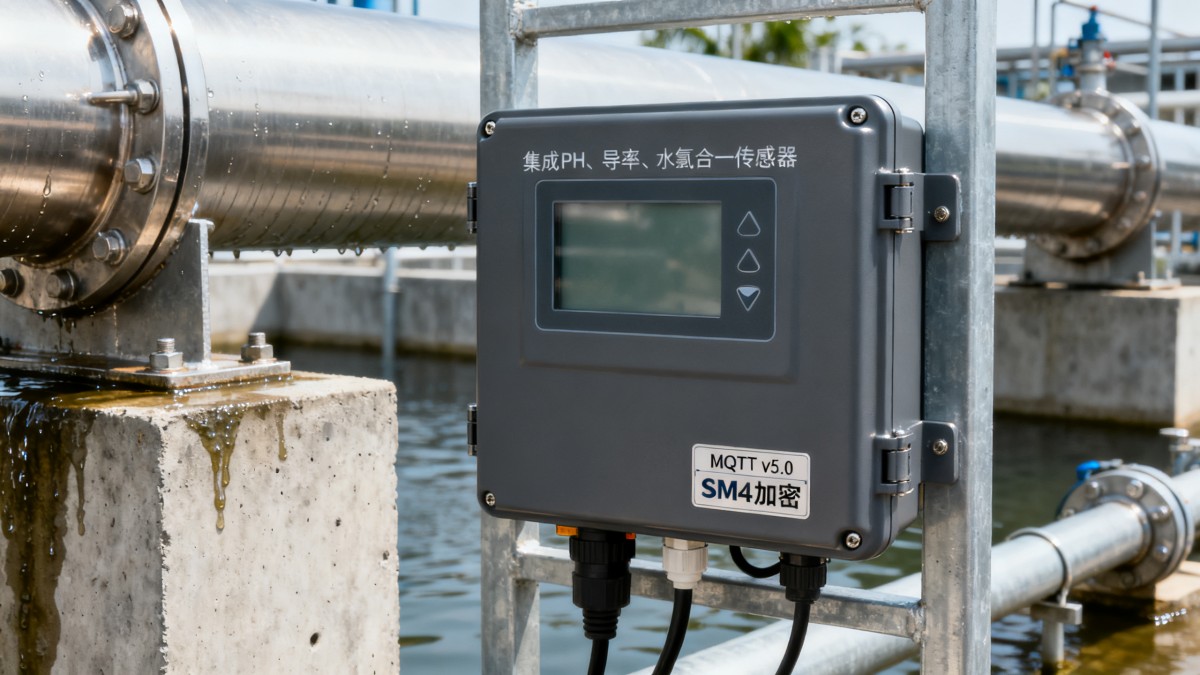
This directive underscores how national-level digital sovereignty policies — even when framed around environmental monitoring — can rapidly reshape hardware design, supply chain planning, and cross-border project execution. For stakeholders, it is less about immediate disruption and more about structural recalibration: firmware is now a regulated component, not just a feature. The June 30, 2026 deadline should be understood not as a one-off compliance checkpoint, but as an inflection point indicating Vietnam’s tightening integration of industrial IoT, data security, and environmental accountability.
Source: Vietnam Ministry of Industry and Trade (MOIT), Circular No. 76/2026/TT-BCT, effective May 2, 2026. Technical annexes and VNMN integration guidelines remain pending publication and are subject to further observation.
Technical Specifications
- SASO Mandates Dual Energy Label for Industrial Transformers in Saudi Arabia from May 2026Author :Grid Infrastructure Analyst
- EN 61000-4-30:2026 Enforced: Class A Harmonic Traceability Mandatory for EU PQ AnalyzersAuthor :Precision Metrology Expert
- US DOE Level 3 Transformer Efficiency Standard Effective July 1, 2026Author :Grid Infrastructure Analyst
Expert Insights

Chief Security Architect
Dr. Thorne specializes in the intersection of structural engineering and digital resilience. He has advised three G7 governments on industrial infrastructure security.
Related Analysis
- May 06, 2026SASO Mandates Dual Energy Label for Industrial Transformers in Saudi Arabia from May 2026Author :Grid Infrastructure Analyst
- May 06, 2026EN 61000-4-30:2026 Enforced: Class A Harmonic Traceability Mandatory for EU PQ AnalyzersAuthor :Precision Metrology Expert
- May 06, 2026US DOE Level 3 Transformer Efficiency Standard Effective July 1, 2026Author :Grid Infrastructure Analyst
Core Sector // 01
Security & Safety
- Vietnam MOIT: Industrial Water Monitors Must Adopt MQTT v5.0 + SM4 by Jun 30, 2026Author :Environmental Engineering Director

- Vietnam MOIT Waives SM4 Encryption Upgrade Fee for Chinese Water MonitorsAuthor :Environmental Engineering Director

- What makes an Environment & Ecology exporter easier to approveAuthor :Environmental Engineering Director

- Environmental compliance certification delays and how to avoid themAuthor :Environmental Engineering Director

- Why Environment & Ecology costs vary in water treatment projectsAuthor :Environmental Engineering Director

- Vietnam MOIT: Industrial Water Monitors Must Upgrade to MQTT v5.0 + SM4 by Jun 30, 2026Author :Environmental Engineering Director

- How to Assess an Environmental Engineering Manufacturer EarlyAuthor :Environmental Engineering Director

- Environmental Engineering Solutions That Fix Repeat Compliance IssuesAuthor :Environmental Engineering Director