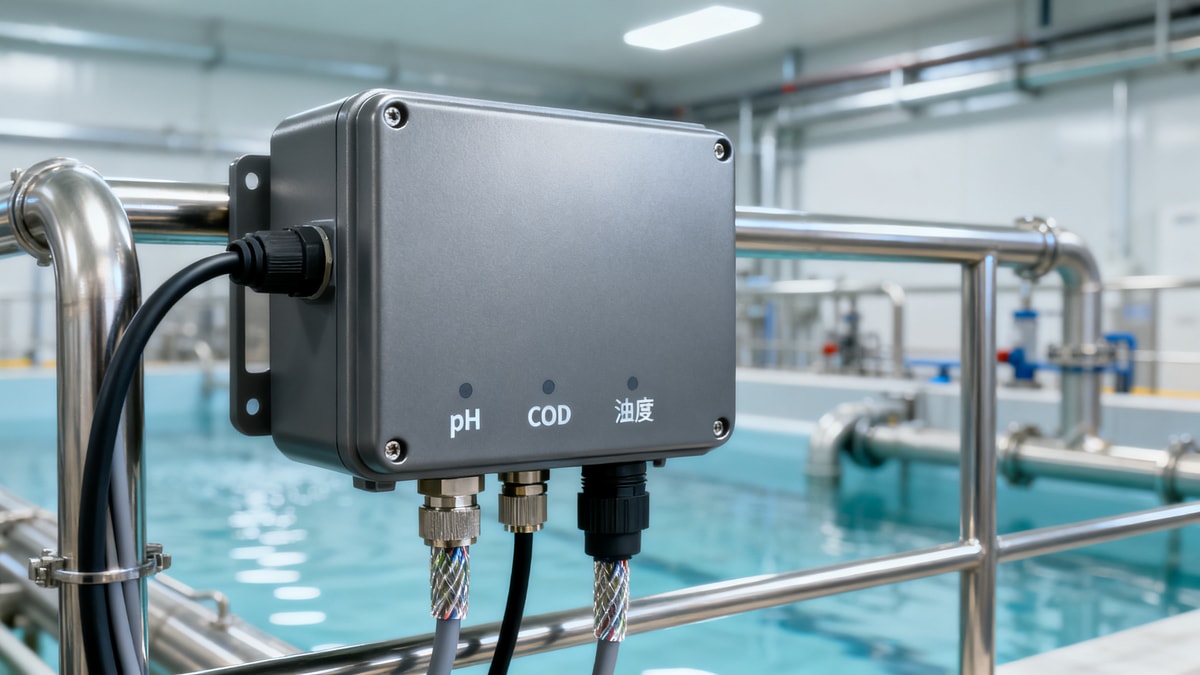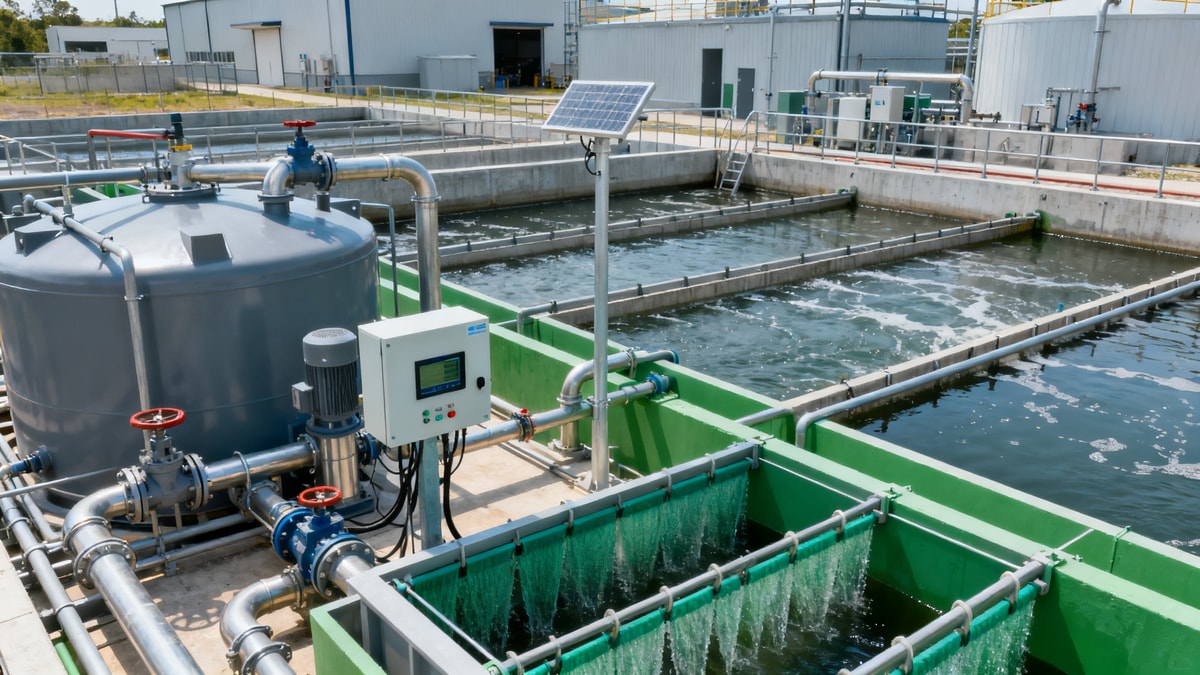
Environmental compliance certification delays and how to avoid them
Author
Date Published
Reading Time
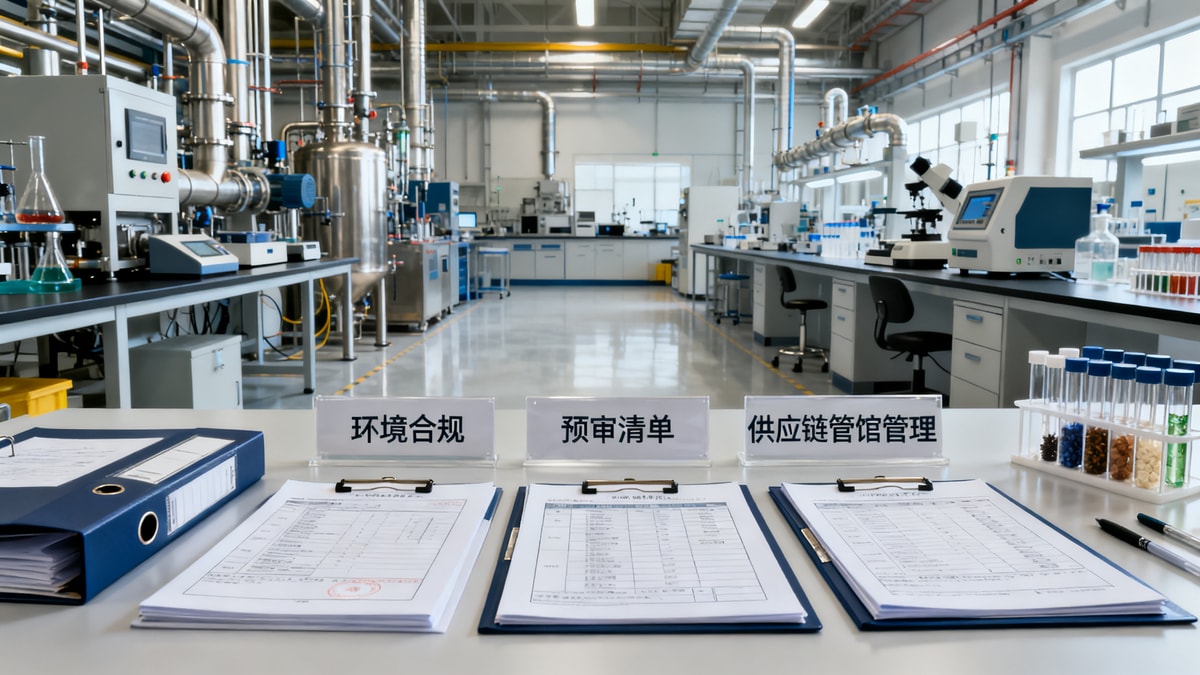
Environmental compliance certification delays can derail project schedules, inflate costs, and expose engineering teams to regulatory risk. For project managers and engineering leads, understanding why approvals stall is essential to keeping procurement, construction, and commissioning on track. This article outlines the most common causes of certification setbacks and the practical steps industrial teams can take to avoid them.
Why a checklist approach works better than a late-stage fix
For most industrial projects, environmental compliance certification does not fail because one major requirement was ignored. It usually slips because small gaps accumulate across design, sourcing, documentation, testing, and local approvals. A checklist approach helps project leaders identify these gaps before they become schedule-critical issues. It also supports cross-functional alignment between procurement, EHS, engineering, quality, legal, and external certification bodies.
This matters especially in EPC environments, plant upgrades, utility projects, process facilities, and heavy manufacturing programs where multiple vendors contribute to one final compliance package. If one component lacks evidence, if one emissions assumption is outdated, or if one regional standard is misread, the entire environmental compliance certification timeline can move from predictable to reactive.
First-pass screening: the 7 items to confirm before submission
Before engaging a certifier or regulator, project managers should run a structured pre-submission review. These are the first items to confirm because they account for a large share of environmental compliance certification delays.
- Applicable regulations are mapped by market and facility type. Confirm whether the project must satisfy national, regional, municipal, sector-specific, or customer-mandated environmental requirements. A plant expansion may face different obligations than a greenfield build, even on the same site.
- The product and process boundary is clearly defined. Teams must know what the certification covers: equipment, packaging, waste streams, emissions, water discharge, materials, noise, recycling obligations, or full facility operation.
- Technical data sheets match the as-built or as-procured reality. Delays often happen when submitted performance data reflects design intent, not the actual installed configuration or supplier revision.
- Supplier declarations are current and traceable. Material declarations, substance disclosures, test reports, and origin information must align with lot numbers, manufacturing dates, and revision control.
- Testing methods are recognized by the target authority. A valid laboratory report may still be rejected if the testing protocol, accreditation scope, or sampling method does not meet the reviewing body’s expectations.
- Language, format, and submission sequence are correct. Environmental compliance certification can be delayed by missing signatures, outdated templates, untranslated annexes, or incorrect digital filing structures.
- Responsibility ownership is documented. Someone must own each evidence item, each clarification request, and each deadline. Undefined ownership is one of the fastest ways to lose review time.
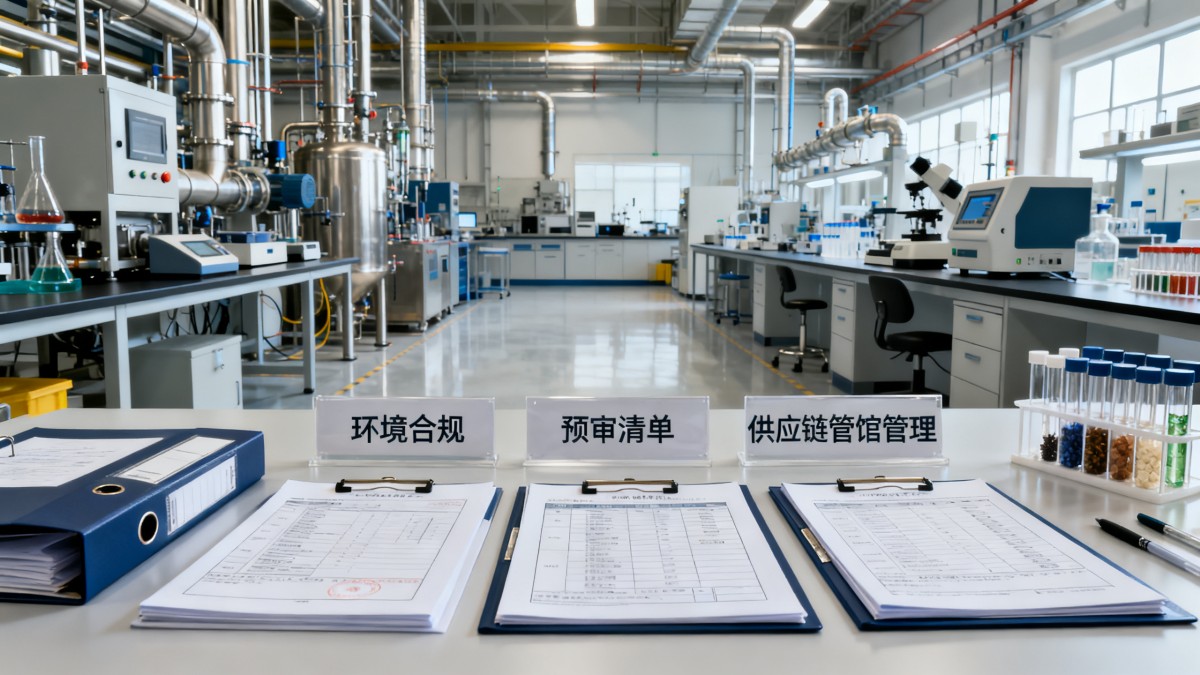
Core causes of environmental compliance certification delays
1. Incomplete environmental data packages
The most common bottleneck is missing data. Reviewers need more than a product brochure or generic compliance statement. They often require emissions profiles, chemical composition details, waste handling plans, environmental risk assessments, lifecycle information, and operating assumptions. When this package is assembled too late, teams must chase internal departments and vendors under time pressure.
2. Misalignment between design changes and certification evidence
Scope changes during engineering are normal, but they become risky when certification files are not updated. A revised coating, gasket material, filtration unit, coolant type, or control logic can alter environmental performance. If the submission still reflects an earlier design revision, the environmental compliance certification review may be paused until the updated impact is verified.
3. Supplier documentation that is technically valid but regulatorily weak
Industrial sourcing teams often receive supplier certificates that appear complete but do not answer the exact regulatory question. For example, a general ISO certificate does not replace a substance declaration; a factory audit does not replace emissions testing; and a self-declaration may not satisfy a third-party review requirement. High-quality procurement requires certification-aware document screening, not only commercial qualification.
4. Late engagement with local authorities or notified bodies
Many projects treat environmental compliance certification as a finishing step. In reality, local interpretation can shape design choices early. Wastewater limits, permitting thresholds, protected area considerations, transport restrictions, and hazardous material rules may vary by jurisdiction. Waiting until the package is nearly complete can force redesign, retesting, or resubmission.
5. Unrealistic timeline assumptions
Certification calendars are often based on ideal reviewer response times, not real market conditions. Public holidays, backlog at accredited labs, regulator queries, customs delays for samples, and sequential approvals can all extend lead times. Environmental compliance certification should be planned as a gated workstream with contingency, not as a single date in the project schedule.
Checklist of evidence that should be ready early
If your team wants to avoid avoidable delay, the following evidence should be prepared before final submission windows open.
- A regulation matrix showing applicable standards, permit triggers, and responsible owners.
- A revision-controlled bill of materials linked to environmental declarations.
- Third-party test reports with clear scope, dates, methods, and laboratory accreditation details.
- Process flow diagrams identifying emission points, waste streams, and treatment methods.
- Records of raw material restrictions, hazardous substance screening, and storage controls.
- Operational assumptions for normal, peak, startup, shutdown, and emergency conditions.
- Site-specific environmental impact inputs, especially for water, air, noise, soil, and waste.
- A formal document index so reviewers can find evidence quickly.
How certification risks differ by project scenario
Environmental compliance certification is not one-size-fits-all. Project managers should adjust their checks based on the project type and procurement structure.
Commonly overlooked issues that slow approvals
Even experienced teams can miss details that look minor but trigger a hold. These are worth adding to your internal environmental compliance certification review.
- Document version conflicts: one drawing revision in engineering, another in the compliance annex, and a third in the supplier declaration.
- Unverified subcontractor inputs: secondary suppliers may introduce coatings, lubricants, polymers, or packaging materials not included in the original review.
- Testing under non-representative conditions: lab results that do not reflect real operating temperatures, loads, or feed materials can be challenged.
- Missed renewal windows: some reports, declarations, and permits expire before shipment, installation, or commissioning.
- Poor reviewer usability: when files are difficult to navigate, questions increase and review cycles grow longer.
Practical execution plan for project managers
To keep environmental compliance certification on schedule, project leaders should convert compliance into a managed work package rather than a support task. The most effective execution pattern includes five actions.
- Create a certification responsibility matrix. Assign one owner for each approval, test, declaration, and regulator interface.
- Build a compliance gate into procurement. No vendor should reach final award without document obligations, resubmission rules, and evidence deadlines written into the purchase terms.
- Run milestone-based document audits. Review at design freeze, pre-order, factory acceptance, shipment, and pre-commissioning stages.
- Track regulator questions like technical punch items. Clarifications should have due dates, owners, and closure evidence, not sit in email threads.
- Protect schedule with contingency. Assume at least one review loop, one supplier correction cycle, and one test-related delay.
Quick decision guide: when to escalate early
Escalate the environmental compliance certification process immediately if any of these conditions apply: the project enters a new export market, hazardous materials are used near threshold limits, operating conditions changed after design freeze, the authority has requested clarifications more than once on the same issue, or multiple suppliers are providing contradictory substance or emissions data. Early escalation is almost always cheaper than defending a weak submission late in the project.
FAQ for engineering and project leads
When should environmental compliance certification start?
It should begin during concept or early FEED, not after procurement. The earlier teams map standards, evidence needs, and local approval paths, the lower the redesign risk.
Who should own the process?
One project-level owner should coordinate the process, but successful environmental compliance certification also requires active support from engineering, sourcing, EHS, quality, and suppliers.
Can supplier certificates alone secure approval?
Usually not. Supplier certificates are inputs, not a complete approval strategy. Authorities often need project-specific data, test context, and operating assumptions.
What to prepare before you move forward
If your organization is trying to shorten environmental compliance certification cycles, start by gathering five things: the target market list, the latest design revision set, the supplier evidence register, the anticipated operating envelope, and the required in-service date. With those inputs, teams can determine whether the current certification path is realistic or whether additional testing, documentation, or authority engagement is needed.
For industrial stakeholders working in complex procurement environments, the fastest gains usually come from earlier compliance planning, tighter supplier document control, and clearer review ownership. If you need to confirm certification scope, technical parameters, schedule impact, budget assumptions, or sourcing readiness, the best next step is to align engineering, procurement, and compliance leads around one evidence checklist and one decision timeline before the next project gate.
Technical Specifications
- SASO Mandates Dual Energy Label for Industrial Transformers in Saudi Arabia from May 2026Author :Grid Infrastructure Analyst
- EN 61000-4-30:2026 Enforced: Class A Harmonic Traceability Mandatory for EU PQ AnalyzersAuthor :Precision Metrology Expert
- US DOE Level 3 Transformer Efficiency Standard Effective July 1, 2026Author :Grid Infrastructure Analyst
Expert Insights

Chief Security Architect
Dr. Thorne specializes in the intersection of structural engineering and digital resilience. He has advised three G7 governments on industrial infrastructure security.
Related Analysis
- May 06, 2026SASO Mandates Dual Energy Label for Industrial Transformers in Saudi Arabia from May 2026Author :Grid Infrastructure Analyst
- May 06, 2026EN 61000-4-30:2026 Enforced: Class A Harmonic Traceability Mandatory for EU PQ AnalyzersAuthor :Precision Metrology Expert
- May 06, 2026US DOE Level 3 Transformer Efficiency Standard Effective July 1, 2026Author :Grid Infrastructure Analyst
Core Sector // 01
Security & Safety
- Vietnam MOIT: Industrial Water Monitors Must Adopt MQTT v5.0 + SM4 by Jun 30, 2026Author :Environmental Engineering Director

- Vietnam MOIT Waives SM4 Encryption Upgrade Fee for Chinese Water MonitorsAuthor :Environmental Engineering Director

- What makes an Environment & Ecology exporter easier to approveAuthor :Environmental Engineering Director

- Environmental compliance certification delays and how to avoid themAuthor :Environmental Engineering Director

- Why Environment & Ecology costs vary in water treatment projectsAuthor :Environmental Engineering Director

- Vietnam MOIT: Industrial Water Monitors Must Upgrade to MQTT v5.0 + SM4 by Jun 30, 2026Author :Environmental Engineering Director

- How to Assess an Environmental Engineering Manufacturer EarlyAuthor :Environmental Engineering Director

- Environmental Engineering Solutions That Fix Repeat Compliance IssuesAuthor :Environmental Engineering Director