Sodium Hypochlorite Generator vs Delivered Chemicals
Author
Date Published
Reading Time
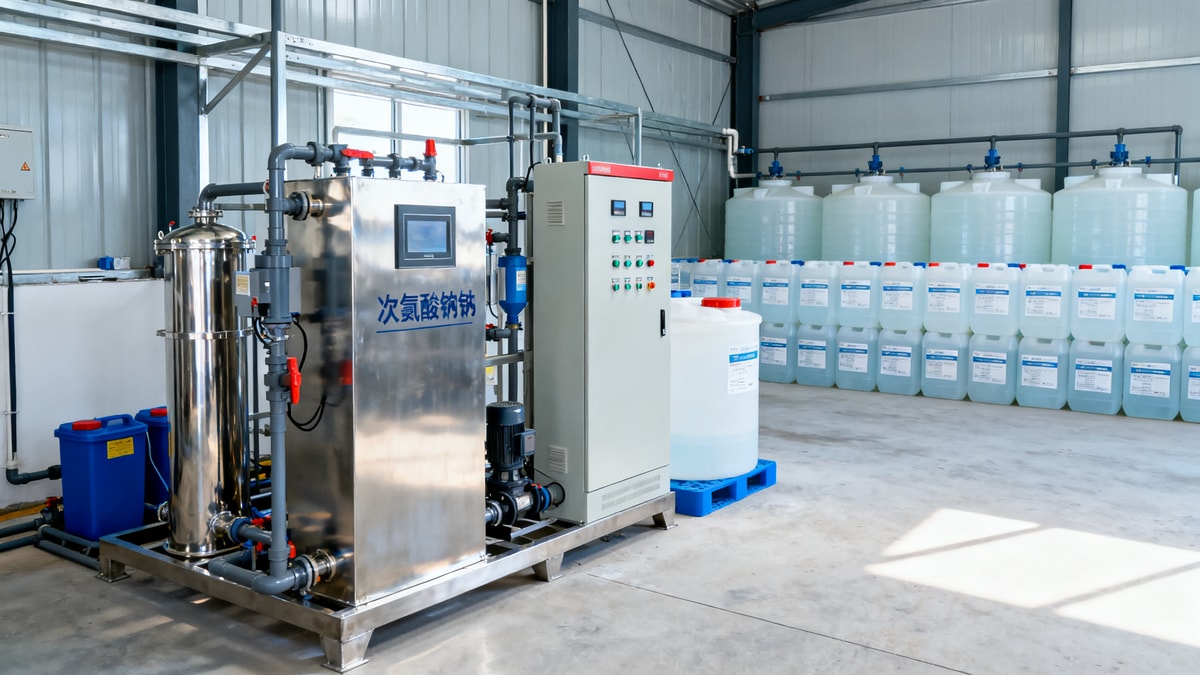
For industrial buyers weighing a sodium hypochlorite generator against delivered chemicals, the decision goes far beyond cost alone. It affects safety, supply continuity, compliance, and long-term operational resilience. This article examines the key differences, helping decision-makers identify which approach best supports efficient, secure, and scalable industrial water treatment.
Understanding the Two Supply Models
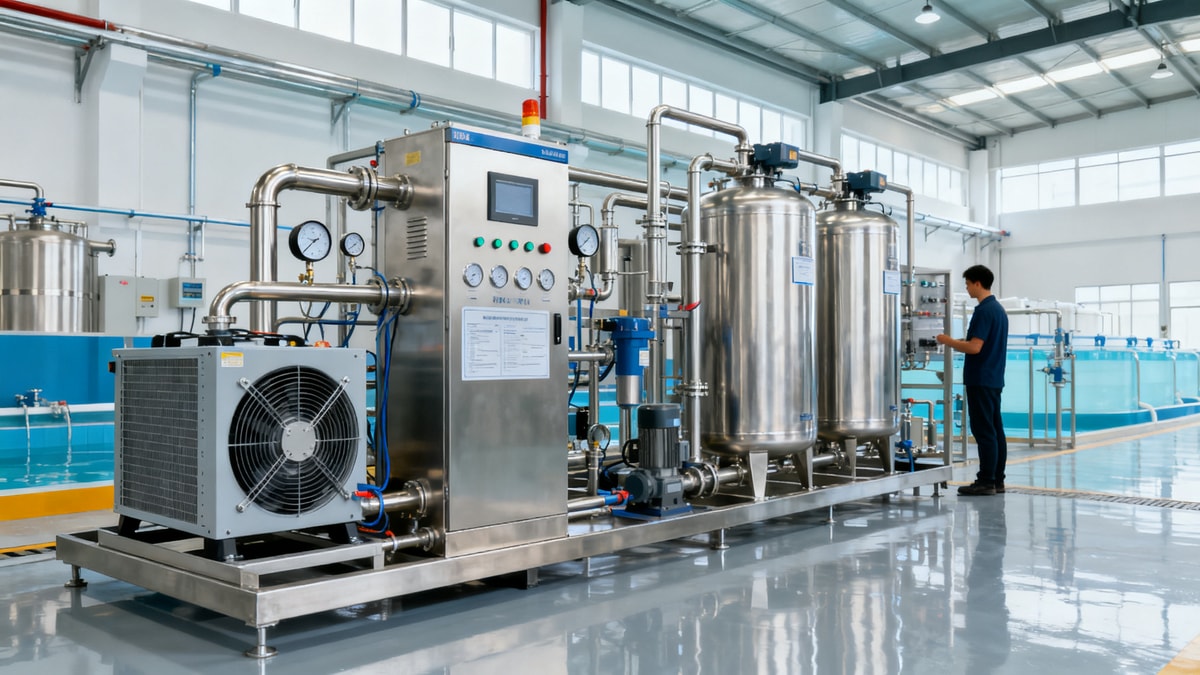
A sodium hypochlorite generator is an on-site system that produces sodium hypochlorite solution from salt, water, and electricity through electrolysis. Instead of receiving bulk bleach by truck or in drums, a facility generates disinfectant where and when it is needed. Delivered chemicals, by contrast, rely on off-site manufacturing, packaging, transportation, storage, and dosing at the point of use.
Both approaches are widely used in industrial water treatment, municipal utilities, food processing, power generation, and large commercial facilities. The difference is not simply whether a plant buys chemical or makes it. The real distinction lies in operating philosophy: centralized external supply versus localized production. For decision-makers responsible for uptime, compliance, and risk control, that difference can materially influence plant resilience.
A sodium hypochlorite generator is often discussed as an alternative to delivered sodium hypochlorite, chlorine gas, or other oxidizing disinfectants. However, the strongest business case usually appears where buyers need predictable disinfection performance, lower transport risk, and more control over inventory exposure. This is why the topic has become increasingly relevant across infrastructure-heavy industries.
Why the Industry Is Paying Closer Attention
Industrial operations today face a more complex risk environment than in the past. Chemical logistics can be disrupted by fuel cost volatility, labor shortages, geopolitical instability, weather events, and transport regulation changes. At the same time, water quality standards, worker safety expectations, and environmental reporting requirements continue to tighten. In that context, a sodium hypochlorite generator is not only a treatment asset; it can also be a supply-chain strategy.
Delivered chemicals remain practical for many sites, especially facilities with modest demand, limited technical staff, or existing contracts with reliable local suppliers. Yet their economics and risk profile may shift as scale increases. Bulk deliveries require dedicated storage, handling procedures, replenishment planning, and contingency arrangements. They also expose the operation to product degradation over time, since sodium hypochlorite concentration declines in storage, especially under heat and light.
By comparison, on-site generation offers fresher product and reduces dependence on transportation. This does not eliminate complexity; it transfers some complexity into equipment ownership, power use, maintenance routines, and operator training. The decision therefore should be framed as a lifecycle operational choice rather than a narrow purchasing comparison.
Core Differences That Matter to Decision-Makers
When evaluating a sodium hypochlorite generator versus delivered chemicals, executives and procurement leaders typically focus on five dimensions: safety, supply assurance, cost over time, treatment consistency, and compliance readiness.
From a safety standpoint, on-site generation often reduces the need to transport and store large volumes of concentrated oxidizing chemicals. This can lower exposure during unloading, transfer, and long-term inventory holding. For sites with strict EHS protocols, that reduction in hazard concentration is strategically attractive. However, generators introduce electrical systems, hydrogen management considerations, brine preparation, and process monitoring requirements. Safe design and adherence to relevant standards remain essential.
From a continuity standpoint, delivered chemicals depend on vendor reliability and delivery schedules. A sodium hypochlorite generator depends on utilities, spare parts availability, and internal maintenance discipline. Facilities in remote regions, politically sensitive logistics corridors, or storm-prone areas may place greater value on local generation because it provides more operational independence.
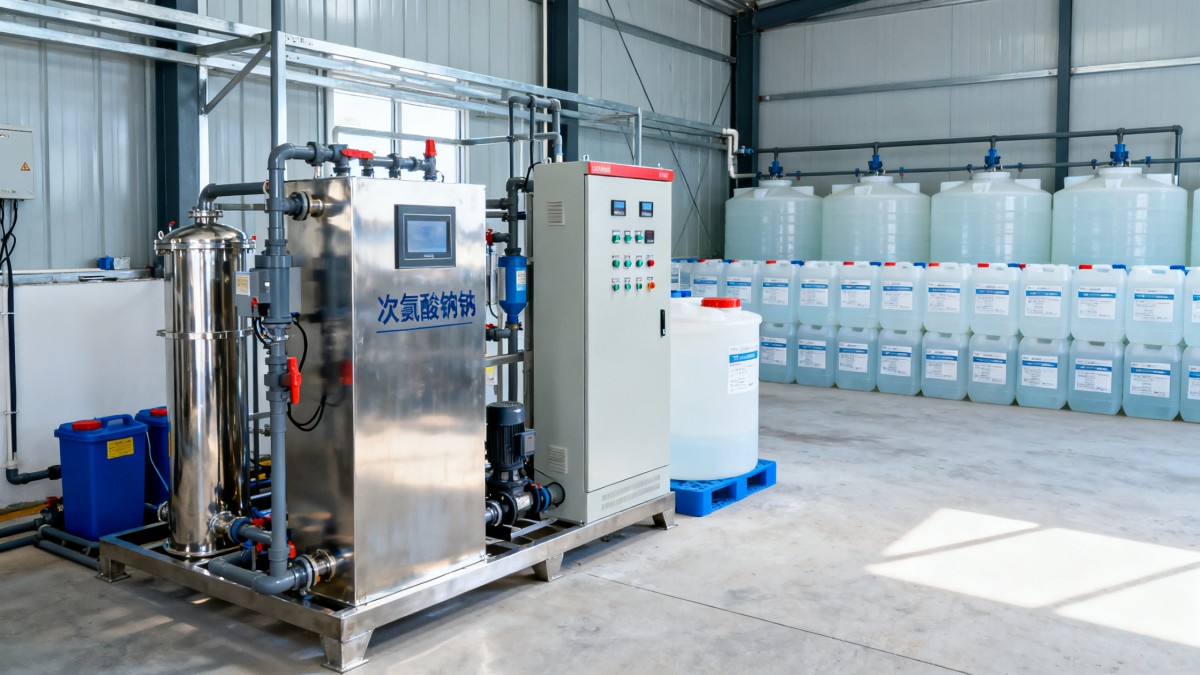
On the cost side, delivered chemicals usually involve lower upfront investment but can carry recurring transportation, storage, and markup costs. A sodium hypochlorite generator typically requires higher initial capital expenditure and commissioning effort, but can offer lower long-term operating cost where consumption is steady and high. The break-even point depends on salt cost, electricity tariff, labor structure, maintenance burden, and annual disinfectant demand.
Treatment consistency is another major factor. Freshly generated sodium hypochlorite can support more predictable dosing compared with aged delivered product that may lose strength during storage. In systems where residual control is critical, such as potable water, cooling systems, or process sanitation, chemical freshness has a direct operational impact.
Industry Overview Table: Comparing Operational Priorities
The following overview summarizes how a sodium hypochlorite generator and delivered chemicals typically align with common industrial priorities.
Where a Sodium Hypochlorite Generator Creates the Most Value
The value of a sodium hypochlorite generator becomes clearer when linked to operating context rather than considered as a standalone technology. Facilities with continuous or high-volume disinfection demand often see the strongest strategic benefits. This includes water and wastewater plants, district cooling networks, industrial process water systems, pulp and paper operations, mining infrastructure, and large campuses with critical public health obligations.
For these users, the generator can support three important outcomes. First, it improves planning confidence by reducing dependency on external chemical deliveries. Second, it can strengthen total cost control through lower delivered-chemical exposure over time. Third, it aligns with broader resilience objectives by embedding part of the chemical supply function inside the facility boundary.
This matters to enterprise leaders because resilient water treatment is tied directly to production stability, asset integrity, and corporate risk posture. In sectors where a disinfection interruption could trigger downtime, permit concerns, or public safety issues, on-site generation can provide strategic value beyond line-item savings.
Typical Use Profiles by Facility Type
Not every site should choose the same model. A practical way to evaluate fit is to classify operations by demand profile, staffing capability, and exposure to supply disruption.
What to Evaluate Before Choosing
A well-informed decision should start with demand analysis. Buyers should quantify average and peak sodium hypochlorite consumption, target residual levels, storage turnover, and the cost of any treatment interruption. This baseline often reveals whether a sodium hypochlorite generator is economically and operationally justified.
The second step is infrastructure readiness. On-site generation requires dependable electricity, suitable water quality, salt handling capability, ventilation design, and integration with existing dosing and control systems. It may also require updates to operator training, preventive maintenance plans, and alarm management procedures.
Third, buyers should compare lifecycle cost rather than purchase price alone. A serious analysis includes equipment depreciation, spare parts, service support, energy, salt, labor, delivered-chemical price escalation, freight, inventory risk, and chemical loss from degradation. This is where many projects shift from appearing expensive to looking strategically sound.
Fourth, compliance and vendor credibility should be examined carefully. Industrial procurement teams should verify certifications, electrical and safety conformity, documented performance data, commissioning capability, and after-sales technical support. In mission-critical environments, supplier expertise can be as important as the equipment itself.
Practical Guidance for Enterprise Buyers
For enterprise decision-makers, the best approach is usually not to ask which option is universally superior, but which option best matches the facility’s risk profile and operating model. If your organization values autonomy, predictable treatment quality, and reduced dependence on hazardous chemical logistics, a sodium hypochlorite generator deserves serious consideration. If your site prioritizes low initial spend and has reliable access to competitively priced delivered chemicals, external supply may remain appropriate.
Cross-functional evaluation is essential. Operations, EHS, maintenance, procurement, and finance should all contribute to the assessment. This prevents a narrow decision based only on chemical unit price and helps ensure the selected model supports broader corporate goals such as resilience, safety leadership, and audit readiness.
Many organizations also benefit from phased analysis: start with one representative site, validate operating assumptions, compare total cost and reliability over time, and then standardize where results are favorable. This measured approach reduces uncertainty while building internal confidence.
FAQ for Strategic Evaluation
Is a sodium hypochlorite generator always cheaper than delivered chemicals?
No. The economics depend on consumption volume, electricity price, freight cost, labor, and asset life. A sodium hypochlorite generator often becomes more attractive as demand and logistics complexity increase.
Does on-site generation reduce safety risk?
It can reduce the risks associated with transporting and storing bulk chemicals, but it does not remove the need for robust engineering controls, ventilation, monitoring, and trained personnel.
Who benefits most from a sodium hypochlorite generator?
Facilities with continuous treatment demand, high reliability requirements, remote locations, or strong supply-chain resilience goals typically see the greatest benefit.
Moving Toward a More Resilient Water Treatment Strategy
The choice between a sodium hypochlorite generator and delivered chemicals should be grounded in operational reality, not just short-term pricing. For modern industrial buyers, the more important questions concern resilience, safety, treatment consistency, and lifecycle value. In many settings, on-site generation provides a compelling path to stronger control and lower supply vulnerability. In others, delivered chemicals remain efficient and practical.
The most effective next step is a structured site-level review covering demand, infrastructure, compliance obligations, and long-term cost. With a disciplined evaluation framework, decision-makers can determine whether a sodium hypochlorite generator is simply an equipment option or a strategic upgrade to industrial water treatment reliability.
Technical Specifications
Expert Insights

Chief Security Architect
Dr. Thorne specializes in the intersection of structural engineering and digital resilience. He has advised three G7 governments on industrial infrastructure security.
Related Analysis
- May 02, 2026Chemical Metering Pumps: Which Dosing Errors Cost the Most?Author :Environmental Engineering Director
- May 02, 2026What Sets One Belt Filter Press Manufacturer Apart?Author :Environmental Engineering Director
- May 02, 2026Moving Bed Biofilm Reactor MBBR Retrofit Benefits and LimitsAuthor :Environmental Engineering Director
Core Sector // 01
Security & Safety
- Chemical Metering Pumps: Which Dosing Errors Cost the Most?Author :Environmental Engineering Director

- What Sets One Belt Filter Press Manufacturer Apart?Author :Environmental Engineering Director

- Moving Bed Biofilm Reactor MBBR Retrofit Benefits and LimitsAuthor :Environmental Engineering Director

- Wholesale Ozone Generators: Output Claims vs Real PerformanceAuthor :Environmental Engineering Director

- How Sludge Dewatering Machine Choice Affects Disposal FeesAuthor :Environmental Engineering Director

- Wholesale Dosing Pumps: Which Materials Last Longer?Author :Environmental Engineering Director

- Dissolved Air Flotation DAF Problems That Raise Sludge VolumeAuthor :Environmental Engineering Director

- Chamber Filter Press Cycle Time: What Slows It Down?Author :Environmental Engineering Director