What drives hidden Environment & Ecology costs in dust control
Author
Date Published
Reading Time
Dust control failures rarely show up as a single line item, yet hidden Environment & Ecology cost can quietly erode project margins, delay approvals, and increase compliance risk. For project leaders managing complex industrial sites, understanding what drives these costs is essential to balancing operational efficiency, environmental responsibility, and long-term asset performance.
Why scenario differences matter more than a generic dust budget
For project managers and engineering leads, dust control is often treated as a support activity attached to civil work, bulk material handling, demolition, mining, port logistics, or plant maintenance. In practice, the real Environment & Ecology cost varies sharply by application scenario. A quarry road, a steel transfer point, a cement loading bay, and a redevelopment site may all generate dust, but the hidden cost drivers are not the same. One site pays more through water use and runoff treatment, another through unplanned shutdowns, and another through permit exposure or neighbor complaints.
This is why a single “dust control cost” assumption can distort project planning. What looks like a low-cost solution at procurement stage may create higher lifecycle burden through overspray, sludge cleanup, filter replacement, corrosion, energy demand, labor intensity, or environmental reporting gaps. For industrial decision-makers, the better question is not simply how much suppression equipment costs, but which operational scenario is most likely to trigger hidden Environment & Ecology cost over the project timeline.
Where hidden Environment & Ecology cost usually appears
Across integrated industrial environments, hidden cost usually emerges in five places: regulatory exposure, resource consumption, secondary contamination, productivity loss, and asset degradation. These categories may not sit under one budget code, which is why they are frequently missed during early project reviews.
- Regulatory exposure: permit delays, corrective actions, monitoring obligations, and penalties tied to air quality, stormwater, or waste handling.
- Resource consumption: high water demand, chemical overuse, power draw from fans and collectors, and additional labor for application and cleanup.
- Secondary contamination: mud, wastewater, slurry, contaminated sediment, or captured dust requiring controlled disposal.
- Productivity loss: rework, slower material flow, road safety issues, housekeeping downtime, and equipment fouling.
- Asset degradation: corrosion, abrasion, blocked sensors, overloaded HVAC systems, and shortened service life of mechanical components.
Seen through this lens, Environment & Ecology cost becomes a site performance issue rather than a narrow environmental line item. That is especially relevant in EPC projects, where short-term schedule decisions can create long-tail operational liabilities after handover.
Typical application scenarios and what drives cost in each one
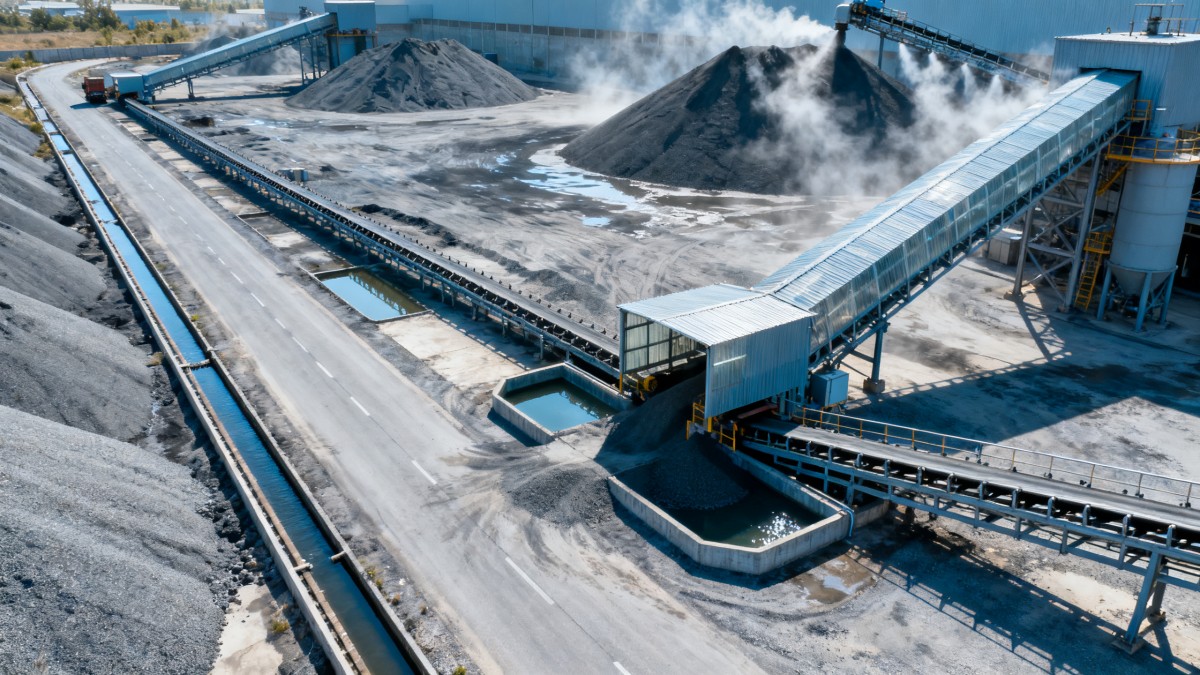
The table below helps project leaders compare common industrial scenarios where dust control decisions shape hidden Environment & Ecology cost in different ways.
Scenario 1: Haul roads and stockyards often hide water and runoff liabilities
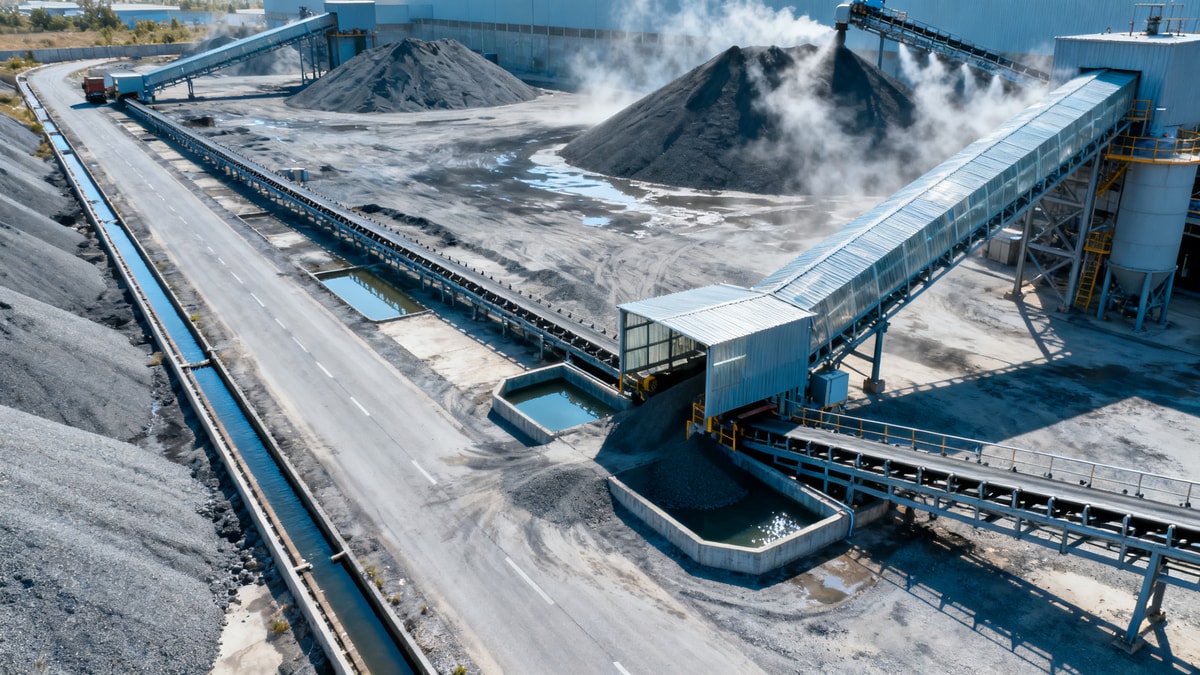
In mining, quarrying, cement, aggregates, and large industrial storage yards, the first response to dust is often water spraying. It seems inexpensive, familiar, and easy to deploy. However, this scenario can generate hidden Environment & Ecology cost when application rates are based on visual suppression rather than site-specific performance data.
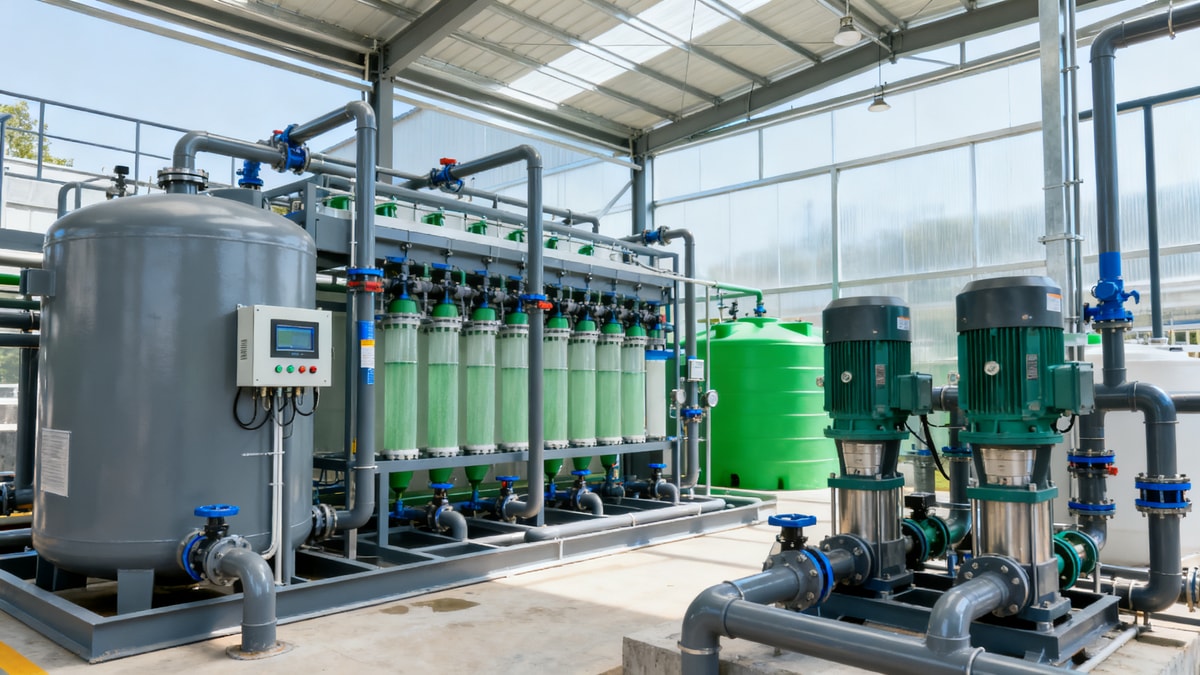
If roads are long, traffic is heavy, and ambient temperature is high, suppression frequency climbs quickly. Water trucks consume fuel, tie up operators, and compete with other site water demands. Overspray can destabilize road surfaces, increase tire wear, create slip hazards, and carry sediment into drainage channels. On sites with water scarcity or discharge restrictions, runoff treatment or containment can become more expensive than the original dust control program.
For this scenario, project leaders should compare not just product price but residual control duration, evaporation resistance, drainage compatibility, and the environmental profile of any chemical suppressant. The true Environment & Ecology cost depends on how often the treatment must be repeated and what it does to surrounding soil and water pathways.
Scenario 2: Material handling systems shift cost into downtime and maintenance
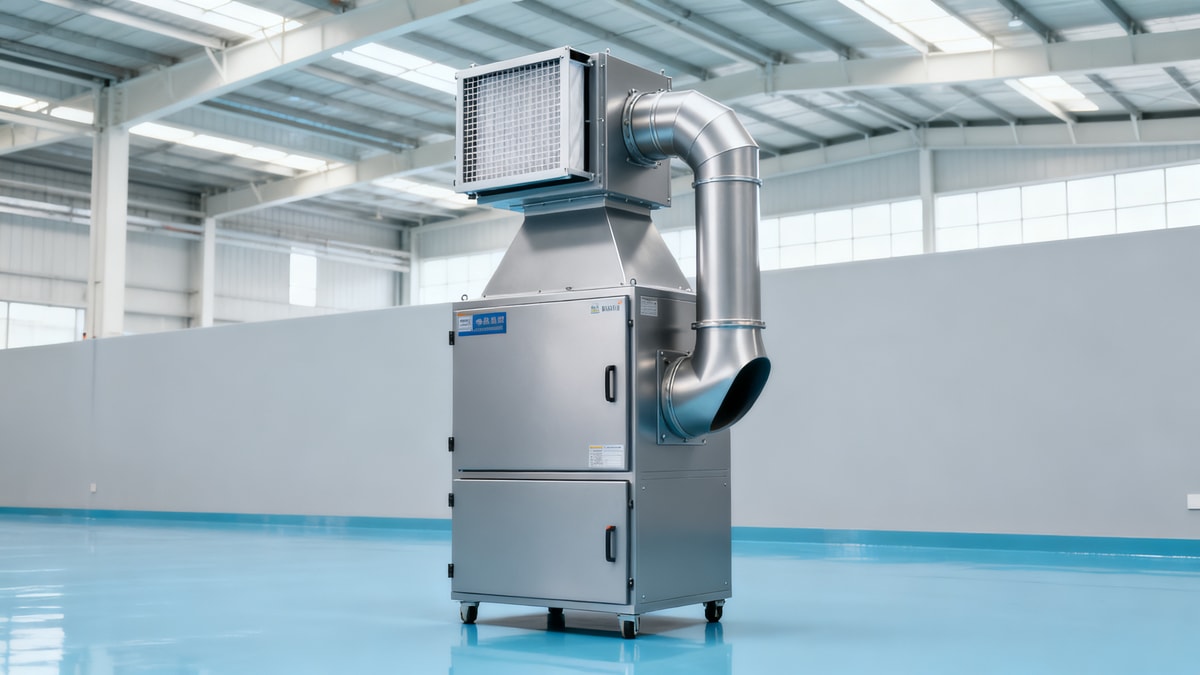
At crushers, screens, hoppers, transfer chutes, and enclosed conveyors, dust behaves differently. Here, the visible cloud is only part of the issue. Fine particles settle on sensors, motors, bearings, and electrical cabinets. If capture systems are undersized, poorly sealed, or difficult to maintain, hidden Environment & Ecology cost appears through increased cleaning labor, reduced instrumentation reliability, and production interruptions.
A frequent mistake in this scenario is selecting suppression nozzles or collectors without aligning them to particle size distribution, moisture sensitivity of the product, or airflow conditions around the transfer point. Excess moisture may clog chutes or alter downstream quality, while weak extraction may simply relocate dust rather than control it. The result is a layered cost profile: environmental noncompliance risk, material loss, and maintenance burden.
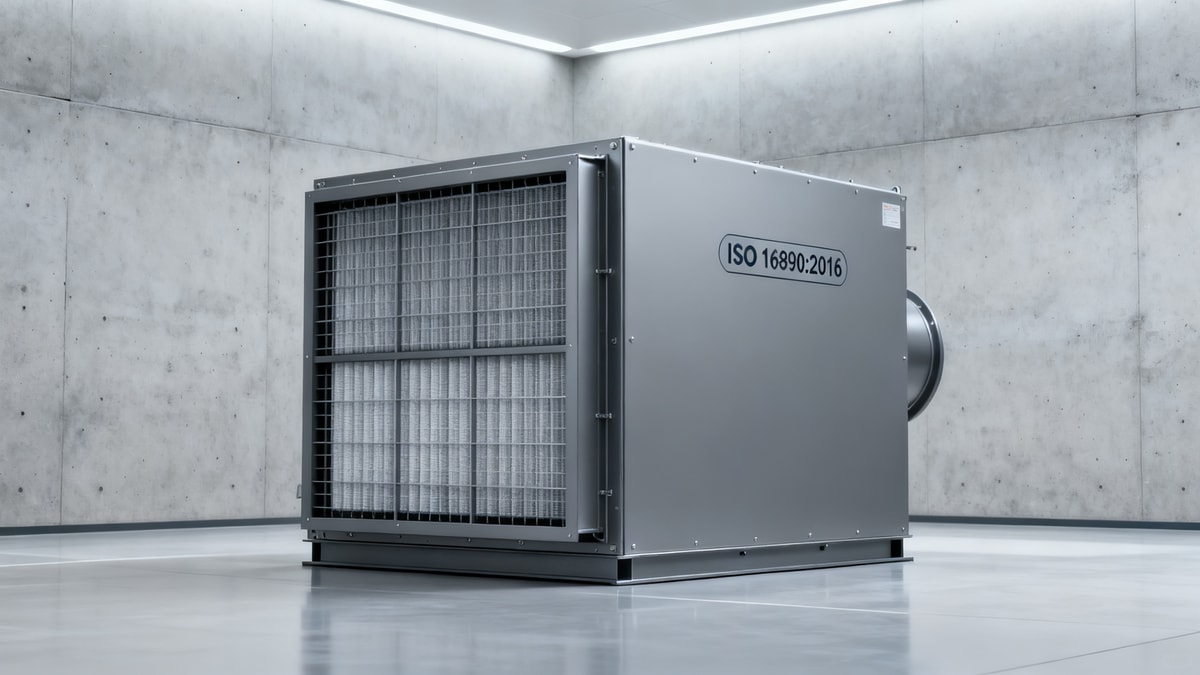
For project teams, the better fit is usually determined by integrated design questions: Is the transfer point enclosed? Can pressure balance be maintained? How accessible are filters for replacement? Will the system increase corrosion or carryback? These factors often outweigh initial equipment cost in long-term value calculations.
Scenario 3: Ports and coastal bulk terminals face community and corrosion pressure
Bulk ports handling ore, coal, clinker, fertilizers, or grain operate under a different risk pattern. Wind can amplify dust migration beyond the facility boundary, raising complaint frequency and reputational exposure. In these settings, hidden Environment & Ecology cost often comes from off-site impact rather than only on-site cleanup.
Marine environments add another cost layer. Salt air can accelerate corrosion on misting systems, ducting, supports, and fasteners. If suppression hardware is not selected for this exposure class, lifecycle maintenance rises sharply. In addition, applying too much moisture at loading points may affect cargo condition, create handling inefficiencies, or complicate downstream quality expectations.
In this scenario, project managers should prioritize meteorological modeling, material-specific handling behavior, and corrosion-resistant design. The hidden Environment & Ecology cost is often a function of how far dust travels, how frequently systems fail under coastal exposure, and how rapidly stakeholder pressure escalates after a visible event.
Scenario 4: Construction, demolition, and brownfield work are approval-sensitive
Temporary or mobile projects often underestimate dust because the site footprint changes quickly. Yet this is exactly where hidden Environment & Ecology cost can be most disruptive. A redevelopment project near commercial or residential zones may trigger complaints, stop-work notices, or additional monitoring requirements if dust escapes during earthworks, cutting, crushing, or debris handling.
Unlike stable production facilities, these projects face shifting exposure conditions. One week the risk comes from haul roads, the next from demolition waste, and later from stockpiled fill. Because conditions evolve, static control plans frequently fall behind reality. The cost then shows up in emergency mitigation, schedule compression, or re-sequencing of trades.
For this scenario, the most effective control strategy is adaptive: monitor weather, identify high-emission tasks by phase, and assign ownership for daily review. The Environment & Ecology cost is less about one technology choice and more about how quickly the team can match controls to changing site conditions.
How demand differs by project type, scale, and stakeholder profile
Not every industrial operation should evaluate dust control through the same lens. A remote extraction site may prioritize water efficiency and road safety, while an urban-facing plant may place greater value on visible plume reduction and complaint prevention. Likewise, a greenfield EPC project has more flexibility to integrate enclosure, drainage, and monitoring at design stage than a retrofit in a constrained operating facility.
- Large continuous-process facilities usually benefit from lifecycle analysis, because downtime and maintenance dominate total cost.
- Fast-track construction projects need agile, phase-based controls that can move with the schedule.
- Export terminals and public-facing facilities should weigh stakeholder sensitivity and incident visibility more heavily.
- Water-stressed regions must account for water sourcing, storage, and runoff management from the start.
This scenario-based approach helps teams avoid under-specifying systems in high-risk environments or over-investing where simpler controls are sufficient.
Common misjudgments that increase hidden Environment & Ecology cost
Several recurring errors drive avoidable cost across sectors. First, teams often judge effectiveness by visual dust reduction alone, ignoring water balance, filter loading, or residue handling. Second, procurement may compare equipment by capital cost without reviewing maintenance frequency, spare parts exposure, or site utility demand. Third, controls are sometimes selected before the dust source is characterized, leading to mismatch between technology and particle behavior.
Another frequent issue is organizational fragmentation. Environmental teams, operations, maintenance, and project controls may each see only part of the problem. As a result, hidden Environment & Ecology cost gets spread across separate accounts and never appears in one business case. For project leaders, creating a cross-functional review is often the fastest way to expose the real cost profile before contracts are locked in.
A practical fit-check before choosing a dust control approach
Before finalizing specification or procurement, ask a short set of scenario-driven questions. What is the dominant dust source: traffic, drop height, wind exposure, or process capture failure? Is the site water-rich or water-constrained? Is the project temporary, seasonal, or continuous? Are nearby communities, waterways, or sensitive assets likely to amplify impact? Which hidden Environment & Ecology cost is most likely to matter first: compliance, maintenance, downtime, or waste handling?
When these questions are answered early, dust control becomes a risk-managed engineering decision rather than a reactive housekeeping measure. That shift is where better margins and better environmental performance usually meet.
Conclusion: align dust control with the site scenario, not the generic product pitch
The hidden Environment & Ecology cost in dust control is rarely driven by one dramatic failure. More often, it grows through small mismatches between site conditions and chosen controls: too much water in a drainage-sensitive yard, weak capture at a high-throughput transfer point, corrosion-prone hardware at a coastal terminal, or static planning on a fast-changing construction site.
For project managers, the strongest decision framework is scenario-based. Map the operating environment, identify the most likely cost pathway, compare lifecycle burden rather than purchase price alone, and verify that environmental controls support production reliability instead of competing with it. When dust strategy is matched to the real application context, Environment & Ecology cost becomes more predictable, compliance risk becomes easier to manage, and long-term project value is better protected.
Technical Specifications
- SASO Mandates Dual Energy Label for Industrial Transformers in Saudi Arabia from May 2026Author :Grid Infrastructure Analyst
- EN 61000-4-30:2026 Enforced: Class A Harmonic Traceability Mandatory for EU PQ AnalyzersAuthor :Precision Metrology Expert
- US DOE Level 3 Transformer Efficiency Standard Effective July 1, 2026Author :Grid Infrastructure Analyst
Expert Insights

Chief Security Architect
Dr. Thorne specializes in the intersection of structural engineering and digital resilience. He has advised three G7 governments on industrial infrastructure security.
Related Analysis
- May 06, 2026SASO Mandates Dual Energy Label for Industrial Transformers in Saudi Arabia from May 2026Author :Grid Infrastructure Analyst
- May 06, 2026EN 61000-4-30:2026 Enforced: Class A Harmonic Traceability Mandatory for EU PQ AnalyzersAuthor :Precision Metrology Expert
- May 06, 2026US DOE Level 3 Transformer Efficiency Standard Effective July 1, 2026Author :Grid Infrastructure Analyst
Core Sector // 01
Security & Safety
- Global Industrial HEPA Filter Lead Times Extend to 24 WeeksAuthor :Environmental Engineering Director

- Indonesia BPOM Accelerates Approval for Chinese Dust PurifiersAuthor :Environmental Engineering Director

- Global Industrial HEPA Filter Media Base Fabric Lead Times Extend to 24 WeeksAuthor :Environmental Engineering Director

- Indonesia BPOM Fast-Tracks Chinese Dust PurifiersAuthor :Environmental Engineering Director

- What drives hidden Environment & Ecology costs in dust controlAuthor :Environmental Engineering Director

- Indonesia BPOM Fast-Tracks Chinese Industrial Air PurifiersAuthor :Environmental Engineering Director

- Global Industrial Air Filter Lead Times Extend to 18–24 WeeksAuthor :Environmental Engineering Director

- Why Environment & Ecology Cost Estimates Miss Ongoing MaintenanceAuthor :Environmental Engineering Director