Indonesia BPOM Accelerates Approval for Chinese Dust Purifiers
Author
Date Published
Reading Time
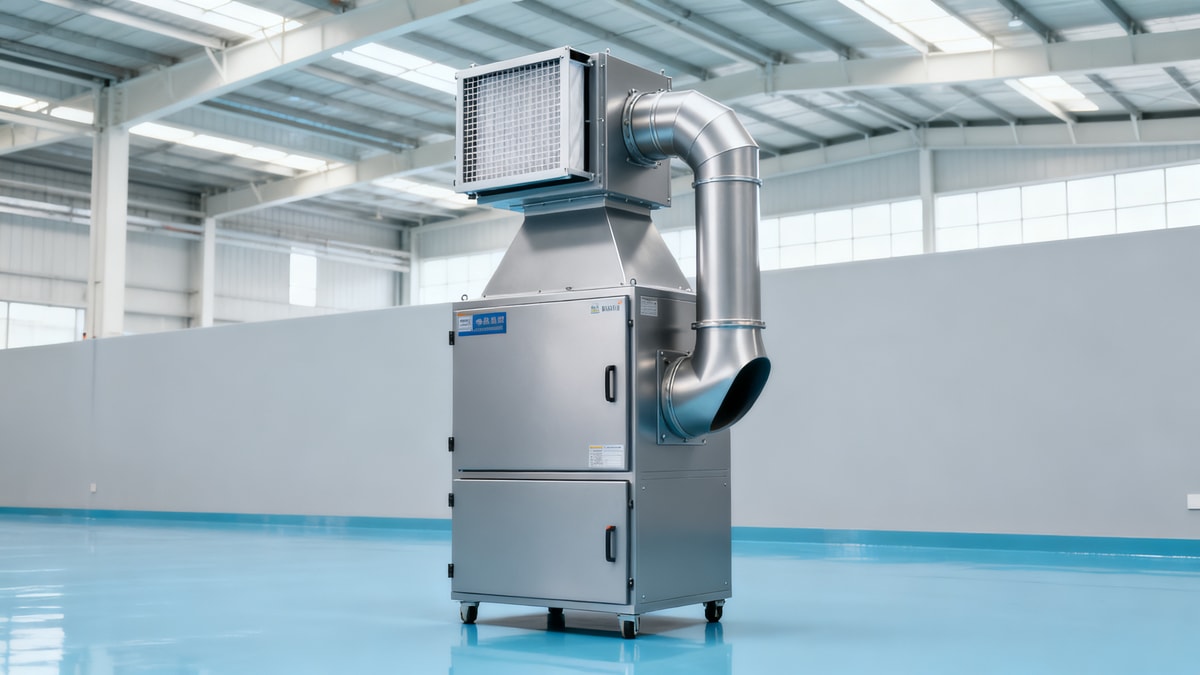
On May 1, 2026, Indonesia’s National Agency of Drug and Food Control (BPOM) issued Regulation No. HK.01.02.2.12344/2026, establishing a ‘Rapid Bioaerosol Filtration Efficacy Testing Channel’ for Chinese-made industrial dust purifiers — reducing official testing time from 30 to 7 working days. This development is particularly relevant for electronics manufacturing, textile production, and food processing facilities in Indonesia, where demand is rising under national occupational health upgrade initiatives.
Event Overview
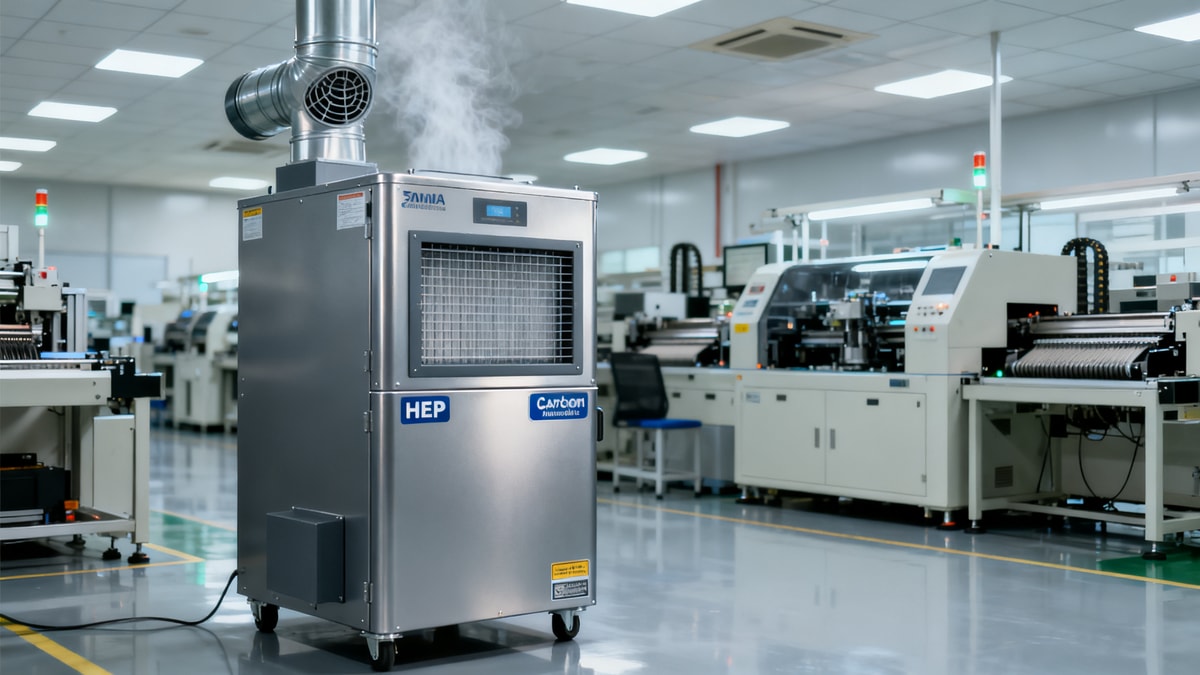
On May 1, 2026, BPOM published Regulation No. HK.01.02.2.12344/2026, officially launching a dedicated fast-track testing pathway for bioaerosol filtration efficiency of industrial dust purification equipment manufactured in China. Under this regulation, the mandatory BPOM evaluation cycle for such devices has been shortened from 30 working days to 7 working days. The channel applies specifically to equipment intended for use in high-cleanliness industrial environments, including but not limited to electronics assembly plants, textile mills, and food processing facilities.
Industries Affected
Export-oriented Equipment Manufacturers (China-based)
These companies supply dust purification systems directly into the Indonesian market. The shortened BPOM review timeline reduces time-to-market for new or updated models, potentially improving responsiveness to tender deadlines tied to Indonesia’s occupational health infrastructure upgrades.
Local Distributors & Aftermarket Service Providers (Indonesia-based)
Distributors handling Chinese dust purifiers face tighter alignment needs between product certification readiness and sales pipeline planning. With faster regulatory clearance, inventory turnover cycles may compress, increasing pressure on stock forecasting and technical documentation localization (e.g., BPOM-compliant labeling, user manuals).
End-User Industrial Facilities (Indonesia-based)
Facilities in electronics, textiles, and food processing sectors benefit from quicker access to certified equipment. However, procurement teams must now verify whether newly submitted units have entered the fast-track channel — as eligibility requires specific design compliance with BPOM’s bioaerosol test protocol, not automatic application for all Chinese-sourced units.
What Stakeholders Should Monitor and Do Now
Track official implementation guidance from BPOM
The regulation number and effective date are confirmed, but BPOM has not yet published detailed technical criteria for eligibility (e.g., required filter class, test aerosol type, minimum airflow specifications). Exporters and distributors should monitor BPOM’s official portal for supplementary notices or annexes.
Confirm device eligibility before submission
Not all Chinese-manufactured dust purifiers qualify. Eligibility depends on pre-submission verification against BPOM’s unpublished bioaerosol test protocol. Companies should engage authorized local testing labs early — even during product development — to avoid rework or rejection after formal filing.
Distinguish policy signal from operational readiness
This is a regulatory process optimization, not a relaxation of safety or performance standards. The 7-day timeline applies only to the bioaerosol filtration efficacy test phase; other BPOM requirements (e.g., electrical safety, material biocompatibility, labeling compliance) remain unchanged and follow standard timelines.
Update internal documentation and communication workflows
Manufacturers and distributors should revise internal SOPs related to Indonesian market submissions — especially documentation handover points between R&D, QA, and regulatory affairs teams — to align with the compressed schedule. Pre-approval technical dossiers should be finalized earlier than previously required.
Editorial Perspective / Industry Observation
Observably, this move signals BPOM’s prioritization of occupational air quality infrastructure modernization — particularly in labor-intensive export sectors where airborne particulate exposure remains a documented concern. Analysis shows it is primarily a procedural acceleration, not a de facto endorsement of broader product categories. From an industry perspective, it reflects growing institutional capacity within BPOM to handle specialized technical evaluations, rather than a shift in regulatory philosophy. Current relevance lies less in immediate volume impact and more in its role as an early indicator: if sustained, it may precede similar fast-track pathways for other environmental control equipment (e.g., HVAC filters, fume extraction systems) in Indonesia.
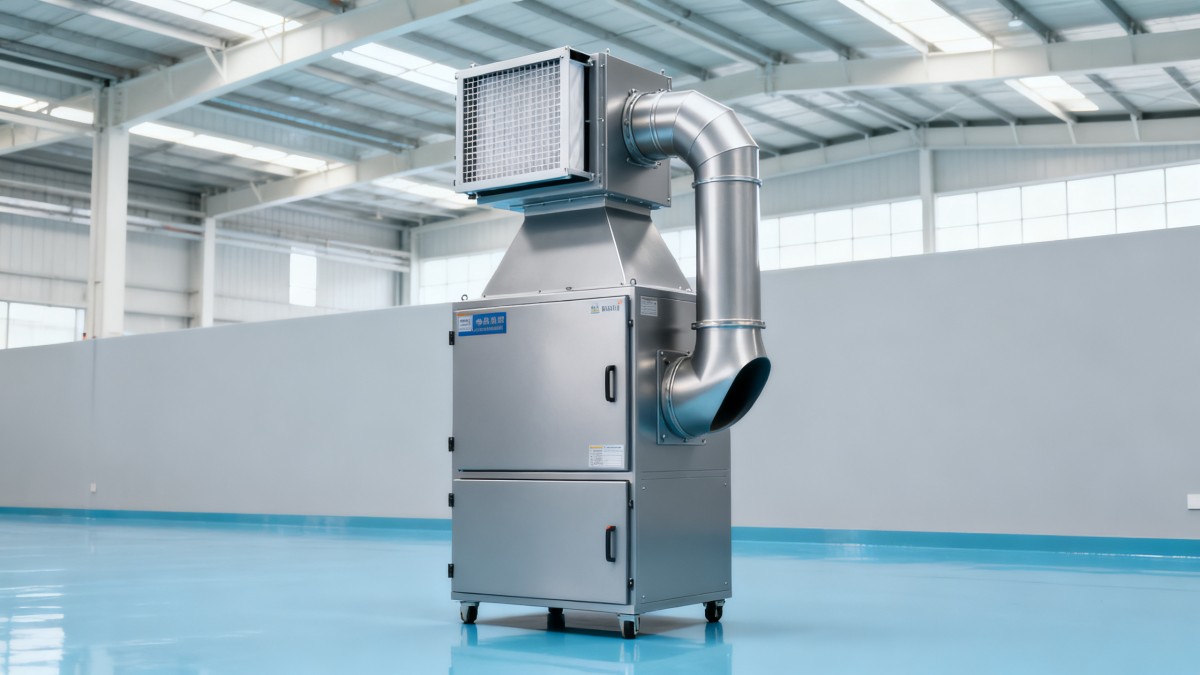
Indonesia’s occupational health upgrade projects remain in early implementation stages. While this regulation improves access for compliant dust purifiers, actual procurement scale will depend on budget allocation, tender timelines, and facility-level adoption capacity — factors outside BPOM’s scope and not addressed in the regulation itself.
Indonesia’s National Agency of Drug and Food Control (BPOM) — Regulation No. HK.01.02.2.12344/2026, effective May 1, 2026.
Current status: Regulation published and effective; technical annexes and lab accreditation details remain pending publication. Ongoing observation recommended.
Technical Specifications
- SASO Mandates Dual Energy Label for Industrial Transformers in Saudi Arabia from May 2026Author :Grid Infrastructure Analyst
- EN 61000-4-30:2026 Enforced: Class A Harmonic Traceability Mandatory for EU PQ AnalyzersAuthor :Precision Metrology Expert
- US DOE Level 3 Transformer Efficiency Standard Effective July 1, 2026Author :Grid Infrastructure Analyst
Expert Insights

Chief Security Architect
Dr. Thorne specializes in the intersection of structural engineering and digital resilience. He has advised three G7 governments on industrial infrastructure security.
Related Analysis
- May 06, 2026SASO Mandates Dual Energy Label for Industrial Transformers in Saudi Arabia from May 2026Author :Grid Infrastructure Analyst
- May 06, 2026EN 61000-4-30:2026 Enforced: Class A Harmonic Traceability Mandatory for EU PQ AnalyzersAuthor :Precision Metrology Expert
- May 06, 2026US DOE Level 3 Transformer Efficiency Standard Effective July 1, 2026Author :Grid Infrastructure Analyst
Core Sector // 01
Security & Safety
- Global Industrial HEPA Filter Lead Times Extend to 24 WeeksAuthor :Environmental Engineering Director

- Indonesia BPOM Accelerates Approval for Chinese Dust PurifiersAuthor :Environmental Engineering Director

- Global Industrial HEPA Filter Media Base Fabric Lead Times Extend to 24 WeeksAuthor :Environmental Engineering Director

- Indonesia BPOM Fast-Tracks Chinese Dust PurifiersAuthor :Environmental Engineering Director

- What drives hidden Environment & Ecology costs in dust controlAuthor :Environmental Engineering Director

- Indonesia BPOM Fast-Tracks Chinese Industrial Air PurifiersAuthor :Environmental Engineering Director

- Global Industrial Air Filter Lead Times Extend to 18–24 WeeksAuthor :Environmental Engineering Director

- Why Environment & Ecology Cost Estimates Miss Ongoing MaintenanceAuthor :Environmental Engineering Director