Global Industrial HEPA Filter Media Base Fabric Lead Times Extend to 24 Weeks
Author
Date Published
Reading Time
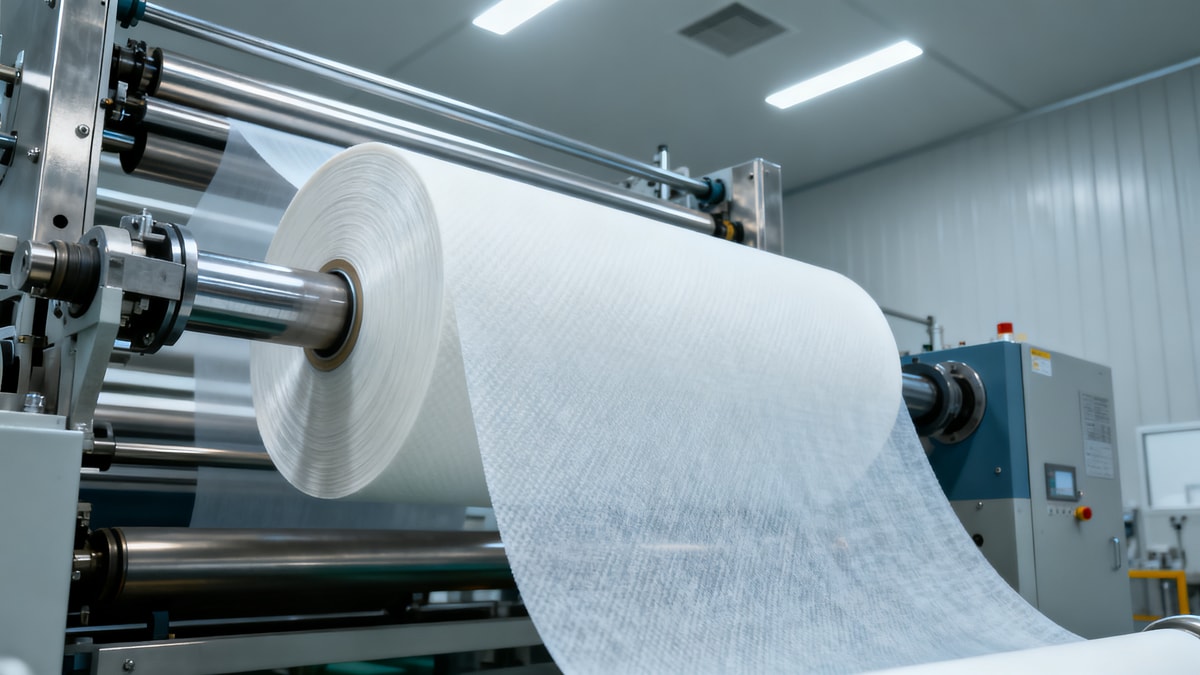
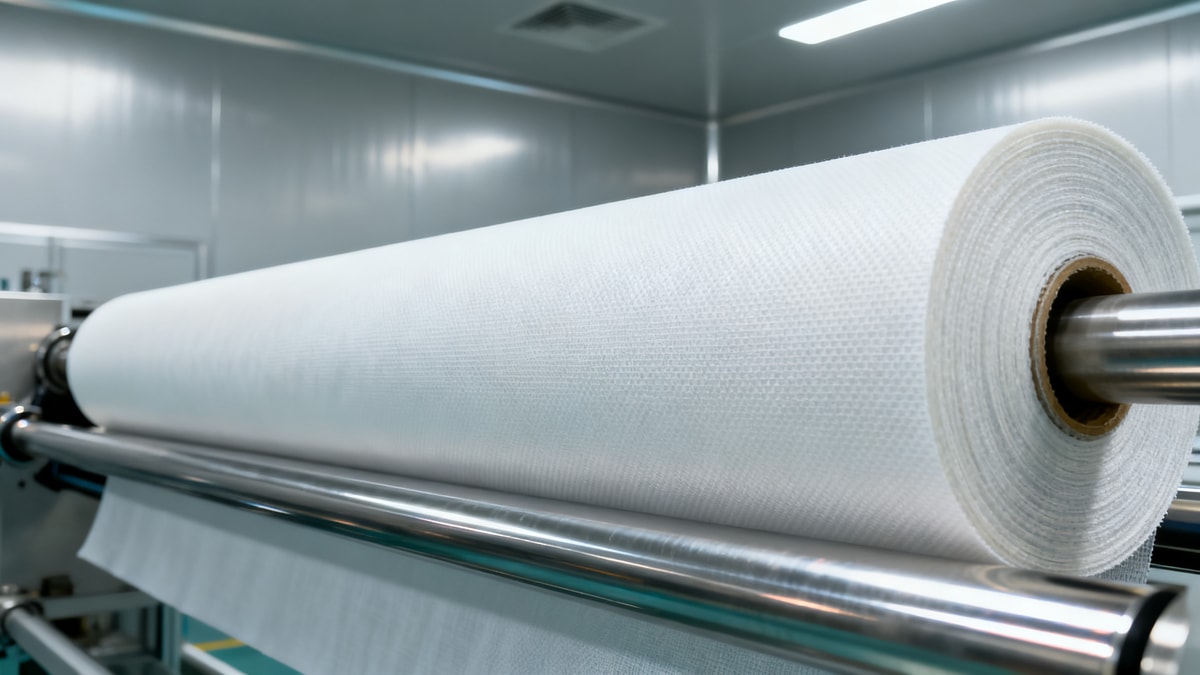
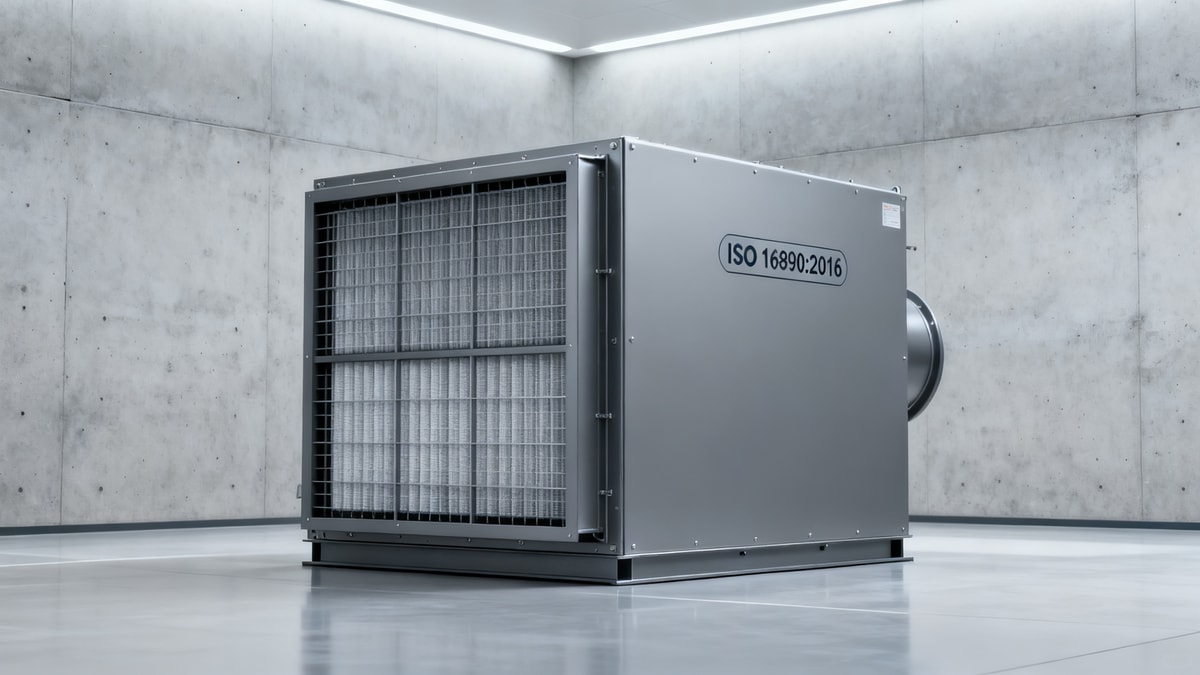
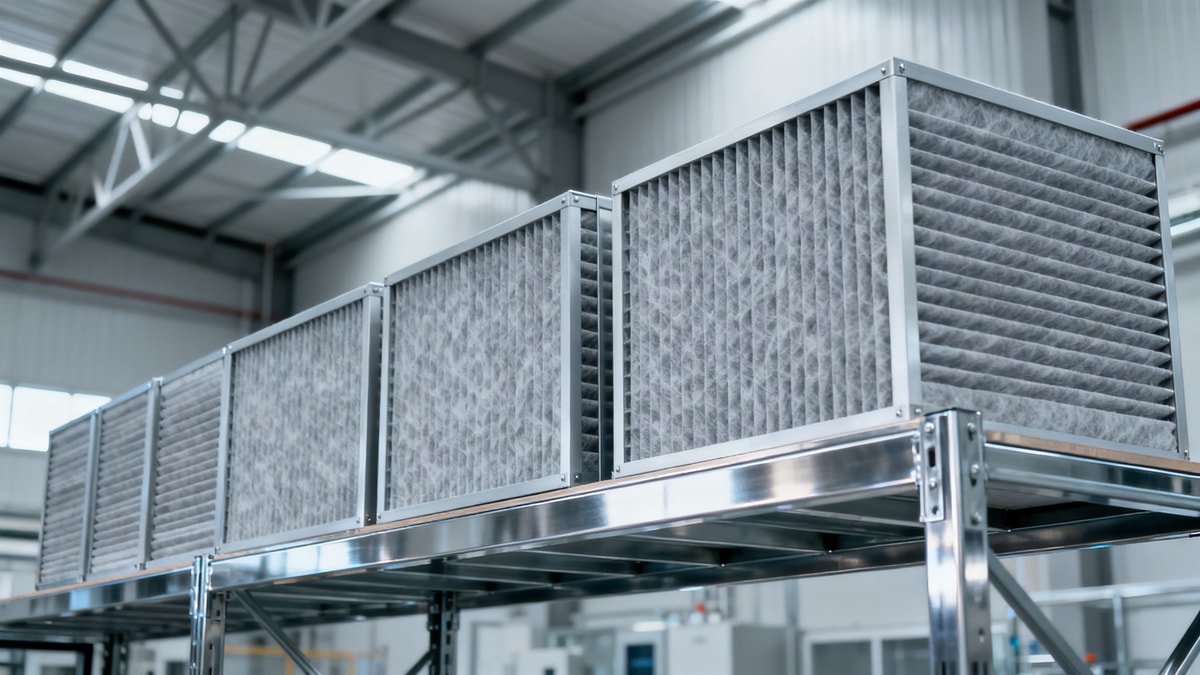
Global lead times for industrial-grade HEPA filter media base fabric — specifically polypropylene meltblown with PTFE lamination — have extended to 22–24 weeks, according to the International Filtration Association (IFA)’s Q2 2026 Global Filter Materials Supply Chain Bulletin, published on May 5, 2026. This development, driven by concurrent military-grade chemical/biological protective equipment orders from the U.S., Japan, and South Korea, is now constraining export delivery capacity for Chinese air filter manufacturers serving the EU, Middle East, and Southeast Asia markets — making it a critical concern for filtration OEMs, procurement teams, and international supply chain planners.
Event Overview
Per the IFA’s May 5, 2026 bulletin, average global lead times for industrial HEPA filter media base fabric (polypropylene meltblown + PTFE laminated substrate) have risen to 22–24 weeks — an increase of four weeks compared to Q1 2026. The bulletin attributes this extension directly to expanded defense-related procurement in the U.S., Japan, and South Korea. No further technical or regional breakdowns (e.g., plant-level allocations or regional prioritization) are disclosed in the publicly available report.
Industries Affected by Segment
Direct Export-Oriented Air Filter Manufacturers (China-based)
These firms rely on imported HEPA base fabric to assemble certified air filtration units for regulated export markets. The extended lead time directly delays production scheduling and contractual delivery windows — especially for EU CE-marked, Gulf GCC-certified, or ASEAN-compliant products where material traceability and pre-approval are mandatory.
Raw Material Procurement Teams (OEMs & Tier-1 Suppliers)
Procurement functions face increased pressure to secure long-lead materials amid tightening allocation. The bottleneck affects not only cost forecasting but also audit readiness: many certification bodies require documented evidence of qualified material sourcing — which becomes harder when lead times exceed standard planning cycles.
Filter Module Assemblers & Contract Manufacturers
For firms operating under consignment or build-to-order models, extended base fabric lead times compress final assembly windows and increase working capital exposure. Delays may trigger penalty clauses in customer contracts — particularly in cleanroom, pharma, or data center infrastructure projects with fixed commissioning dates.
Supply Chain Logistics & Sourcing Service Providers
Third-party logistics and sourcing agents supporting cross-border filter component procurement must now adjust lead-time assumptions in quoting, customs planning, and inventory financing models. The 24-week horizon exceeds typical buffer stock guidelines — prompting re-evaluation of safety stock thresholds and alternative routing strategies.
What Relevant Enterprises or Practitioners Should Focus On Now
Monitor official updates from national filtration associations and defense procurement agencies
While the IFA bulletin cites U.S./Japan/South Korea military demand as the driver, no public tender notices or volume disclosures have been confirmed. Observably, any formal policy shift — such as export controls on dual-use filtration substrates or domestic priority allocation frameworks — would significantly alter near-term availability. Track statements from the U.S. Defense Logistics Agency (DLA), Japan’s Ministry of Defense Acquisition, Technology & Logistics Agency (ATLA), and South Korea’s Defense Acquisition Program Administration (DAPA).
Accelerate qualification of alternative base fabrics for high-priority export markets
The bulletin notes that some customers have already initiated alternative base fabric certification processes. From industry perspective, this suggests regulatory pathways exist — but timelines vary by region. For example, EU EN 1822 recertification may require full filter testing (including sodium chloride and DEHS challenge protocols), while GCC standards may accept partial equivalency documentation. Prioritize validation for top-three revenue-generating SKUs and target markets.
Reassess inventory planning horizons and supplier diversification criteria
Analysis shows that 24-week lead times exceed most ERP system default planning buckets (typically 12–16 weeks). Procurement teams should revise master production schedules and evaluate whether single-source reliance on current base fabric suppliers remains operationally viable. Current more suitable action includes mapping secondary suppliers capable of providing pre-laminated or compatible non-PTFE-reinforced substrates — even if requiring minor design adjustments.
Engage proactively with end customers on delivery expectations and contingency options
Some downstream clients — particularly in HVAC retrofits or facility expansions — may be unaware of upstream material constraints. Transparent communication about revised timelines, plus offering interim solutions (e.g., interim MERV-16 filters pending HEPA availability) can preserve commercial relationships. Document all correspondence as part of compliance records for future audits.
Editorial Perspective / Industry Observation
This lead-time extension is best understood not as a transient supply hiccup, but as an observable signal of structural reallocation within the global high-performance filtration supply chain. Analysis shows that military-grade bioaerosol filtration demands — particularly for mobile CBRN systems — increasingly converge with industrial HEPA performance requirements (e.g., ≥99.97% @ 0.3 µm, low pressure drop, hydrophobic stability). As a result, shared substrate platforms are being prioritized for defense programs, effectively compressing civilian-grade capacity. Observably, this reflects a broader trend: dual-use advanced materials are becoming subject to de facto allocation logic, even absent formal export restrictions. The situation warrants ongoing monitoring — not because it is likely to reverse quickly, but because its duration will influence longer-term decisions around vertical integration, regional sourcing, and material substitution R&D.
In summary, the 22–24 week lead time for industrial HEPA base fabric represents a tangible constraint on global air filtration manufacturing capacity — one rooted in defense-driven demand rather than generalized shortage. It is neither a temporary bottleneck nor a systemic collapse, but a calibrated recalibration of production priorities across key exporting nations. For affected enterprises, the most constructive stance is pragmatic adaptation: validating alternatives, adjusting planning parameters, and maintaining transparent stakeholder alignment — rather than waiting for normalization.
Source: International Filtration Association (IFA), Q2 2026 Global Filter Materials Supply Chain Bulletin, issued May 5, 2026. Note: Regional allocation mechanisms, exact order volumes, and potential mitigation measures from base fabric producers remain unconfirmed and are under observation.
Technical Specifications
- SASO Mandates Dual Energy Label for Industrial Transformers in Saudi Arabia from May 2026Author :Grid Infrastructure Analyst
- EN 61000-4-30:2026 Enforced: Class A Harmonic Traceability Mandatory for EU PQ AnalyzersAuthor :Precision Metrology Expert
- US DOE Level 3 Transformer Efficiency Standard Effective July 1, 2026Author :Grid Infrastructure Analyst
Expert Insights

Chief Security Architect
Dr. Thorne specializes in the intersection of structural engineering and digital resilience. He has advised three G7 governments on industrial infrastructure security.
Related Analysis
- May 06, 2026SASO Mandates Dual Energy Label for Industrial Transformers in Saudi Arabia from May 2026Author :Grid Infrastructure Analyst
- May 06, 2026EN 61000-4-30:2026 Enforced: Class A Harmonic Traceability Mandatory for EU PQ AnalyzersAuthor :Precision Metrology Expert
- May 06, 2026US DOE Level 3 Transformer Efficiency Standard Effective July 1, 2026Author :Grid Infrastructure Analyst
Core Sector // 01
Security & Safety
- Global Industrial HEPA Filter Lead Times Extend to 24 WeeksAuthor :Environmental Engineering Director

- Indonesia BPOM Accelerates Approval for Chinese Dust PurifiersAuthor :Environmental Engineering Director

- Global Industrial HEPA Filter Media Base Fabric Lead Times Extend to 24 WeeksAuthor :Environmental Engineering Director

- Indonesia BPOM Fast-Tracks Chinese Dust PurifiersAuthor :Environmental Engineering Director

- What drives hidden Environment & Ecology costs in dust controlAuthor :Environmental Engineering Director

- Indonesia BPOM Fast-Tracks Chinese Industrial Air PurifiersAuthor :Environmental Engineering Director

- Global Industrial Air Filter Lead Times Extend to 18–24 WeeksAuthor :Environmental Engineering Director

- Why Environment & Ecology Cost Estimates Miss Ongoing MaintenanceAuthor :Environmental Engineering Director