Global Industrial Air Filter Lead Times Extend to 18–24 Weeks
Author
Date Published
Reading Time
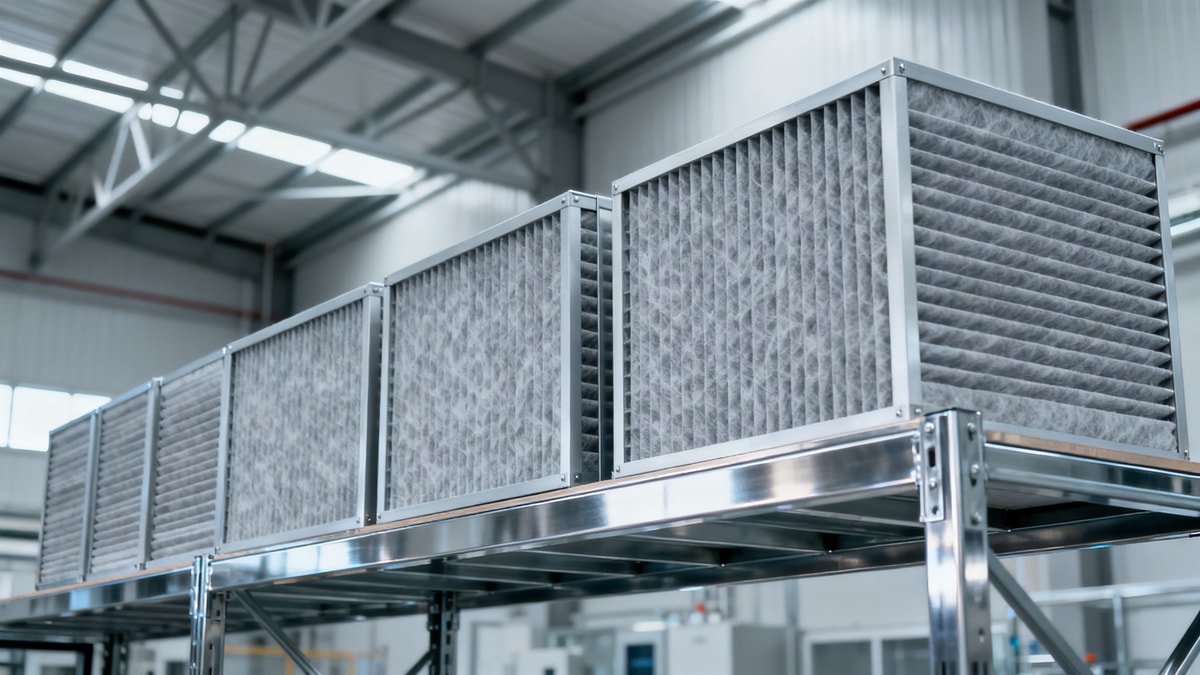
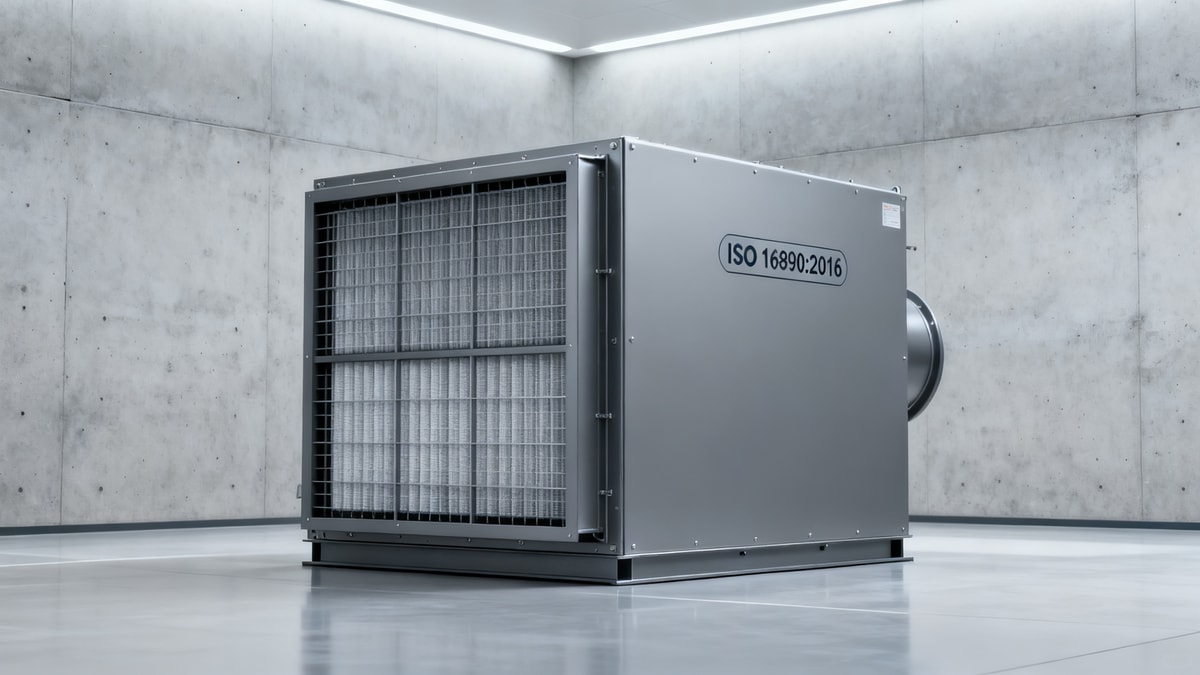
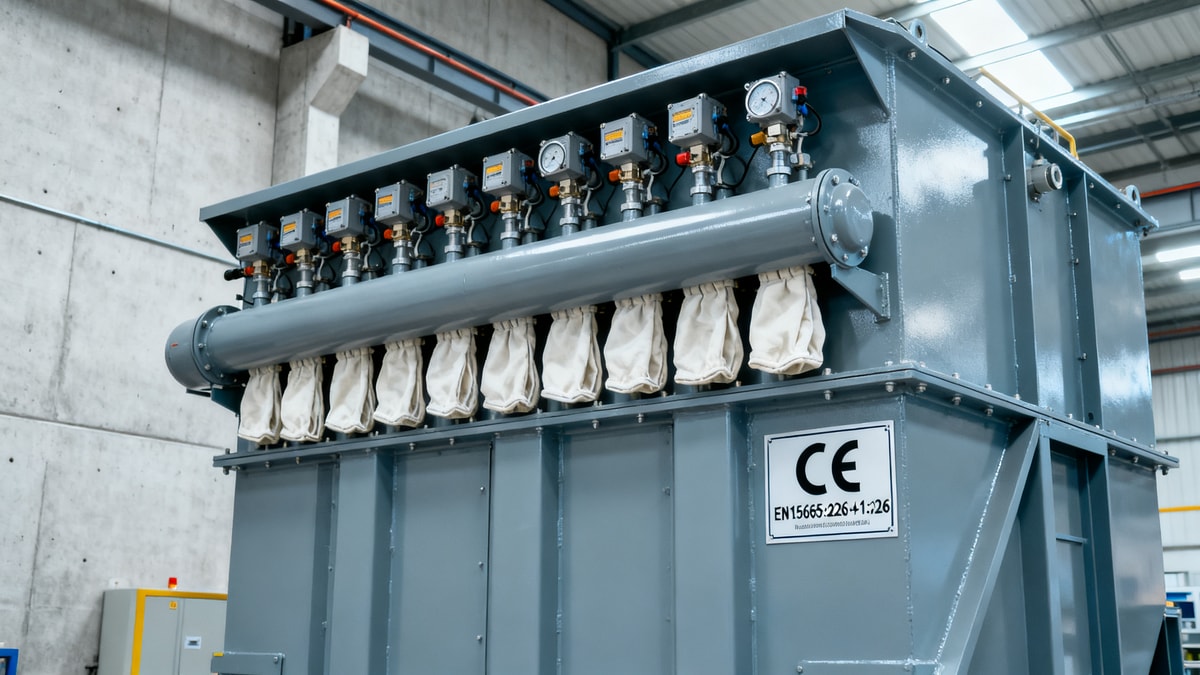
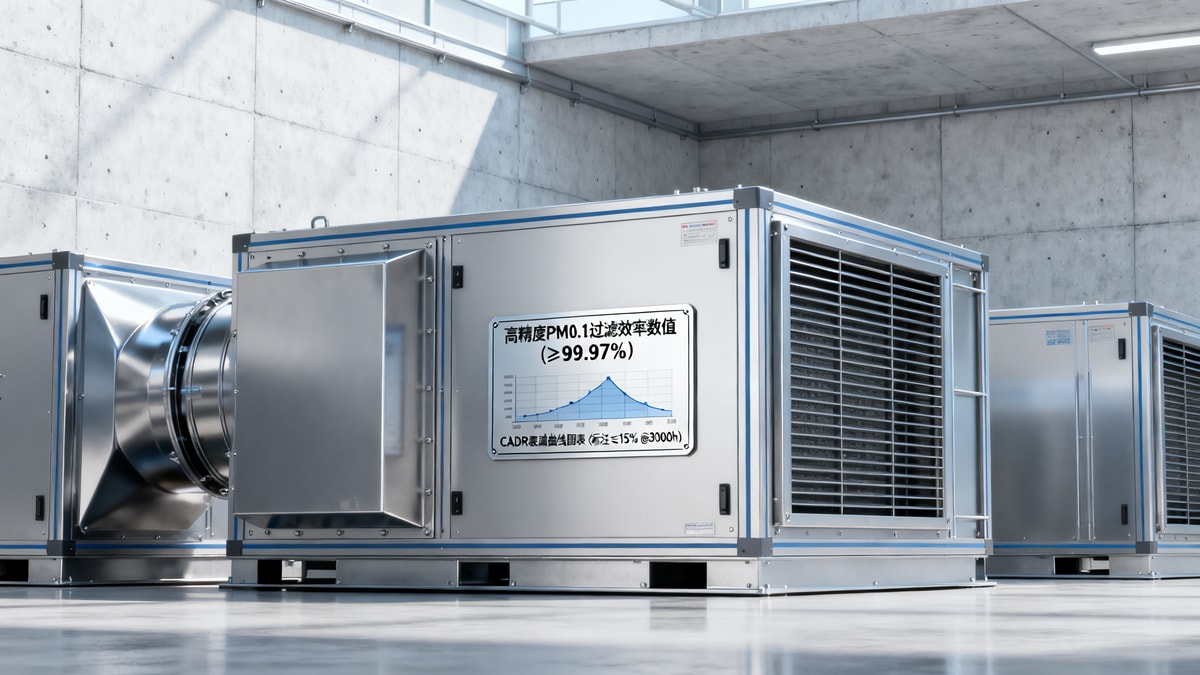
Global industrial-grade air filter lead times have extended to 18–24 weeks, according to ReshoreMonitor’s May 4, 2026 data — a notable shift from the prior 12-week average. This development directly affects manufacturers of air purifiers and dust collection equipment, particularly those reliant on ULPA/HEPA-grade filter cores. Companies in HVAC, cleanroom systems, semiconductor fab support, pharmaceutical manufacturing, and industrial filtration supply chains should monitor this closely — as it signals tightening capacity at a foundational materials level, with implications for project scheduling, customer commitments, and procurement planning.
Event Overview
Per ReshoreMonitor’s report dated May 4, 2026, U.S., Japanese, and South Korean defense authorities have redirected production capacity for polypropylene melt-blown nonwoven base fabric — a critical substrate for HEPA-grade air filters — toward urgent military orders. As a result, global average lead times for industrial-grade air filter cores (including ULPA and HEPA classifications) have increased from 12 weeks to 18–24 weeks. This delay is confirmed across multiple international supply chain nodes and is currently affecting order fulfillment for air purification and dust control equipment.
Impact on Specific Industry Segments
Direct Trading Enterprises
Trading firms that import/export HEPA/ULPA filter cores or complete filtration modules face delayed customs clearance timelines and increased inventory carrying costs. Since many operate on just-in-time terms with end customers, extended lead times compress margin buffers and raise contract performance risk — especially where fixed delivery dates are stipulated.
Raw Material Procurement Teams
Procurement departments sourcing polypropylene melt-blown base fabric or pre-filtered HEPA media must contend with reduced commercial allocation and longer qualification cycles for alternative suppliers. The shift is not temporary spot scarcity but reflects structural reallocation — meaning substitution options may require revalidation under ISO 14644 or EN 1822 standards.
Equipment Manufacturing Firms
Manufacturers of industrial air purifiers, cleanroom fan filter units (FFUs), and dust extraction systems are experiencing cascading delays: longer assembly cycles, revised project milestones for OEM integrations, and potential penalties under SLAs with end clients in pharma or microelectronics sectors.
Supply Chain & Logistics Service Providers
Third-party logistics providers and freight forwarders handling air filtration components report increased demand for expedited documentation support, customs classification verification (e.g., HTS codes for filter media vs. finished units), and buffer warehousing — all adding operational overhead without corresponding rate adjustments.
What Relevant Enterprises Should Monitor and Do Now
Track official policy updates from defense procurement agencies in the U.S., Japan, and South Korea
Analysis shows that current capacity diversion stems from formal defense mobilization directives — not market-driven shortages. Monitoring published contract awards, budget amendments, or export control notices (e.g., U.S. DoD Defense Production Act actions) will help assess duration and scope of the impact.
Validate alternative base fabric sources — with emphasis on certification readiness
Observably, some Tier-2 nonwoven producers outside the three countries are expanding melt-blown lines. However, their media must meet EN 1822:2019 or IEST-RP-CC001.12 filtration efficiency and penetration testing requirements. Prioritize suppliers with existing test reports — not just material specifications.
Distinguish between short-term expediting options and long-term supply resilience
Current air freight surcharges and premium pricing for expedited lots do not resolve underlying material constraints. From industry perspective, these are tactical workarounds — not strategic solutions. Focus instead on dual-sourcing strategies and early-stage engagement with filter media converters who hold certified stock.
Adjust customer communication and project timelines proactively
For firms managing turnkey installations or facility upgrades, delaying notification until shipment is at risk undermines trust. Current more appropriate practice is to revise delivery commitments transparently — citing verified lead time extensions from tier-one filter core suppliers — and co-develop revised milestone plans with clients.
Editorial Perspective / Industry Observation
This development is better understood as a signal of cross-sectoral resource prioritization — not merely a supply chain bottleneck. Analysis shows that defense-driven reallocation of melt-blown capacity reflects broader trends in strategic materials governance, where filtration substrates are increasingly classified alongside battery separators and medical PPE as dual-use critical infrastructure inputs. It is not yet a systemic shortage, but it has crossed into a phase where commercial buyers can no longer assume baseline availability. Continued monitoring is warranted because shifts in defense spending cycles — especially ahead of fiscal year transitions in Q4 2026 — may either extend or ease current constraints.
Conclusion
While not yet a crisis, this extension in industrial air filter lead times reveals how upstream materials policy directly shapes downstream equipment delivery reliability. It underscores that filtration performance is inseparable from substrate sovereignty — and that procurement teams must now treat filter media as a regulated, geopolitically sensitive input. For now, this is best interpreted as an inflection point requiring recalibration of sourcing assumptions — not a transient disruption to be waited out.
Information Source
Main source: ReshoreMonitor, May 4, 2026 report.
Note: Ongoing observation is recommended for updates on U.S. Department of Defense, Japan Ministry of Defense, and South Korea Defense Acquisition Program Administration procurement activity — as these remain key determinants of base fabric allocation duration.
Technical Specifications
- US DOE Level 3 Transformer Efficiency Rule Takes Effect July 1, 2026Author :Grid Infrastructure Analyst
- INMETRO Proposes EMP Immunity Requirement for Industrial Laser Distance Meters in BrazilAuthor :Precision Metrology Expert
- Indonesia BPOM Fast-Tracks Chinese Industrial Air PurifiersAuthor :Environmental Engineering Director
Expert Insights

Chief Security Architect
Dr. Thorne specializes in the intersection of structural engineering and digital resilience. He has advised three G7 governments on industrial infrastructure security.
Related Analysis
- May 05, 2026US DOE Level 3 Transformer Efficiency Rule Takes Effect July 1, 2026Author :Grid Infrastructure Analyst
- May 05, 2026INMETRO Proposes EMP Immunity Requirement for Industrial Laser Distance Meters in BrazilAuthor :Precision Metrology Expert
- May 05, 2026Indonesia BPOM Fast-Tracks Chinese Industrial Air PurifiersAuthor :Environmental Engineering Director
Core Sector // 01
Security & Safety
- Indonesia BPOM Fast-Tracks Chinese Industrial Air PurifiersAuthor :Environmental Engineering Director

- Global Industrial Air Filter Lead Times Extend to 18–24 WeeksAuthor :Environmental Engineering Director

- Why Environment & Ecology Cost Estimates Miss Ongoing MaintenanceAuthor :Environmental Engineering Director

- Indonesia BPOM Launches AI Filter Life Algorithm ReviewAuthor :Environmental Engineering Director

- EU CE Mark Transition Ends for Industrial Dust CollectorsAuthor :Environmental Engineering Director

- Indonesia BPOM Mandates PM0.1 Efficiency & CADR Decay Labeling for Industrial Air PurifiersAuthor :Environmental Engineering Director

- Ambient Air Quality Monitor Placement Can Distort ReadingsAuthor :Environmental Engineering Director

- Wholesale N95 respirators: test reports that deserve a closer lookAuthor :Environmental Engineering Director