Wholesale Electrical Cables: Price vs Quality
Author
Date Published
Reading Time
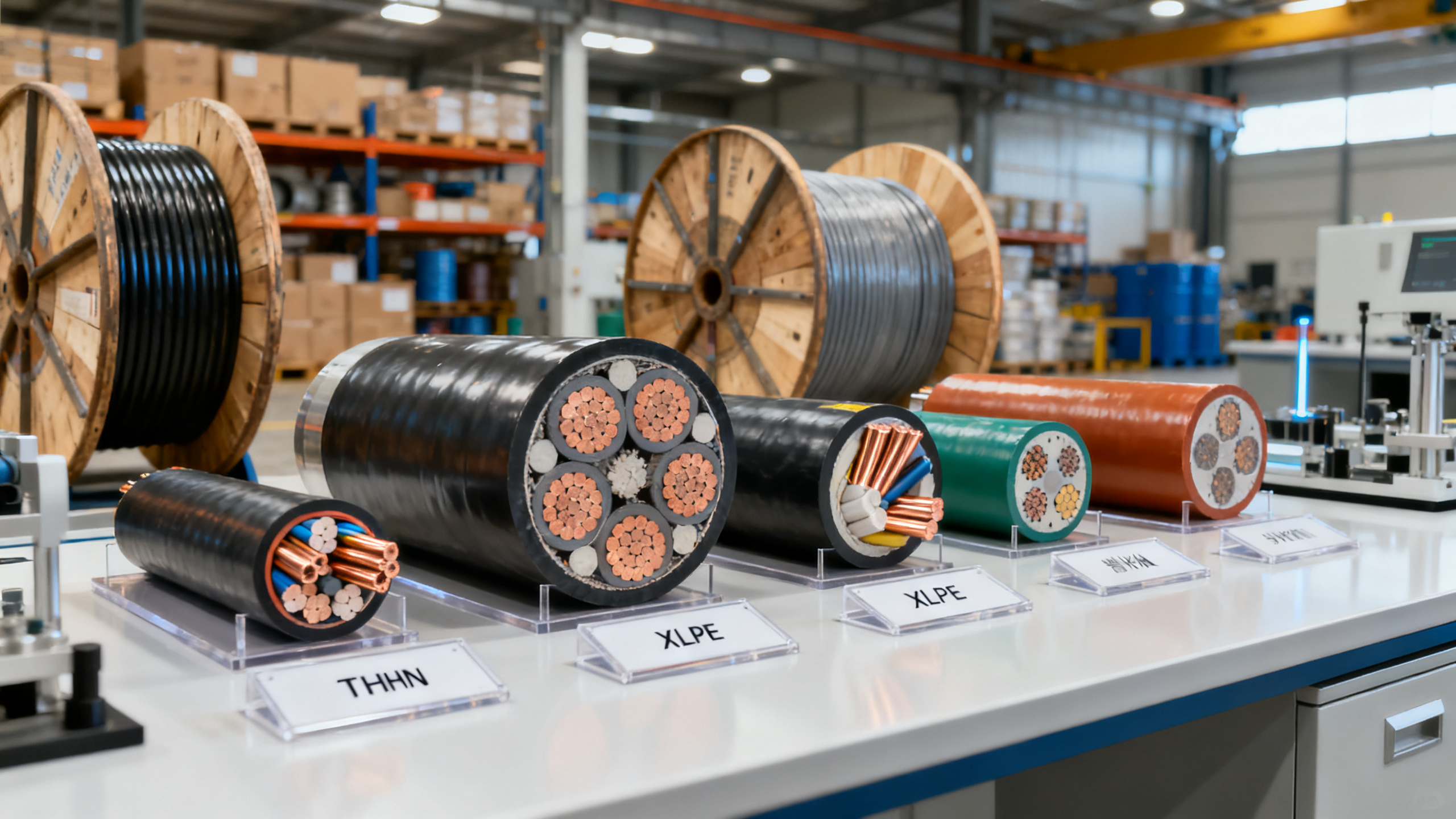
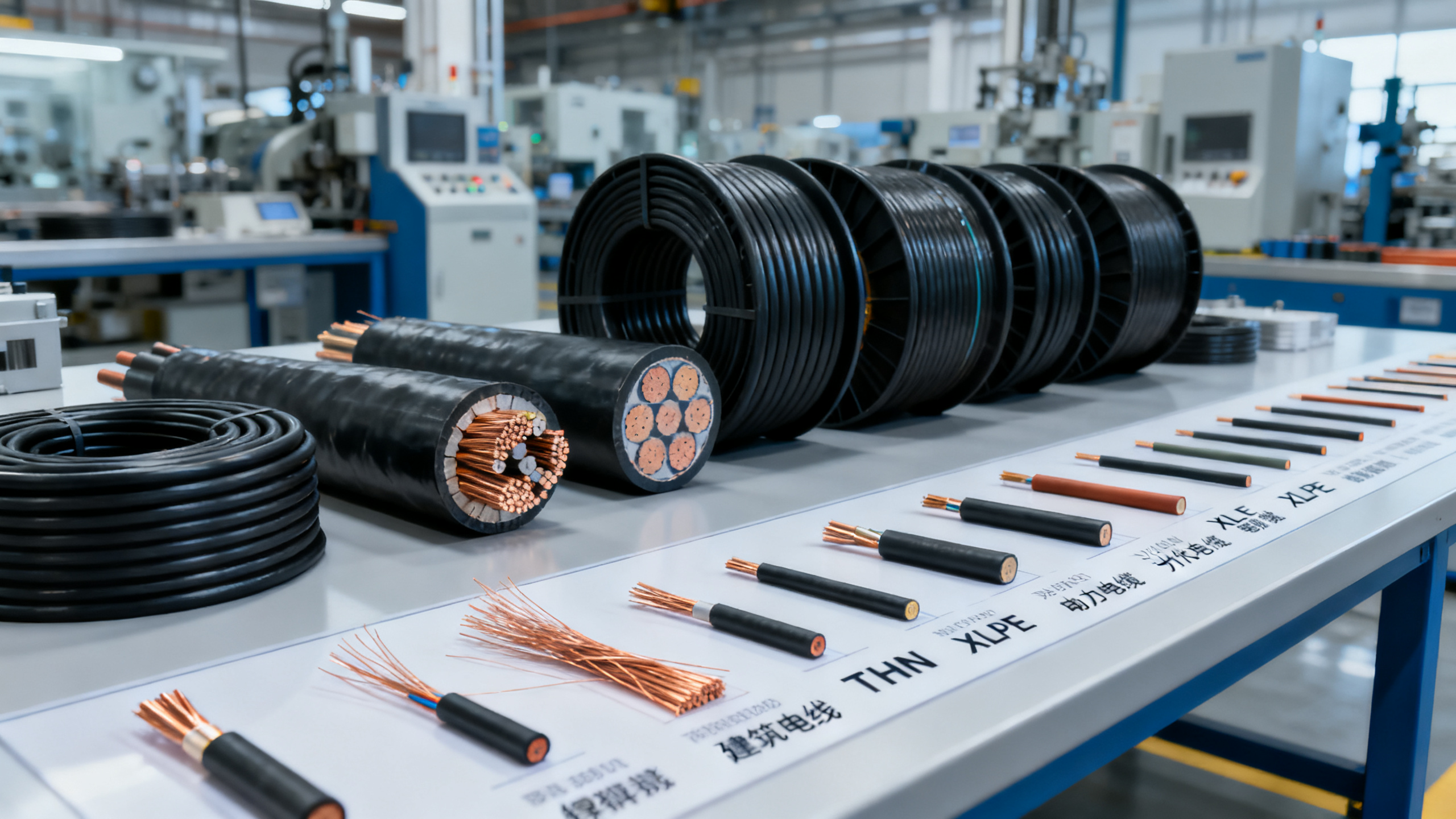
In wholesale electrical cables procurement, the lowest quote rarely guarantees long-term value. From thhn building wire and xlpe power cables to solar pv cables and armored cables wholesale, buyers must balance price, compliance, durability, and application fit. This guide helps procurement teams, operators, and decision-makers compare cost versus quality with greater confidence.
In industrial, commercial, and infrastructure projects, cable decisions affect not only material budgets but also installation speed, inspection outcomes, maintenance frequency, and operational safety. A 5% saving on unit price can disappear quickly if the selected cable fails temperature, voltage, or mechanical performance requirements in the field.
For EPC contractors, plant managers, procurement leaders, and technical evaluators, the real question is not simply “Which cable is cheaper?” It is “Which cable delivers the best lifecycle value for the duty, environment, certification requirement, and delivery schedule?” That is where disciplined comparison becomes essential.
Why Price Alone Can Mislead in Wholesale Electrical Cables
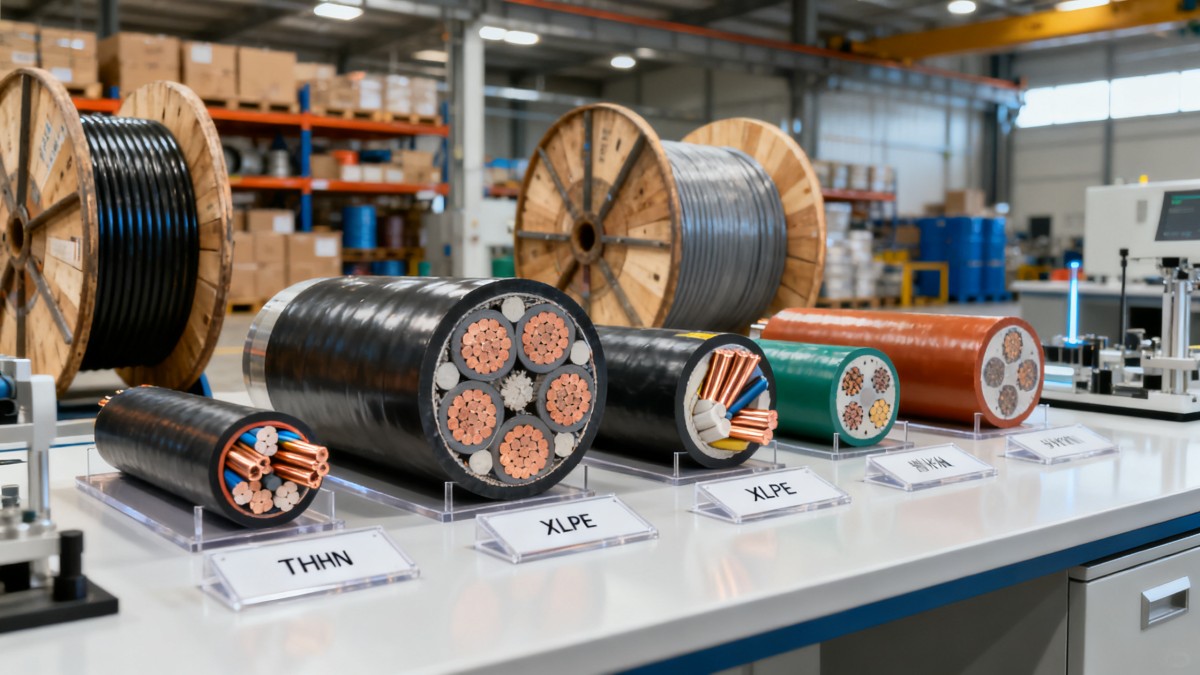
A wholesale electrical cables quote typically reflects visible costs such as copper or aluminum content, insulation compound, conductor class, drum length, and order volume. However, hidden variables often create the largest commercial risk: inconsistent conductor cross-section, weaker insulation thickness tolerance, limited traceability, or packaging that increases damage during transit.
In practical terms, two cables with the same nominal size can perform differently if one has tighter manufacturing control and better material purity. For example, a power cable rated for 0.6/1kV may meet the nameplate requirement in basic testing, yet behave very differently after 12–24 months in humid, abrasive, or high-load operating conditions.
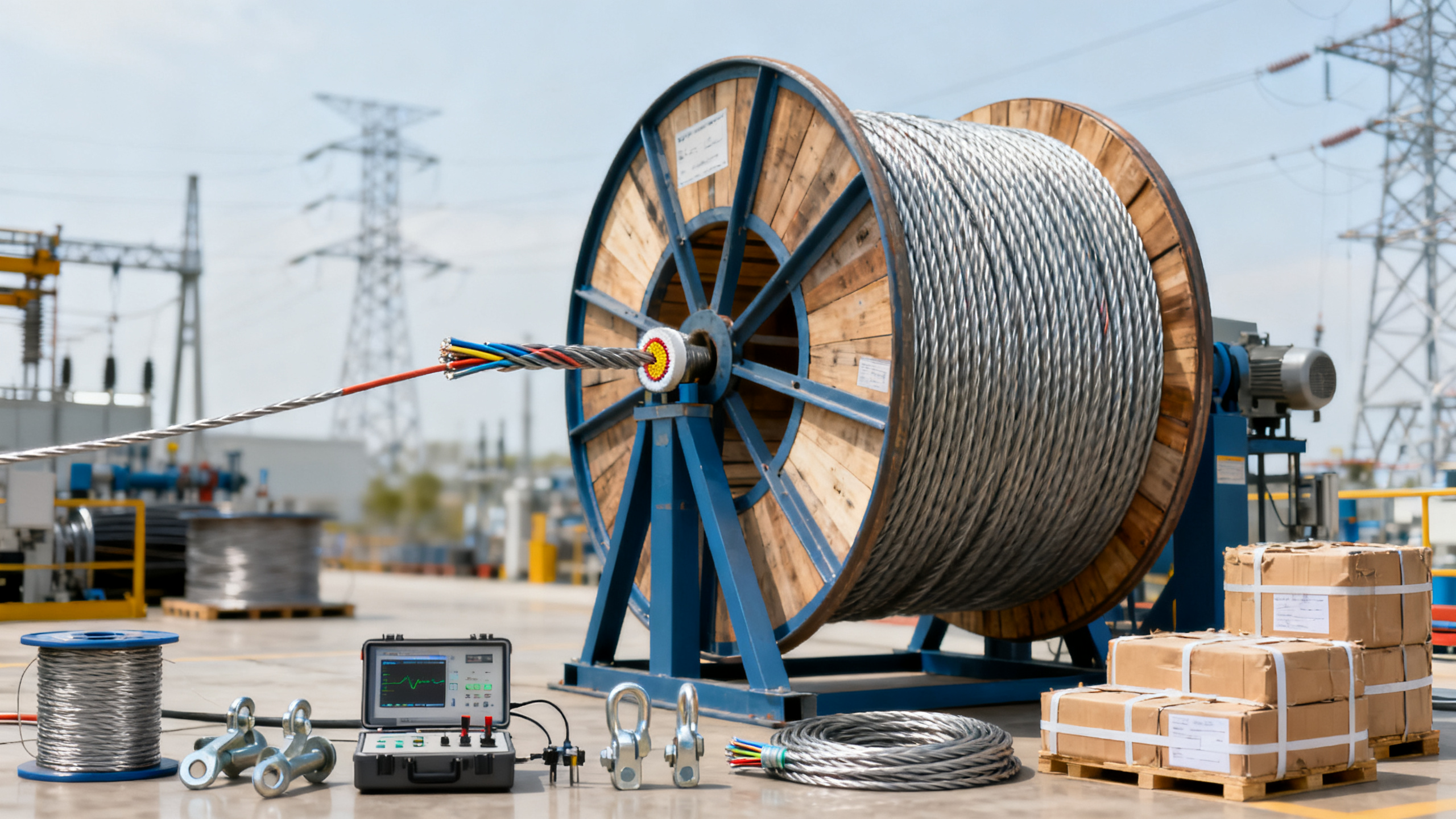
Buyers also need to consider installation economics. A lower-priced armored cable wholesale option may be heavier, stiffer, and harder to bend, increasing labor hours during tray routing or underground entry. On a medium-scale project with 3 km to 8 km of cable runs, even a small increase in pulling time can materially affect contractor productivity.
The difference between purchase price and project cost
Project cost includes at least 4 layers: acquisition price, installation labor, compliance and testing, and maintenance or replacement risk. Procurement teams that evaluate only unit price per meter may miss the true cost driver, especially on facilities expected to operate 10–25 years with high uptime requirements.
- Acquisition cost: conductor metal, insulation type, sheath, armoring, packing, and logistics.
- Installation cost: cable weight, bending radius, pulling tension, jointing complexity, and site labor hours.
- Compliance cost: failed inspections, delayed approvals, retesting, and document correction.
- Operational cost: overheating, insulation cracking, moisture ingress, and unplanned replacement.
The table below shows how low initial pricing can shift cost pressure into later project stages.
The key takeaway is straightforward: in wholesale electrical cables sourcing, the cheapest line item can become the most expensive decision once downtime, labor, and compliance exposure are included.
How to Judge Cable Quality Across Major Product Types
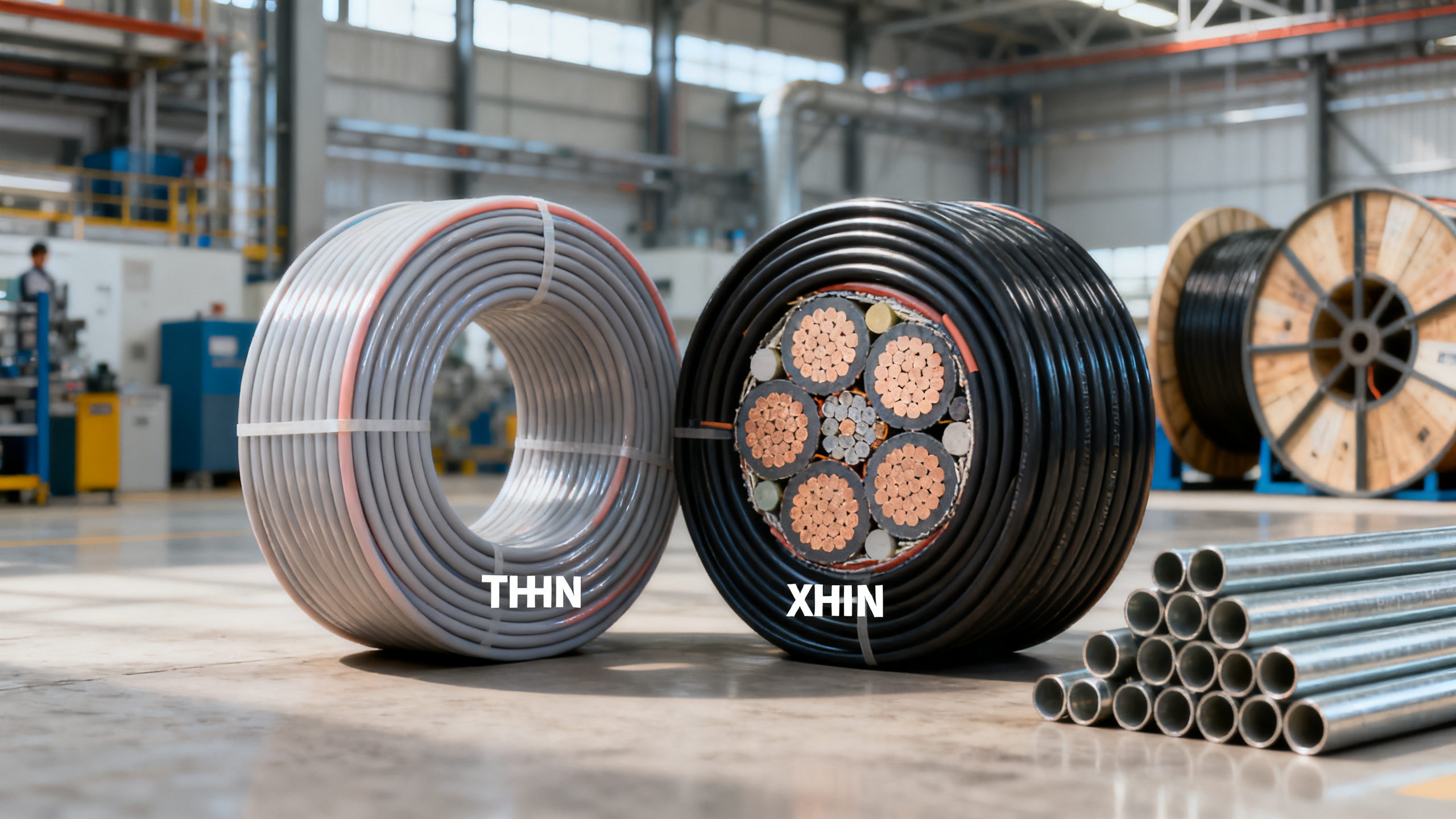
Quality assessment should always start with application fit. THHN building wire, XLPE power cables, solar PV cables, and armored cable products are not interchangeable merely because they share similar conductor sizes. Each category is designed for a specific combination of voltage class, thermal rating, environmental exposure, and installation method.
THHN building wire is commonly selected for internal building systems, conduit runs, and panel connections where dry or certain wet-rated conditions apply. By contrast, XLPE power cables are often preferred in industrial distribution because cross-linked polyethylene insulation can support stronger thermal performance, commonly around 90°C conductor operating temperature depending on design and standard.
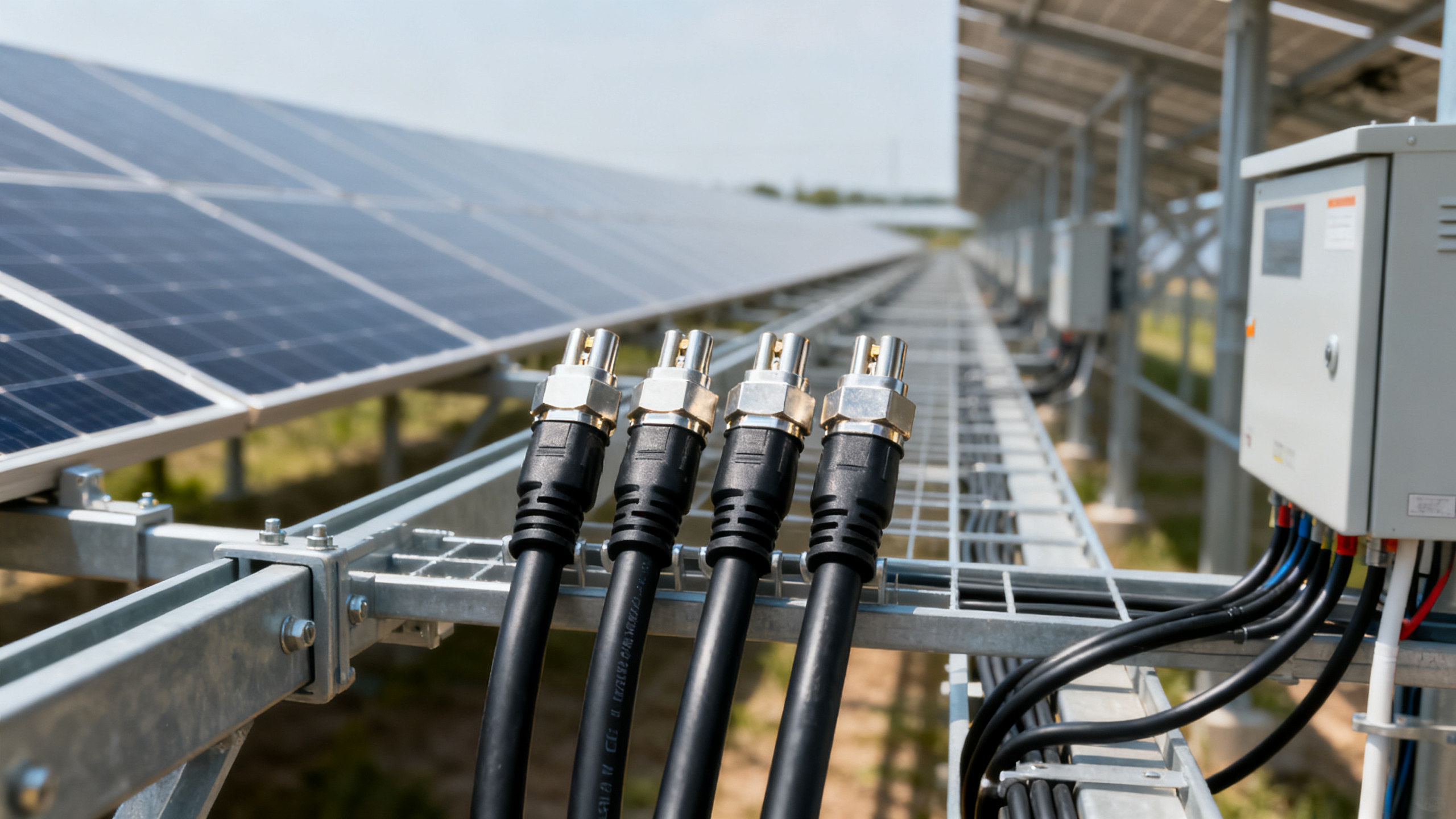
Solar PV cable selection places more emphasis on UV resistance, weather durability, and long service life in outdoor conditions. For utility-scale or rooftop arrays expected to operate 20–25 years, sheath integrity and resistance to temperature cycling are often more important than marginal savings per meter.
Core technical checks buyers should request
Before awarding a wholesale electrical cables order, technical and procurement teams should align on a short but disciplined quality checklist.
- Verify conductor material, nominal cross-sectional area, and conductor class.
- Check insulation and sheath material against operating temperature and environmental exposure.
- Confirm voltage rating, such as 450/750V or 0.6/1kV, matches the system design.
- Review test documentation, marking clarity, and traceability by batch or drum.
- Assess mechanical suitability, including bending radius and armoring where impact risk exists.
The comparison below helps distinguish what “quality” means in different cable categories.
The practical implication is that “better quality” is not a generic label. It means the cable is correctly engineered for its duty cycle, route condition, and compliance environment. A premium solar cable adds little value indoors, while basic building wire may be the wrong choice for UV-heavy outdoor installations.
Operational signs of under-specified cable
Operators and maintenance teams should watch for recurring sheath cracking, abnormal heat at terminations, insulation discoloration, or repeated faults during wet seasons. These are often early indicators that the original cable selection optimized for price more than service conditions.
Standards, Compliance, and Documentation That Protect Buyers
In B2B cable procurement, quality is inseparable from compliance. International buyers frequently need alignment with CE-related market access expectations, UL-recognized product pathways where relevant, and broader ISO-based manufacturing discipline. Even when exact certification needs vary by region, documentation quality directly affects project approval and supplier credibility.
A sound supplier package should include product data sheets, routine or type test information where applicable, conductor and insulation specifications, drum identification details, and shipment traceability. For larger tenders above 50 km total volume or multi-site supply programs, document control often becomes as important as the cable itself.
Procurement teams should also distinguish between a stated standard and verifiable conformity. A quotation that simply references a known standard without supporting reports may not be enough for regulated, high-risk, or export-controlled projects. Technical review should happen before PO release, not after the goods arrive onsite.
Minimum document set for supplier evaluation
- Product specification sheet with conductor size, insulation type, voltage rating, and temperature rating.
- Manufacturing identification showing batch, drum number, or lot traceability.
- Test records covering key electrical and dimensional checks.
- Packing list and marking format for receiving and inventory teams.
- Declaration or evidence of relevant compliance pathway for the target market.
The table below outlines a practical compliance screening model for industrial cable buyers.
For decision-makers, robust documentation reduces negotiation friction, speeds internal approvals, and lowers downstream disputes. For operators, it simplifies identification and replacement planning years after installation.
A Practical Procurement Framework for Balancing Cost and Quality
The most effective wholesale electrical cables procurement process uses a weighted evaluation model instead of a single-price ranking. In many industrial tenders, buyers use 4 to 6 scoring dimensions, with technical conformity and supply reliability often carrying as much weight as unit cost.
This approach is particularly useful when sourcing mixed categories such as THHN wire for buildings, XLPE feeders for power distribution, and armored cables for exposed or buried routes. A supplier that is competitive on one category may not be equally strong across all 3, especially when delivery windows are tight at 2–6 weeks.
Suggested 5-step evaluation process
- Define service conditions: voltage, ambient temperature, route type, moisture, UV, chemical exposure, and load profile.
- Set non-negotiable requirements: applicable standards, documentation, conductor material, and installation constraints.
- Compare quotations on total cost basis: price per meter, drum length, freight, packaging, and wastage allowance.
- Validate supplier execution capability: lead time, production consistency, technical support response, and traceability.
- Approve through sample or document review before mass shipment, especially for orders above one container or multi-batch supply.
A structured scorecard helps cross-functional teams align quickly.
This framework does not eliminate price pressure. Instead, it makes pricing more meaningful by connecting every quote to installation realities and operating risk. That is especially important in sectors where shutdowns can cost far more than the cable order itself.
Common procurement mistakes to avoid
Frequent errors include comparing unlike cable constructions, ignoring route conditions, approving substitutions without technical review, and underestimating delivery constraints on custom drum lengths. Even a 7-day delay can affect energization schedules, subcontractor mobilization, and milestone billing.
Application-Based Buying Tips for Research Teams, Operators, and Executives
Different stakeholders evaluate wholesale electrical cables from different angles. Information researchers often focus on specifications, standards, and supplier credibility. Operators prioritize safety, flexibility, and field performance. Procurement teams look at cost control and delivery reliability, while executives care about lifecycle value and project continuity.
For building projects, THHN building wire can be cost-efficient when routed in compliant conduit systems and used in stable indoor environments. For industrial feeders or infrastructure power circuits, XLPE power cables may justify a higher upfront cost if the system experiences higher thermal loads, continuous duty, or more demanding ambient conditions.
For outdoor renewable energy, solar PV cables should be chosen with attention to UV exposure, temperature cycling, and expected service life. In mines, ports, process plants, and buried routes, armored cables wholesale options may reduce mechanical damage risk and lower failure probability where impact, compression, or rodent exposure is more likely.
Quick buying guidance by use case
- Choose THHN building wire when the installation is primarily inside buildings, conduit-protected, and focused on efficient panel and branch circuit distribution.
- Choose XLPE power cables when thermal performance, dielectric reliability, and medium- to long-term industrial durability are key decision drivers.
- Choose solar PV cables when the route is exposed to sun, weather, and long outdoor operating cycles of 20 years or more.
- Choose armored cable when physical protection is necessary for underground, exposed, or heavy-duty industrial environments.
Questions every buyer should ask before ordering
Ask whether the cable route is indoor or outdoor, fixed or moving, dry or wet, protected or impact-prone. Confirm whether the project needs fast delivery in 1–3 weeks or can accommodate longer custom production. Clarify whether inspection teams require specific marking formats or test files before site acceptance.
For organizations managing regional or global sourcing, it is also wise to standardize 3 to 5 approved cable configurations rather than rebidding every item from scratch. This can simplify spares planning, reduce specification errors, and improve negotiation leverage with qualified suppliers.
FAQ: Common Questions About Price vs Quality in Cable Wholesale
Is the lowest-priced cable always a bad choice?
Not necessarily. A lower-priced cable can be a sound choice when it fully matches the application, documentation is complete, and supplier consistency is proven. The problem arises when low price results from reduced material quality, weaker process control, or a mismatch between cable design and service environment.
How much more should buyers pay for better quality?
There is no universal premium, but many buyers find that paying modestly more upfront can reduce replacement, fault investigation, and labor costs over a 5–15 year operating period. The right comparison is total installed and lifecycle cost, not only price per meter.
What matters most for fast-moving industrial projects?
For urgent projects, the top priorities are usually confirmed technical fit, reliable lead time, correct drum packing, and complete documentation. A competitively priced cable that arrives late or fails inspection may cost more than a higher-priced option delivered correctly the first time.
How can operators identify quality issues after installation?
Look for overheating, sheath damage, cracking, unusual insulation odor, or repeated trip events in the same route. These signs do not always mean the cable itself is defective, but they should trigger a review of selection, loading, termination quality, and environmental exposure.
Wholesale electrical cables purchasing works best when price is treated as one decision factor within a broader technical and operational framework. The most resilient buying strategy combines application fit, verifiable compliance, installation practicality, and supplier reliability into one disciplined sourcing process.
For teams evaluating THHN building wire, XLPE power cables, solar PV cables, or armored cables wholesale supply, the smartest choice is usually the option that protects uptime, inspection success, and lifecycle cost rather than simply reducing the first invoice. That is where informed comparison creates measurable value.
If you need support comparing cable options, refining specifications, or building a more reliable industrial sourcing strategy, contact Global Industrial Core to get a tailored solution, review product details, and explore broader electrical and power infrastructure procurement guidance.
Expert Insights

Chief Security Architect
Dr. Thorne specializes in the intersection of structural engineering and digital resilience. He has advised three G7 governments on industrial infrastructure security.
Related Analysis
Core Sector // 01
Security & Safety
- How to Choose Welding Cables WholesaleAuthor :Grid Infrastructure Analyst

- THHN Building Wire vs XHHW: What ChangesAuthor :Grid Infrastructure Analyst

- Are Solar PV Cables Worth the Higher CostAuthor :Grid Infrastructure Analyst

- How to Vet an OPGW Cable ManufacturerAuthor :Grid Infrastructure Analyst

- When Does ADSS Fiber Cable Make More SenseAuthor :Grid Infrastructure Analyst

- What to Check Before Buying Fiber Optic Cables WholesaleAuthor :Grid Infrastructure Analyst

- Where Unshielded Control Cables Work BestAuthor :Grid Infrastructure Analyst

- Armored Cables Wholesale: Common Buying MistakesAuthor :Grid Infrastructure Analyst