Armored Cables Wholesale: Common Buying Mistakes
Author
Date Published
Reading Time
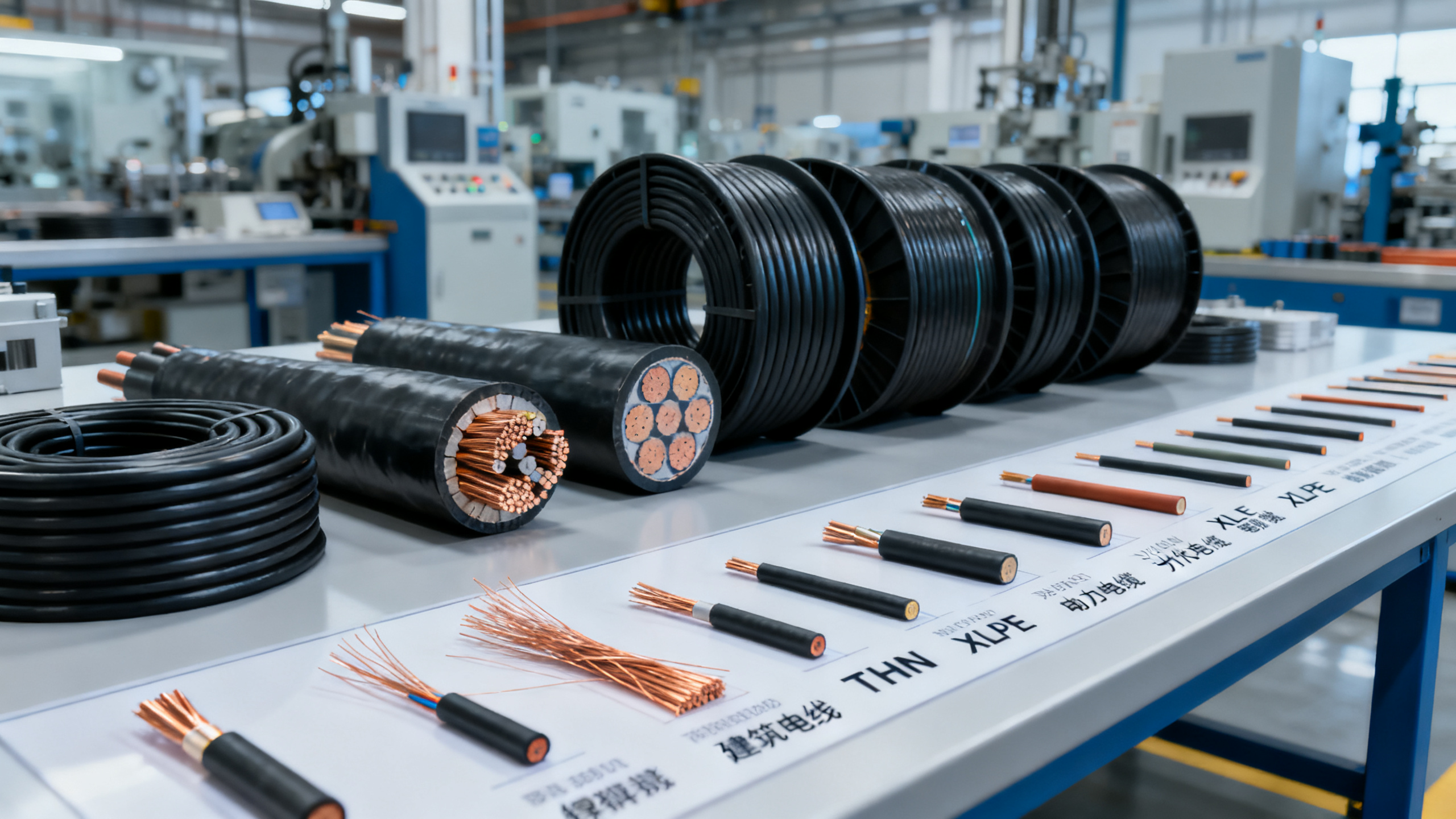
Buying armored cables wholesale can seem straightforward, but costly mistakes often hide in specifications, compliance checks, and supplier evaluation. From XLPE SWA PVC cable to XLPE power cables and wholesale electrical cables, one wrong decision can affect safety, durability, and project budgets. This guide highlights the most common buying errors and helps procurement teams, engineers, and industrial buyers make smarter, lower-risk sourcing decisions.
In practice, the biggest wholesale buying mistakes are rarely about price alone. They usually come from mismatched cable selection, incomplete technical review, weak compliance verification, and choosing suppliers that cannot consistently deliver quality. For buyers in industrial, infrastructure, utility, and EPC environments, avoiding these errors can reduce rework, shutdown risk, and long-term ownership cost.
Why armored cable wholesale purchases go wrong so often
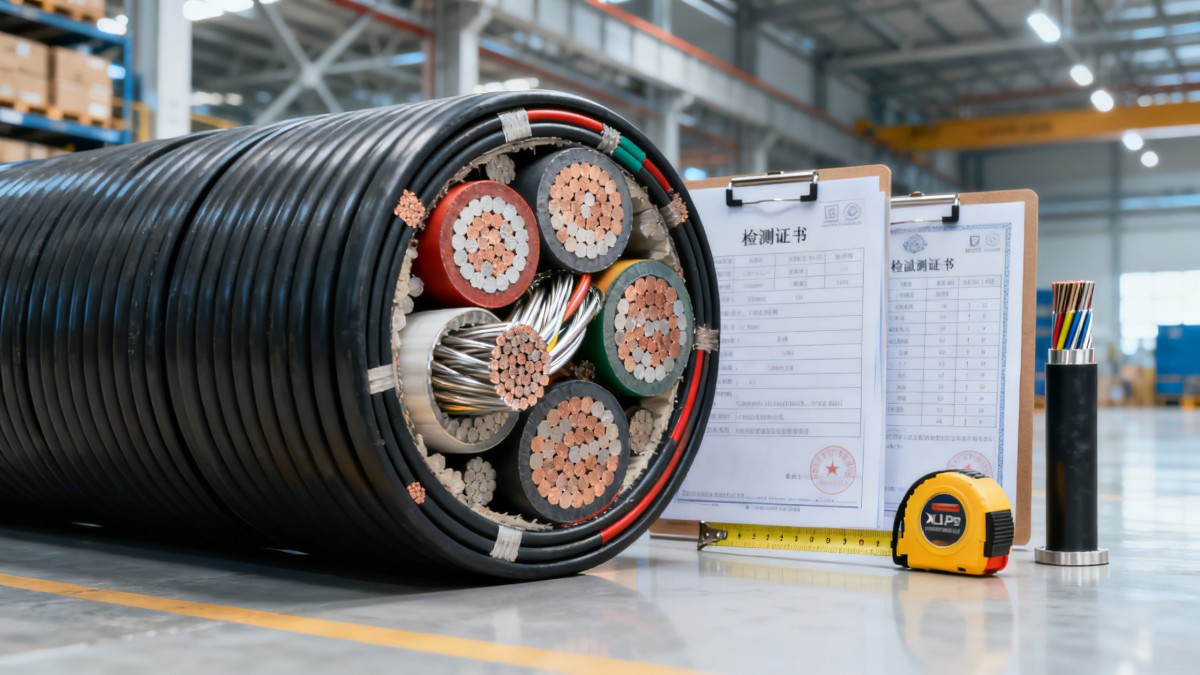
Armored cable buying sits at the intersection of engineering, safety, installation conditions, and commercial pressure. A cable may look acceptable on a quote sheet, yet still fail the project if the armor type, conductor class, insulation, voltage rating, or certification does not match the application.
This is especially true in bulk procurement, where decisions are often made across multiple teams. Procurement may focus on cost and lead time, while engineers care about performance, installers care about handling and bend radius, and management cares about lifecycle risk. If these priorities are not aligned, the result is often an order that appears competitive upfront but creates hidden cost later.
For buyers sourcing XLPE SWA PVC cable, XLPE power cables, or other wholesale electrical cables, the safest approach is to evaluate the product against actual operating conditions rather than generic catalog descriptions.
Common mistake #1: Buying by product name instead of application requirements
One of the most common sourcing mistakes is assuming that a familiar product label automatically means suitability. For example, not every armored cable is appropriate for every site condition, load profile, or installation environment.
Buyers should first define:
- Voltage rating
- Current-carrying requirement
- Installation method: buried, tray, duct, direct-fixed, or underground
- Mechanical protection needs
- Exposure to moisture, chemicals, UV, oil, or heat
- Indoor vs. outdoor service conditions
- Local code and project specification requirements
An XLPE insulated armored cable may be strong in thermal and electrical performance, but the wrong sheath material or armor construction can still make it unsuitable. In other words, buyers should source to application conditions, not just to a popular cable name.
Common mistake #2: Confusing armor type, insulation type, and sheath type
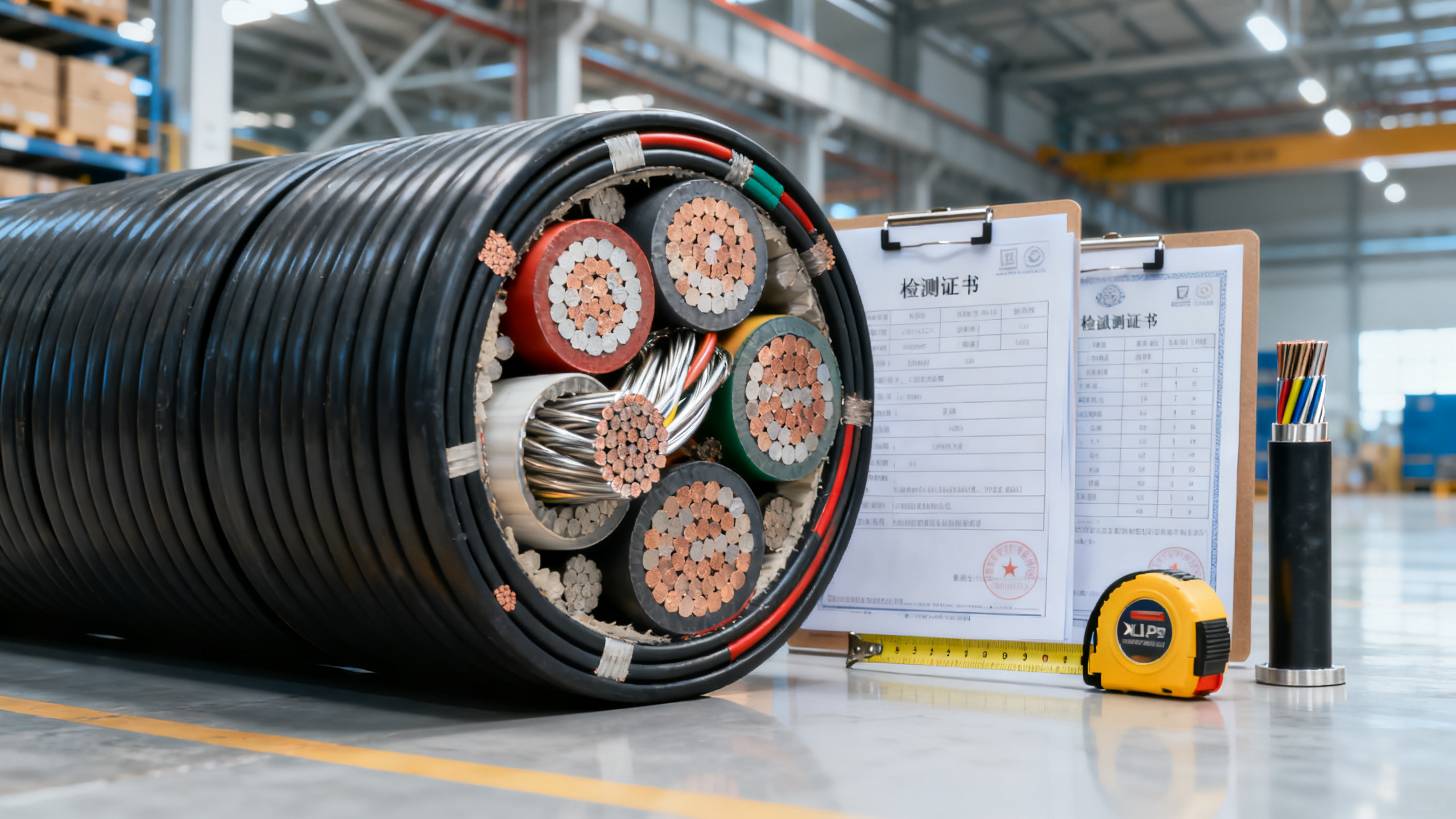
Many wholesale buyers use cable terminology too broadly. This creates risk when comparing suppliers or approving substitutions. Terms like XLPE, SWA, PVC, and armored do not mean the same thing:
- XLPE refers to insulation material, valued for thermal performance and electrical reliability.
- SWA refers to steel wire armor, used for mechanical protection.
- PVC typically refers to sheath or insulation material, depending on construction.
- Armored cable is a broad category that can include different armor designs and build standards.
When requesting wholesale electrical cables, buyers should review the full cable construction rather than relying on shorthand. A quote for “XLPE armored cable” may still leave room for variation in conductor material, armor structure, sheath grade, flame performance, and standards compliance.
A better procurement habit is to issue a detailed technical requirement sheet and require the supplier to confirm every layer of construction in writing.
Common mistake #3: Ignoring compliance, standards, and test documentation
In industrial procurement, a low-priced cable with incomplete documentation is often the most expensive option in the end. Compliance is not a box-ticking exercise. It is central to safety, insurability, approval, and long-term asset reliability.
Depending on the market and project, buyers may need to verify alignment with standards and certifications such as:
- IEC or relevant national cable standards
- CE marking where applicable
- UL requirements for target markets
- ISO-based quality management systems
- Flame retardant or fire performance test reports
- Third-party test certificates and routine factory test records
A frequent mistake in armored cable wholesale purchasing is accepting a general declaration of compliance without checking whether the document applies to the exact cable model being quoted. Serious buyers should ask for recent test reports, traceable production information, and confirmation that the supplied product matches the certified construction.
Common mistake #4: Over-prioritizing unit price and underestimating total project cost
Price matters, but wholesale armored cable buying should never be decided on price per meter alone. A slightly cheaper cable can increase total cost through installation difficulty, shorter service life, failure risk, replacement expense, or project delay.
When comparing suppliers, evaluate total commercial impact:
- Expected service life
- Installation efficiency
- Drum length optimization and waste reduction
- Failure rate risk
- Lead time reliability
- Claims handling and after-sales support
- Cost of non-compliance or site rejection
For EPC contractors and procurement directors, the smarter metric is total cost of ownership, not just initial purchase cost. This is particularly important for XLPE power cables used in critical infrastructure, where replacement and downtime can far exceed the original procurement savings.
Common mistake #5: Failing to verify supplier capability beyond the sales quotation
Not all suppliers offering armored cables wholesale have the same manufacturing control, export experience, or technical support capability. A polished quote does not guarantee consistent quality.
Before placing bulk orders, buyers should assess:
- Whether the supplier is a manufacturer, trader, or hybrid source
- Factory audit results or available production transparency
- Testing equipment and quality control procedures
- Batch traceability
- Experience with similar industries or project types
- Export packaging standards and logistics support
- Ability to handle custom specifications
This step is often skipped when the commercial pressure is high. Yet supplier capability is one of the strongest predictors of whether the cables delivered will actually match the approved technical documents.
Common mistake #6: Ordering the wrong conductor size or not validating current capacity
Conductor sizing errors are a major practical problem. Some buyers assume that matching a previous order or using a rough rule of thumb is enough. It is not. Current-carrying capacity depends on several variables, including installation method, ambient temperature, grouping, insulation type, and permissible voltage drop.
If the conductor is undersized, overheating, energy loss, and shortened cable life become real risks. If oversized, the buyer may be spending far more than necessary. In wholesale purchasing, that cost difference can be substantial.
For this reason, cable selection should be tied to a documented load calculation and installation scenario. Procurement teams should confirm that engineering assumptions are updated before issuing RFQs, especially when project conditions have changed.
Common mistake #7: Forgetting practical installation factors
Even technically compliant armored cables can create trouble if installation realities are ignored. Buyers sometimes focus so heavily on core electrical performance that they overlook field handling issues.
Key examples include:
- Bend radius limitations
- Cable weight and drum handling requirements
- Termination compatibility
- Armor grounding needs
- Route congestion and tray loading
- Minimum temperature for installation
These issues matter to operators and installers because they affect labor time, installation safety, and field acceptance. A cable that is difficult to install can slow the entire project and increase site risk, even if the purchase price looked favorable.
Common mistake #8: Accepting unclear specifications in RFQs and purchase orders
Ambiguity in procurement documents is one of the root causes of quality disputes. If the RFQ only says “armored power cable” or “XLPE cable,” suppliers may quote products that differ in important ways while still appearing compliant at a surface level.
A stronger RFQ should define:
- Applicable standard
- Voltage grade
- Number of cores
- Conductor material and class
- Insulation material
- Armor type
- Outer sheath material
- Flame or fire performance requirement
- Operating environment
- Required test documents
- Packaging and drum length expectations
This helps buyers compare quotes more accurately and reduces the chance of substitution disputes after award.
How to evaluate wholesale armored cable suppliers more effectively
If the goal is lower procurement risk, supplier evaluation should be both technical and commercial. A reliable review process often includes the following:
- Start with the application. Define where and how the cable will operate.
- Standardize the specification. Remove ambiguity from RFQs and internal approvals.
- Verify compliance documents. Check that certifications and test reports match the actual quoted product.
- Assess manufacturing capability. Look beyond brochures and confirm quality systems.
- Compare lifecycle value. Include service life, installation impact, and reliability.
- Request pre-shipment quality evidence. For larger orders, require inspection data or third-party verification.
- Clarify support terms. Confirm lead times, claims process, and technical response expectations.
This approach is especially useful for enterprise buyers managing cross-border sourcing or large-volume electrical cable procurement where consistency matters more than one-time price wins.
A practical checklist before placing an armored cable wholesale order
Before approving a bulk order, buyers can use this quick check:
- Does the cable match the actual installation environment?
- Is the conductor size validated by load and voltage drop calculations?
- Are insulation, armor, and sheath materials fully specified?
- Are all relevant standards and certifications verified?
- Have recent test reports been reviewed?
- Has supplier capability been checked beyond the quote?
- Have packaging, drum length, and logistics details been confirmed?
- Is the comparison based on total value, not just price per meter?
If any of these points remain unclear, it is usually better to resolve them before issuing the purchase order rather than after the cables arrive on site.
Conclusion: the safest wholesale decision is the one that reduces downstream risk
Armored cable wholesale buying mistakes are usually preventable. The most expensive errors come from incomplete specifications, weak compliance checks, and choosing suppliers without verifying real capability. Whether you are sourcing XLPE SWA PVC cable, XLPE power cables, or other wholesale electrical cables, the right buying decision depends on matching the cable to the application, validating documentation, and comparing total project impact rather than headline price alone.
For procurement teams, engineers, operators, and decision-makers, the best outcome is not simply a lower quote. It is a cable purchase that performs reliably, passes compliance review, installs without trouble, and protects the project from avoidable cost and operational risk.
Expert Insights

Chief Security Architect
Dr. Thorne specializes in the intersection of structural engineering and digital resilience. He has advised three G7 governments on industrial infrastructure security.
Related Analysis
Core Sector // 01
Security & Safety
- How to Choose Welding Cables WholesaleAuthor :Grid Infrastructure Analyst

- THHN Building Wire vs XHHW: What ChangesAuthor :Grid Infrastructure Analyst

- Are Solar PV Cables Worth the Higher CostAuthor :Grid Infrastructure Analyst

- How to Vet an OPGW Cable ManufacturerAuthor :Grid Infrastructure Analyst

- When Does ADSS Fiber Cable Make More SenseAuthor :Grid Infrastructure Analyst

- What to Check Before Buying Fiber Optic Cables WholesaleAuthor :Grid Infrastructure Analyst

- Where Unshielded Control Cables Work BestAuthor :Grid Infrastructure Analyst

- Armored Cables Wholesale: Common Buying MistakesAuthor :Grid Infrastructure Analyst