When Does ADSS Fiber Cable Make More Sense
Author
Date Published
Reading Time
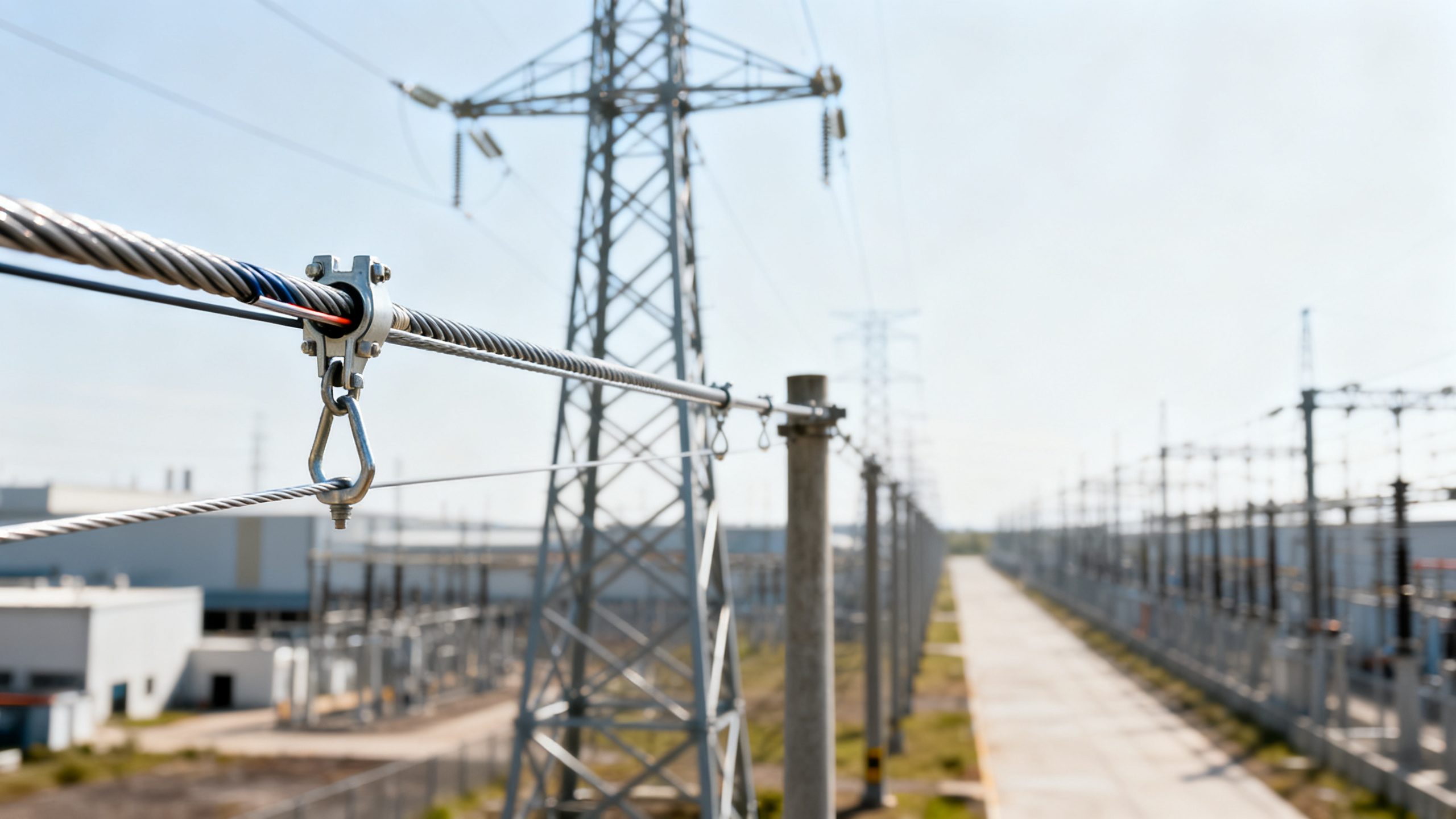
When network resilience, long spans, and live-line installation matter, ADSS fiber cable often makes more sense than traditional alternatives. For buyers comparing an OPGW cable manufacturer, fiber optic cables wholesale options, and overhead line fittings, the real question is not whether ADSS is “better” in general, but whether it is the better fit for the operating environment, installation constraints, and lifetime cost targets of a specific project. In many power and industrial communications networks, the answer is yes—especially where outages are costly, tower access is complex, and non-metallic dielectric performance is an advantage.
For researchers, operators, procurement teams, and decision-makers, the most useful way to evaluate ADSS fiber cable is through application fit: span length, voltage environment, installation method, hardware compatibility, maintenance exposure, and total project risk. This guide focuses on those decision points so you can determine when ADSS is the practical, lower-risk choice.
What Is the Core Buying Question Behind ADSS Fiber Cable?
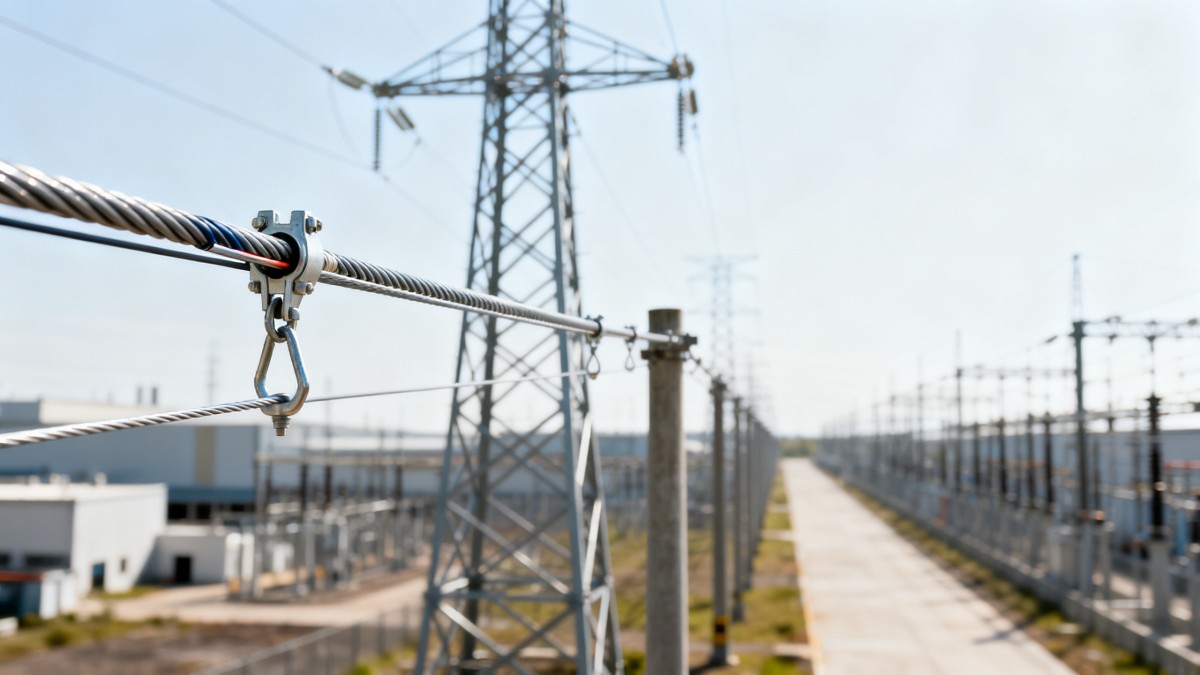
The core search intent behind this topic is usually transactional and evaluative: when should a project choose ADSS fiber cable instead of OPGW or other aerial fiber solutions? Buyers and technical teams are rarely looking for a basic definition alone. They want to know:
- Which network conditions make ADSS the smarter option
- Where ADSS reduces installation difficulty or outage risk
- How it compares with OPGW in cost, safety, and deployment constraints
- What hardware, fittings, and route conditions must be checked before purchase
- How to avoid premature failure in high-voltage or harsh outdoor environments
That makes the decision less about cable category and more about project suitability. ADSS fiber cable makes more sense when operators need an overhead fiber path without metallic components, without interrupting energized lines, and without adding the grounding and bonding complexity associated with metallic alternatives.
When ADSS Fiber Cable Usually Makes More Sense Than Alternatives
ADSS fiber cable is often the stronger choice in the following scenarios:
1. When Live-Line Installation Is Important
One of the biggest advantages of ADSS is that it can often be installed on existing power line infrastructure without requiring the same level of service interruption associated with some other approaches. For utilities and industrial facilities where downtime is expensive, this can be a decisive factor.
2. When a Non-Metallic Cable Is Preferred
Because ADSS is all-dielectric, it contains no metal and does not conduct electricity. This makes it attractive in environments where electromagnetic interference, grounding concerns, or induced currents could complicate design and maintenance.
3. When Existing Towers or Poles Need a Lighter Communication Upgrade
Compared with some alternatives, ADSS can be easier to integrate into existing pole lines or tower routes where structural loading is a concern. For retrofit communication projects, especially across distribution and sub-transmission corridors, it can provide a more practical path to deployment.
4. When Long Spans Are Required
Many ADSS designs are engineered for substantial span lengths, making them suitable for river crossings, rough terrain, plant perimeters, and utility corridors where fewer support points are preferred. The right cable design must still be matched to actual sag, tension, wind, and ice conditions.
5. When Fast Network Expansion Matters
For organizations building SCADA, substation communications, industrial monitoring links, security backbones, or rural broadband extensions along power routes, ADSS often supports faster rollout because it works with overhead infrastructure already in place.
When OPGW May Be Better Instead
A fair evaluation also means recognizing when ADSS is not the best option. In some transmission projects, OPGW remains the preferred solution.
OPGW may make more sense when:
- The fiber cable is being integrated into a new transmission line build from the start
- The ground wire function and fiber communication function need to be combined
- The line design already assumes shield wire replacement
- Mechanical and lightning performance requirements align better with OPGW system architecture
In simple terms, ADSS is often more attractive for retrofit and energized-line communication upgrades, while OPGW is often more logical in new high-voltage transmission construction where shield wire integration is part of the base design.
What Technical Conditions Should Buyers Check Before Choosing ADSS?
Even if ADSS appears suitable, the decision should not be made on cable type alone. Buyers should review several technical conditions before issuing RFQs or comparing fiber optic cables wholesale offers.
Electrical Field Environment
Space potential and electrical stress matter. Poor sheath selection or incorrect route positioning in high electrical field areas can lead to tracking and long-term jacket degradation. This is one of the most important engineering checks in ADSS selection.
Span Length and Mechanical Loading
Actual span lengths, sag requirements, wind speed, ice loading, and installation tension need to match the cable design. Over- or under-specification can both create cost or reliability problems.
Route Hardware Compatibility
Overhead line fittings are not interchangeable by assumption. Suspension clamps, tension sets, vibration dampers, and dead-end hardware must be compatible with the cable diameter, mechanical characteristics, and route design.
Environmental Exposure
UV radiation, pollution, salt fog, industrial contaminants, and temperature cycling all affect long-term cable life. Industrial and coastal routes may require more robust jacket and hardware specifications.
Fiber Count and Future Capacity
Procurement teams should align fiber count with both current use and expansion plans. Underbuying can force expensive future upgrades, while overbuying may not be justified unless network growth is likely.
How ADSS Changes Project Economics
Many buyers initially compare only unit price, but that can be misleading. ADSS fiber cable often makes more sense when evaluated on total installed cost and operational impact.
Potential Cost Advantages
- Reduced need for major line outages
- Faster installation on existing infrastructure
- Lower system complexity in non-metallic applications
- Less disruption to facility operations during communications upgrades
Potential Cost Drivers to Watch
- Specialized fittings and hardware requirements
- Route-specific design work for electrical field exposure
- Installation quality control requirements
- Possible premium for higher-performance sheath materials
For enterprise decision-makers, the right question is: Will ADSS lower lifecycle risk enough to justify the specification? In many industrial and utility networks, avoiding outages, delays, and future maintenance events delivers more value than chasing the lowest initial cable price.
What Procurement Teams Should Ask Suppliers Before Buying
When evaluating an ADSS or OPGW cable manufacturer, or reviewing fiber optic cables wholesale channels, buyers should ask questions that go beyond datasheets.
- What voltage environments and route conditions is this cable design intended for?
- What is the recommended maximum span under defined wind and ice loads?
- What anti-tracking sheath options are available?
- Which overhead line fittings are approved or recommended for this cable?
- What test standards and certifications support performance claims?
- Can the supplier provide installation guidance and tension tables?
- What field references exist for similar utility or industrial applications?
For B2B buyers, supplier capability matters as much as the cable itself. A technically strong supplier should be able to support not only product supply, but also application review, hardware matching, and documentation for compliance-sensitive projects.
Common Mistakes That Lead to ADSS Performance Problems
ADSS can be highly reliable, but many failures are specification or installation failures rather than material failures alone.
Common mistakes include:
- Choosing cable based only on price without checking electrical field exposure
- Using mismatched overhead line fittings
- Ignoring local climate loads and span mechanics
- Overlooking vibration control on long spans
- Installing without clear sag and tension procedures
- Selecting insufficient jacket protection for polluted or coastal environments
For operators and project managers, these are avoidable risks. A disciplined pre-purchase review usually saves far more than it costs.
A Practical Rule of Thumb for Decision-Makers
If your project involves retrofitting communications onto existing overhead power infrastructure, minimizing service interruption, managing long spans, and benefiting from a non-metallic cable design, ADSS fiber cable often makes more sense.
If your project is a new transmission line build where the shield wire function and fiber path should be integrated, OPGW may be the more natural solution.
For industrial procurement directors, EPC teams, and facility leaders, the best decision usually comes from comparing three things together:
- Installation constraints
- Lifetime reliability risk
- Total deployed cost rather than unit price alone
Conclusion
ADSS fiber cable makes the most sense where resilience, retrofit flexibility, live-line installation, and overhead deployment efficiency are critical. It is especially valuable for utilities, industrial facilities, and infrastructure operators that need a dependable communications backbone without the complexity of metallic cable systems.
The key is not to treat ADSS as a universal default, but as a strategic fit for specific route, voltage, and operational conditions. If buyers evaluate span design, electrical stress, environmental exposure, and hardware compatibility early, ADSS can deliver strong long-term value with lower operational disruption. For teams comparing an OPGW cable manufacturer, fiber optic cables wholesale offers, and overhead line fittings, that application-focused approach leads to better procurement decisions and more reliable network outcomes.
Expert Insights

Chief Security Architect
Dr. Thorne specializes in the intersection of structural engineering and digital resilience. He has advised three G7 governments on industrial infrastructure security.
Related Analysis
Core Sector // 01
Security & Safety
- How to Choose Welding Cables WholesaleAuthor :Grid Infrastructure Analyst

- THHN Building Wire vs XHHW: What ChangesAuthor :Grid Infrastructure Analyst

- Are Solar PV Cables Worth the Higher CostAuthor :Grid Infrastructure Analyst

- How to Vet an OPGW Cable ManufacturerAuthor :Grid Infrastructure Analyst

- When Does ADSS Fiber Cable Make More SenseAuthor :Grid Infrastructure Analyst

- What to Check Before Buying Fiber Optic Cables WholesaleAuthor :Grid Infrastructure Analyst

- Where Unshielded Control Cables Work BestAuthor :Grid Infrastructure Analyst

- Armored Cables Wholesale: Common Buying MistakesAuthor :Grid Infrastructure Analyst