What to Check Before Buying Fiber Optic Cables Wholesale
Author
Date Published
Reading Time
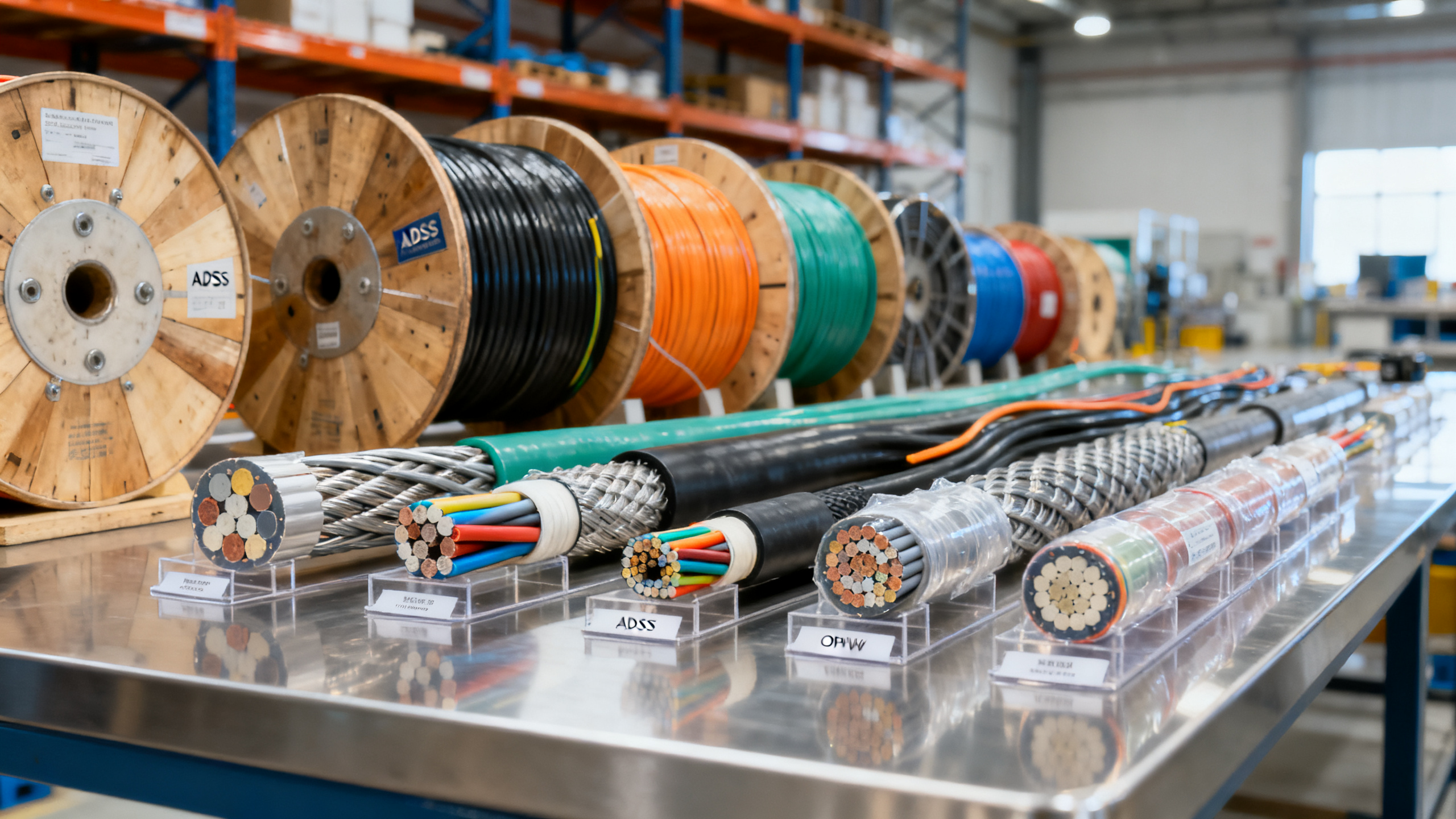
Buying fiber optic cables wholesale is not just about price—it is about long-term network performance, compliance, and supplier reliability. Before choosing an adss fiber cable, reviewing an opgw cable manufacturer, or comparing wholesale electrical cables, buyers should verify material quality, certification, transmission standards, and project suitability. This guide outlines the key checks that help procurement teams and decision-makers reduce risk and secure dependable cable solutions.
What should buyers verify first when sourcing fiber optic cables wholesale?
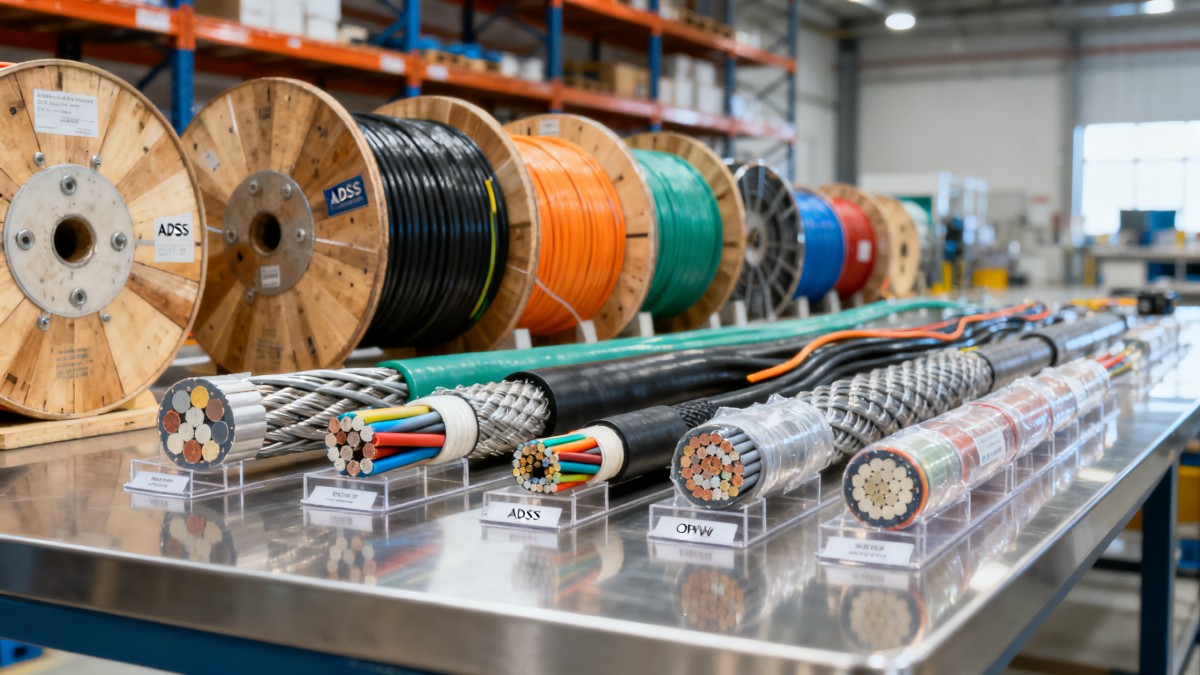
For industrial and infrastructure projects, the first screening step is not the quoted price per kilometer. It is whether the cable matches the application, operating environment, and installation method. A warehouse backbone, a utility transmission route, and a telecom access network can all require different structures, fiber counts, jacket materials, and tensile performance. In many B2B purchases, 3 core checks decide early success: application fit, standards alignment, and supplier traceability.
Information researchers often begin with broad search terms such as fiber optic cables wholesale, ADSS cable, OPGW cable, or outdoor fiber cable. Operators usually care more about pull strength, bend radius, and splicing convenience. Procurement teams focus on lead time, batch consistency, and total landed cost. Decision-makers look at service life, failure risk, and compliance exposure. A reliable sourcing process needs to connect all 4 viewpoints before any purchase order is approved.
At this stage, buyers should request a basic technical package within the first 24–72 hours of supplier engagement. That package should include construction details, fiber type, attenuation values, mechanical test references, jacket material, operating temperature range, and standard production tolerances. If the supplier cannot provide consistent documentation across 2–3 similar products, the sourcing risk is already higher than the unit price suggests.
For industrial buyers working on EPC schedules, the cost of selecting the wrong cable can exceed the savings from a low quote. Delayed site acceptance, splice loss issues, weather-related degradation, or non-compliant deliveries may cause rework cycles of 7–15 days or more. That is why early verification should be structured, documented, and aligned with installation and maintenance realities.
A practical first-pass checklist
- Confirm the cable application category: indoor, outdoor, aerial, duct, buried, or power line related. One cable family rarely fits all installation routes.
- Check fiber specifications such as single-mode or multi-mode, fiber count, and attenuation references at standard wavelengths used by the project.
- Review mechanical properties including tensile load, crush resistance, and minimum bend radius during installation and operation.
- Verify whether the supplier can provide test reports, production batch identification, and export-ready documents for customs and project filing.
Why this matters in industrial procurement
Global Industrial Core supports buyers who cannot afford failure in power, measurement, safety, and infrastructure environments. In these sectors, cable procurement is tied to network uptime, site safety, and contract performance. Wholesale buying therefore needs stronger prequalification than a simple distributor catalog comparison. The right question is not only “How much does it cost?” but also “Will it perform for 10–25 years in the actual field condition?”
Buyers should also treat sample evaluation as a control step, not a formality. For medium or large-volume orders, a sample review can uncover differences in sheath finish, marking clarity, reel packaging, and documented fiber color sequence. Those details may seem minor during quotation, but they can slow field deployment and increase technician error rates during termination and maintenance.
How do ADSS, OPGW, and standard outdoor fiber cables differ in wholesale buying?
Buyers often compare ADSS fiber cable, OPGW cable, and standard outdoor dielectric cables in the same sourcing cycle, especially for utility, plant, and infrastructure projects. These products are related, but they solve different engineering problems. A poor comparison can lead to overspecification, unnecessary cost, or field incompatibility. The best approach is to compare them by installation environment, mechanical demand, and maintenance access.
ADSS cable is commonly selected for aerial installation where all-dielectric construction is needed, especially near power distribution corridors. OPGW is usually integrated into overhead ground wire applications on transmission lines and requires stronger coordination with power utility design and line hardware. Standard outdoor fiber cables may be more appropriate for duct, direct burial, campus, or industrial plant communication routes where electrical interaction is not the main design driver.
The procurement implication is straightforward. If the route includes long spans, electrical field exposure, or transmission tower integration, buyers must move beyond generic optical cable quotations. If the route is a facility-level communication backbone with moderate mechanical stress, a simpler construction may offer better value. In practical sourcing, the wrong cable family can add avoidable hardware, installation, and maintenance cost over 1–3 project phases.
The comparison below helps technical teams, sourcing managers, and executives align around fit-for-purpose selection before requesting final bids.
This comparison shows why wholesale buying should start from route conditions rather than product names. A supplier that asks about span length, installation tension, grounding conditions, and jointing plan is usually helping reduce project risk. A supplier that only sends a price sheet may not be evaluating the application deeply enough for industrial use.
Questions to ask before choosing between these cable types
- Will the cable be installed on towers, poles, ducts, trays, or buried routes?
- What is the expected service environment: UV exposure, wind load, moisture, vibration, or chemical presence?
- Is the project a short industrial section, a campus network, or a long-haul utility connection measured in tens of kilometers?
- Does the installation team already have the accessories and procedures required for that cable family?
A common sourcing mistake
Many buyers assume that a higher-spec cable is always safer. In reality, overspecification can increase reel weight, accessory cost, installation complexity, and approval time. For example, choosing a utility-grade structure for a moderate industrial duct route may create no practical network benefit. Good procurement balances performance, installation efficiency, and lifecycle risk rather than simply buying the most complex construction available.
Which technical parameters and material details deserve close review?
Once the cable family is confirmed, buyers should move into technical verification. This is where many wholesale purchases fail, because datasheets are reviewed too quickly or different suppliers use inconsistent terminology. A disciplined review should cover at least 5 key areas: fiber type, attenuation, mechanical limits, environmental range, and sheath or armor construction. These details directly affect installation success and long-term performance.
Fiber type is the first filter. Most industrial backbone and long-distance applications use single-mode fiber, while some shorter internal networks may still specify multi-mode. Buyers should confirm the required transmission design before comparing offers. A lower price on an incompatible fiber type is not a saving. It is a hidden change order waiting to happen, especially when transceivers and splicing plans are already defined.
Mechanical values deserve equal attention. Installation tension and long-term operating tension are not interchangeable. Minimum bend radius during pulling can be larger than the radius allowed after installation. Temperature ranges may also vary by material system, with common outdoor requirements often falling around -20°C to +60°C or wider depending on route conditions. Procurement teams should compare like for like, not just scan headline figures.
Material details can strongly influence durability. UV-resistant jackets, water-blocking elements, rodent resistance measures, and suitable armor options are all application-driven. In industrial sites with mixed mechanical and environmental exposure, these construction choices often matter more than minor price differences per meter.
Technical review points for wholesale fiber optic cables
For purchasing teams, the practical lesson is simple: ask suppliers to organize their technical data in the same format. That makes side-by-side review faster and exposes missing values immediately. In many tenders, a normalized comparison sheet reduces clarification cycles from several rounds to 1–2 structured reviews.
How operators and installers should contribute
End users and installation personnel should be included before final approval. They can validate whether the cable diameter suits existing ducts, whether reel lengths match site handling capacity, and whether the identification markings are practical for field work. A technically acceptable cable can still become an operational problem if it complicates pulling, splicing, or maintenance access.
A useful review practice is to collect comments across 3 functions: engineering, installation, and sourcing. When these teams sign off together, the chance of ordering a cable that is technically correct but operationally inconvenient is much lower.
How important are standards, certification, and supplier documentation?
In wholesale fiber optic cable buying, documentation quality often predicts delivery quality. Industrial procurement teams should verify not only whether a supplier mentions CE, UL, ISO, or other standards, but also whether those references are relevant to the product, the production process, and the target market. Generic claims without traceable documents do not protect a project during inspection, import review, or contract acceptance.
For many projects, 4 document groups matter most: product datasheets, routine or type test references, quality management documentation, and shipping or traceability records. If the project is tied to utility or public infrastructure, buyers may also need packing details, drum marking rules, and lot-level identification that can be checked during receipt. These are not administrative extras. They are part of supply assurance.
A responsible sourcing review should also check whether standards are being interpreted correctly. A cable supplier may have a general quality management certificate, but that does not automatically confirm product suitability for a specific outdoor, utility, or industrial application. Procurement teams should therefore separate system certification from product-level evidence and request clarifications early.
Global Industrial Core helps buyers structure this process by focusing on compliance logic, operational reliability, and document consistency. For EPC contractors and facility managers, that approach reduces late-stage surprises, especially when multiple stakeholders review the order across engineering, commercial, and QA functions.
A practical documentation checklist
- Product datasheet with clear construction details, fiber count, operating conditions, and test references.
- Batch or reel traceability information that links delivered goods to production records.
- Quality documents that support manufacturing consistency, especially for recurring orders over 2–4 quarters.
- Packing list, labeling format, and shipping protection details suitable for export and site handling.
What weak documentation usually signals
If reports are incomplete, naming is inconsistent, or specifications change between quotation and proforma invoice, buyers should pause. These signs often indicate weak internal control, trading-only layers without technical ownership, or inconsistent production sourcing. In wholesale electrical cables and fiber optic cables wholesale transactions, such gaps can result in mismatch between approved samples and delivered reels.
A strong supplier, by contrast, can usually answer structured document requests within a few business days and explain what is standard, what is optional, and what may affect lead time or price. That clarity supports better commercial negotiation and fewer acceptance disputes later.
What procurement process reduces cost risk, delay risk, and performance risk?
A reliable wholesale purchase process usually follows 4 stages: requirement definition, supplier technical review, sample or document validation, and order execution planning. Skipping any of these stages may save a few days at the start, but it often creates larger delays later. For projects with fixed shutdown windows or grid-related schedules, that is a poor trade.
Requirement definition should cover route type, cable length, fiber count, connector or splicing expectations, environmental exposure, and delivery split if the order will arrive in phases. Supplier review should then compare not just price, but also reel length options, packaging method, production lead time, and deviation handling. In many B2B transactions, these factors drive real project cost more than the base cable rate.
Sample validation can be physical or document-based depending on project scale, but the goal is the same: confirm the product to be delivered matches the product approved. Finally, execution planning should define delivery schedule, inspection method, claims window, and communication points. A cable order may appear simple, yet on projects above several kilometers or multiple delivery lots, these controls are essential.
The table below shows a practical procurement framework that can be adapted by sourcing teams, plant engineers, and project leaders.
This process is especially useful when comparing multiple suppliers of fiber optic cables wholesale or wholesale electrical cables. It turns scattered sales information into a decision structure. That helps enterprise decision-makers explain why one quotation is more bankable than another, even if the headline price is not the lowest.
Cost control without underbuying
Good cost control means reducing unnecessary specification, packaging inefficiency, and avoidable logistics expense while protecting technical suitability. Buyers can often improve value by optimizing reel lengths, consolidating order lots, clarifying accessory scope, and aligning the delivery window to the actual installation sequence. These actions may reduce handling loss and storage pressure more effectively than pushing for an unrealistic unit price cut.
In many industrial purchases, the total cost of ownership includes transport, storage, installation efficiency, acceptance testing, and maintenance implications over time. That is why strategic sourcing should compare complete project impact, not only the cable line item on the quote sheet.
FAQ: what do buyers and decision-makers ask most often?
Search behavior around fiber optic cables wholesale is usually practical and urgent. Buyers want to know what matters before issuing RFQs, how to compare ADSS and OPGW offers, and how to avoid low-cost mistakes. The questions below reflect common concerns from researchers, field users, procurement teams, and management reviewers.
How do I know if an ADSS fiber cable is suitable for my project?
Start with the route and support conditions. ADSS cable is typically considered for aerial installation where dielectric construction is needed. Buyers should confirm span length, pole or tower arrangement, environmental exposure, and accessory compatibility. If the project is duct-based, buried, or internal to a facility, another outdoor fiber cable may be more practical and more economical.
What should I ask an OPGW cable manufacturer before placing an order?
Ask about construction details, utility application fit, production documentation, reel handling, and delivery planning. Also confirm how the offered OPGW cable aligns with the line design and installation method. Because these projects are usually more specialized, the review should involve engineering and utility stakeholders, not only procurement.
What is a reasonable lead time for wholesale fiber optic cable orders?
Lead time depends on cable type, quantity, documentation requirements, and whether the construction is standard or customized. For planning purposes, buyers often evaluate supply windows in ranges such as 2–4 weeks for routine configurations and longer for specialized utility-related products or complex export documentation. Always confirm whether the quoted lead time includes testing, packing, and shipping release steps.
Is the lowest wholesale price usually the best deal?
Not necessarily. A lower quote may exclude documentation, use different materials, shorten reel lengths, or rely on less controlled packaging. The better comparison is total procurement value: technical fit, batch consistency, acceptance clarity, logistics efficiency, and expected service life. That approach is particularly important in industrial and infrastructure projects where downtime costs can exceed material savings.
Why work with a sourcing intelligence partner before finalizing fiber optic cable wholesale orders?
When projects involve infrastructure reliability, compliance pressure, and multiple stakeholders, the hardest part is often not finding suppliers. It is filtering technical claims, comparing offers on equal terms, and identifying where commercial risk is hidden. That is where Global Industrial Core adds value. We help industrial buyers connect engineering logic, procurement discipline, and supplier evaluation into one decision-ready process.
For EPC contractors, facility managers, procurement directors, and enterprise decision-makers, our support is most useful when timelines are tight and requirements are not simple. We can help structure parameter confirmation, supplier document review, product category matching, and procurement checklists for ADSS fiber cable, OPGW solutions, and related wholesale electrical cables. The goal is to reduce avoidable ambiguity before money and schedule are committed.
If you are preparing an RFQ or comparing current offers, the most productive next step is a focused technical-commercial review. That review can cover 5 practical areas: application fit, key parameters, certification relevance, expected lead time, and order execution risks. For larger or recurring purchases, it can also include batch consistency expectations and packaging or delivery planning across multiple project phases.
Contact us if you need support with cable parameter confirmation, product selection, delivery schedule assessment, certification questions, sample evaluation, or quotation comparison. A structured review before ordering is often the difference between a competitive purchase and an expensive correction after the cable arrives on site.
Expert Insights

Chief Security Architect
Dr. Thorne specializes in the intersection of structural engineering and digital resilience. He has advised three G7 governments on industrial infrastructure security.
Related Analysis
Core Sector // 01
Security & Safety
- How to Choose Welding Cables WholesaleAuthor :Grid Infrastructure Analyst

- THHN Building Wire vs XHHW: What ChangesAuthor :Grid Infrastructure Analyst

- Are Solar PV Cables Worth the Higher CostAuthor :Grid Infrastructure Analyst

- How to Vet an OPGW Cable ManufacturerAuthor :Grid Infrastructure Analyst

- When Does ADSS Fiber Cable Make More SenseAuthor :Grid Infrastructure Analyst

- What to Check Before Buying Fiber Optic Cables WholesaleAuthor :Grid Infrastructure Analyst

- Where Unshielded Control Cables Work BestAuthor :Grid Infrastructure Analyst

- Armored Cables Wholesale: Common Buying MistakesAuthor :Grid Infrastructure Analyst