Wholesale Cable Trays: Steel or Aluminum for Corrosive Areas?
Author
Date Published
Reading Time
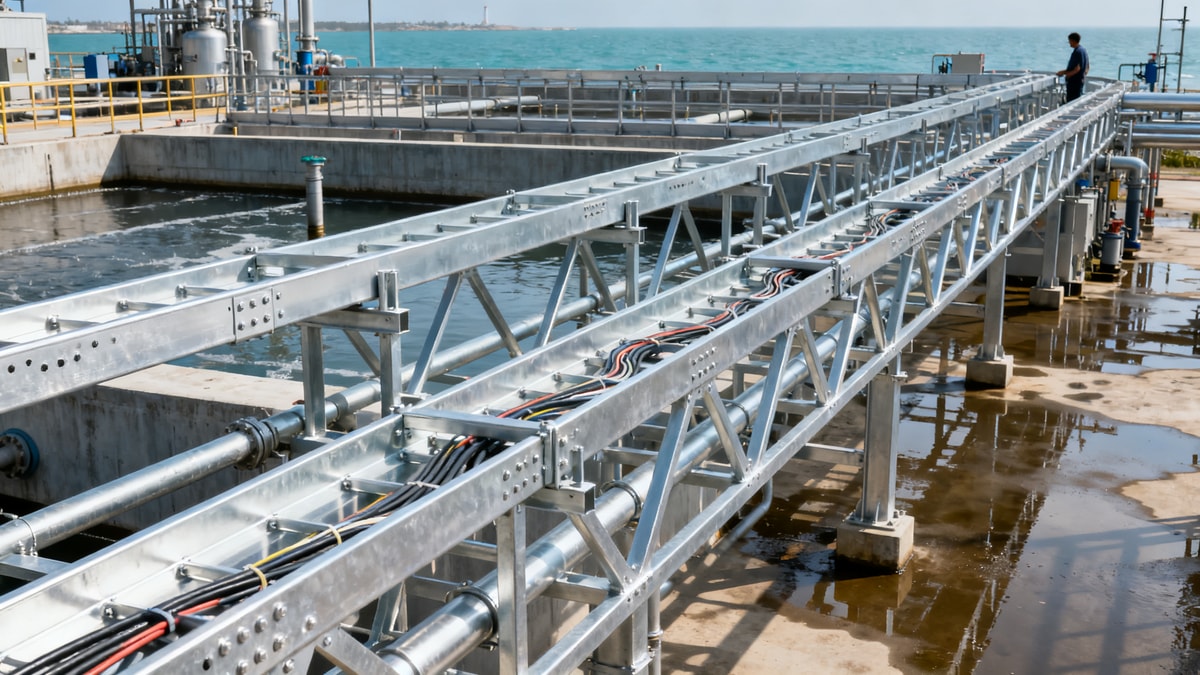
In corrosive industrial environments, choosing the right material for wholesale cable trays can directly affect safety, lifespan, and maintenance costs. For project managers and engineering leaders, the steel-versus-aluminum decision is not just about price—it is about compliance, durability, and long-term operational resilience. This guide explores the key differences to help you make a smarter sourcing decision.
Why material choice matters more in corrosive projects
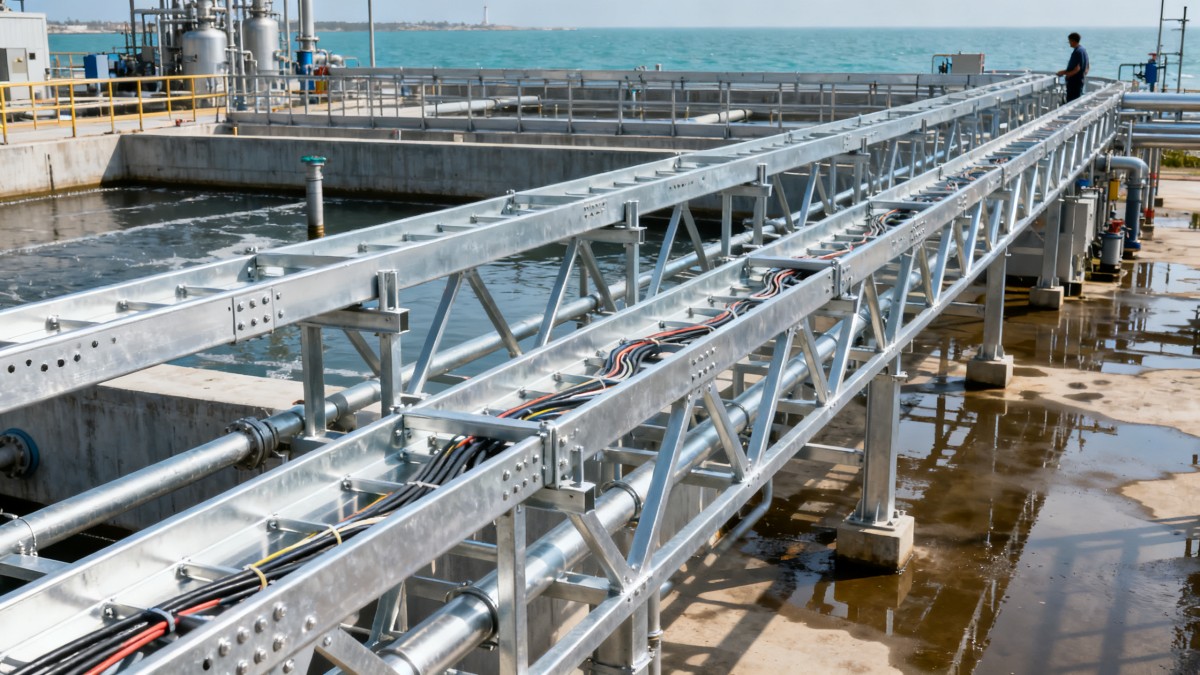
In many industrial facilities, cable tray failure does not begin with a visible collapse. It starts with coating breakdown, galvanic interaction, trapped moisture, chemical attack, or unnoticed fastener corrosion. For teams sourcing wholesale cable trays, the wrong base metal can shorten service life, raise inspection frequency, and create rework during commissioning or later shutdowns.
This issue is especially relevant in wastewater plants, coastal substations, chemical processing units, food and beverage sites using aggressive washdown routines, and energy facilities where humidity, salts, acids, or alkalis remain in the air. In such settings, project leaders must look beyond initial material cost and evaluate lifecycle exposure, code requirements, structural loading, and replacement difficulty.
- Corrosive exposure can vary by zone, meaning the same project may require different tray materials for indoor dry areas, outdoor pipe racks, and process-adjacent corridors.
- Installation conditions matter. A tray that performs well in open ventilation may degrade faster in enclosed, wet, or chemically active spaces.
- Maintenance access matters too. Where shutdown windows are short or labor is expensive, longer material life often justifies a higher upfront purchase price.
For EPC teams and facility managers, the practical question is not whether steel or aluminum is universally better. The real question is which material is better for the specific corrosive mechanism, loading condition, and procurement target of the project.
Steel vs aluminum for wholesale cable trays: what changes in real use?
The most common comparison in wholesale cable trays involves carbon steel with protective finishes versus aluminum alloy tray systems. Steel is often chosen for strength, cost control, and familiarity. Aluminum is often selected for corrosion resistance, lower weight, and easier field handling. Yet performance depends heavily on finish type, environment severity, and support design.
The table below gives a practical side-by-side view for project managers evaluating cable tray material in corrosive areas.
The key takeaway is simple: steel often wins on structural economy, while aluminum often wins on corrosion durability and installation efficiency. However, neither result should be accepted without checking exposure category, loading data, and system accessories such as splice plates, covers, supports, and fasteners.
Where steel remains a strong option
Steel tray systems still make sense in many projects where corrosive exposure is moderate, where heavier cable loads are expected, or where budget pressure is high and protective finishing can be matched to the environment. In indoor utility spaces, controlled manufacturing areas, and some power distribution rooms, coated or galvanized steel can remain a sound choice.
Where aluminum often performs better
Aluminum is often favored for coastal air, damp service corridors, rooftop routing, wastewater installations, and washdown-prone operations. It is also attractive when project schedules are tight because lighter components simplify transport, lifting, and field modification. For wholesale cable trays in corrosive areas, these practical installation gains can significantly reduce labor burden.
Which corrosive environments favor steel and which favor aluminum?
Not all corrosive environments are equal. Salt mist, chlorine vapor, fertilizer dust, acidic fumes, and alkaline washdown each attack materials differently. Project managers should classify the site by actual chemical exposure rather than by a general label such as “harsh” or “outdoor.”
The next table helps map common industrial conditions to typical cable tray material preferences. Final selection should still be confirmed against project specifications, local codes, and manufacturer data.
This comparison shows why broad assumptions create procurement risk. A steel tray that works well in a dry switch room may underperform on an exposed coastal rack. An aluminum tray that solves corrosion issues may still require revised support spacing when heavy power cabling is involved.
A practical exposure checklist
- Identify whether corrosion is atmospheric, splash-driven, chemical vapor driven, or caused by retained moisture under debris or covers.
- Check if dissimilar metals will be in contact across supports, fasteners, grounding components, or nearby pipework.
- Review whether the tray route is exposed to UV, rooftop heat, or process washdown cycles that can accelerate protective finish degradation.
- Confirm maintenance access. Hard-to-reach areas should favor longer-life material decisions.
What project managers should check before buying wholesale cable trays
A frequent procurement mistake is comparing only tray prices per meter. A better method is to review the full installed system. For wholesale cable trays, that means validating not just side rail material, but also finish consistency, fitting availability, fastener compatibility, support loading, and documentation quality.
Critical selection points
- Define cable load and span. Material choice must align with actual fill, future expansion, and support spacing. Aluminum may need design adjustment where long spans and low deflection are required.
- Match finish to environment. For steel, there is a major difference between basic pre-galvanized use and more robust corrosion protection approaches intended for outdoor or aggressive conditions.
- Review system accessories. A corrosion-resistant tray paired with poor fasteners can still fail early. Connections, clamps, covers, and hangers must be compatible.
- Check compliance documents. Industrial buyers often require alignment with recognized electrical and safety standards, plus material and finish documentation suitable for project approval files.
- Account for field installation realities. Lightweight sections can reduce crane needs, labor fatigue, and rooftop logistics complexity.
At GIC, procurement intelligence is most valuable when it supports cross-functional review. Engineering cares about load and corrosion. Procurement cares about cost and supplier consistency. Construction cares about installation speed. Operations cares about maintenance intervals. A strong cable tray decision connects all four.
Questions to send suppliers before final approval
- What base material and finish system are supplied for straight sections, elbows, tees, reducers, and covers?
- What loading and span data are available for the exact tray type under consideration?
- Are fasteners and support accessories supplied in compatible corrosion-resistant materials?
- What documentation is available for conformance to requested standards or project specifications?
- What are the lead times for standard sizes, special fittings, and urgent replacement orders?
Upfront cost vs lifecycle cost: where the decision usually shifts
When buyers compare wholesale cable trays, steel often looks attractive on purchase price. Yet corrosive-area decisions rarely stay on purchase price alone. Labor, rework, shutdown risk, recoating, replacement intervals, and maintenance inspection costs can move the economics toward aluminum over the operating life of the asset.
The following table shows how project economics typically change when corrosive exposure becomes more severe.
This is why many project managers shift from a unit-price mindset to a risk-adjusted cost model. If cable tray replacement would require shutdowns, permits, confined access, or work at height, material longevity becomes a budget issue, not just an engineering issue.
Compliance, standards, and documentation: what buyers should not overlook
For industrial infrastructure, a tray system is not only a mechanical support product. It is part of a documented electrical pathway that may be reviewed by consultants, safety officers, inspectors, and end users. Buyers of wholesale cable trays should therefore verify that product data aligns with project specifications and relevant market expectations.
Documentation worth checking
- Load and span performance information for the tray type and configuration.
- Material and finish description covering straight sections and accessories, not only the main tray body.
- Conformance references to applicable standards commonly requested in international projects, such as electrical safety or product manufacturing frameworks.
- Installation guidelines including support spacing, jointing, grounding considerations, and limitations for corrosive environments.
In global sourcing, documentation quality also affects approval speed. Missing technical details can delay material submissions, create RFIs, and postpone procurement release. For large programs, this can cause more disruption than a modest difference in tray material pricing.
FAQ: common questions about wholesale cable trays in corrosive areas
Is aluminum always better than steel in corrosive environments?
No. Aluminum performs very well in many corrosive atmospheres, but it is not automatically the correct answer for every site. Load requirements, support spacing, chemical compatibility, mechanical abuse risk, and accessory matching all matter. Some steel systems remain suitable when the environment is controlled and the finish is appropriate.
What is the biggest mistake when sourcing wholesale cable trays?
The most common mistake is buying on tray price alone. That ignores installation labor, fastener compatibility, corrosion exposure by zone, and future replacement difficulty. A lower-cost tray can become the more expensive choice if it requires early maintenance or shutdown-based replacement.
Do corrosive-area projects need special accessories?
Yes. Fasteners, support brackets, splice plates, covers, and grounding components must be reviewed as part of the full system. Corrosion often starts at joints, dissimilar metal contact points, or damaged cut edges. A well-chosen tray with poorly matched accessories can still underperform.
How should project teams compare suppliers?
Compare them on technical documentation, consistency of accessories, delivery capability, response speed for engineering questions, and ability to support international compliance requirements. For wholesale cable trays, supply reliability and technical clarity are often as important as the material itself.
Why work with GIC when specifying wholesale cable trays?
Global Industrial Core supports industrial buyers who need more than general product descriptions. Our strength lies in connecting sourcing decisions to actual project risk: corrosion exposure, installation constraints, standards review, documentation readiness, and long-term operational resilience. That matters for EPC contractors, facility managers, and procurement leads managing complex infrastructure programs.
If you are reviewing wholesale cable trays for corrosive areas, we can help you narrow the decision with practical support across the issues that usually slow procurement:
- Material comparison based on your operating environment, cable load, and support span assumptions.
- Selection guidance for steel versus aluminum tray systems, including accessory and fastener compatibility concerns.
- Review of documentation needs for project submissions, certification expectations, and international procurement workflows.
- Discussion of lead times, custom fittings, phased delivery planning, and sample support for technical validation.
- Quote alignment for budget planning, lifecycle evaluation, and sourcing strategy across multiple project zones.
If your team is balancing corrosion resistance, structural performance, compliance, and delivery pressure, contact GIC with your project conditions, expected environment, tray type, and required documentation scope. We can help you move from a broad material debate to a procurement decision that fits the actual risk profile of your site.
Technical Specifications
Expert Insights

Chief Security Architect
Dr. Thorne specializes in the intersection of structural engineering and digital resilience. He has advised three G7 governments on industrial infrastructure security.
Related Analysis
- May 02, 2026Chemical Metering Pumps: Which Dosing Errors Cost the Most?Author :Environmental Engineering Director
- May 02, 2026What Sets One Belt Filter Press Manufacturer Apart?Author :Environmental Engineering Director
- May 02, 2026Moving Bed Biofilm Reactor MBBR Retrofit Benefits and LimitsAuthor :Environmental Engineering Director
Core Sector // 01
Security & Safety
- Submersible Pump Cables: Why Jacket Damage Happens EarlyAuthor :Grid Infrastructure Analyst

- Wholesale Cable Trays: Steel or Aluminum for Corrosive Areas?Author :Grid Infrastructure Analyst

- Marine Cables Wholesale: Which Certifications Actually Matter?Author :Grid Infrastructure Analyst

- Teflon PTFE Wires in High Heat: Where They Really HelpAuthor :Grid Infrastructure Analyst

- What Causes Early Failure in Silicone Rubber Cables?Author :Grid Infrastructure Analyst

- Copper Price Surges 4.1% to Record High in 2026; Impacts BOM Costs for Cable & Transformer MakersAuthor :Grid Infrastructure Analyst

- Copper Price Hits 2026 High, Impacts Cable & Transformer BOM CostsAuthor :Grid Infrastructure Analyst

- SCFI Rises Again: Shanghai–LA Rate Hits $3,920/TEUAuthor :Grid Infrastructure Analyst