Copper Price Surges 4.1% to Record High in 2026; Impacts BOM Costs for Cable & Transformer Makers
Author
Date Published
Reading Time
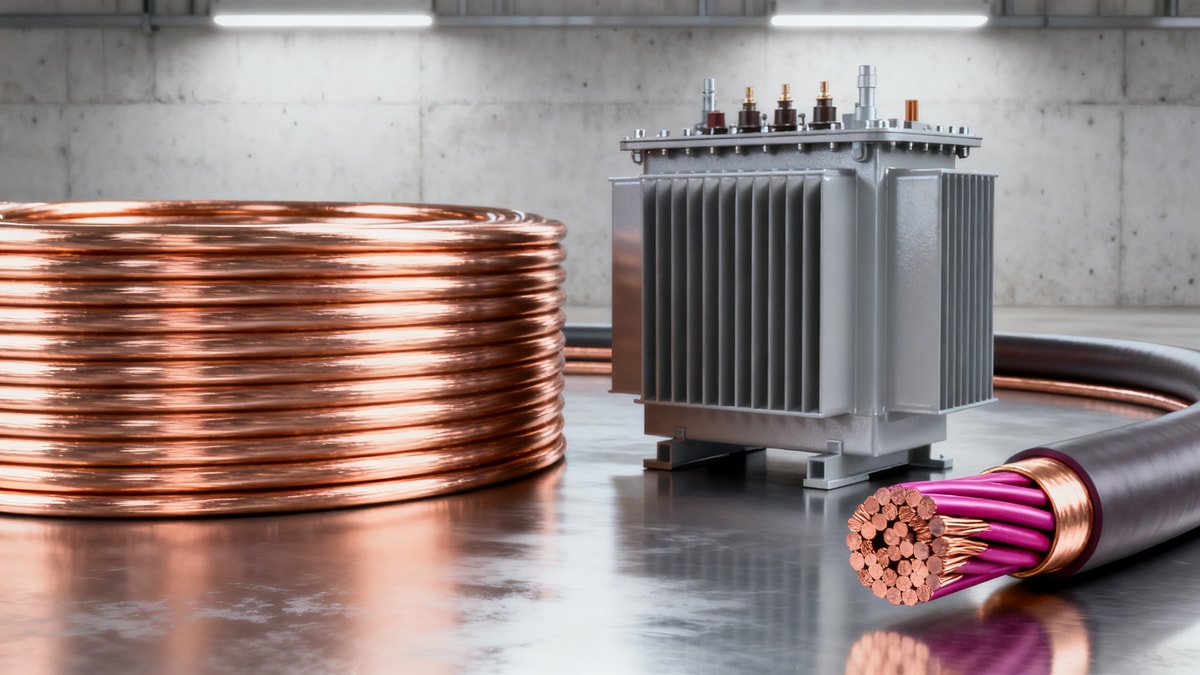
Global copper prices rose sharply on April 30, 2026, with LME copper futures closing at $9,842/ton — a single-day gain of 4.1% and the highest level of 2026. This move directly affects cable manufacturers, dry-type transformer producers, and circuit breaker makers, as copper-intensive components face an average 7.6% increase in bill-of-materials (BOM) costs. The surge warrants close attention from procurement, manufacturing, and supply chain teams across power infrastructure and electronics hardware sectors.
Event Overview
On April 30, 2026, London Metal Exchange (LME) copper futures closed at $9,842 per metric ton, up 4.1% from the previous trading day — marking the highest intrayear level. Concurrently, domestic Chinese electrolytic copper spot prices exceeded ¥72,500 per ton. The price spike was driven by two confirmed factors: industrial action at major Chilean copper mines and surging demand for copper foil used in AI server interconnects.
Industries Affected
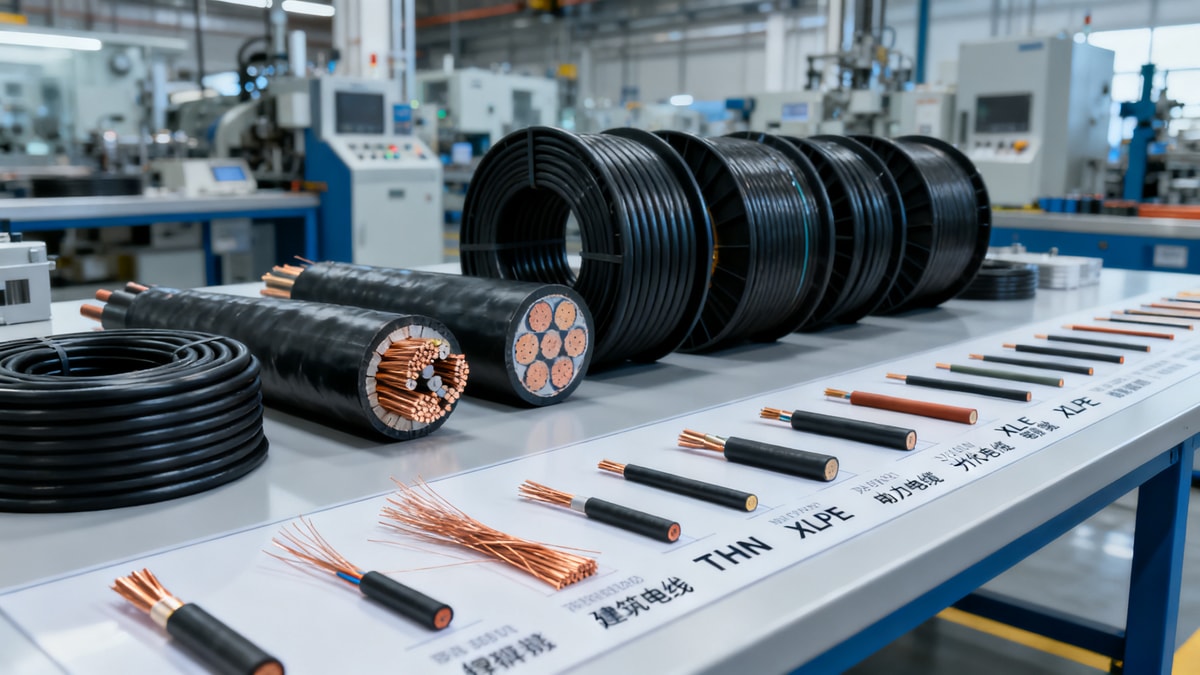
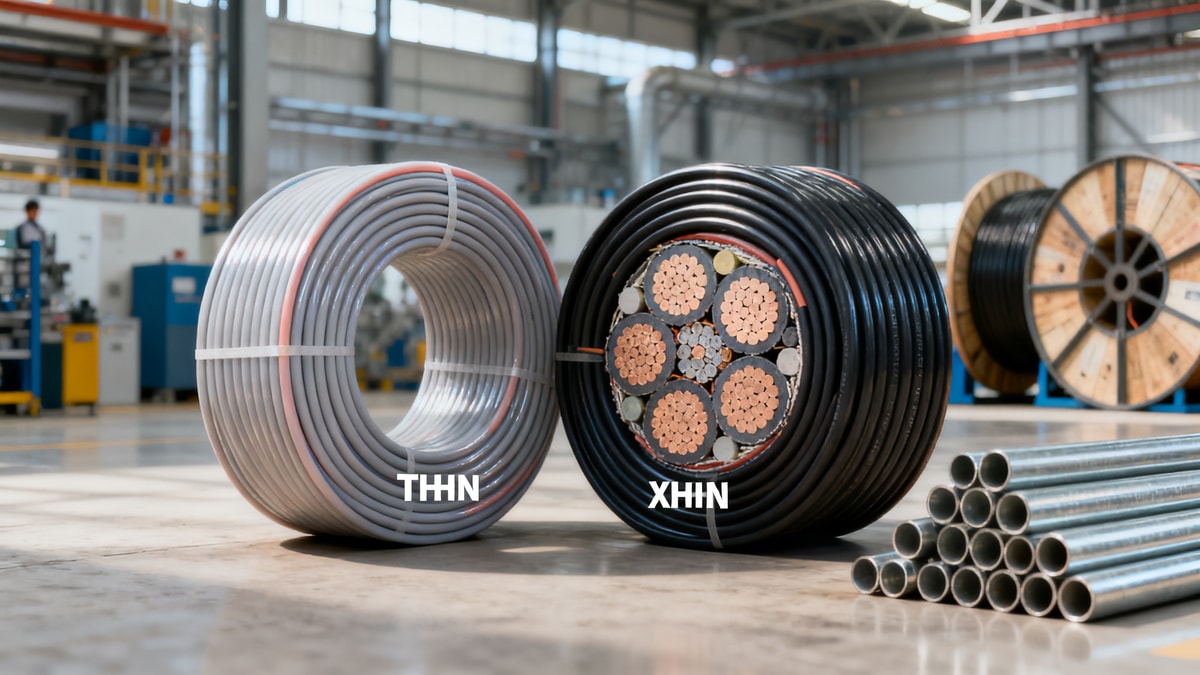
Wire & Cable Manufacturers: Copper accounts for 60–80% of raw material cost in standard power cables. A 7.6% BOM cost increase compresses margins unless passed through via pricing adjustments or contract renegotiation — especially for fixed-price projects under execution.
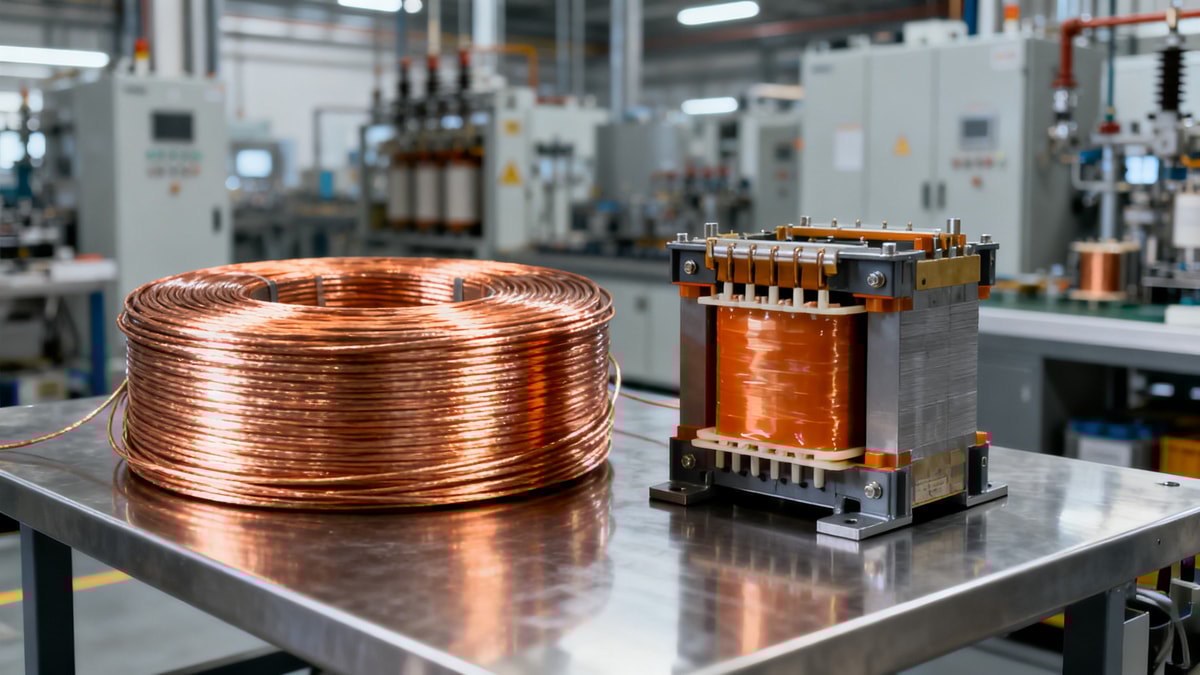
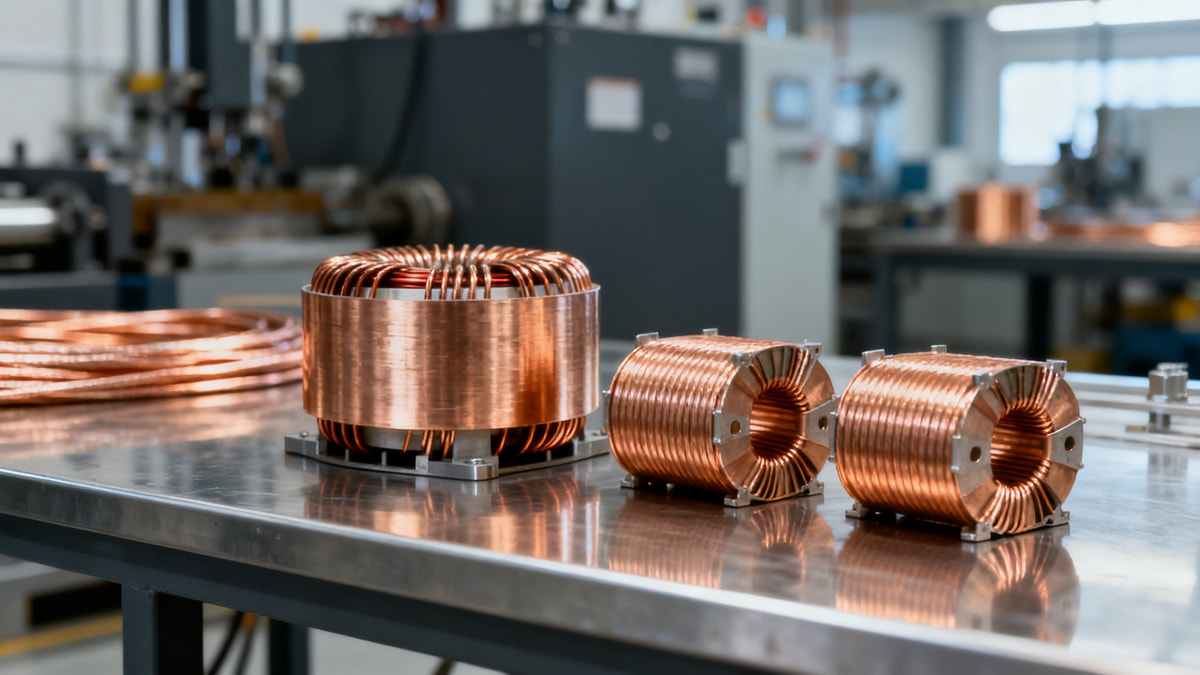
Dry-Type Transformer Producers: Windings and busbars rely heavily on high-purity copper. Rising input costs affect both standard and custom-built units, with lead times potentially extending if suppliers delay commitments pending price stabilization.
Circuit Breaker & Switchgear Assemblers: Though copper content is lower than in cables or transformers, precision current-carrying components (e.g., contacts, busbars) are sensitive to spot price volatility. Cost pass-through lags may strain working capital for firms operating on tight inventory turns.
Electrolytic Copper Procurement Teams: Buyers sourcing directly from smelters or traders face tighter availability and accelerated payment terms. Spot market premiums have widened, reducing flexibility for just-in-time procurement strategies.
What Relevant Enterprises or Practitioners Should Monitor and Do Now
Track official updates from Chilean mining authorities and LME policy statements
Industrial action remains unresolved; any extension or escalation could prolong supply constraints. LME position limits or margin requirement changes may further influence near-term liquidity and speculative activity.
Review active contracts for copper-linked pricing clauses and delivery windows
Manufacturers should identify contracts without metal price adjustment mechanisms — particularly those covering Q2–Q3 2026 deliveries — and initiate discussions with customers before formal cost re-negotiation deadlines approach.
Assess inventory exposure and hedge readiness for key copper-based subassemblies
Firms holding significant finished-goods or semi-finished copper inventories may face valuation pressure if prices stabilize or decline. Conversely, those with minimal buffer stock may need to evaluate short-dated hedging instruments or forward purchase agreements — subject to internal risk policies.
Engage suppliers early on revised lead times and minimum order quantities
Some mid-tier copper fabricators have signaled production prioritization for long-term clients. Early alignment on capacity allocation and documentation of revised delivery schedules helps mitigate project delays.
Editorial Perspective / Industry Observation
Analysis shows this price jump is not merely cyclical noise but reflects structural tightening at the intersection of physical supply disruption and technology-driven demand acceleration. Observably, the AI server copper foil demand component signals a longer-term shift — one that adds non-traditional, high-growth buyers to an already constrained copper market. From an industry perspective, this event functions less as a transient shock and more as an early indicator of sustained upward pressure on copper-dependent BOMs through at least H2 2026. Current volatility suggests price discovery is still underway, meaning near-term levels remain sensitive to both labor developments in South America and quarterly AI infrastructure capex reports from major cloud providers.
Conclusion: This copper price movement is best understood not as an isolated commodity fluctuation, but as a supply-chain stress test for copper-intensive hardware manufacturers. It underscores the growing sensitivity of traditional power equipment sectors to upstream disruptions originating outside their usual operational scope — including geopolitical labor dynamics and hyperscale digital infrastructure trends. A measured, data-informed response — rather than reactive pricing or inventory overcorrection — remains the most operationally resilient path forward.
Information Sources: London Metal Exchange (LME) daily settlement data, China Nonferrous Metals Industry Association (CNIA) spot price bulletin, publicly reported statements from Chilean National Copper Corporation (Codelco) regarding labor negotiations. Ongoing monitoring is recommended for updates on strike duration and AI server deployment timelines — both remain subject to revision.
Technical Specifications
- Indonesia Opens Bearing & Seal Manufacturing to 100% FDIAuthor :Heavy Industry Strategist
- SASO Extends AI Water Module Cybersecurity Deadline to Oct 2026Author :Environmental Engineering Director
- Copper Price Surges 4.1% to Record High in 2026; Impacts BOM Costs for Cable & Transformer MakersAuthor :Grid Infrastructure Analyst
Expert Insights

Chief Security Architect
Dr. Thorne specializes in the intersection of structural engineering and digital resilience. He has advised three G7 governments on industrial infrastructure security.
Related Analysis
- May 02, 2026Indonesia Opens Bearing & Seal Manufacturing to 100% FDIAuthor :Heavy Industry Strategist
- May 02, 2026SASO Extends AI Water Module Cybersecurity Deadline to Oct 2026Author :Environmental Engineering Director
- May 02, 2026Copper Price Surges 4.1% to Record High in 2026; Impacts BOM Costs for Cable & Transformer MakersAuthor :Grid Infrastructure Analyst
Core Sector // 01
Security & Safety
- Copper Price Surges 4.1% to Record High in 2026; Impacts BOM Costs for Cable & Transformer MakersAuthor :Grid Infrastructure Analyst

- Copper Price Hits 2026 High, Impacts Cable & Transformer BOM CostsAuthor :Grid Infrastructure Analyst

- SCFI Rises Again: Shanghai–LA Rate Hits $3,920/TEUAuthor :Grid Infrastructure Analyst

- Copper Price Hits 2026 High, Impacts Cable & Transformer BOM CostsAuthor :Grid Infrastructure Analyst

- SCFI Surges 12.3% on Apr 28, 2026: Shanghai–Rotterdam Hits $4,482/TEUAuthor :Grid Infrastructure Analyst

- How to Choose Welding Cables WholesaleAuthor :Grid Infrastructure Analyst

- THHN Building Wire vs XHHW: What ChangesAuthor :Grid Infrastructure Analyst

- Are Solar PV Cables Worth the Higher CostAuthor :Grid Infrastructure Analyst