Copper Price Hits 2026 High, Impacts Cable & Transformer BOM Costs
Author
Date Published
Reading Time
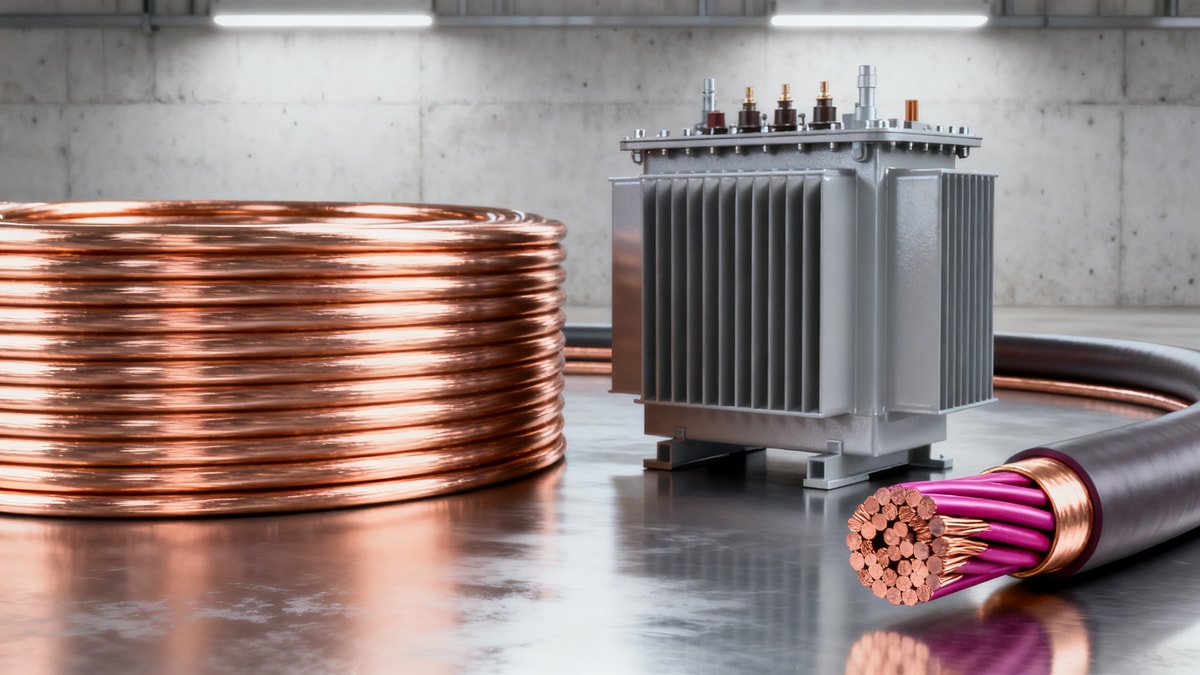
On April 30, 2026, LME copper surged 4.1% to $10,280/ton — its highest level of the year — triggering immediate cost pressures across copper-intensive electrical equipment sectors, including cables & wiring, dry-type transformers, and breakers & relays. Export pricing from China rose 5.2–7.6%, signaling material-level impacts for global procurement, manufacturing, and trade stakeholders.
Event Overview
On April 30, 2026, the London Metal Exchange (LME) copper price closed at $10,280 per metric ton, marking a single-day increase of 4.1% and reaching the highest level recorded in 2026. This movement was driven by supply-side constraints — notably labor action in Chile — and restocking demand across key Asian markets. Publicly reported data confirms corresponding upward adjustments in export quotations for copper-dependent electrical products from China, with average increases ranging from 5.2% to 7.6%.
Industries Affected
Direct trading enterprises: Firms engaged in cross-border export of finished electrical goods face compressed margins as quoted prices rise but downstream contract terms may lag cost adjustments. Pricing renegotiation cycles and lead-time exposure become more consequential.
Raw material procurement enterprises: Buyers of copper cathodes, rods, or recycled scrap must contend with tighter spot availability and higher landed costs. Hedging activity and supplier diversification are under renewed scrutiny.
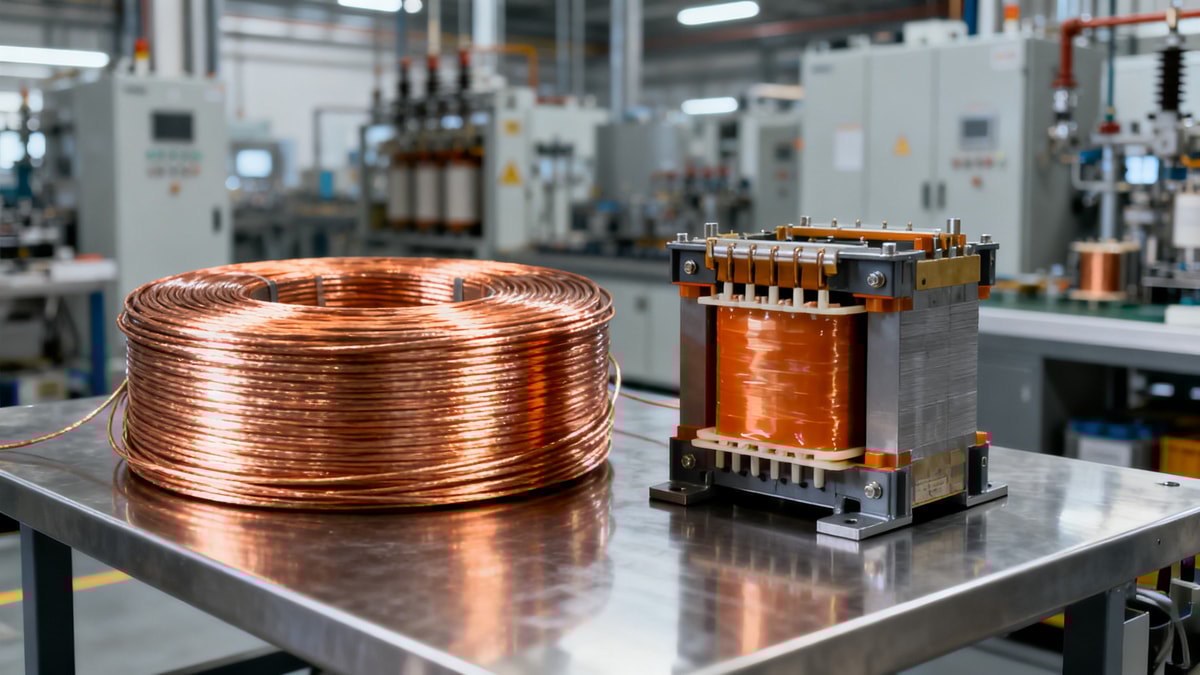
Manufacturing enterprises (cables, transformers, breakers): These firms absorb copper as the dominant raw material input (often 60–80% of BOM value). The 7.6% BOM cost increase directly affects gross margin calculations, production scheduling, and quotation validity windows.
Distribution & channel enterprises: Wholesalers and regional distributors face inventory valuation risk: existing stock purchased pre-surge carries lower cost basis, while replenishment orders reflect higher entry points — potentially widening buy-sell spreads or compressing turnover velocity.
Supply chain service providers: Logistics, customs brokerage, and trade finance entities see increased demand for documentation support related to price-adjustment clauses, origin verification, and LC amendments tied to metal-indexed contracts.
What Enterprises and Practitioners Should Monitor and Do Now
Track official updates on Chilean labor developments and LME inventory trends
Analysis shows that the current price spike is tightly linked to near-term supply disruptions rather than structural deficit. Monitoring official statements from Chilean mining unions and LME warehouse withdrawal rates will help distinguish transient volatility from sustained tightness.
Review copper-indexed clauses in active contracts and upcoming bids
Observably, many transformer and cable supply agreements include copper price adjustment mechanisms. Current practice requires verifying whether triggers have been met, calculating pass-through timing, and documenting baseline reference prices used in those clauses.
Assess exposure across product lines by copper intensity and lead time
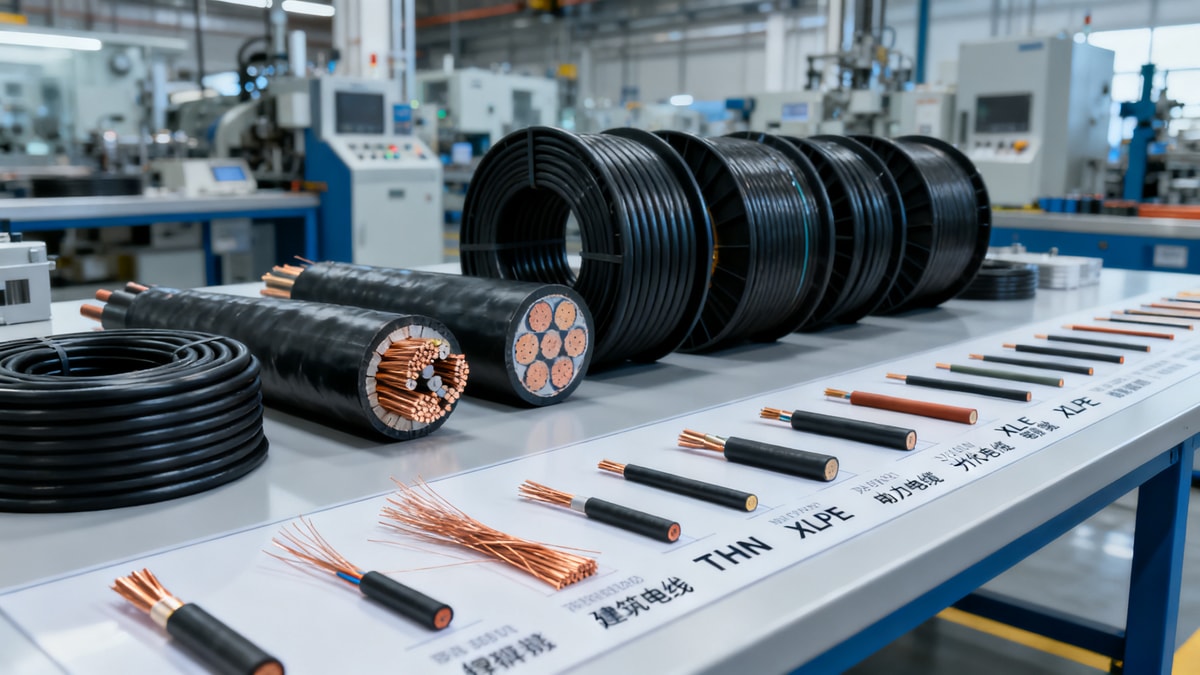
From industry perspective, not all SKUs respond uniformly: low-voltage cables typically have higher copper content per unit revenue than compact breakers. Prioritizing review of high-copper, long-lead items helps allocate working capital and communication resources efficiently.
Prepare internal alignment on revised quoting timelines and approval thresholds
Current more suitable approach is to adjust internal commercial processes: shortening quotation validity periods (e.g., from 30 to 14 days), raising minimum margin thresholds for manual override, and standardizing copper price references (e.g., LME 3-month avg vs. spot) across sales teams.
Editorial Perspective / Industry Observation
This copper price move is best understood as a near-term supply shock with measurable, asymmetric impact — not a broad-based commodity supercycle signal. Analysis shows it reflects localized disruption (Chile) coinciding with seasonal Asian restocking, rather than systemic demand acceleration or mine-grade depletion. Observably, the speed and magnitude of BOM cost transmission (7.6%) suggest limited buffer capacity in upstream fabrication, reinforcing just-in-time dependencies. From industry angle, this event highlights how tightly coupled copper pricing remains to final electrical equipment economics — making real-time metal index tracking increasingly operational, not just strategic.
Conclusion
While the April 30 price surge is factually confirmed and its cost-pass-through effect documented, its duration and broader implications remain contingent on resolution of labor actions and inventory rebalancing in major consuming regions. It is more appropriately interpreted as a tactical procurement and pricing inflection point than a structural market shift — warranting focused operational response, not strategic recalibration.
Information Sources
Main source: London Metal Exchange (LME) daily settlement data, April 30, 2026; publicly reported Chinese export price indices for cables, transformers, and breakers (April 2026).
Items under ongoing observation: Chilean mining labor negotiations, LME copper inventories, and Q2 Asian import data from customs authorities.
Technical Specifications
- ILAC Recognizes CNAS Bearing Vibration ReportsAuthor :Heavy Industry Strategist
- ESMA Mandates EN 14181 QA/QC Level 3 for Industrial Water Sensors in UAEAuthor :Environmental Engineering Director
- JIS T 8201-2026 Enforces New Low-Temp Impact Test for Fire Respirator MasksAuthor :Safety Compliance Lead
Expert Insights

Chief Security Architect
Dr. Thorne specializes in the intersection of structural engineering and digital resilience. He has advised three G7 governments on industrial infrastructure security.
Related Analysis
- May 01, 2026ILAC Recognizes CNAS Bearing Vibration ReportsAuthor :Heavy Industry Strategist
- May 01, 2026ESMA Mandates EN 14181 QA/QC Level 3 for Industrial Water Sensors in UAEAuthor :Environmental Engineering Director
- May 01, 2026JIS T 8201-2026 Enforces New Low-Temp Impact Test for Fire Respirator MasksAuthor :Safety Compliance Lead
Core Sector // 01
Security & Safety
- Copper Price Hits 2026 High, Impacts Cable & Transformer BOM CostsAuthor :Grid Infrastructure Analyst

- SCFI Rises Again: Shanghai–LA Rate Hits $3,920/TEUAuthor :Grid Infrastructure Analyst

- Copper Price Hits 2026 High, Impacts Cable & Transformer BOM CostsAuthor :Grid Infrastructure Analyst

- SCFI Surges 12.3% on Apr 28, 2026: Shanghai–Rotterdam Hits $4,482/TEUAuthor :Grid Infrastructure Analyst

- How to Choose Welding Cables WholesaleAuthor :Grid Infrastructure Analyst

- THHN Building Wire vs XHHW: What ChangesAuthor :Grid Infrastructure Analyst

- Are Solar PV Cables Worth the Higher CostAuthor :Grid Infrastructure Analyst

- How to Vet an OPGW Cable ManufacturerAuthor :Grid Infrastructure Analyst