What Causes Early Failure in Silicone Rubber Cables?
Author
Date Published
Reading Time
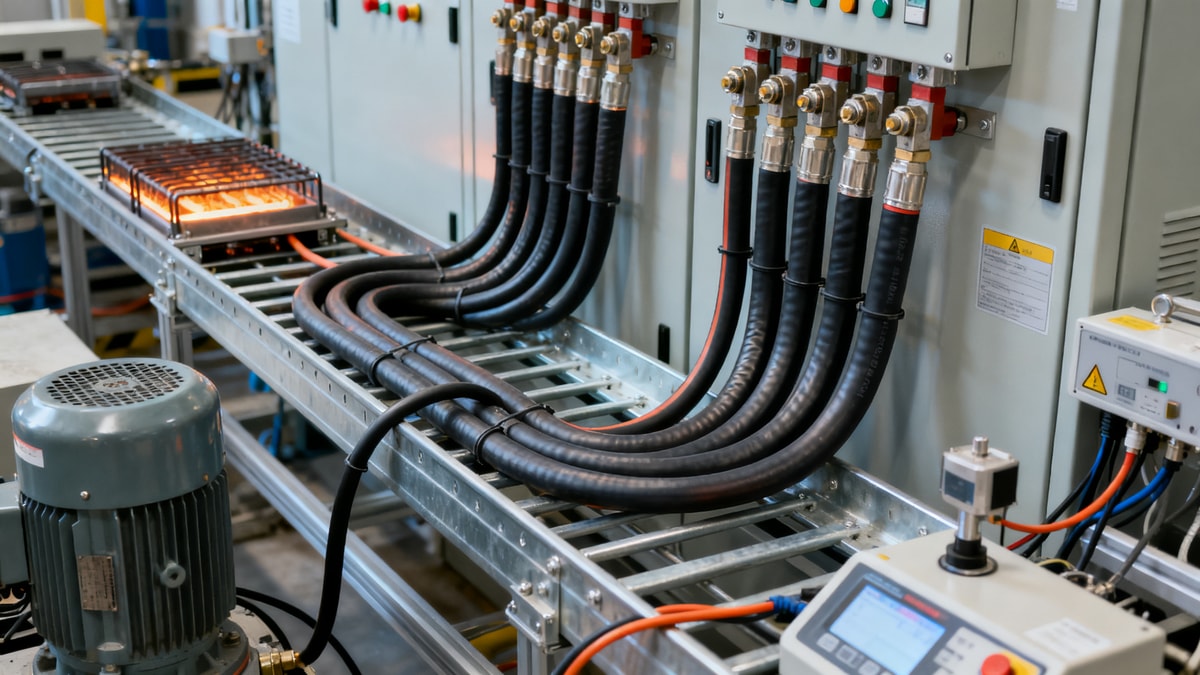
Early failure in silicone rubber cables can turn routine maintenance into costly downtime, safety risks, and repeated repairs. For after-sales maintenance teams, understanding why these cables degrade too soon is essential to preventing recurring faults in demanding industrial environments. This article explores the most common causes of premature failure in silicone rubber cables and highlights what to inspect, test, and correct before small issues escalate.
What silicone rubber cables are and why failure happens earlier than expected
Silicone rubber cables are widely selected for industrial systems because they remain flexible across broad temperature ranges, resist weathering, and perform well in equipment that moves, vibrates, or operates near heat. In theory, that makes them a reliable choice for heaters, motors, sensors, lighting systems, mobile machinery, and power connections in harsh operating areas. In practice, however, many early breakdowns are not caused by the silicone material alone. They result from a mismatch between cable design, installation conditions, mechanical stress, and maintenance habits.
For after-sales maintenance personnel, this distinction matters. If a failed cable is replaced without identifying the real cause, the same fault often returns. A cable may show cracking, hardening, insulation breakdown, conductor breakage, sheath tearing, or intermittent electrical behavior, yet the visible symptom is only the final stage of a longer degradation process. Early failure in silicone rubber cables is therefore best understood as a system-level issue rather than a simple material defect.
Industrial operators are increasingly focused on reliability because modern facilities depend on continuous uptime, safety compliance, and predictable maintenance cycles. In sectors supported by organizations such as Global Industrial Core, where infrastructure performance affects plant safety and operational continuity, even a single recurring cable failure can disrupt instrumentation accuracy, power delivery, or equipment protection. That is why maintenance teams should evaluate cable condition with the same rigor applied to other critical components.
Why silicone rubber cables receive close attention in industrial maintenance
The industrial interest in silicone rubber cables is not only about material performance. It is also about where these cables are used. They often serve in locations with elevated temperatures, motion, vibration, outdoor exposure, or dense routing inside enclosures. These are exactly the conditions where maintenance failures become expensive and difficult to trace. A cable that performs well in laboratory specifications may fail rapidly if real-world bending radius, contamination, or connection strain was ignored.
Another reason for concern is that silicone insulation can be misunderstood. It is excellent for many thermal applications, but it is not automatically superior in every environment. Some maintenance teams assume that because silicone rubber cables tolerate heat, they will also tolerate constant abrasion, oil attack, poor clamping, or uncontrolled torsion. That assumption leads to premature aging and repeated service calls.
Common causes of early failure in silicone rubber cables
Incorrect cable selection for the real environment
One of the most common causes is selecting silicone rubber cables based on only one requirement, usually temperature. A cable may be heat resistant but still unsuitable for oils, solvents, sharp edges, drag-chain motion, UV intensity, or high mechanical load. If the application includes repeated flexing, for example, conductor stranding, sheath design, and bend-life rating become just as important as insulation chemistry.
Maintenance teams should verify the full service profile: continuous operating temperature, minimum temperature during startup, chemical exposure, movement pattern, voltage class, and installation method. A cable chosen for static routing may fail quickly if used in a moving assembly.
Excessive thermal stress and hot spots
Although silicone rubber cables handle high temperatures well, they still have limits. Localized overheating caused by overloaded conductors, poor ventilation, nearby radiant heat, or loose terminals can accelerate insulation aging. The issue is often not the rated ambient temperature but concentrated hot spots at connectors, clamps, or coil sections where heat cannot dissipate properly.
When silicone insulation is exposed to repeated thermal cycling, it may gradually lose elasticity. Over time, this can produce surface cracking, embrittlement, or dielectric weakness. Maintenance staff should therefore inspect not only the cable jacket but also current load, terminal torque, cabinet airflow, and the proximity of the cable to heaters or exhaust zones.
Mechanical abuse during installation or operation
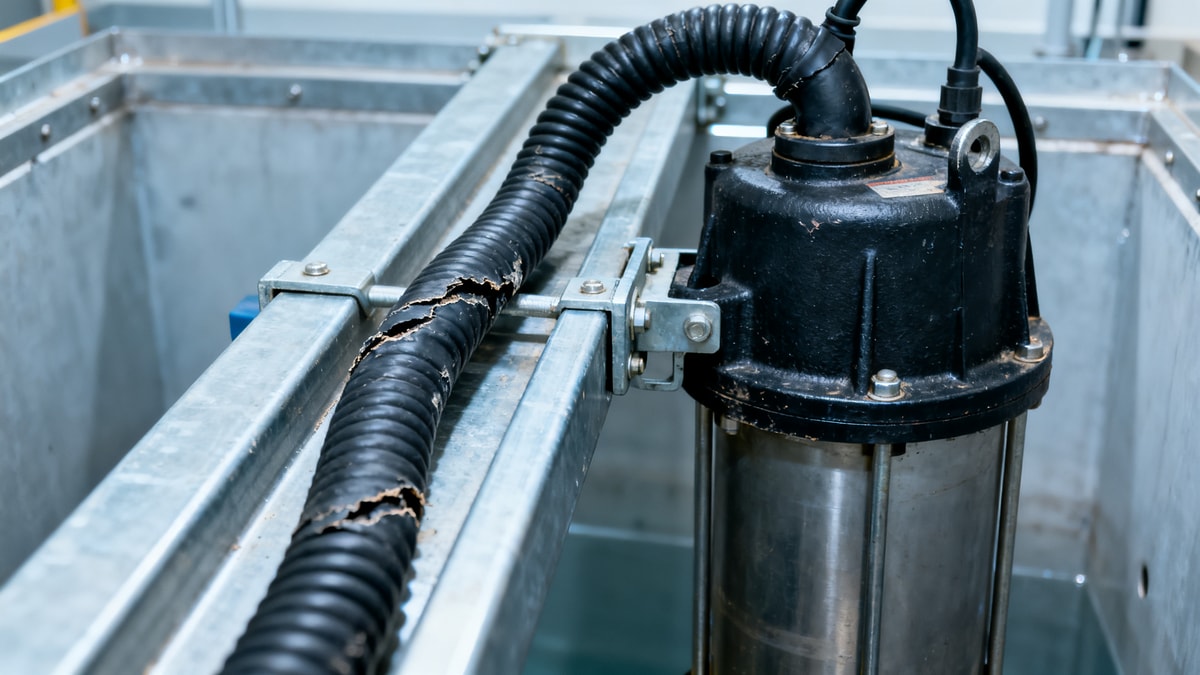
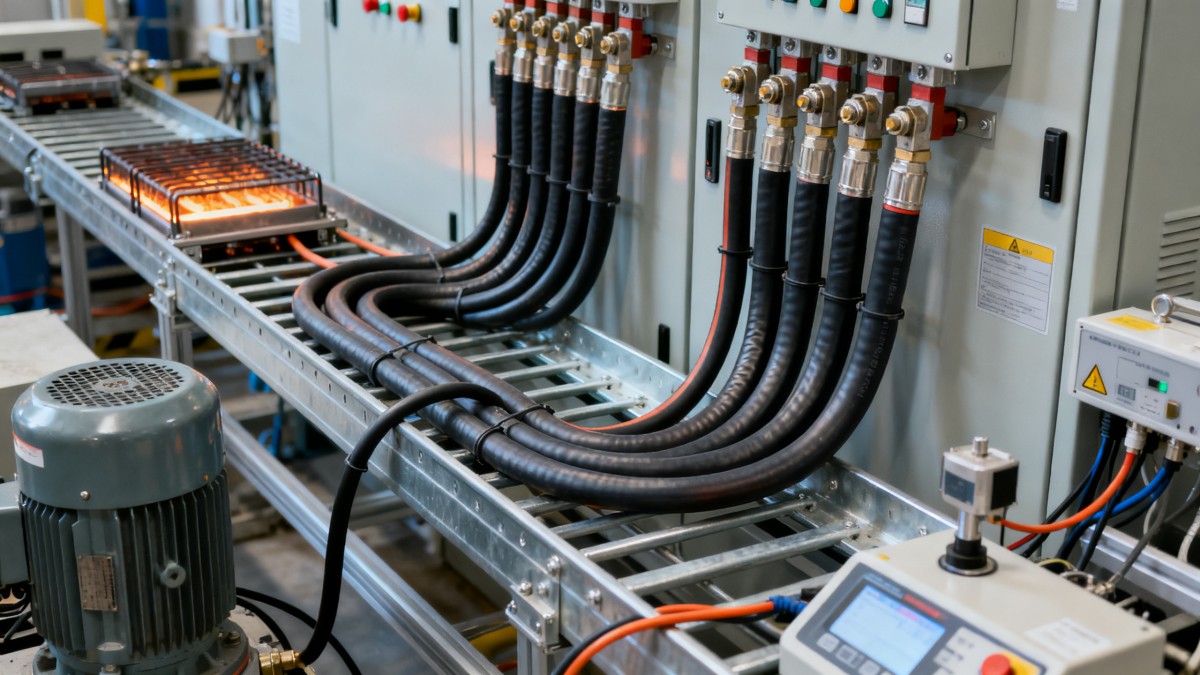
Many silicone rubber cables fail early because of installation damage that remains hidden until the system is in service. Tight bends, pulling force beyond specification, crushing under cable ties, poor gland support, and repeated twisting near entry points can all damage conductors or weaken insulation. In dynamic equipment, unsupported cable length can create continuous flex concentration at one point, eventually leading to broken strands or intermittent faults.
This is especially relevant to after-sales work because the original installation may have been performed by different teams under time pressure. A replacement cable installed into the same routing path without correcting stress points is likely to fail again.
Abrasion, cutting, and surface wear
Silicone rubber cables are flexible, but some constructions are less resistant to abrasion than alternative jacket materials. Contact with metal edges, vibrating trays, rough conduit entrances, or moving machine parts can gradually wear away the sheath. Once the protective surface is compromised, contamination and moisture gain easier access, increasing the risk of insulation failure or conductor corrosion.
Look for polished wear marks, flattened sections, powdery residue, and damage near supports. These signs often appear before electrical testing detects a major problem.
Chemical exposure and environmental contamination
Premature degradation can also come from incompatible chemicals. Depending on formulation, silicone rubber cables may be affected by certain oils, fuels, cleaning agents, acids, alkalis, or process residues. Dust mixed with oil can create a persistent contamination layer, while moisture ingress can worsen tracking or insulation leakage, especially around damaged terminations.
In outdoor or mixed-use facilities, UV exposure, ozone, salt atmosphere, and water pooling may combine with thermal stress to shorten service life. This is why environment mapping should be part of every failure analysis.
Poor termination and connector practices
Even high-quality silicone rubber cables can fail early if the terminations are poorly executed. Common issues include under-crimping, over-crimping, exposed conductor strands, incorrect ferrules, inadequate strain relief, and loose screw terminals. These create resistance heating, vibration fatigue, or insulation creep at the end of the cable, which is often the first point of breakdown.
Because cable failures frequently occur near the connection rather than along the full length, maintenance teams should inspect terminations first before assuming a material problem.
Industrial overview of failure patterns
The table below helps maintenance personnel connect visible symptoms in silicone rubber cables with likely root causes and practical inspection priorities.
Where after-sales maintenance teams gain the most value
Understanding failure patterns in silicone rubber cables has direct operational value. First, it reduces repeat interventions. Instead of replacing the same cable every few months, technicians can address root causes such as unsupported motion, excessive heat, or poor connector design. Second, it improves safety by identifying risks before insulation breakdown leads to shock hazard, equipment damage, or fire exposure. Third, it supports better communication with procurement and engineering teams, allowing future replacements to use more suitable cable constructions and verified compliance data.
For industrial organizations focused on resilience, these lessons also improve lifecycle cost control. A higher-spec cable may not always be necessary, but the correct cable for the actual duty cycle almost always is. Maintenance feedback therefore becomes an important part of sourcing quality and reliability planning.
Practical inspection and testing priorities
When investigating early failure in silicone rubber cables, maintenance teams should follow a structured review rather than relying on visual inspection alone. Start with the failure location. Determine whether the damage is concentrated at a termination, bend point, heat source, or abrasion point. Then compare actual operating conditions with the original cable specification.
- Check conductor load against rated ampacity and confirm no hidden overload condition exists.
- Inspect minimum bend radius, twist, and unsupported movement length.
- Examine cable glands, clamps, ferrules, lugs, and strain relief for installation quality.
- Review nearby contaminants including oil mist, washdown chemicals, dust, and process vapors.
- Perform insulation resistance, continuity, and where relevant, thermal imaging during operation.
- Document recurring patterns across similar machines or panels to identify systemic issues.
This evidence-based approach aligns well with the needs of industrial environments where compliance, uptime, and traceability are critical. It also prevents the common mistake of blaming all failures on the cable supplier when installation and operating conditions were the real problem.
How to prevent premature failure going forward
Prevention begins with a more complete specification process. When selecting silicone rubber cables, include thermal class, chemical resistance, movement requirement, shielding needs, conductor flexibility, and environmental sealing requirements. During installation, enforce proper bend radius, edge protection, and strain relief. During operation, use scheduled inspections to detect early wear around hot zones and moving parts.
It is also wise to connect maintenance findings with sourcing decisions. If repeated failures appear in one application, review whether an alternative sheath, reinforced construction, or different routing method would perform better. In many industrial cases, longer cable life comes not from a single product upgrade but from combining correct cable selection, disciplined installation, and targeted preventive maintenance.
Final takeaway for maintenance teams
Early failure in silicone rubber cables is rarely random. It usually reflects a chain of thermal, mechanical, environmental, or termination-related stresses that can be identified and corrected. For after-sales maintenance teams, the goal is not simply to replace failed cables quickly, but to understand why silicone rubber cables failed before reaching expected service life. That insight reduces downtime, improves safety, and supports smarter decisions across maintenance, engineering, and industrial sourcing. If recurring failures are appearing in your equipment, start with the actual service conditions, inspect the full cable system, and treat every replacement as an opportunity to remove the root cause rather than repeat it.
Technical Specifications
Expert Insights

Chief Security Architect
Dr. Thorne specializes in the intersection of structural engineering and digital resilience. He has advised three G7 governments on industrial infrastructure security.
Related Analysis
- May 02, 2026Chemical Metering Pumps: Which Dosing Errors Cost the Most?Author :Environmental Engineering Director
- May 02, 2026What Sets One Belt Filter Press Manufacturer Apart?Author :Environmental Engineering Director
- May 02, 2026Moving Bed Biofilm Reactor MBBR Retrofit Benefits and LimitsAuthor :Environmental Engineering Director
Core Sector // 01
Security & Safety
- Submersible Pump Cables: Why Jacket Damage Happens EarlyAuthor :Grid Infrastructure Analyst

- Wholesale Cable Trays: Steel or Aluminum for Corrosive Areas?Author :Grid Infrastructure Analyst

- Marine Cables Wholesale: Which Certifications Actually Matter?Author :Grid Infrastructure Analyst

- Teflon PTFE Wires in High Heat: Where They Really HelpAuthor :Grid Infrastructure Analyst

- What Causes Early Failure in Silicone Rubber Cables?Author :Grid Infrastructure Analyst

- Copper Price Surges 4.1% to Record High in 2026; Impacts BOM Costs for Cable & Transformer MakersAuthor :Grid Infrastructure Analyst

- Copper Price Hits 2026 High, Impacts Cable & Transformer BOM CostsAuthor :Grid Infrastructure Analyst

- SCFI Rises Again: Shanghai–LA Rate Hits $3,920/TEUAuthor :Grid Infrastructure Analyst