
SCFI Surges 12.3% on Apr 28, 2026: Shanghai–Rotterdam Hits $4,482/TEU
Author
Date Published
Reading Time

On April 28, 2026, the Shanghai Containerized Freight Index (SCFI) rose 12.3% in a single day to 4,218 points — with the Shanghai–Rotterdam route reaching $4,482 per TEU, the highest level since October 2025. This development warrants close attention from exporters of industrial equipment, heavy machinery, capital goods, and other high-value cargo, as it signals rising ocean freight costs and heightened schedule volatility affecting procurement planning and FOB negotiations.
Event Overview
The Shanghai Export Containerized Freight Index (SCFI) increased by 12.3% on April 28, 2026, closing at 4,218 points. The spot rate for the Shanghai–Rotterdam container shipping lane was reported at $4,482 per TEU — the highest since October 2025. According to publicly available data, this surge is attributed to the normalization of Red Sea rerouting and concentrated Q2 infrastructure project starts across Europe, resulting in sustained container vessel capacity tightness through mid-May 2026.
Which Sub-Sectors Are Affected
Direct Exporters (FOB Sellers)
Exporters quoting FOB terms face immediate pressure on margin and competitiveness: higher ocean freight costs borne by buyers may trigger renegotiation requests or order delays. Since the SCFI reflects market-driven spot rates, not long-term contract rates, FOB sellers must anticipate buyer pushback on pricing stability and delivery timelines.
Industrial Equipment & Heavy Component Manufacturers
Manufacturers shipping large, high-value items (e.g., turbines, transformers, construction cranes) are especially exposed: these cargoes often require specialized equipment (e.g., flat-rack, open-top containers) and longer booking lead times. Rising spot rates and scarce capacity increase both landed cost uncertainty and risk of shipment postponement — directly impacting revenue recognition and production scheduling.
Global Procurement & Sourcing Teams
Buyers sourcing from China into European markets face compressed lead times and less predictable transit durations. With vessel space constrained through mid-May, procurement teams may encounter extended booking windows and limited carrier options — reducing flexibility in inventory replenishment and increasing reliance on safety stock or air-freight fallbacks for urgent components.
Freight Forwarders & NVOCCs
Forwarders managing spot bookings for clients face tighter margins and greater operational complexity. Capacity scarcity amplifies the challenge of securing confirmed sailings, while volatile index movements complicate rate quotation cycles and client communication. Real-time monitoring of port-specific congestion and carrier allocation policies becomes more critical than routine benchmarking.
What Relevant Companies or Practitioners Should Monitor and Do Now
Track SCFI updates alongside carrier-specific capacity announcements
While SCFI provides a broad market signal, actual availability varies by carrier, vessel type, and port pair. Monitor weekly updates from major carriers (e.g., Maersk, MSC, CMA CGM) regarding blank sailings, slot allocations, and service adjustments on the Far East–North Europe corridor — particularly for 40’ HC and flat-rack units.
Review near-term contracts and FOB clauses for freight cost pass-through mechanisms
Assess whether existing sales agreements include provisions for freight cost escalation or force majeure triggers linked to routing changes (e.g., Red Sea bypass). Where absent, consider adding temporary addenda for orders scheduled for May–June 2026 shipments.
Prioritize booking confirmation over rate optimization for May departures
Given documented capacity constraints through mid-May, early and firm booking — even at premium rates — reduces the risk of missed sailings or cargo roll-overs. Delayed bookings may result in extended wait times or forced consolidation with less reliable partners.
Validate inland transport and terminal readiness in origin ports
Red Sea rerouting has increased vessel dwell time at key transshipment hubs (e.g., Singapore, Colombo), indirectly extending end-to-end transit duration. Confirm that origin terminals (e.g., Yangshan, Ningbo) have sufficient gate capacity and documentation turnaround speed to avoid pre-carriage delays that compound ocean leg uncertainty.
Editorial Perspective / Industry Observation
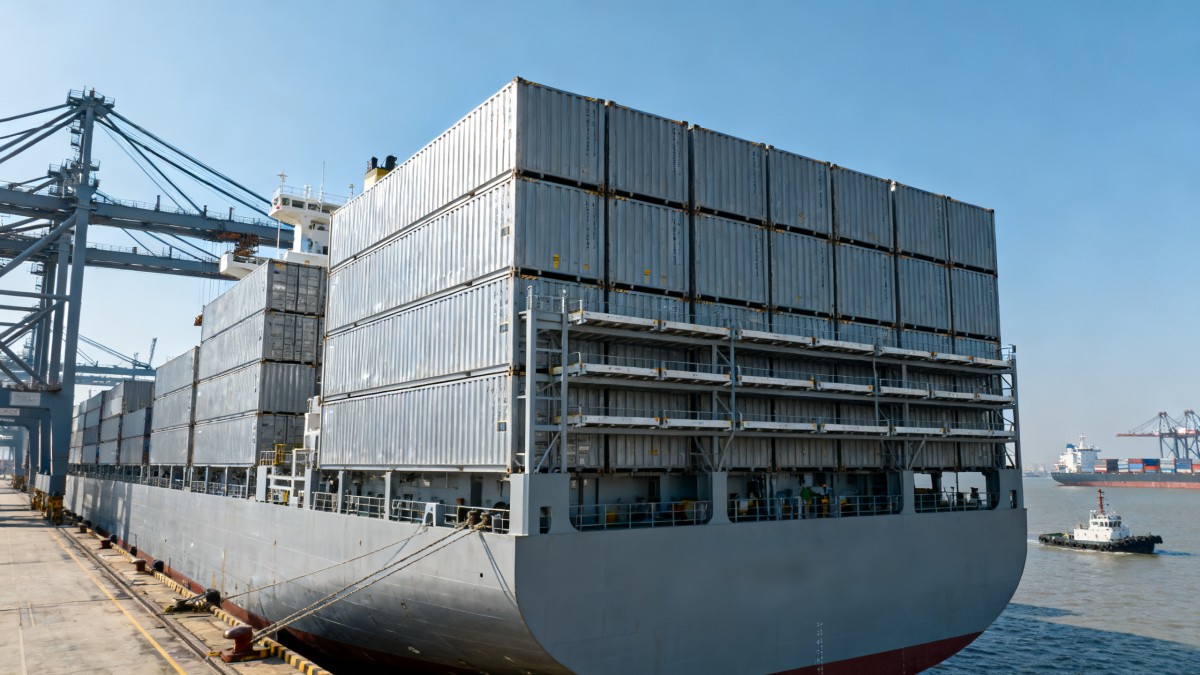
Observably, this SCFI jump is less an isolated spike and more a structural inflection point reflecting persistent supply-demand imbalance on the Asia–Europe lane. Analysis shows the Red Sea reroute is no longer a short-term contingency but a de facto operating condition — now converging with seasonal European demand peaks. From an industry perspective, this suggests the current freight environment is shifting from cyclical volatility toward sustained cost and timing pressure for high-weight, low-volume cargo segments. It is better understood as a signal of evolving baseline conditions rather than a transient anomaly — meaning businesses should treat it as a reference point for 2026 Q2 logistics budgeting and contract design, not merely a headline to monitor.
Conclusion
This SCFI movement does not indicate a broad-based recovery in global container shipping demand, but rather highlights acute pressure on specific trade lanes serving capital-intensive industries. Its significance lies in how it reshapes cost expectations and execution reliability for time-sensitive, high-value exports to Europe — making it a practical benchmark for procurement timing, contract negotiation, and capacity reservation strategy. Currently, it is more appropriately understood as a directional marker of constrained capacity and elevated baseline costs, rather than a short-lived price shock.
Source Attribution
Main source: Shanghai Shipping Exchange (SSE) official SCFI data release dated April 28, 2026.
Noted for ongoing observation: Carrier capacity allocation patterns and European port dwell time reports — to be tracked through May 2026 for confirmation of sustained tightness.
Technical Specifications
- 6th National Auto Standards Committee Launched, Impacts Optical Test Equipment ExportAuthor :Precision Metrology Expert
- Copper Price Surge Impacts Industrial Components BOM CostsAuthor :Grid Infrastructure Analyst
- EU CE Update: ULPA Filters Require MVR Testing from Jan 2027Author :Environmental Engineering Director
Expert Insights

Chief Security Architect
Dr. Thorne specializes in the intersection of structural engineering and digital resilience. He has advised three G7 governments on industrial infrastructure security.
Related Analysis
- Apr 29, 20266th National Auto Standards Committee Launched, Impacts Optical Test Equipment ExportAuthor :Precision Metrology Expert
- Apr 29, 2026Copper Price Surge Impacts Industrial Components BOM CostsAuthor :Grid Infrastructure Analyst
- Apr 29, 2026EU CE Update: ULPA Filters Require MVR Testing from Jan 2027Author :Environmental Engineering Director
Core Sector // 01
Security & Safety
- SCFI Surges 12.3% on Apr 28, 2026: Shanghai–Rotterdam Hits $4,482/TEUAuthor :Grid Infrastructure Analyst

- How to Choose Welding Cables WholesaleAuthor :Grid Infrastructure Analyst

- THHN Building Wire vs XHHW: What ChangesAuthor :Grid Infrastructure Analyst

- Are Solar PV Cables Worth the Higher CostAuthor :Grid Infrastructure Analyst

- How to Vet an OPGW Cable ManufacturerAuthor :Grid Infrastructure Analyst

- When Does ADSS Fiber Cable Make More SenseAuthor :Grid Infrastructure Analyst

- What to Check Before Buying Fiber Optic Cables WholesaleAuthor :Grid Infrastructure Analyst

- Where Unshielded Control Cables Work BestAuthor :Grid Infrastructure Analyst