How to Compare XLPE Power Cables Fairly
Author
Date Published
Reading Time
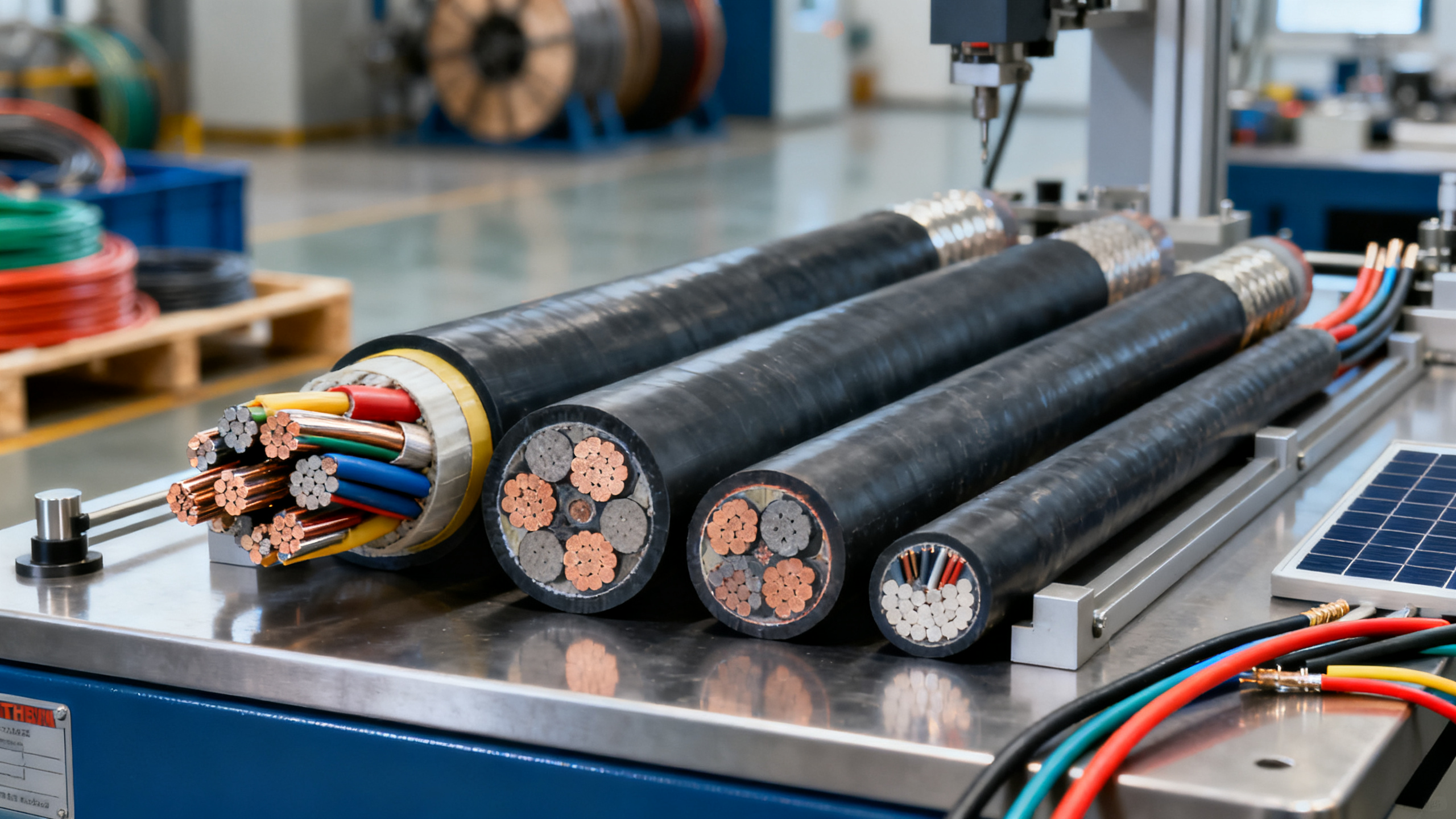
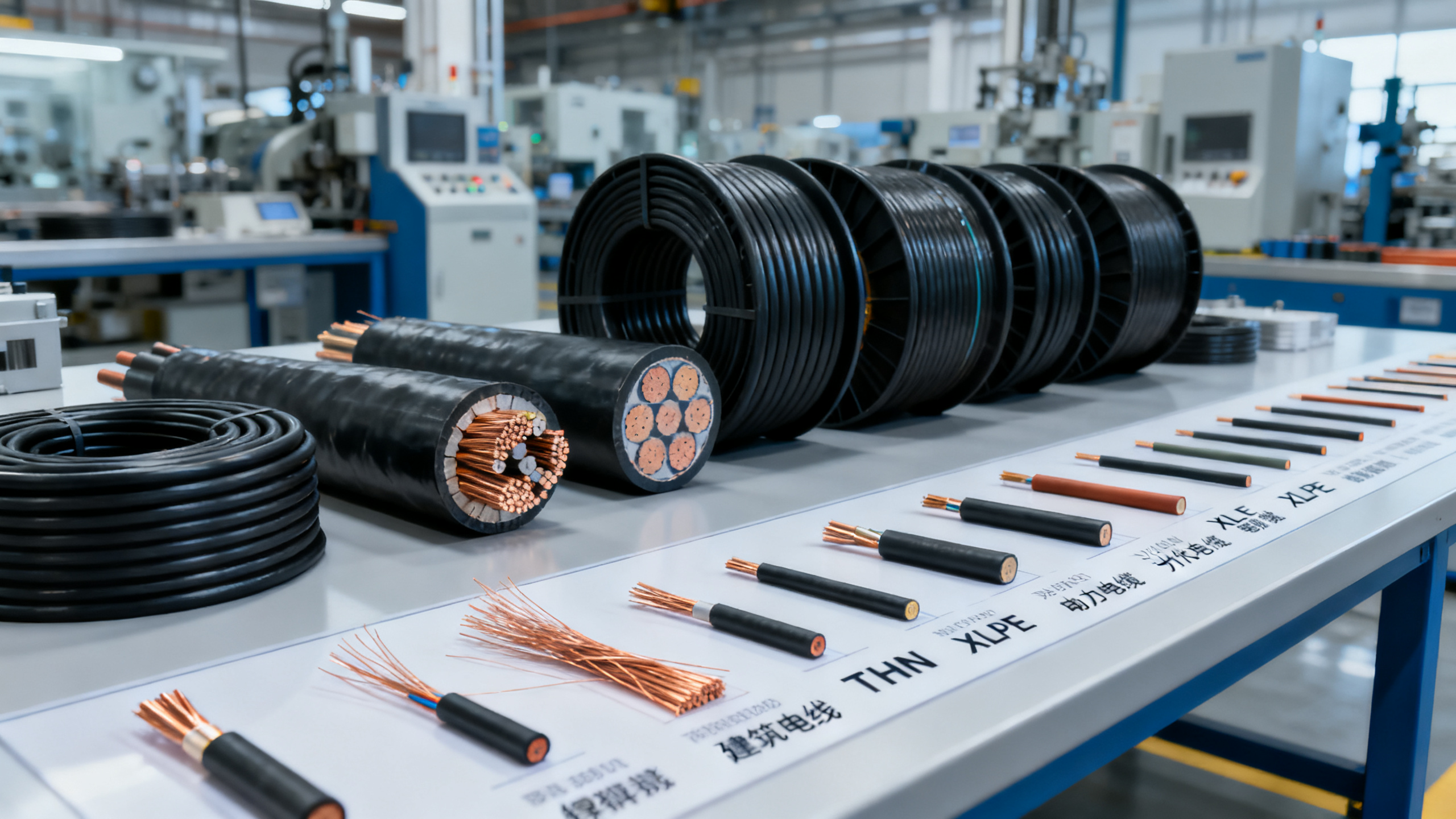
Comparing xlpe power cables fairly means looking beyond price to insulation grade, conductor quality, certification, installation environment, and lifecycle performance. Whether you source wholesale electrical cables, evaluate xlpe swa pvc cable options, or compare related products like thhn building wire and solar pv cables, a structured benchmark helps buyers, engineers, and decision-makers reduce risk and choose cables that truly match project demands.
In industrial procurement, a cable is not just a commodity. It is a long-life asset that influences safety, uptime, maintenance intervals, and installation cost over 10–30 years of service. A fair comparison method is essential for EPC contractors, plant operators, procurement teams, and executives who must balance compliance, operating conditions, and total ownership cost.
This guide outlines a practical framework for comparing XLPE power cables across technical, commercial, and operational dimensions. It also shows when XLPE should be benchmarked against adjacent products such as THHN building wire or solar PV cables, and when those comparisons become misleading because the application duty is fundamentally different.
Start with an Apples-to-Apples Comparison Framework
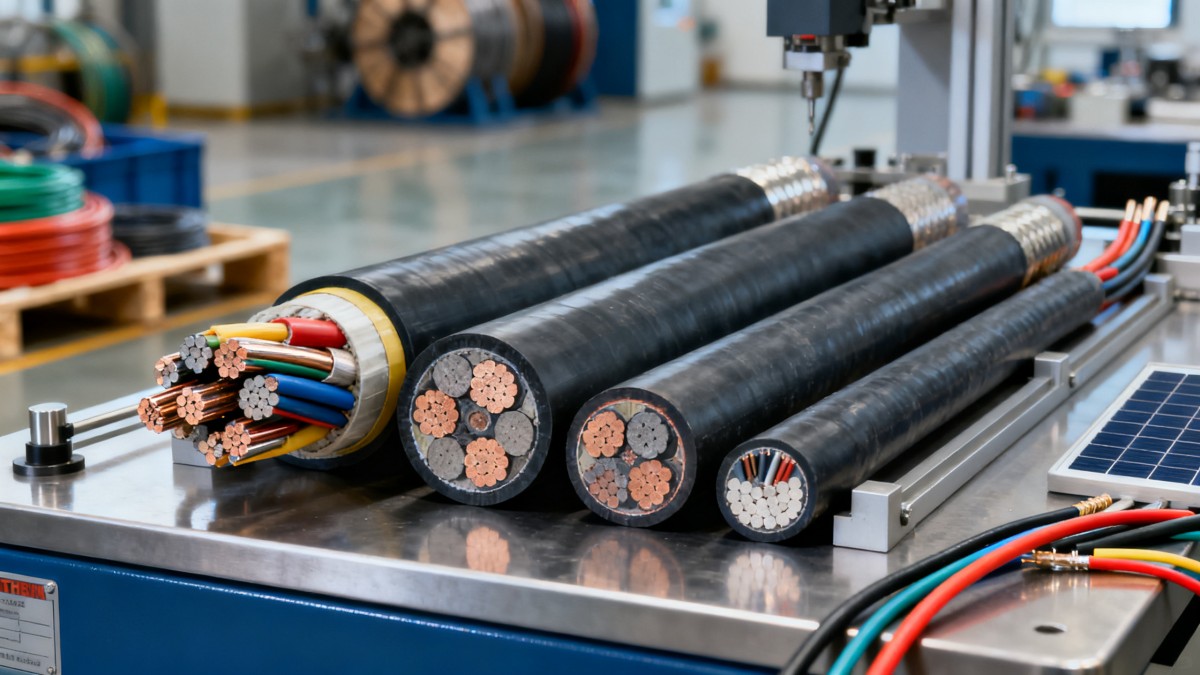
The first rule in comparing XLPE power cables fairly is to define the duty profile before comparing quotations. A 0.6/1 kV cable for building distribution should not be assessed by the same criteria as a medium-voltage feeder, nor should a fixed-installation armored cable be benchmarked directly against flexible wiring products. At minimum, buyers should align 5 variables: voltage class, conductor material, insulation system, sheath construction, and installation environment.
XLPE, or cross-linked polyethylene, is widely selected because it offers higher thermal performance than many conventional thermoplastics. In many common industrial designs, XLPE-insulated cables are rated for 90°C conductor operating temperature, with short-circuit limits that may reach 250°C for 5 seconds depending on standard and construction. That single difference can significantly affect ampacity, derating, and route density inside trays or ducts.
A fair benchmark should also separate cable price from installed cost. Two products may differ by only 8%–15% in unit price, yet one may require a larger bending radius, more complex termination kits, or heavier pulling equipment. In a large industrial site with 2 km to 10 km of cable routes, those installation differences can outweigh the initial material delta.
For procurement teams, it helps to lock the comparison into a defined checklist instead of relying on sales descriptions. The goal is not to find the cheapest line item, but the most suitable cable for the actual thermal, mechanical, and regulatory conditions of the project.
Core criteria that should always be matched
- Voltage rating, such as 0.6/1 kV, 6/10 kV, or 8.7/15 kV
- Conductor type and class, including copper or aluminum and stranded construction
- Insulation and sheath materials, such as XLPE, PVC, LSZH, or PE
- Armoring needs, including SWA or non-armored designs for tray, duct, or direct burial use
- Relevant standards and test requirements, including IEC, BS, UL, or local grid specifications
The table below gives a practical starting point for scoping a fair comparison across common industrial cable categories.
The key takeaway is simple: if any of these baseline factors differ, the quotation is not directly comparable. Many sourcing errors begin when teams compare unlike cable constructions and then treat the price gap as a purchasing advantage.
Evaluate the Technical Factors That Actually Drive Performance
Once the scope is aligned, the next step is to examine the technical details that determine how the cable performs over time. XLPE cable quality is not defined by insulation material alone. Buyers should review conductor purity and compaction, insulation eccentricity, sheath consistency, moisture resistance, flame performance, and operating temperature under actual grouping and ambient conditions.
Conductor quality is especially important in medium and large cross-sections such as 70 mm², 185 mm², or 400 mm². Poor strand uniformity can complicate termination, while dimensional inconsistency can affect lug crimping and heat generation at connection points. Even when two cables share the same nominal size, practical installation behavior may differ significantly if manufacturing tolerance is poorly controlled.
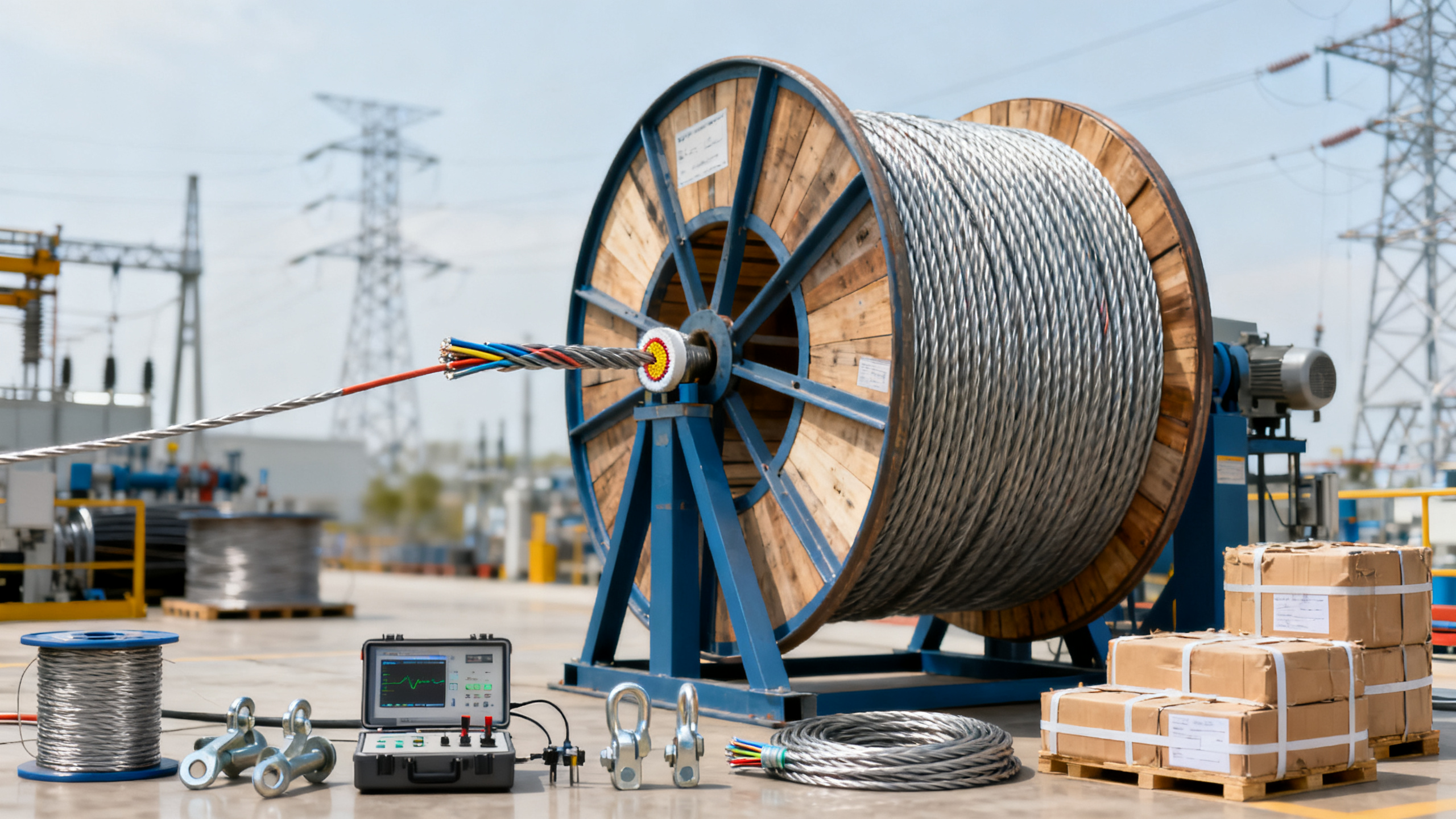
Insulation and sheath design must also fit the route. For example, XLPE SWA PVC cable may be suitable for outdoor exposure, underground burial, or areas where impact resistance matters. However, in enclosed public or high-occupancy areas, buyers may prefer low-smoke halogen-free outer sheath options if local codes or project specifications require reduced smoke and corrosive gas emission during fire events.
Temperature and derating are frequent blind spots. A cable rated at 90°C does not automatically deliver the same current in every installation. Ambient temperature above 40°C, multiple circuits in one tray, soil thermal resistivity, and conduit crowding can reduce usable ampacity by 10%–30% or more. Fair comparison therefore means comparing corrected ampacity, not just catalog ampacity.
Technical questions procurement and engineering should ask
- What standard governs the construction and testing of the offered cable?
- What is the normal operating temperature, and what short-circuit limit applies?
- Is the conductor copper or aluminum, compacted or non-compacted?
- What is the minimum bending radius during installation?
- Is the cable intended for tray, conduit, direct burial, or UV-exposed outdoor use?
When comparison with THHN and solar PV cable is useful
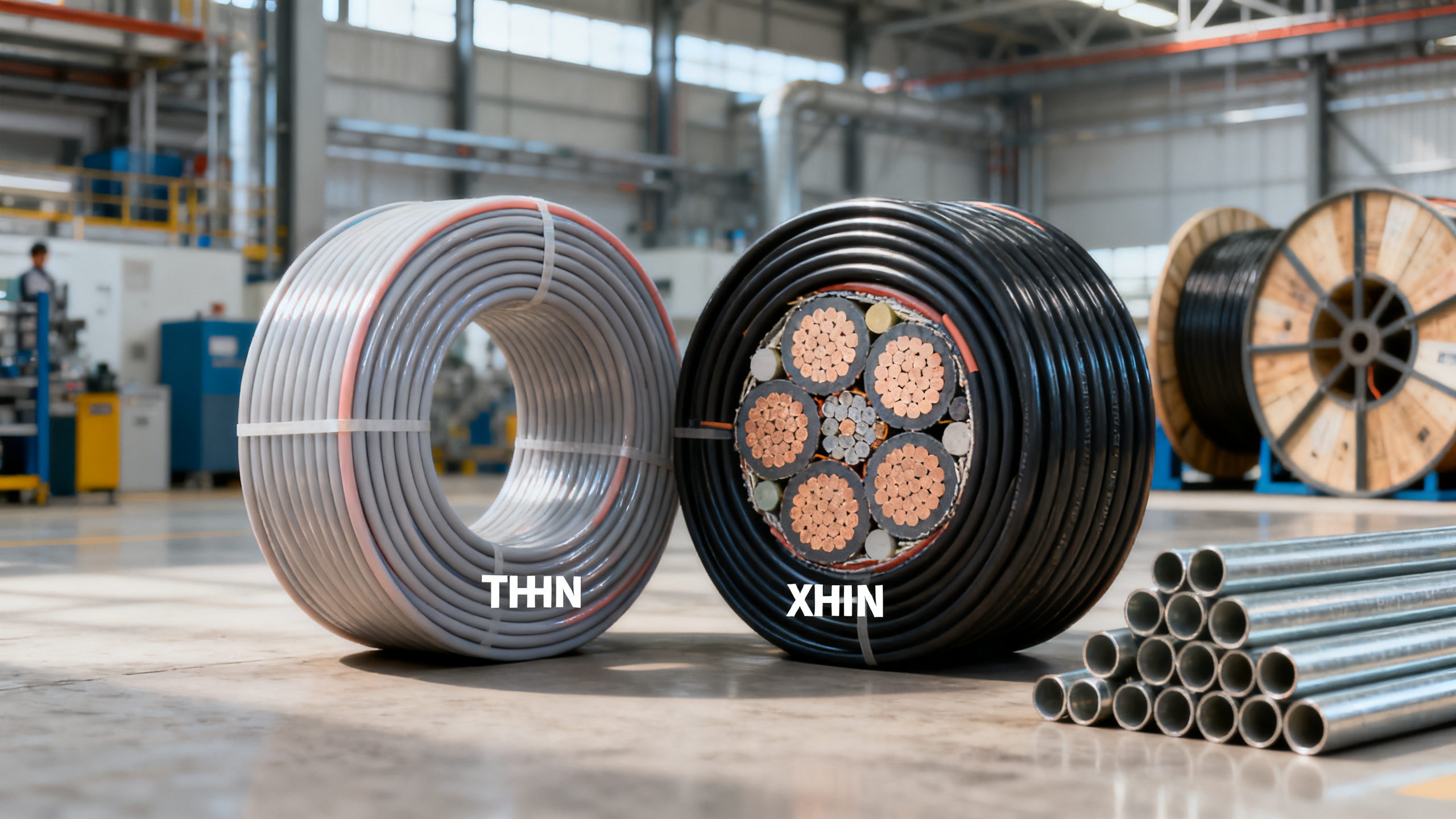
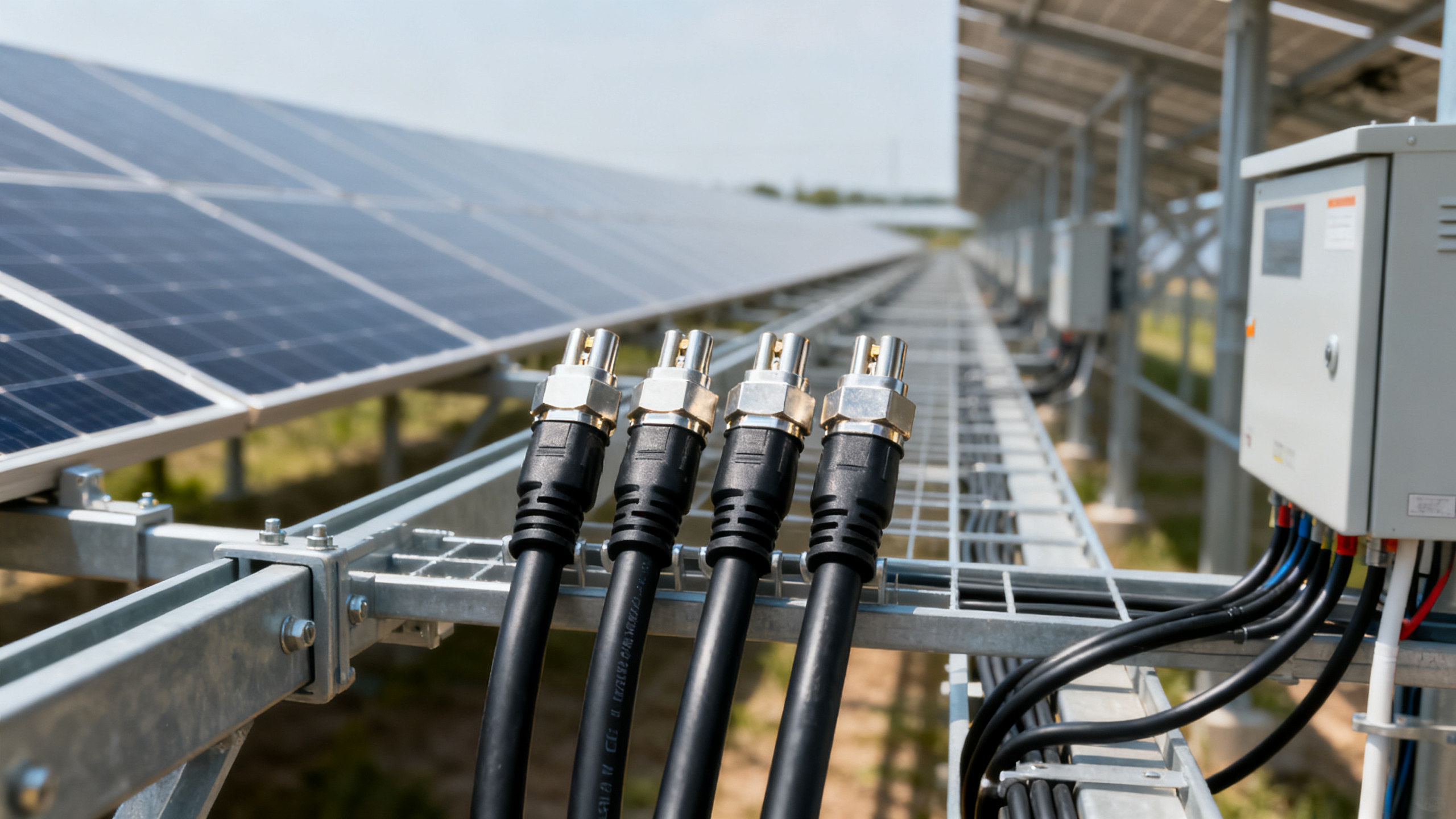
THHN building wire and solar PV cables can be useful reference points when a project team is comparing thermal class, insulation expectations, or route economics. But they serve different duty models. THHN is often used in conduit-based building wiring systems, while solar PV cable is engineered for UV exposure, ozone resistance, and long-term rooftop or outdoor DC service. They should inform selection logic, not replace a true XLPE power cable comparison matrix.
The practical lesson is that product families overlap in some specifications but diverge in application risk. If your site includes substations, motor feeders, process plants, or buried utility corridors, the comparison must stay anchored in power cable construction and route conditions rather than generic wire pricing.
Use Installation Environment and Service Life as Major Decision Filters
A cable that looks economical on paper may become a weak choice once the installation environment is defined. Industrial projects routinely expose cables to oil mist, moisture ingress, vibration, rodent risk, chemical splash, UV radiation, and seasonal temperature swings from -15°C to 50°C or higher depending on geography. Fair comparison must therefore assess where the cable will operate for the next 15–25 years, not just how it performs in a datasheet snapshot.
Armored and non-armored XLPE cables often get compared purely on price per meter. That is too narrow. Steel wire armored constructions increase weight and pulling load, but they can reduce damage risk in trench, outdoor, and mechanically exposed routes. In contrast, a non-armored cable installed in protected trays may lower installation effort and simplify handling. The right answer depends on route hazard, not preference alone.
Environmental conditions also affect sheath selection. PVC remains common because it is cost-effective and widely available, but some projects require LSZH or PE-based alternatives. In tunnels, transport hubs, data-heavy industrial campuses, or enclosed process areas, smoke density and corrosive gas release may be critical specification points. For offshore-adjacent, solar-exposed, or chemically aggressive settings, extra emphasis should be placed on UV and chemical resistance.
The table below helps buyers map cable construction to common industrial environments without assuming that one design fits every route.
The practical conclusion is that service environment should be weighted as heavily as conductor size or insulation type. A fair cable comparison always links product design to the exact route, hazard profile, and maintenance philosophy of the facility.
Common mistakes in route-based comparison
- Using catalog ampacity without correcting for 3, 6, or 9 grouped circuits
- Assuming armoring is mandatory on all outdoor routes without reviewing actual mechanical exposure
- Ignoring termination space and bending radius in compact switch rooms
- Comparing cables with different fire-performance expectations under the same price target
Check Compliance, Documentation, and Supplier Consistency Before Price Ranking
In industrial sourcing, a technically acceptable sample is not enough. A fair comparison must include documentation quality, manufacturing consistency, and the supplier’s ability to support repeat orders. This becomes more important when projects are phased over 6–18 months and cables must match earlier deliveries in construction, markings, and test documentation.
Compliance review should be practical and document-led. Buyers should confirm the governing standard, routine test coverage, conductor material declaration, dimensional tolerances, and labeling format. For many projects, cable drum marking, batch traceability, and packing protection are not secondary details. They affect warehouse control, installation sequencing, and dispute resolution if damage or mismatch appears on site.
Lead time is another area where fair comparison often breaks down. One supplier may quote a low unit price but require 8–10 weeks for large-section armored cable, while another may deliver in 3–5 weeks from stock-supported production. If shutdown schedules, energization windows, or milestone penalties are involved, delivery reliability can matter more than a narrow material saving.
For procurement teams handling wholesale electrical cables, it is useful to formalize the bid review process so that engineering, quality, and logistics each contribute weighted inputs. A structured scorecard reduces the risk of approving a cable that fits the budget but undermines commissioning or lifecycle reliability.
A simple 4-part supplier review model
1. Technical conformity
Check whether the offered cable matches the requested voltage, conductor size, insulation system, sheath, and route suitability without substitutions hidden in footnotes.
2. Documentation readiness
Confirm availability of datasheets, test reports, declarations, and marking examples before purchase order release, not after shipment.
3. Delivery capability
Review realistic production and shipping windows, especially for custom lengths, large drums, and project-specific packaging.
4. After-sales support
Ensure the supplier can respond quickly to site queries on gland selection, bending radius, jointing practice, and replacement logistics.
When these 4 areas are reviewed together, procurement moves from price comparison to risk-managed sourcing. That is especially valuable in infrastructure, utilities, manufacturing plants, and other environments where cable failure is expensive to investigate and disruptive to repair.
Build a Lifecycle Cost View Instead of a Quote-Only Decision
The most balanced way to compare XLPE power cables is to calculate lifecycle value. This does not require complex financial modeling. Even a practical review of 6 cost categories can improve decision quality: purchase price, freight and drum handling, installation labor, accessories and terminations, expected maintenance exposure, and failure consequence. In many industrial settings, a single unplanned outage can exceed the saving achieved by selecting a lower-grade cable.
For example, choosing a lower-cost cable with tighter installation limits may increase pulling time, require route modification, or cause rework at termination points. Likewise, using a sheath unsuited to UV or chemical exposure can shorten the service window and bring forward replacement by several years. Over a 20-year horizon, those effects are more meaningful than a modest difference in ex-works price.
Decision-makers should also consider spare strategy. Standardized cable selections across multiple assets can reduce spare-holding complexity, shorten response time during maintenance, and simplify technician training. Where a facility operates 24/7, the value of standardization can be operationally significant even if the upfront quote is not the lowest.
The decision matrix below is a useful final checkpoint before award.
A quote-only decision may appear efficient, but it usually ignores the real economics of ownership. A lifecycle view creates a more reliable basis for engineering approval, procurement negotiation, and executive sign-off.
Practical final checklist before purchase order
- Confirm the offered cable matches the exact application and route condition
- Review corrected ampacity under actual ambient and grouping conditions
- Check required certifications and routine test documentation
- Validate installation constraints, accessories, and termination compatibility
- Compare total delivered value, not only price per meter
Fairly comparing XLPE power cables means aligning duty, construction, compliance, installation conditions, and lifecycle economics before ranking suppliers. That approach helps information researchers filter claims, helps operators avoid route mismatches, helps procurement teams control commercial risk, and gives business decision-makers a stronger basis for long-term asset performance.
If you need a structured benchmark for wholesale electrical cables, XLPE SWA PVC cable options, or adjacent cable categories used in industrial projects, Global Industrial Core can help you assess specifications, procurement criteria, and sourcing risk with greater precision. Contact us to discuss your application, request a tailored comparison framework, or explore more industrial power and infrastructure solutions.
Expert Insights

Chief Security Architect
Dr. Thorne specializes in the intersection of structural engineering and digital resilience. He has advised three G7 governments on industrial infrastructure security.
Related Analysis
Core Sector // 01
Security & Safety
- How to Choose Welding Cables WholesaleAuthor :Grid Infrastructure Analyst

- THHN Building Wire vs XHHW: What ChangesAuthor :Grid Infrastructure Analyst

- Are Solar PV Cables Worth the Higher CostAuthor :Grid Infrastructure Analyst

- How to Vet an OPGW Cable ManufacturerAuthor :Grid Infrastructure Analyst

- When Does ADSS Fiber Cable Make More SenseAuthor :Grid Infrastructure Analyst

- What to Check Before Buying Fiber Optic Cables WholesaleAuthor :Grid Infrastructure Analyst

- Where Unshielded Control Cables Work BestAuthor :Grid Infrastructure Analyst

- Armored Cables Wholesale: Common Buying MistakesAuthor :Grid Infrastructure Analyst