XLPE SWA PVC Cable: What to Know First
Author
Date Published
Reading Time
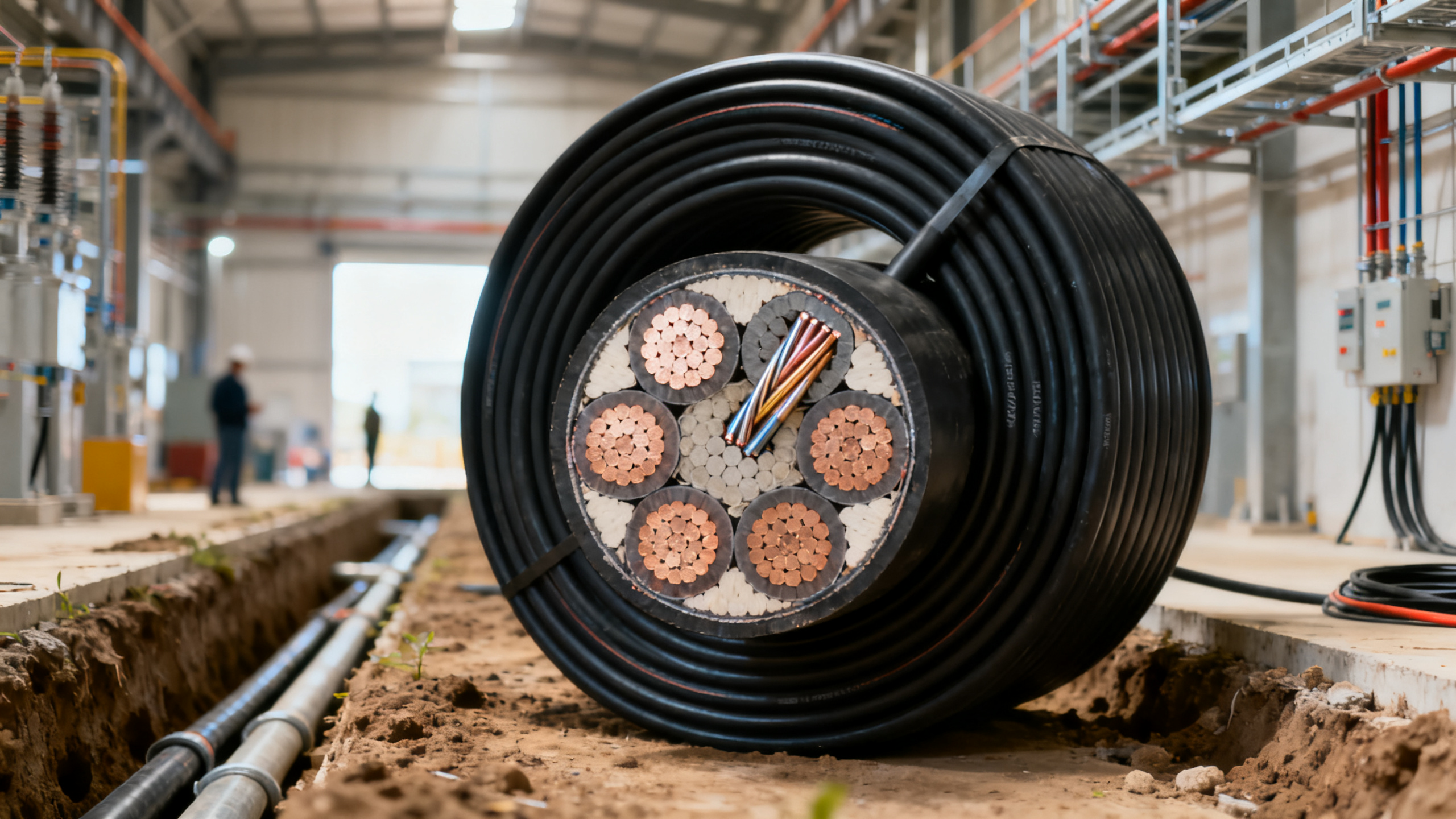
Choosing the right XLPE SWA PVC cable is not just about matching voltage and conductor size. For industrial buyers, EPC teams, and facility operators, the first questions should be: is this cable suitable for the installation environment, does it meet the required standards, and will it deliver the mechanical protection, electrical performance, and service life the project demands? In many cases, XLPE SWA PVC cable is a strong choice for fixed power distribution where durability and protection matter. But it is not automatically the right answer for every site, every temperature range, or every compliance framework.
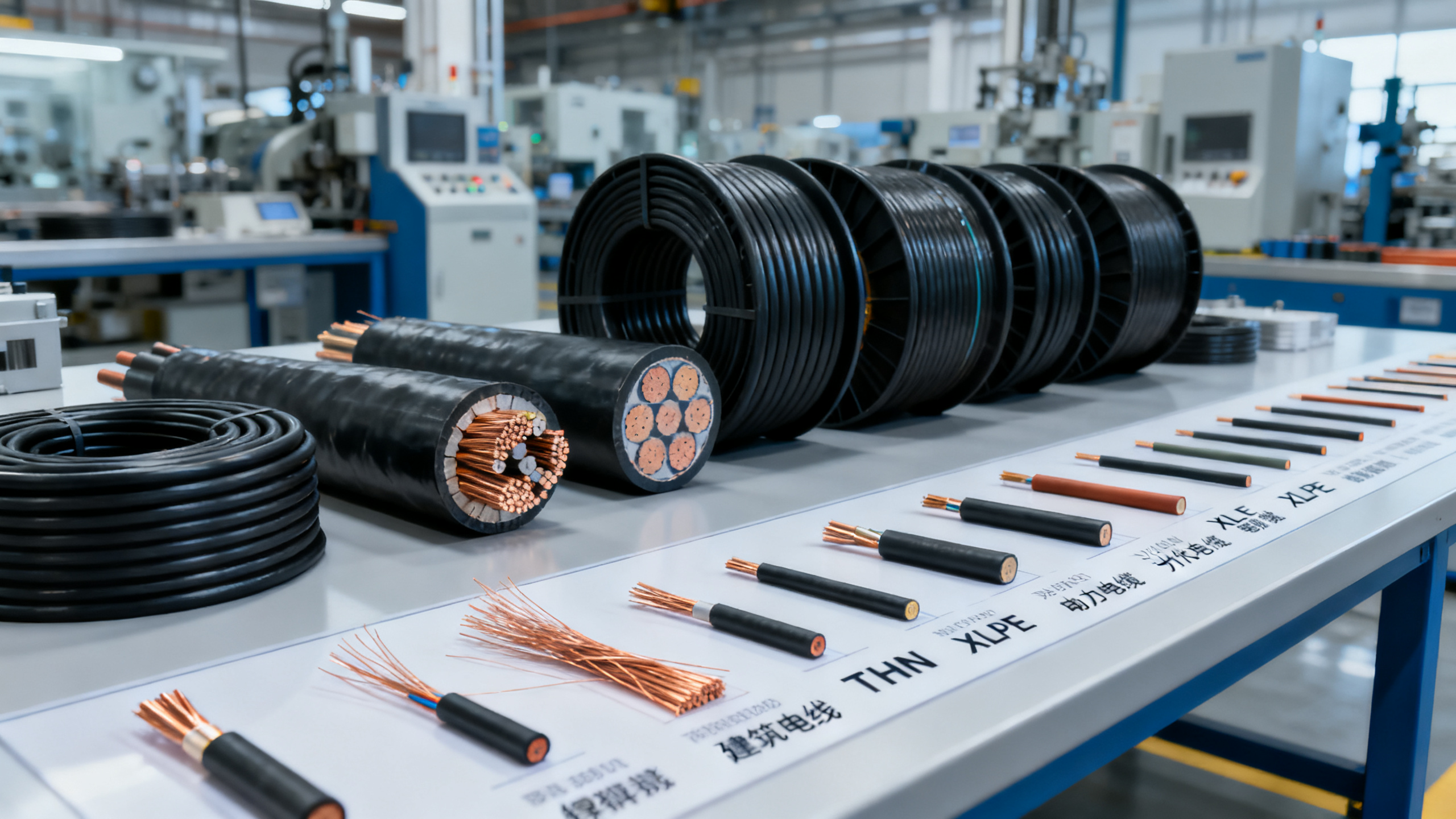
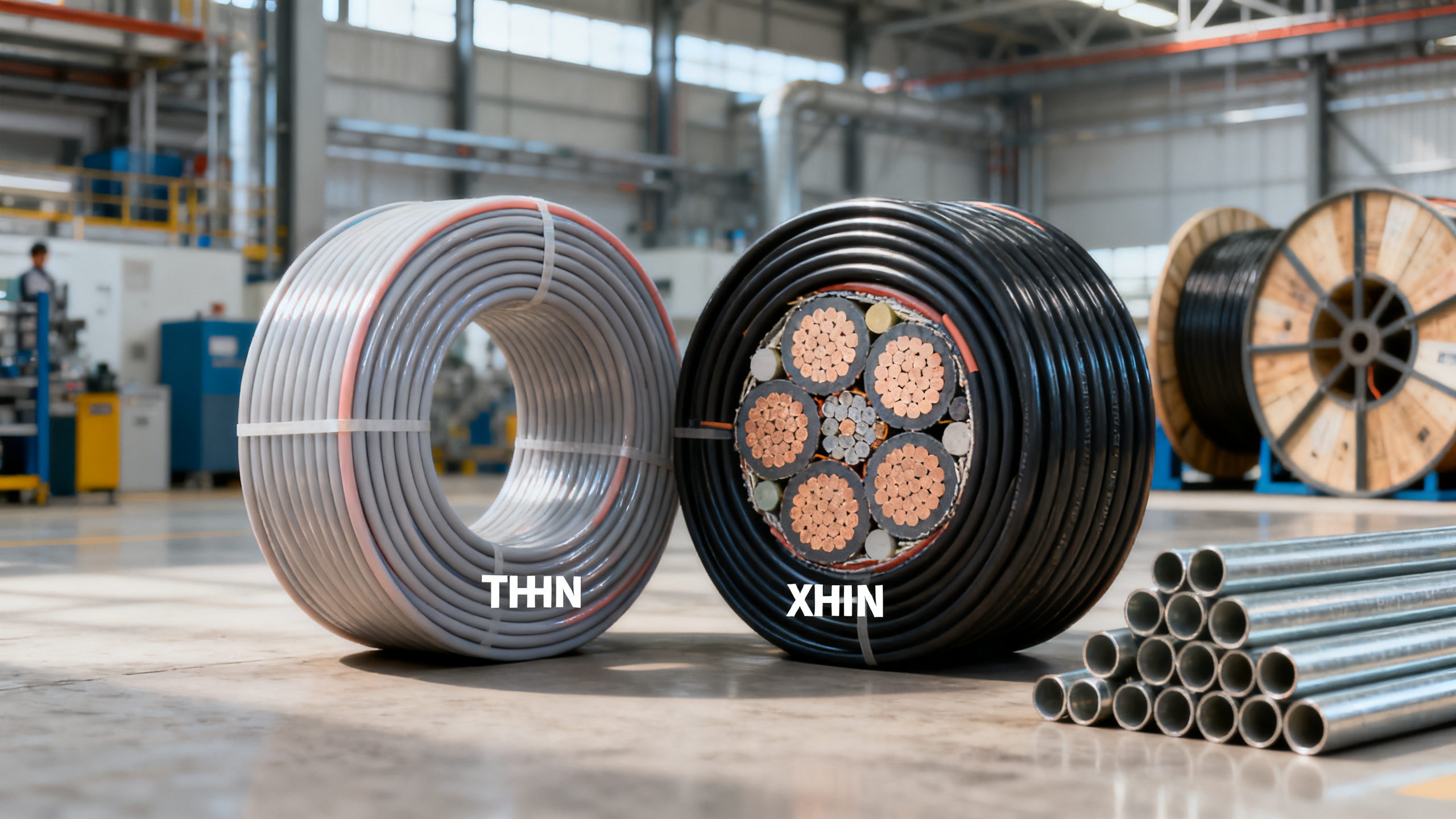
If you are comparing XLPE power cables, evaluating armored cables wholesale offers, or reviewing alternatives such as THHN building wire or solar PV cables, the key is to understand what this cable construction really means in practice. This guide explains the essentials first, so you can make a safer and more informed sourcing decision.
What Is XLPE SWA PVC Cable, and Why Is It Common in Industrial Power Projects?
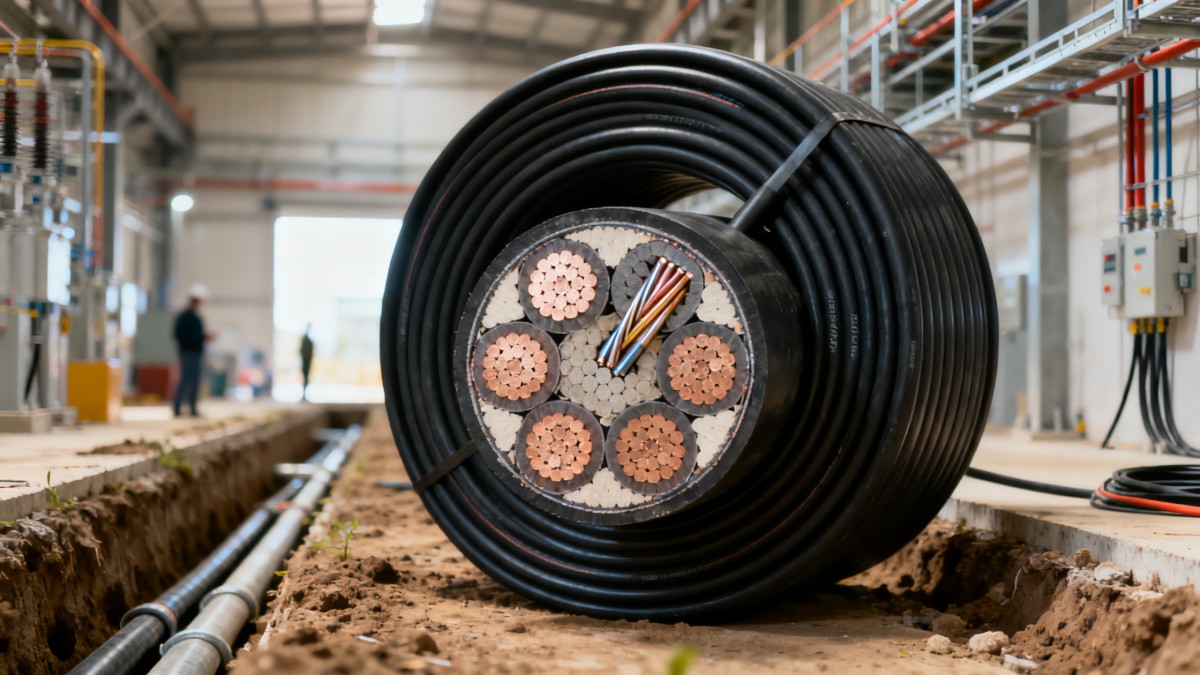
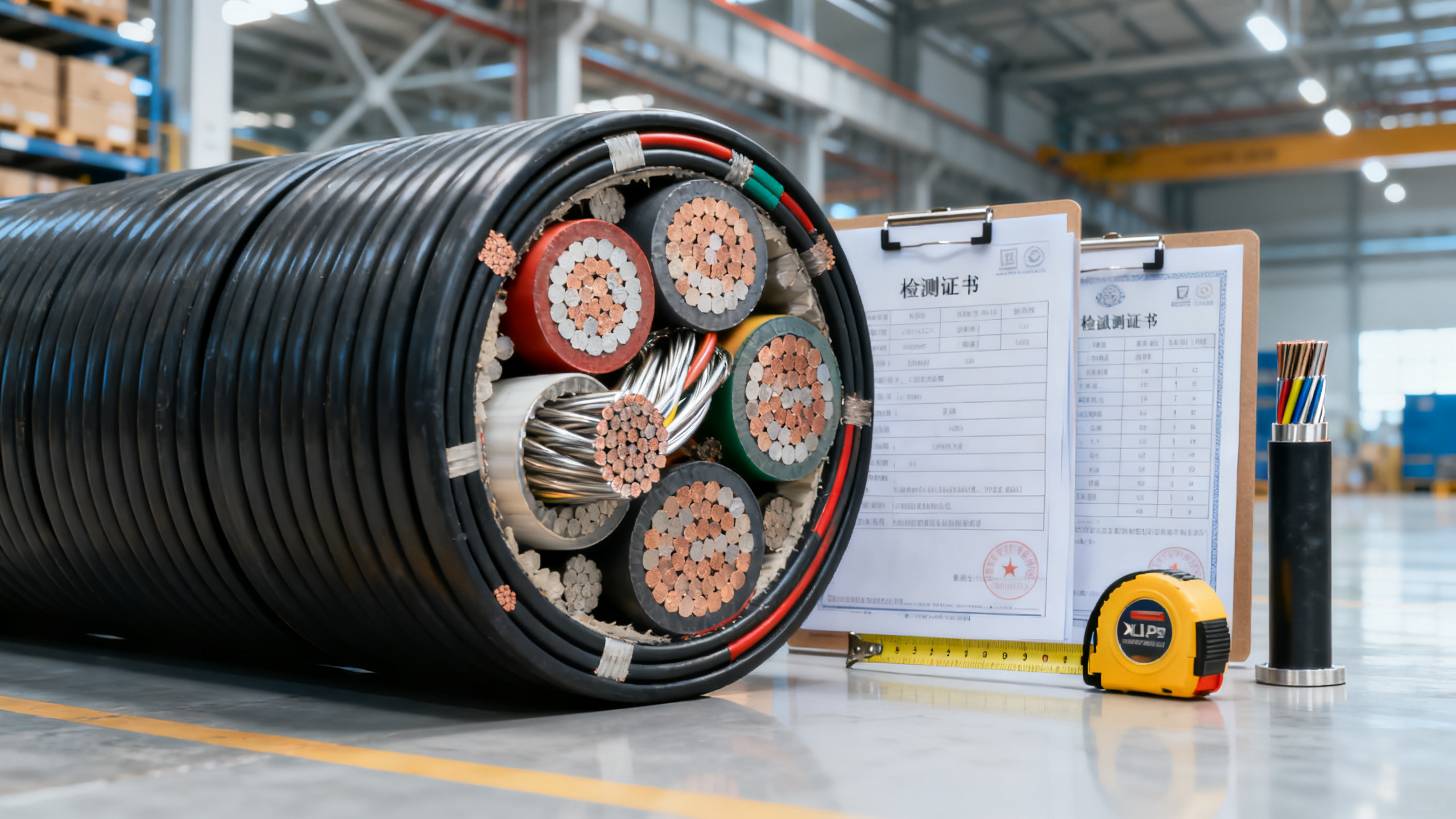
XLPE SWA PVC cable is a power cable built from three main functional layers:
- XLPE = cross-linked polyethylene insulation
- SWA = steel wire armouring for mechanical protection
- PVC = polyvinyl chloride outer sheath
This construction is widely used in industrial, commercial, utility, and infrastructure projects because it balances electrical performance, physical protection, and cost efficiency for fixed installation applications.
In simple terms:
- The XLPE insulation improves thermal performance and allows higher operating temperatures than many older insulation types.
- The steel wire armour helps protect the cable from impact, compression, and mechanical stress.
- The PVC sheath provides an outer protective layer against moisture, abrasion, and general environmental exposure.
That combination makes XLPE SWA PVC cable a frequent choice for:
- underground power distribution
- industrial facilities
- plant rooms and utility corridors
- outdoor fixed installations
- sites where added mechanical protection is required
For many buyers, the main advantage is straightforward: this cable type is often robust enough for demanding fixed-power environments without moving into more specialized and expensive cable constructions unless project conditions truly require them.
What Should You Check First Before Buying?
Before comparing brands, prices, or lead times, focus on five practical checks.
1. Confirm the actual application
Not every “industrial cable” is interchangeable. Ask:
- Is the cable for indoor, outdoor, underground, tray, or duct installation?
- Will it be exposed to oil, chemicals, UV, or moisture?
- Is it for fixed installation only, or is there any flexing or movement?
- Does the project require low smoke, halogen-free, or fire-resistant performance?
XLPE SWA PVC cable is generally intended for fixed power applications. If the cable will move repeatedly, flex frequently, or serve a specialized fire-survival function, another cable type may be more appropriate.
2. Verify voltage rating and conductor specification
Common voltage classes vary by region and application. Buyers should verify:
- rated voltage
- number of cores
- conductor material, usually copper or aluminum
- cross-sectional area
- current-carrying capacity under actual installation conditions
A cable that looks correct on paper can still be underspecified if derating factors such as ambient temperature, grouping, burial depth, or installation method are ignored.
3. Check standards and compliance documentation
For industrial procurement, compliance is often as important as performance. Request confirmation of applicable standards, which may include:
- IEC standards
- BS standards
- CE-related declarations where applicable
- ISO quality system support
- test reports and factory inspection records
Do not rely only on catalog claims. Ask for technical datasheets, type test information, and quality documentation that match the exact cable offered.
4. Review mechanical and environmental suitability
The “SWA” part often leads buyers to assume maximum site toughness. In reality, the cable’s suitability depends on total construction, sheath quality, bending radius, and installation environment. Armor improves protection, but it does not make the cable universally resistant to all site hazards.
5. Confirm installation and termination requirements
Armoured cables require correct glands, earthing arrangements, and termination practices. Procurement teams should confirm that installers have the right accessories and that the cable selected aligns with field installation capability.
Why XLPE Insulation Matters More Than Many Buyers Realize
Among the three elements in XLPE SWA PVC cable, XLPE insulation is one of the biggest reasons this cable is preferred in modern power distribution.
Compared with more basic insulation systems, XLPE typically offers:
- higher thermal endurance
- better electrical properties
- improved aging performance
- good resistance to moisture-related electrical degradation when properly manufactured
In practical procurement terms, this can support:
- better long-term reliability
- stronger performance under load
- greater confidence in demanding industrial environments
For facility managers and decision-makers, that matters because cable failure is rarely just a replacement issue. It can trigger downtime, safety events, delayed commissioning, and unplanned maintenance costs. The insulation system directly influences lifecycle value, not just initial purchase price.
What the Steel Wire Armour Actually Protects Against
Steel wire armour is one of the main reasons buyers choose this cable over unarmoured alternatives. Its purpose is to provide mechanical protection, especially in installations where the cable may face external stress.
SWA can help reduce risk from:
- accidental impact during installation
- compressive forces in buried or exposed runs
- site handling damage
- certain forms of abrasion and mechanical disturbance
However, buyers should keep a practical view. Armour does not eliminate the need for proper installation practice. Poor routing, excessive bending, incorrect pulling tension, bad termination, or unsuitable environmental exposure can still shorten cable life or cause failure.
This is especially important when reviewing lower-cost armored cables wholesale options. Attractive pricing should never replace checks on armour coverage, material quality, concentricity, sheath integrity, and test consistency.
When XLPE SWA PVC Cable Is a Good Choice—and When It Is Not
This cable is a good fit when you need:
- fixed power distribution
- mechanical protection
- indoor and outdoor installation capability
- buried or exposed industrial cable runs
- a proven general-purpose industrial power cable construction
It may be less suitable when you need:
- high flexibility for constant movement
- special low-smoke zero-halogen construction for certain public or enclosed environments
- specialized UV and long-term weathering designs for photovoltaic systems
- building wire intended for conduit-based internal wiring systems such as THHN applications
This is where many sourcing mistakes happen. Buyers compare products that are all “cables,” but they are designed for different duty profiles.
How It Compares with THHN Building Wire and Solar PV Cables
If your search includes THHN building wire or solar PV cables, it helps to separate these categories clearly.
XLPE SWA PVC cable vs. THHN building wire
THHN building wire is generally used for internal building wiring, often in conduit systems, and is not the same as an armoured power cable. It serves a different installation philosophy and protection method. If your project needs direct mechanical protection through cable construction, XLPE SWA PVC cable may be the stronger fit.
XLPE SWA PVC cable vs. solar PV cable
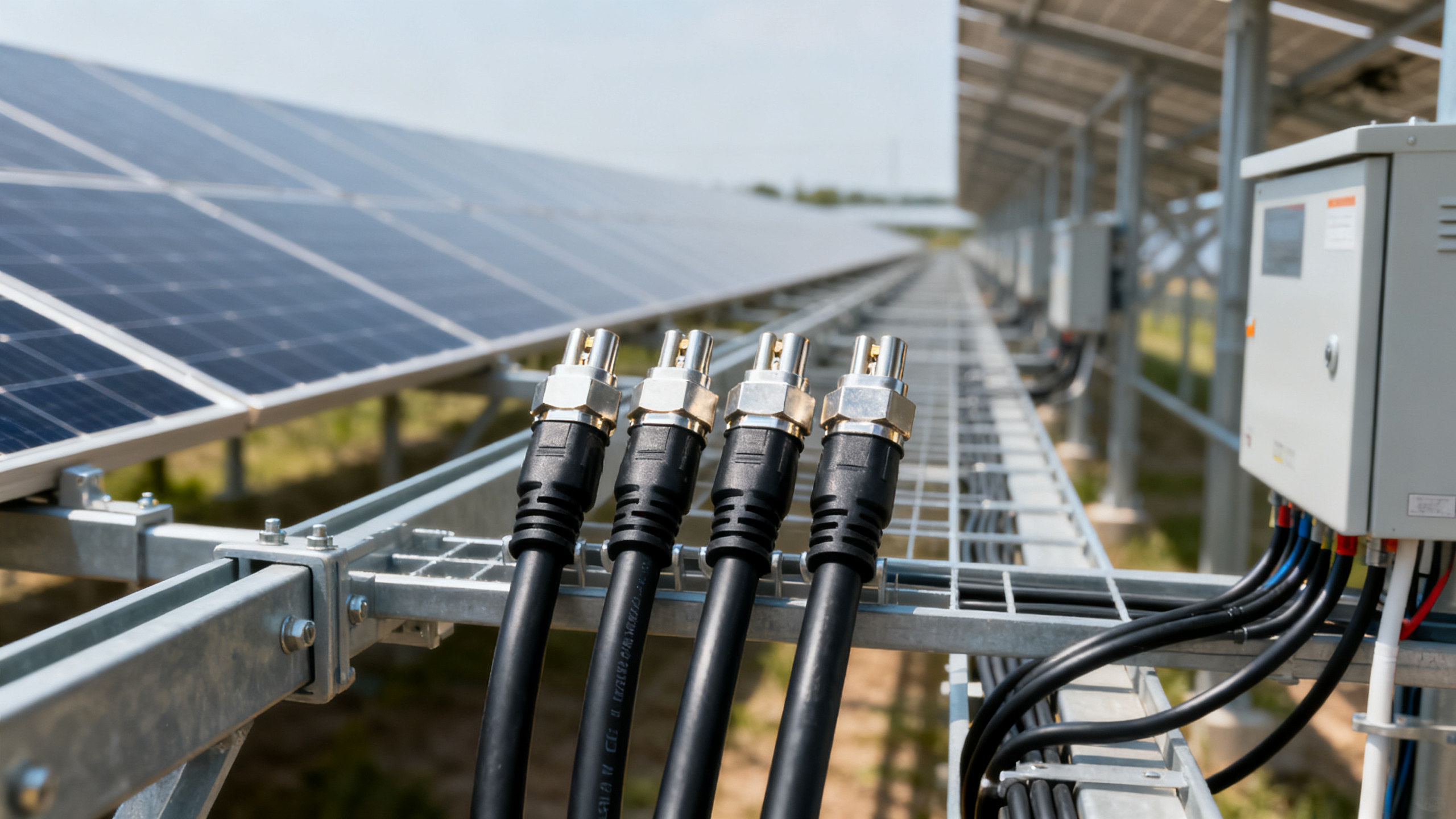
Solar PV cables are designed for photovoltaic systems and typically prioritize UV resistance, outdoor weathering, and application-specific electrical requirements related to solar installations. Even if both involve XLPE-related material concepts in some markets, they are not direct substitutes. For solar arrays, use cable designed and certified for PV duty.
The takeaway is simple: choose by application environment and compliance need, not by partial similarity in insulation material or appearance.
What Procurement Teams Should Ask Suppliers Before Shortlisting
For sourcing professionals and project decision-makers, the most useful supplier questions are often the most specific ones. Ask for:
- exact cable construction details
- applicable standards and certification support
- conductor class and material origin
- insulation and sheath material specifications
- armor design details
- voltage rating and test data
- current rating tables and derating assumptions
- minimum bending radius
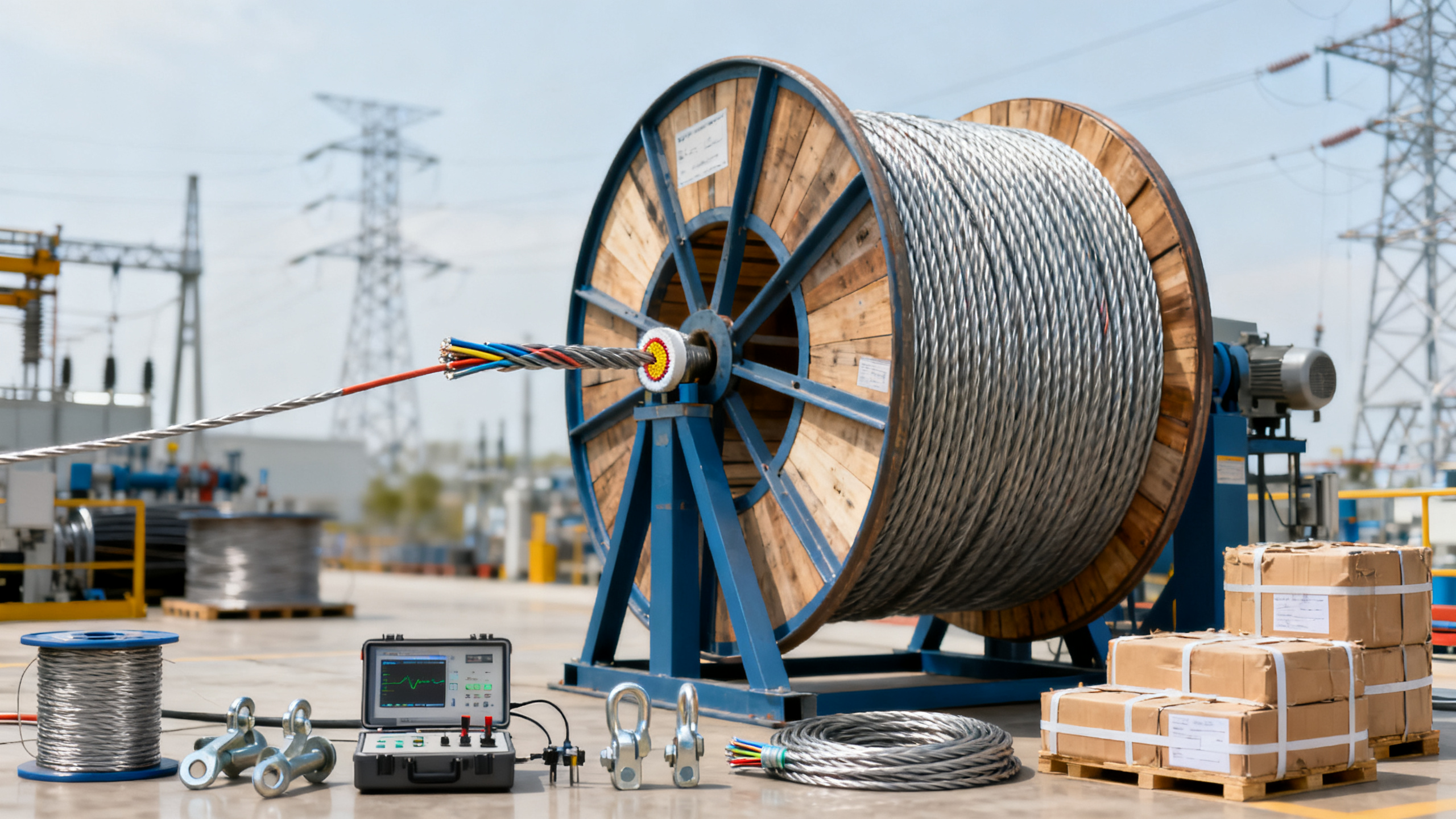
- packing, drum length, and logistics details
- warranty terms and traceability information
Also ask whether the supplier can support:
- project documentation packages
- custom lengths or labeling
- factory audits or third-party inspection
- sample verification before bulk purchase
For enterprise buyers, this improves not only technical fit but also supply chain confidence.
Common Buying Mistakes to Avoid
Several errors appear repeatedly in industrial cable sourcing:
- choosing by price before checking compliance
- assuming all XLPE power cables are equivalent
- overlooking installation-specific derating factors
- treating armour as a substitute for proper installation design
- using general industrial cable for specialized applications such as PV systems or fire-critical routes
- failing to verify termination accessory compatibility
For operators and maintenance teams, these mistakes often show up later as difficult installation, premature sheath damage, unexpected heating, or reliability problems under load.
How to Make a Better Final Decision
A practical decision framework is:
- Define the installation environment clearly.
- Match voltage, load, and conductor sizing requirements.
- Confirm whether mechanical protection is required.
- Check standards, certifications, and test evidence.
- Review lifecycle risk, not just purchase cost.
- Validate accessory and installation compatibility.
- Compare suppliers on consistency, documentation, and delivery reliability.
If your application is fixed industrial power distribution in a setting where physical protection matters, XLPE SWA PVC cable is often a sound and proven choice. If your application is more specialized, the better decision may be a different cable type altogether.
In summary, what to know first about XLPE SWA PVC cable is this: it is valued because it combines strong insulation performance, mechanical protection, and broad industrial usability. But the right buying decision depends on fit, not familiarity. For researchers, users, procurement teams, and business decision-makers, the best results come from checking application conditions, compliance evidence, and total project risk before comparing quotes. That approach leads to safer installations, fewer surprises, and better long-term value.
Expert Insights

Chief Security Architect
Dr. Thorne specializes in the intersection of structural engineering and digital resilience. He has advised three G7 governments on industrial infrastructure security.
Related Analysis
Core Sector // 01
Security & Safety
- How to Choose Welding Cables WholesaleAuthor :Grid Infrastructure Analyst

- THHN Building Wire vs XHHW: What ChangesAuthor :Grid Infrastructure Analyst

- Are Solar PV Cables Worth the Higher CostAuthor :Grid Infrastructure Analyst

- How to Vet an OPGW Cable ManufacturerAuthor :Grid Infrastructure Analyst

- When Does ADSS Fiber Cable Make More SenseAuthor :Grid Infrastructure Analyst

- What to Check Before Buying Fiber Optic Cables WholesaleAuthor :Grid Infrastructure Analyst

- Where Unshielded Control Cables Work BestAuthor :Grid Infrastructure Analyst

- Armored Cables Wholesale: Common Buying MistakesAuthor :Grid Infrastructure Analyst