Electrical & Power solutions for unstable loads and harsh sites
Author
Date Published
Reading Time
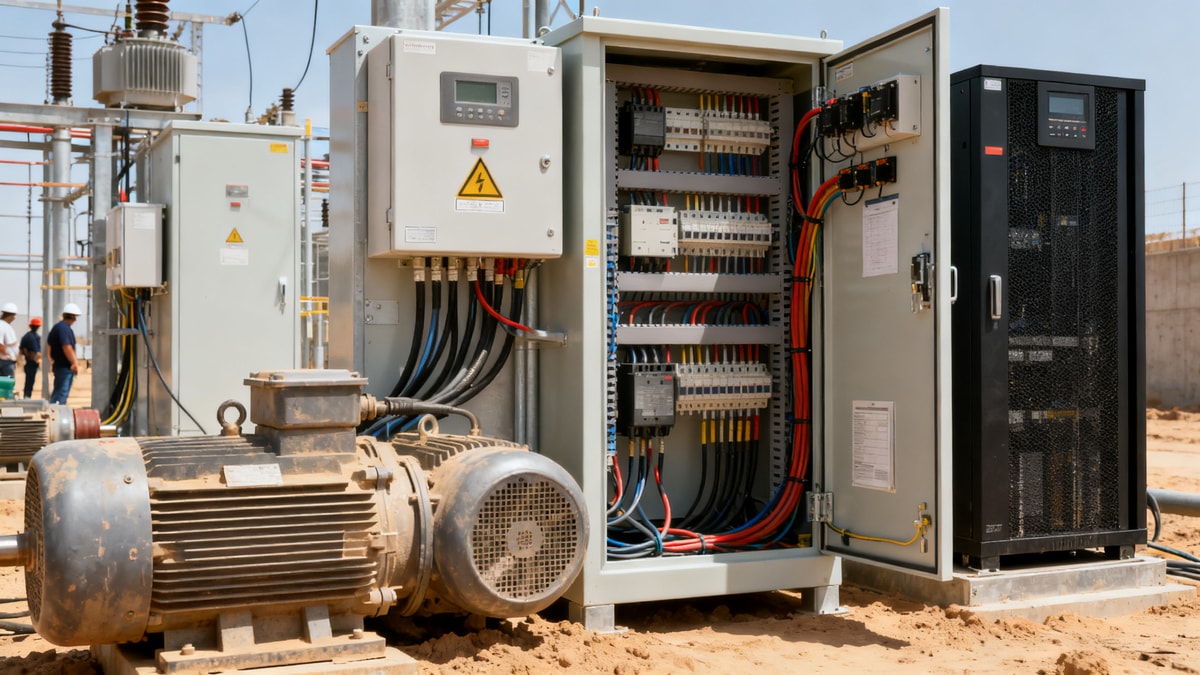
When unstable loads, voltage fluctuations, dust, heat, or remote operating conditions threaten uptime, choosing the right Electrical & Power solutions becomes critical. This article explores practical approaches for operators and industrial users to improve power reliability, equipment protection, and site safety in harsh environments, helping maintain continuous performance where failure can lead to costly downtime and operational risk.
Understanding Electrical & Power solutions in demanding operations
In industrial environments, Electrical & Power solutions refer to the systems, devices, and protection strategies that deliver stable energy to equipment while reducing the risk of shutdowns, overloads, and component damage. For operators, this does not only mean “keeping the power on.” It means ensuring that motors start correctly, control panels receive clean voltage, sensitive instruments remain accurate, and safety systems continue functioning during disturbances.
In stable indoor facilities, standard power distribution may be enough. In harsh sites, however, the electrical environment is often unpredictable. Loads can swing sharply when pumps, compressors, welders, crushers, or HVAC units start and stop. Grid quality may be poor in remote regions. Dust, moisture, vibration, and temperature stress can shorten equipment life. This is why Electrical & Power solutions must be evaluated as a complete reliability framework rather than a single product category.
For users and operators, the practical goal is straightforward: maintain safe, continuous performance under real operating conditions. That usually requires the right combination of power conditioning, surge protection, backup power, enclosure design, grounding, monitoring, and maintenance discipline.
Why the industry pays close attention to unstable loads and harsh sites
Across sectors such as manufacturing, utilities, water treatment, mining, logistics, and process plants, power quality is now directly linked to productivity. Modern sites rely on variable frequency drives, PLCs, sensors, communications networks, and automated safety systems. These assets are more capable than older analog equipment, but they can also be more sensitive to power disturbances. A short voltage sag that once caused only a minor flicker may now trip a drive, stop a production line, or corrupt process data.
At the same time, operating environments are becoming tougher. Many sites are built farther from urban infrastructure, exposed to extreme heat, heavy dust, corrosive air, or frequent storms. In such places, Electrical & Power solutions are not optional upgrades. They are operational safeguards that protect uptime, asset life, and personnel safety.
This attention is also shaped by compliance and risk management. Industrial users increasingly need systems that align with recognized standards such as CE, UL, and ISO-related safety and quality practices. Reliable electrical architecture supports safer maintenance, clearer fault isolation, and better documentation for audits, contractors, and insurers.
Core elements that define effective Electrical & Power solutions
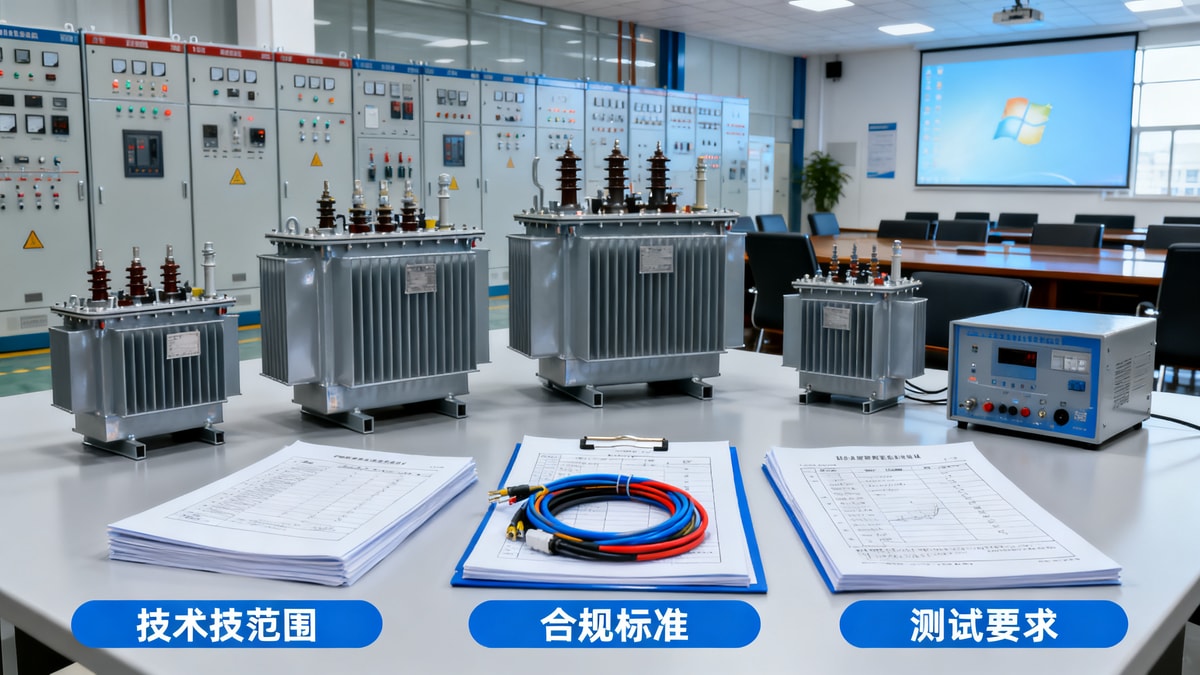
Effective Electrical & Power solutions are usually built from several coordinated layers. First is stable distribution: switchgear, transformers, busbars, and cabling must be sized for actual load profiles, not just nameplate estimates. Second is protection: circuit breakers, fuses, surge protective devices, relays, and grounding systems must respond correctly to faults and transient events. Third is conditioning: voltage regulators, UPS systems, harmonic filters, isolation transformers, and soft starters help maintain acceptable power quality for critical loads.
Another layer is environmental resilience. Enclosures with suitable IP or NEMA ratings, corrosion-resistant materials, thermal management, and vibration-resistant mounting can be as important as the electrical components themselves. Finally, visibility matters. Power meters, remote monitoring tools, alarms, and event logs allow operators to identify recurring sags, overloads, or phase imbalance before they become failures.
In other words, the best Electrical & Power solutions combine electrical design, environmental protection, and operational awareness.
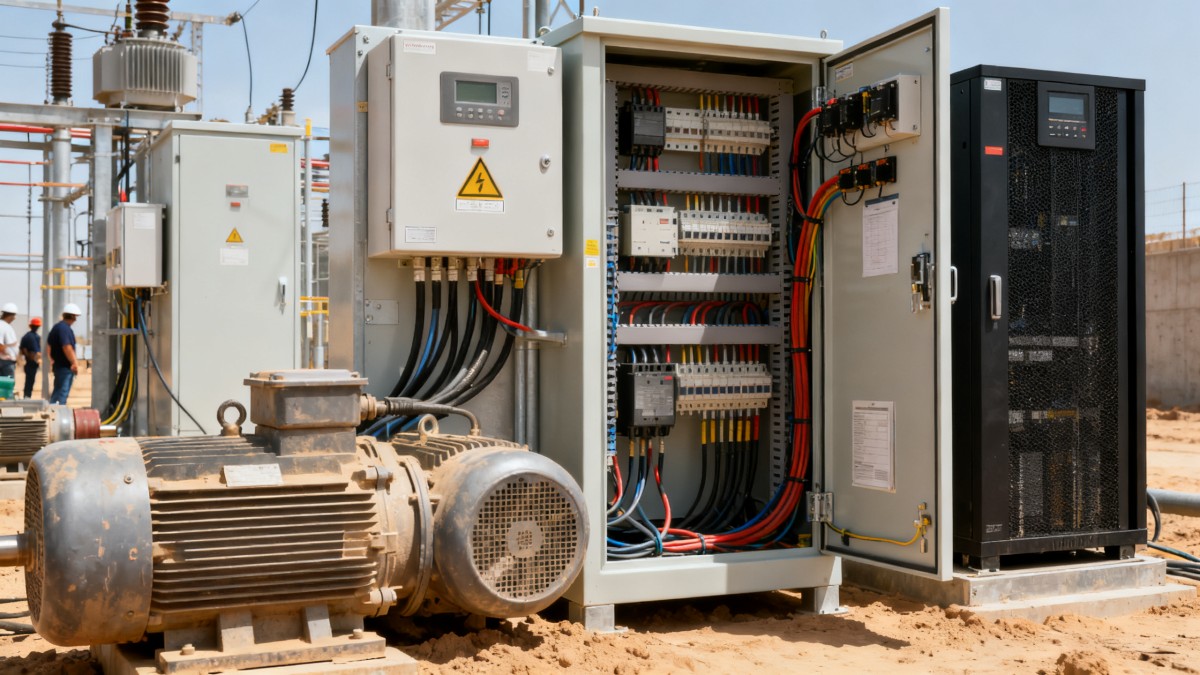
Industry overview: common challenges and suitable response strategies
Operators often face similar power-related risks even when facilities differ in scale or sector. The table below provides a practical overview of common site issues and the types of Electrical & Power solutions that can address them.
Where these solutions create the most value for users and operators
The value of Electrical & Power solutions is most visible at the operator level. Stable power reduces nuisance trips that interrupt workflow and force repeated restarts. It protects actuators, motors, instrumentation, and control electronics from damage caused by repeated stress. It also supports safer operations because emergency lighting, alarms, access control, extraction systems, and shutdown logic depend on reliable electrical supply.
There is also a strong maintenance benefit. Better power quality usually means fewer unexplained faults, fewer burned contactors, less overheating, and more predictable inspection intervals. When monitoring is included, operators can distinguish between a machine problem and a site power problem, which saves troubleshooting time and reduces unnecessary part replacement.
From a business perspective, these benefits support higher equipment availability, steadier product quality, lower maintenance cost, and improved asset planning. In facilities where downtime is expensive, even small improvements in electrical resilience can generate meaningful operational returns.
Typical application categories in harsh industrial environments
Not all loads require the same protection level. A practical way to evaluate Electrical & Power solutions is to group applications by function and sensitivity.
Practical selection factors before implementation
Before selecting Electrical & Power solutions, operators should start with the real behavior of the site rather than the product brochure. The first question is load profile: which equipment creates sudden current demand, and which equipment cannot tolerate interruption? The second question is environmental exposure: is the site mainly affected by heat, dust, washdown, vibration, or lightning? The third is recovery expectation: if power is lost, which systems must continue immediately, and which can restart in sequence?
It is also important to review installation quality. Many recurring electrical failures come from poor cable routing, weak terminations, inadequate grounding, or undersized enclosures rather than from the main power device itself. A technically sound system should consider accessibility for maintenance, clear labeling, spare capacity, and compatibility with existing switchboards and control architecture.
For globally deployed facilities, users should also verify certification and documentation. Components with recognized compliance markings and traceable test records help reduce risk during commissioning, inspection, and future expansion.
Operational practices that improve reliability over time
Even strong Electrical & Power solutions can underperform without disciplined operation. Regular thermal inspection of panels and cable terminations can reveal loose connections before they fail. Cleaning schedules should match site conditions, especially where conductive dust or salt-laden air is present. Operators should also watch for repeated breaker trips, unusual motor heating, and voltage imbalance across phases, as these are often early indicators of larger problems.
Trend monitoring adds another layer of protection. If a site records recurring sags at shift changes or during motor starts, load sequencing or dedicated conditioning may be needed. If backup systems are installed, batteries, transfer switches, and generator start logic should be tested under realistic conditions rather than left unchecked until an outage occurs.
Training also matters. Operators who understand basic power quality indicators and alarm priorities can respond faster and more accurately. In demanding sites, clear procedures for isolation, restart, and fault escalation reduce both downtime and safety exposure.
Common mistakes to avoid in harsh-site power planning
A common mistake is focusing only on rated capacity while ignoring transient behavior. A system that appears adequate on paper may still fail if starting currents, harmonics, or intermittent overloads are not considered. Another mistake is protecting major equipment but overlooking control circuits and instrumentation, which are often the first to fail during unstable power events.
Users should also avoid treating the environment as a secondary issue. Heat, dust ingress, and condensation can silently degrade otherwise high-quality devices. Finally, it is risky to install Electrical & Power solutions without a plan for inspection, testing, and replacement intervals. Reliability is not achieved at installation alone; it is sustained through lifecycle attention.
A practical path forward for resilient site performance
For operators facing unstable loads and harsh conditions, the most effective approach is to treat Electrical & Power solutions as part of overall operational resilience. Start by identifying critical loads, actual disturbance patterns, and environmental stress points. Then match those realities with layered measures such as protection, conditioning, enclosure resilience, backup supply, and monitoring. This creates a system that not only powers equipment, but also protects process continuity and site safety.
As industrial environments become more automated and uptime-sensitive, dependable Electrical & Power solutions will remain essential for safe and efficient performance. Organizations that combine strong engineering judgment, standards-based components, and site-specific operating practices are better positioned to reduce risk and keep essential operations running under pressure. For teams reviewing current infrastructure, now is the right time to assess weak points, strengthen power reliability, and build a more resilient foundation for daily operations.
Technical Specifications
- SASO Mandates Dual Energy Label for Industrial Transformers in Saudi Arabia from May 2026Author :Grid Infrastructure Analyst
- EN 61000-4-30:2026 Enforced: Class A Harmonic Traceability Mandatory for EU PQ AnalyzersAuthor :Precision Metrology Expert
- US DOE Level 3 Transformer Efficiency Standard Effective July 1, 2026Author :Grid Infrastructure Analyst
Expert Insights

Chief Security Architect
Dr. Thorne specializes in the intersection of structural engineering and digital resilience. He has advised three G7 governments on industrial infrastructure security.
Related Analysis
- May 06, 2026SASO Mandates Dual Energy Label for Industrial Transformers in Saudi Arabia from May 2026Author :Grid Infrastructure Analyst
- May 06, 2026EN 61000-4-30:2026 Enforced: Class A Harmonic Traceability Mandatory for EU PQ AnalyzersAuthor :Precision Metrology Expert
- May 06, 2026US DOE Level 3 Transformer Efficiency Standard Effective July 1, 2026Author :Grid Infrastructure Analyst
Core Sector // 01
Security & Safety
- Electrical & Power solutions for unstable loads and harsh sitesAuthor :Grid Infrastructure Analyst

- What Makes an Electrical & Power Quotation Hard to CompareAuthor :Grid Infrastructure Analyst

- Submersible Pump Cables: Why Jacket Damage Happens EarlyAuthor :Grid Infrastructure Analyst

- Wholesale Cable Trays: Steel or Aluminum for Corrosive Areas?Author :Grid Infrastructure Analyst

- Marine Cables Wholesale: Which Certifications Actually Matter?Author :Grid Infrastructure Analyst

- Teflon PTFE Wires in High Heat: Where They Really HelpAuthor :Grid Infrastructure Analyst

- What Causes Early Failure in Silicone Rubber Cables?Author :Grid Infrastructure Analyst

- Copper Price Surges 4.1% to Record High in 2026; Impacts BOM Costs for Cable & Transformer MakersAuthor :Grid Infrastructure Analyst