Copper Price Hits 2026 High, Impacts Cable & Transformer BOM Costs
Author
Date Published
Reading Time
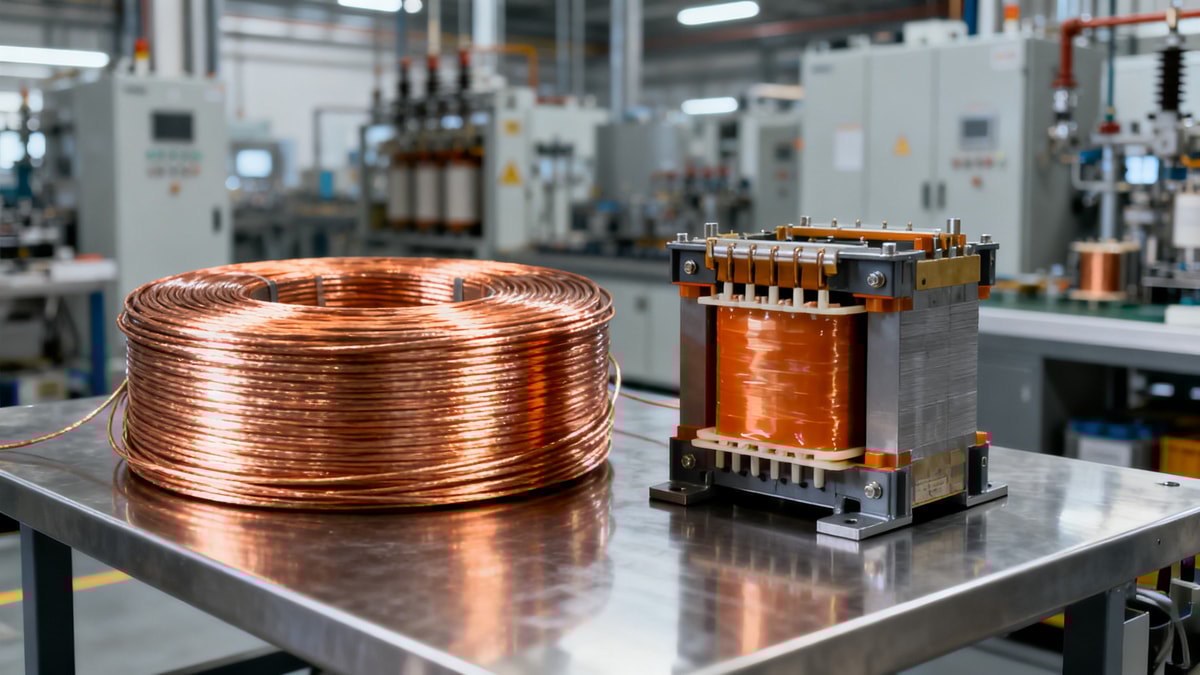
Global copper prices surged 4.1% in a single day on April 29, 2026 — reaching $9,862/ton on the London Metal Exchange (LME) — marking a new high for the year. This sharp rise directly affects cost structures across industrial cable, dry-type transformer, and switchgear manufacturing sectors, warranting close attention from procurement, supply chain, and engineering teams in power infrastructure and electrical equipment industries.
Event Overview
On April 29, 2026, LME copper futures closed at $9,862 per metric ton, up 4.1% from the previous trading day. The price spike was driven by two confirmed factors: an escalation in labor action at Chile’s Escondida mine — the world’s largest copper operation — and accelerated Q2 2026 grid investment in China. As a result, bill-of-materials (BOM) costs for industrial cables, dry-type transformers, and switchgear rose by 7.6%. Leading Chinese suppliers have implemented tiered pricing mechanisms, and overseas order lead times have extended to 12–14 weeks.
Industries Affected
Raw Material Procurement Firms
These firms face immediate pressure on copper sourcing budgets and contract renegotiation timelines. The 4.1% one-day jump signals heightened volatility risk, requiring reassessment of hedging strategies and forward purchase windows.
Electrical Equipment Manufacturers
Manufacturers of cables, dry-type transformers, and switchgear experience direct BOM cost inflation (+7.6%). Margins are compressed unless pricing adjustments are passed through — but delayed customer acceptance and longer lead times complicate this process.
International Trading & Distribution Companies
Export-oriented traders report extended delivery cycles (12–14 weeks) for finished goods bound for overseas markets. This impacts inventory turnover, cash flow planning, and contractual delivery commitments — especially under fixed-price export contracts signed prior to the price surge.
Supply Chain Service Providers
Logistics and procurement support providers must adapt to clients’ revised material availability forecasts and increased demand for real-time copper price tracking tools and alternative-sourcing consultations — particularly for non-Chilean copper sources or recycled content options.
What Enterprises and Practitioners Should Monitor and Do Now
Track official updates on Escondida labor negotiations and Chilean export policy statements
Analysis shows that the duration of the Escondida work stoppage remains the most acute near-term price catalyst. Any resolution announcement — or further escalation — will likely trigger rapid secondary price reactions.
Review active quotations and open orders for copper-intensive SKUs
From industry perspective, manufacturers and buyers should prioritize SKU-level impact assessment: identify which cable cross-sections, transformer kVA ratings, and switchgear configurations carry the highest copper weight per unit — as these face the greatest BOM cost sensitivity.
Distinguish between announced pricing policies and actual implementation timelines
Observably, while Chinese suppliers have introduced tiered pricing, rollout timing varies across product lines and customer tiers. Buyers should verify effective dates and minimum order thresholds before adjusting procurement schedules.
Pre-validate alternative sourcing pathways and buffer stock plans
Current more suitable action is to confirm availability and lead time for certified scrap-copper-based alternatives or pre-qualified secondary suppliers — not as full replacements, but as tactical hedges against further spot price spikes.
Editorial Observation / Industry Perspective
This price movement is better understood as a near-term stress test than a structural shift — yet its speed and magnitude signal tightening physical supply amid rising demand. Analysis suggests it reflects short-term disruption (Escondida) converging with cyclical demand acceleration (China’s Q2 grid capex), rather than a sustained upward trend in underlying fundamentals. From industry angle, the key implication is reduced forecasting reliability for copper-dependent components over the next 6–8 weeks — making dynamic cost modeling and flexible supplier engagement more critical than static budget adherence.
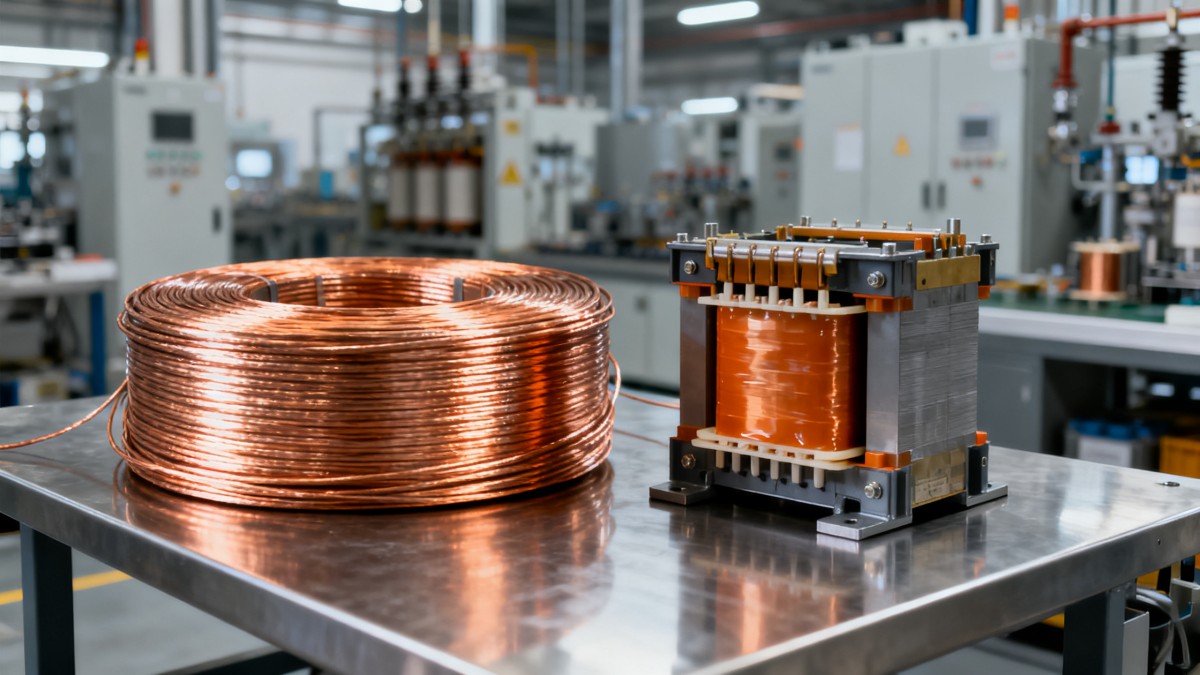
Conclusion: The April 29 copper price surge is not merely a commodity market event — it is a supply chain inflection point for electrical infrastructure manufacturers and their partners. It underscores how localized production disruptions can rapidly propagate across global BOM structures. Currently, this development is best interpreted as a timely signal to recalibrate procurement agility, not as evidence of irreversible cost inflation.
Source: London Metal Exchange (LME) daily settlement data, publicly reported Escondida labor developments, and verified supplier communications dated April 29–30, 2026. Ongoing monitoring is recommended for Chilean mining authority statements and China’s National Energy Administration Q2 grid investment disbursement reports.
Technical Specifications
Expert Insights

Chief Security Architect
Dr. Thorne specializes in the intersection of structural engineering and digital resilience. He has advised three G7 governments on industrial infrastructure security.
Related Analysis
- Apr 30, 2026Egypt SMIIC Mandates Arabic Energy Labels for Industrial PumpsAuthor :Heavy Industry Strategist
- Apr 30, 2026TÜV SÜD Launches China Industrial Optics Fast TrackAuthor :Precision Metrology Expert
- Apr 30, 2026LME Nickel Surges 5.2% on April 29, 2026: Impact on Stainless Bearings & SealsAuthor :Heavy Industry Strategist
Core Sector // 01
Security & Safety
- SCFI Rises Again: Shanghai–LA Rate Hits $3,920/TEUAuthor :Grid Infrastructure Analyst

- Copper Price Hits 2026 High, Impacts Cable & Transformer BOM CostsAuthor :Grid Infrastructure Analyst

- SCFI Surges 12.3% on Apr 28, 2026: Shanghai–Rotterdam Hits $4,482/TEUAuthor :Grid Infrastructure Analyst

- How to Choose Welding Cables WholesaleAuthor :Grid Infrastructure Analyst

- THHN Building Wire vs XHHW: What ChangesAuthor :Grid Infrastructure Analyst

- Are Solar PV Cables Worth the Higher CostAuthor :Grid Infrastructure Analyst

- How to Vet an OPGW Cable ManufacturerAuthor :Grid Infrastructure Analyst

- When Does ADSS Fiber Cable Make More SenseAuthor :Grid Infrastructure Analyst