TÜV SÜD Launches China Industrial Optics Fast Track
Author
Date Published
Reading Time
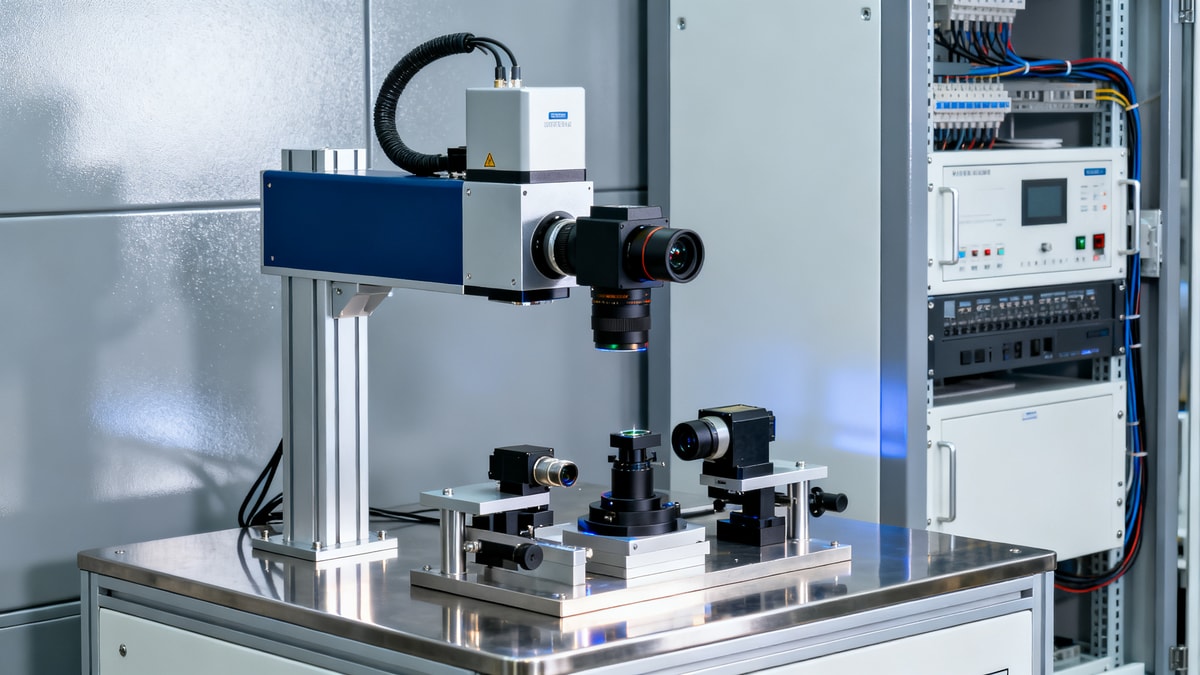
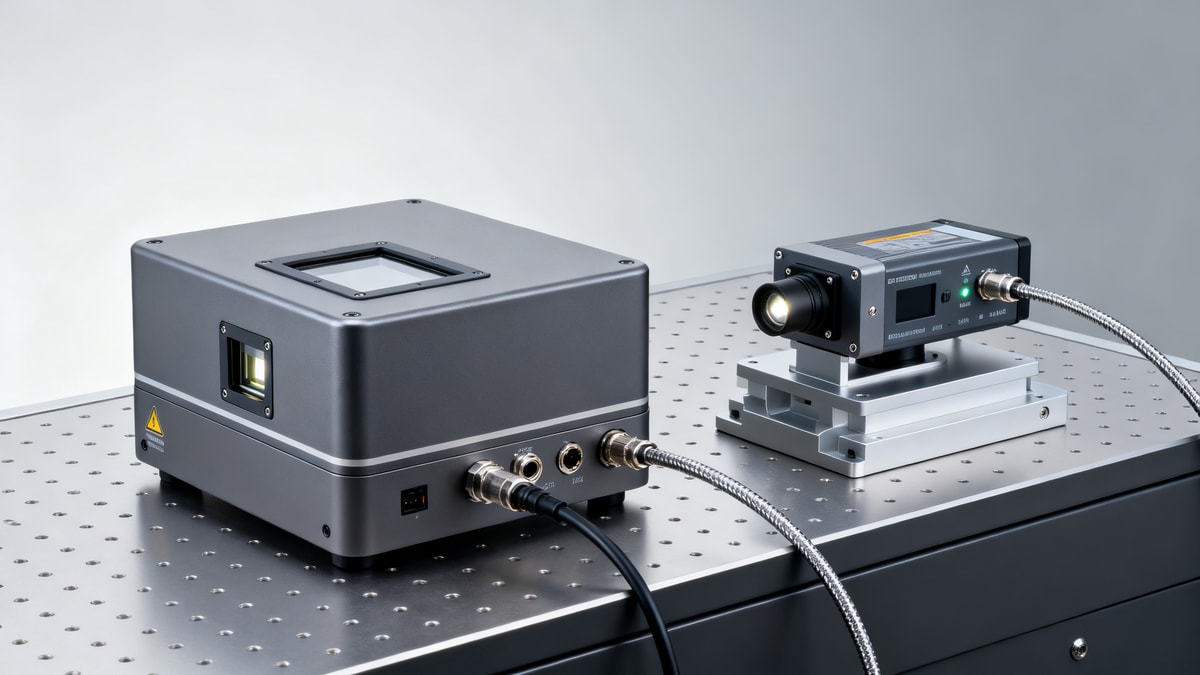
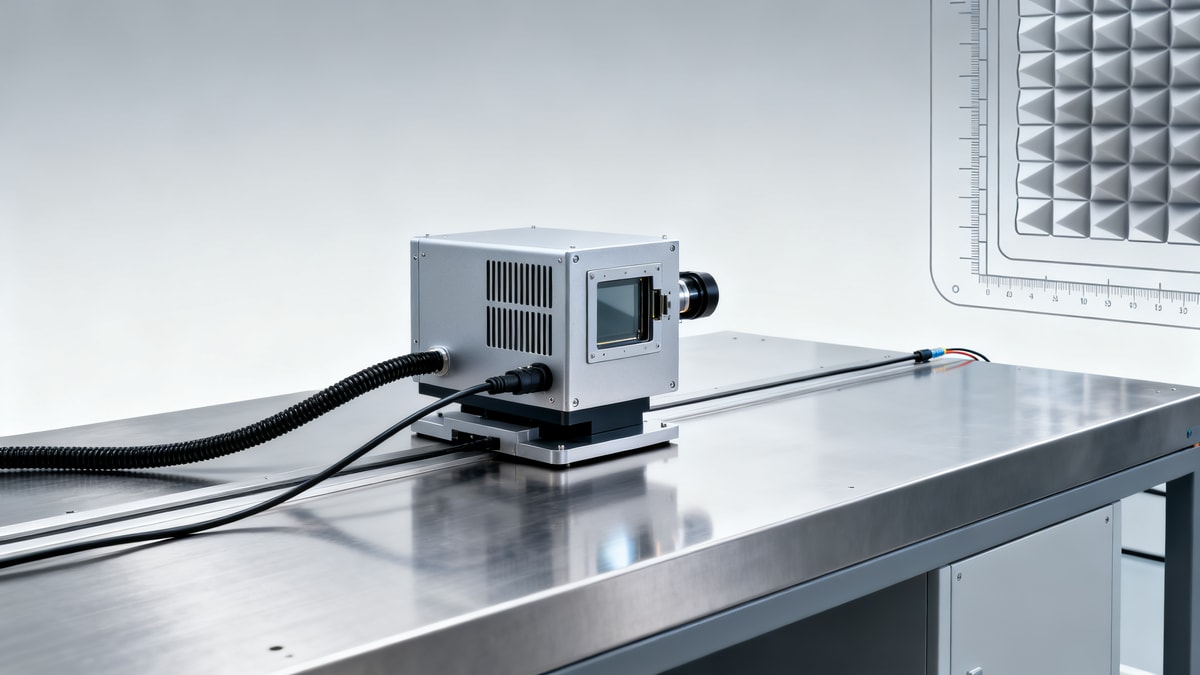
On April 29, 2026, TÜV SÜD announced the launch of its ‘Industrial Optics Fast Track Program’ in Suzhou and Shenzhen, China — a streamlined pre-assessment pathway for CE, EMC, and safety compliance targeting Chinese manufacturers of industrial optical inspection equipment. This initiative is especially relevant for companies operating in precision manufacturing, medical device production, automotive quality assurance, and semiconductor metrology — where optical measurement systems are mission-critical and regulatory timelines directly impact market access.
Event Overview
TÜV SÜD officially launched the ‘Industrial Optics Fast Track Program’ on April 29, 2026, with pilot operations in Suzhou and Shenzhen. The program applies to Chinese manufacturers of industrial optical detection equipment that have already achieved ISO 13485 or IATF 16949 certification. For eligible companies, TÜV SÜD will complete CE, EMC, and safety pre-assessment within five working days. A total of 23 Chinese manufacturers have been granted initial eligibility.
Industries Affected
Direct Export-Oriented Equipment Manufacturers
These companies supply optical inspection systems (e.g., machine vision cameras, laser interferometers, automated defect detection units) to EU-based end users or integrators. They are directly affected because faster pre-assessment reduces time-to-market for CE-marked products — shortening the gap between product readiness and formal conformity assessment. Impact includes compressed project timelines for new model launches and improved responsiveness to tender deadlines tied to EU procurement cycles.
Medical Device OEMs Integrating Optical Subsystems
OEMs incorporating optical sensors or imaging modules into Class IIa/IIb devices must demonstrate supplier compliance as part of their own ISO 13485 technical documentation. With faster pre-assessment, upstream optical component suppliers can deliver validated documentation earlier — easing technical file compilation and reducing audit-related delays during notified body reviews.
Automotive Tier-2 Suppliers Using In-Line Optical Gauging
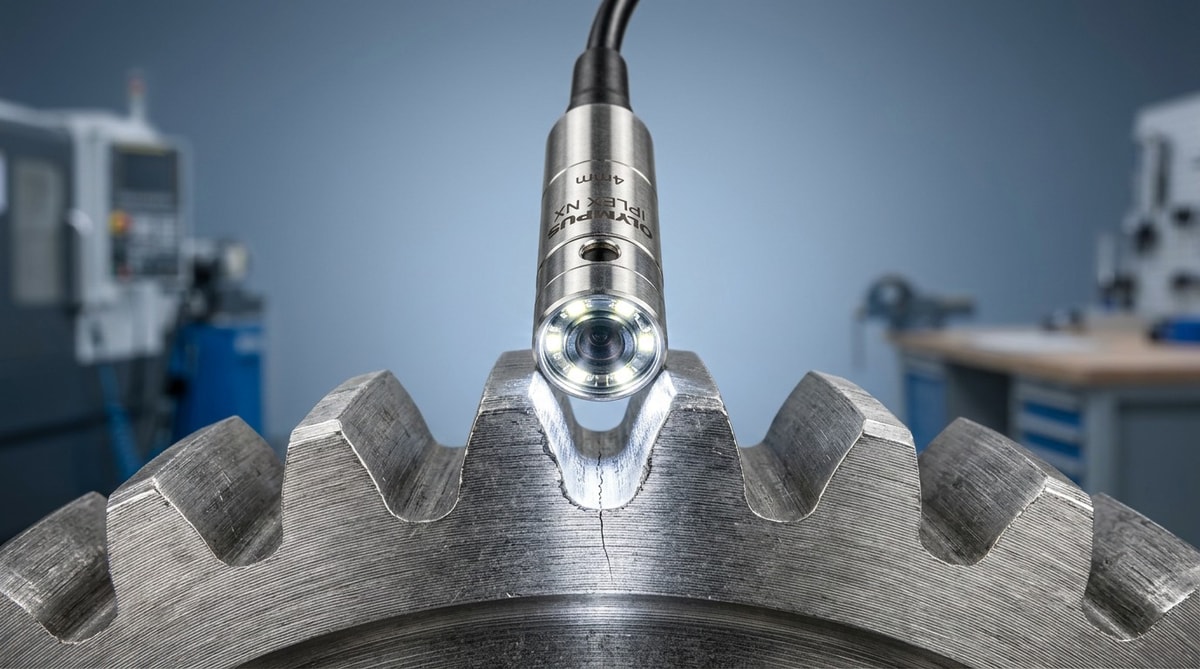
Suppliers providing optical measurement stations for engine block or battery cell inspection rely on CE/EMC compliance to meet IATF 16949 process validation requirements. Accelerated pre-assessment supports quicker revalidation after design iterations — particularly valuable for suppliers adapting systems to new EV platform specifications.
Contract Manufacturing & Test Service Providers
Firms offering calibration, verification, or integration services for optical equipment may see increased demand for EU-compliance support packages. However, they are not direct beneficiaries of the fast track unless they hold ISO 13485/IATF 16949 themselves — meaning service scope expansion (e.g., adding pre-assessment coordination) becomes a potential differentiator.
What Companies and Practitioners Should Focus On Now
Confirm eligibility criteria against current certifications
Verify whether your organization’s active ISO 13485 or IATF 16949 certificate covers the specific optical equipment product lines intended for EU export — including scope statements and site coverage. Certificates issued by non-TÜV SÜD bodies remain valid for eligibility, but documentation must be submitted in English and include full scope details.
Prepare technical files for rapid pre-assessment submission
Pre-assemble core documents: risk management reports (per ISO 14971), EMC test plans, essential requirements checklists (Annex I of the Machinery Directive or Radio Equipment Directive, as applicable), and user manuals with EU-language versions. Avoid delays caused by incomplete submissions — the 5-day timeline begins only upon receipt of all required materials.
Monitor rollout beyond pilot cities
The program is currently limited to Suzhou and Shenzhen. Track official TÜV SÜD China communications for expansion announcements — particularly regarding inclusion of other high-density optics manufacturing hubs such as Changchun or Hefei, which host key national research institutes and optical component clusters.
Distinguish pre-assessment from full conformity assessment
The 5-day timeframe applies only to pre-assessment — an internal review confirming document completeness and preliminary alignment with EU requirements. It does not replace type testing, factory audits, or final CE certification. Allocate separate timelines and budgets for those downstream steps.
Editorial Perspective / Industry Observation
Observably, this initiative signals a targeted operational response to persistent bottlenecks in EU market entry for China-made optical instrumentation — not a broad regulatory shift. Analysis shows it reflects TÜV SÜD’s effort to strengthen engagement with high-potential domestic manufacturers while managing resource allocation across growing demand. From an industry perspective, it functions more as a capacity-optimization measure than a policy relaxation: eligibility remains tightly coupled to existing quality system rigor (ISO 13485/IATF 16949), reinforcing rather than lowering standards. Current relevance lies less in immediate certification speed-up and more in its indication of increasing institutional attention toward China’s industrial optics ecosystem — suggesting longer-term alignment opportunities in harmonized testing protocols or joint guidance development.
Conclusion
This program represents a procedural refinement—not a regulatory change—for Chinese optical equipment exporters navigating EU compliance. Its primary value is predictability: shrinking pre-assessment uncertainty benefits planning cycles, especially for firms with parallel product development and certification tracks. It should be understood not as a shortcut to CE marking, but as a structured checkpoint designed to surface documentation gaps early — thereby reducing rework later in the conformity assessment process.
Information Source
Main source: Official announcement by TÜV SÜD China, dated April 29, 2026.
Note: Expansion beyond Suzhou and Shenzhen, eligibility updates for additional standards (e.g., ISO 9001-only applicants), and integration with other TÜV SÜD services (e.g., Cybersecurity for optical IoT devices) remain under observation.
Technical Specifications
Expert Insights

Chief Security Architect
Dr. Thorne specializes in the intersection of structural engineering and digital resilience. He has advised three G7 governments on industrial infrastructure security.
Related Analysis
- Apr 30, 2026Egypt SMIIC Mandates Arabic Energy Labels for Industrial PumpsAuthor :Heavy Industry Strategist
- Apr 30, 2026TÜV SÜD Launches China Industrial Optics Fast TrackAuthor :Precision Metrology Expert
- Apr 30, 2026LME Nickel Surges 5.2% on April 29, 2026: Impact on Stainless Bearings & SealsAuthor :Heavy Industry Strategist
Core Sector // 01
Security & Safety
- TÜV SÜD Launches China Industrial Optics Fast TrackAuthor :Precision Metrology Expert

- DIN EN 61000-4-3:2026-04 Enforces Stricter EMC Immunity for Industrial Optical Inspection EquipmentAuthor :Precision Metrology Expert

- TÜV Rheinland Tightens RF Immunity for Laser Interferometers to 4.5 V/mAuthor :Precision Metrology Expert

- TÜV Rheinland Tightens RF Immunity for Laser Interferometers to 4.5 V/mAuthor :Precision Metrology Expert
![]()
- TÜV Rheinland Updates EMC Guide for Industrial Optical EquipmentAuthor :Precision Metrology Expert
![]()
- TÜV Rheinland Updates EMC Guide: RF Immunity for Industrial Optical Inspection DevicesAuthor :Precision Metrology Expert
![]()
- SABIC Adds 3 Chinese Optical Inspection Devices to Saudi Green LaneAuthor :Precision Metrology Expert
![]()
- Spotting metal cracks with industrial opticsAuthor :Precision Metrology Expert