Where Electrical & Power standards change equipment selection
Author
Date Published
Reading Time
When projects move from concept to procurement, Electrical & Power standards often become the decisive factor in equipment selection. For technical evaluators, compliance is not just a checkbox—it shapes safety margins, system compatibility, lifecycle reliability, and approval timelines. This article examines how evolving standards influence specification decisions, helping industrial teams reduce risk and choose equipment that performs under demanding operational conditions.
Why Electrical & Power standards are moving from background requirement to front-end decision signal
Across industrial markets, a visible shift is taking place: Electrical & Power standards are no longer being checked only after a preferred product has been identified. They increasingly shape the shortlist from the start. Technical evaluation teams in EPC firms, utilities, process plants, manufacturing campuses, and infrastructure operators are under pressure to validate not just functionality, but regulatory fit, operational resilience, interoperability, and documented traceability before procurement advances.
Several signals explain this change. Equipment packages are now more digitally integrated, project owners face greater accountability around safety and continuity, and cross-border sourcing exposes buyers to multiple certification frameworks at once. At the same time, revisions to IEC, IEEE, UL, NFPA, grid codes, and regional energy-efficiency rules are affecting transformers, switchgear, protection relays, cables, enclosures, power quality devices, drives, UPS systems, and monitoring components. For evaluators, the practical outcome is simple: a technically acceptable unit may still be a poor selection if it creates approval delays, redesign risk, or lifecycle nonconformance.
This trend matters especially in heavy industrial environments, where failure costs are disproportionate. A standards gap can affect personnel safety, commissioning speed, insurance acceptance, maintenance strategy, and even future expansion plans. In that context, Electrical & Power standards are becoming a forward-looking decision tool rather than a retrospective compliance document.
The main forces changing equipment selection criteria
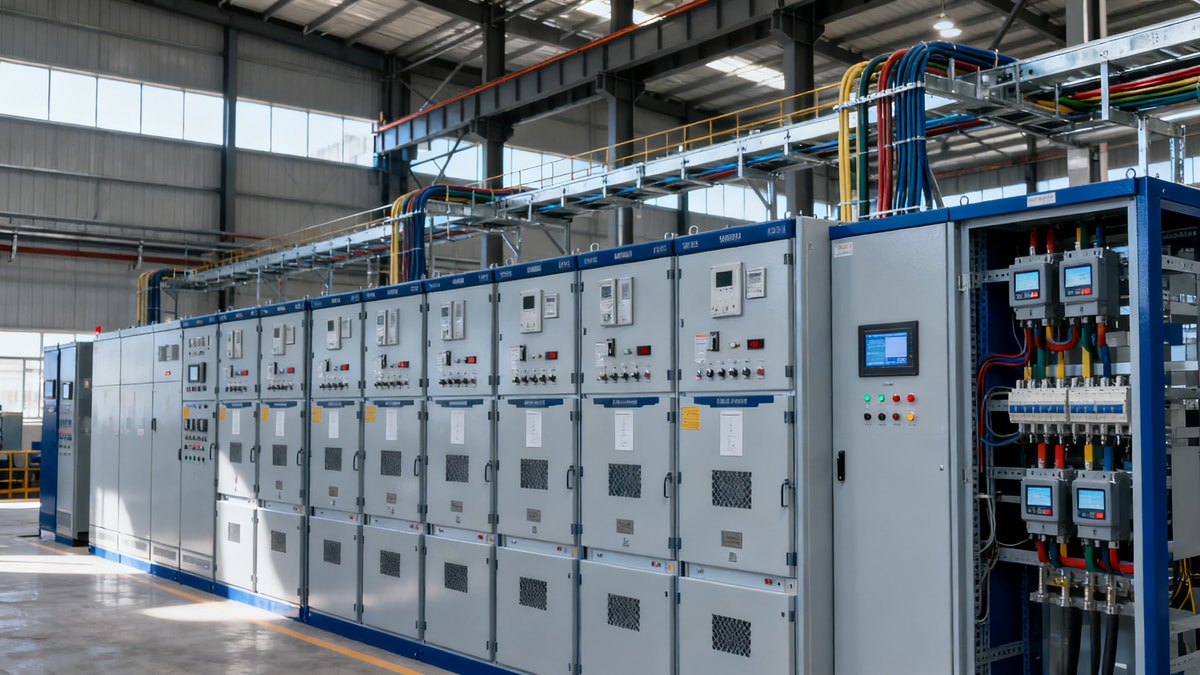
The strongest driver is the convergence of safety, efficiency, and grid stability requirements. Industrial systems are expected to consume energy more intelligently, withstand abnormal conditions more reliably, and communicate operating status with greater precision. That expectation changes how technical teams compare products. A motor control center, for example, is no longer judged only on current rating and footprint. Evaluators also ask whether it aligns with arc-flash mitigation expectations, protection coordination practice, digital diagnostics, and local acceptance standards.
A second driver is the globalization of project execution. Procurement may occur in one region, assembly in another, and final operation in a third. That increases the importance of dual or multi-market compliance. Products carrying one familiar mark may still fail site approval if documentation does not match the end-use jurisdiction, ambient conditions, installation category, or network characteristics. As a result, technical evaluators increasingly prioritize vendors that can demonstrate certification clarity, test transparency, and standards mapping across target markets.
A third driver is electrification itself. As more industrial assets move toward variable-speed drives, distributed generation, battery storage, EV charging interfaces, and automated control layers, the power system becomes less static. Harmonics, transient behavior, insulation stress, grounding design, and electromagnetic compatibility become more significant. This broadens the meaning of Electrical & Power standards from component-level compliance to system-level suitability.
Trend signals technical evaluators should watch
These signals do not affect all product categories equally, but together they are raising the technical threshold for market entry and changing what “equivalent” really means in procurement discussions.
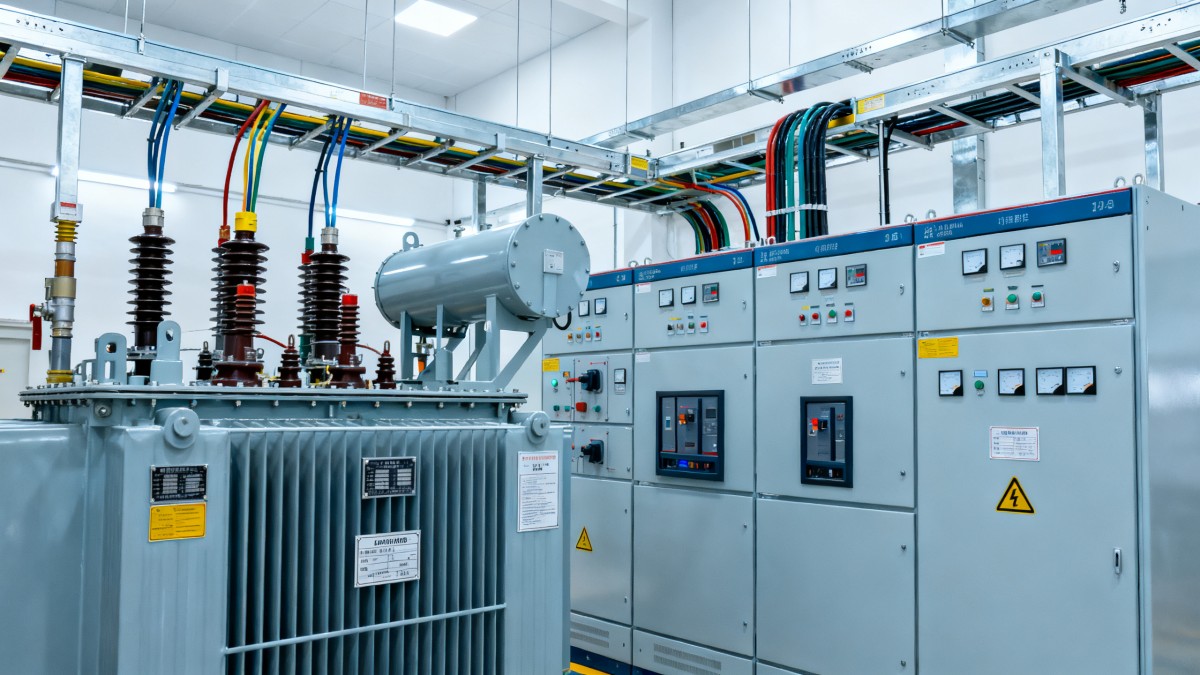
How evolving Electrical & Power standards change the shortlist in practice
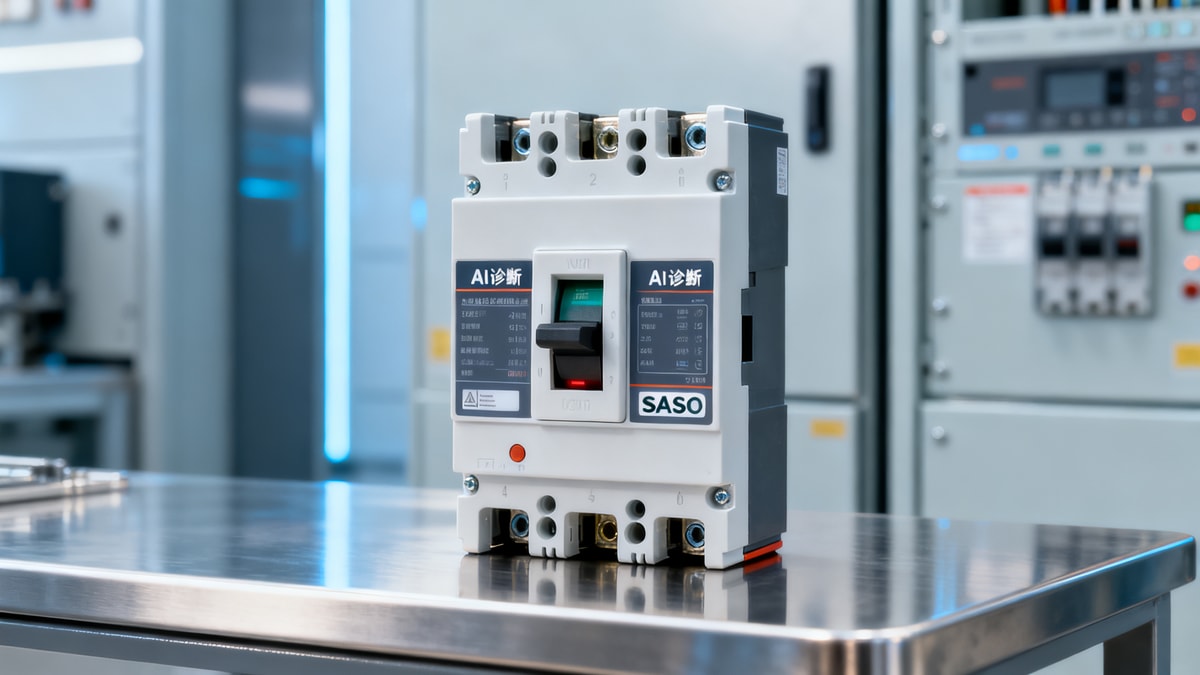
For technical evaluators, the most important consequence of changing Electrical & Power standards is that product comparison becomes less about nominal specification matching and more about contextual fit. Two breakers may have the same rated values, yet differ materially in short-circuit test pedigree, thermal performance in sealed cabinets, coordination behavior with upstream protection, or conformity to local installation practice. Those differences can determine whether the equipment passes review without redesign.
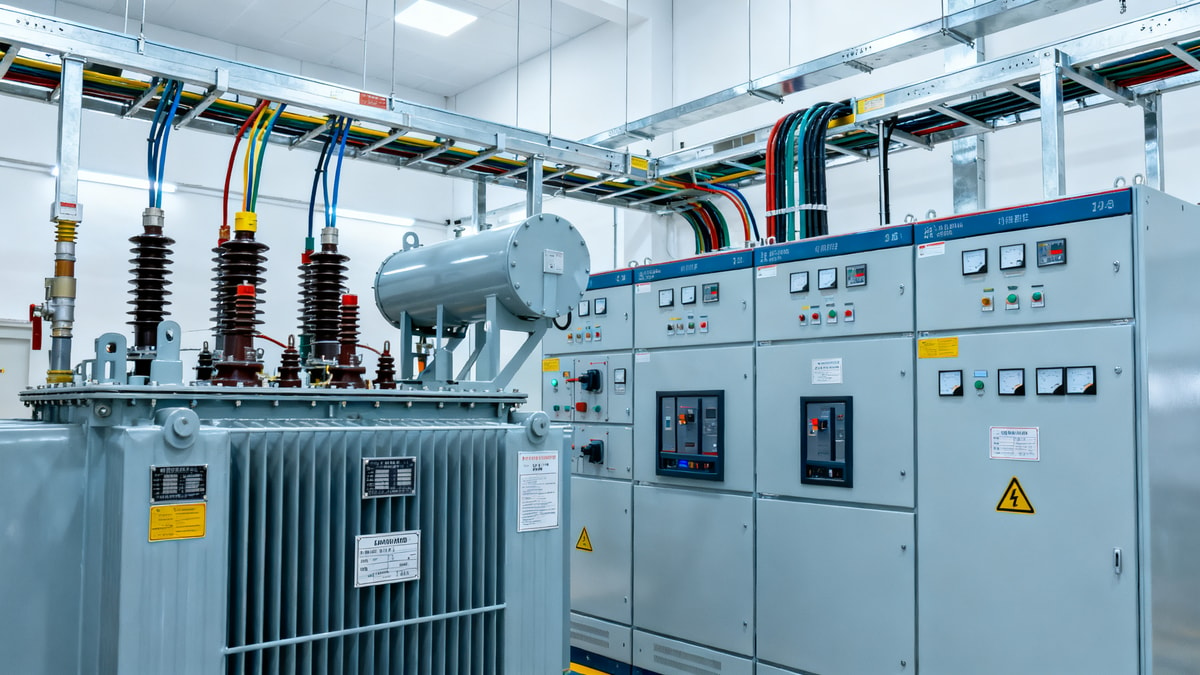
This is especially visible in medium-voltage switchgear, low-voltage assemblies, cables, and power conditioning equipment. Newer project reviews tend to ask more detailed questions: Was the assembly type-tested under conditions comparable to site reality? Is the dielectric margin appropriate for environmental stress? Does the inverter or converter comply with harmonic and EMC expectations in the actual network? Can the supplier provide traceable material declarations, test certificates, and revision-controlled manuals? Selection decisions are increasingly shaped by the quality of these answers.
Another practical change is the shrinking tolerance for documentation ambiguity. In many organizations, engineering approval, procurement authorization, and site acceptance are now linked through digital workflows. If standards references are outdated, inconsistent, or unsupported by evidence, the equipment may be rejected even if the design itself is competent. That makes documentation quality part of the technical product value.
Who feels the impact most across the industrial decision chain
The influence of Electrical & Power standards extends well beyond design engineers. Different roles experience the impact in different ways, and recognizing that helps evaluators align internal decision criteria earlier.
For organizations operating globally, these roles are becoming more interdependent. A procurement award based on unit price alone is harder to justify if the chosen equipment later requires special approvals, retrofit work, or exceptions to internal engineering standards.
From compliance to resilience: the deeper shift behind current standards updates
One of the most important industry changes is conceptual. Electrical & Power standards are increasingly used to support resilience, not just legal conformity. In other words, the question is no longer only “Is this permitted?” but also “Will this remain dependable under stress, maintenance, expansion, and abnormal events?”
This shift affects equipment selection in sectors such as water treatment, mining, commercial infrastructure, pharmaceuticals, data-intensive manufacturing, and energy transition projects. In these environments, outage consequences can spread quickly across safety, quality, environmental, and contractual dimensions. Therefore, technical evaluators are looking beyond catalog claims to assess derating behavior, fault withstand capability, ingress protection realism, thermal management quality, and long-term service support.
It also changes the role of test evidence. Factory certificates and type tests are still essential, but buyers are placing more value on scenario relevance. A report becomes more useful when it reflects realistic installation conditions, recognized standards editions, and clearly traceable product configuration. This is why some suppliers with lower nominal price points lose ground: they cannot prove that the delivered variant matches the certified one in a way that satisfies modern review practice.
What technical evaluators should check before standards changes become project delays
In the current environment, waiting until final submittal review is risky. A more effective approach is to create an early standards-based screening layer before commercial comparison becomes dominant. That screening should not be overly theoretical. It should connect Electrical & Power standards directly to the operating profile of the asset.
- Confirm which standards editions apply in the project jurisdiction and whether the owner has stricter internal requirements.
- Check whether certifications cover the exact product family, rating range, enclosure type, and installation method being proposed.
- Review system interactions such as fault levels, harmonics, EMC exposure, grounding philosophy, and communication interfaces.
- Assess documentation maturity, including test reports, drawings, declarations, labeling consistency, and revision control.
- Compare lifecycle implications, not only purchase cost, especially where downtime or recertification risk is expensive.
These checks help evaluators distinguish between equipment that is merely marketable and equipment that is genuinely deployable within the project’s approval and operating context.
A practical decision framework for the next procurement cycle
As Electrical & Power standards continue to evolve, technical teams need a repeatable method for interpreting change without overcomplicating routine procurement. The most effective framework is staged: identify change, estimate impact, verify evidence, and decide whether specification updates are necessary.
This framework is especially useful when multiple suppliers appear similar on paper. It creates a disciplined basis for explaining why one option is lower risk even when the initial price is higher.
Signals worth following over the next 12 to 24 months
Looking ahead, technical evaluators should expect more frequent interaction between Electrical & Power standards and adjacent priorities such as decarbonization, digital maintenance, and asset transparency. Products that support monitoring, remote diagnostics, power quality visibility, and predictable maintenance will likely gain preference because they help satisfy both engineering and governance expectations.
Another signal is the rising importance of evidence quality. In many bids, the decisive advantage may not be a dramatic technical innovation, but the supplier’s ability to present complete, current, and jurisdiction-appropriate compliance packages. This favors manufacturers and integrators that invest in certification maintenance, revision discipline, and application engineering support.
A third signal is the widening gap between standard-compliant equipment and project-ready equipment. Evaluators will increasingly need to judge not only whether a product meets a standard in isolation, but whether it can do so within the complete electrical architecture, environmental envelope, and operational strategy of the site.
Conclusion: how to turn standards change into a better selection outcome
The broader direction is clear: Electrical & Power standards are becoming a stronger commercial and technical filter across industrial procurement. The change is driven by safety expectations, system complexity, global sourcing, and the need for resilient infrastructure. For technical evaluators, that means equipment selection must move beyond nominal ratings and brand familiarity toward deeper evidence of applicability, interoperability, and long-term compliance confidence.
If an organization wants to understand how these changes affect its own projects, the most useful questions are practical ones: Which standards updates can alter our approved vendor list? Where are documentation gaps most likely to delay acceptance? Which equipment categories carry the highest risk if compliance assumptions are wrong? And do our current evaluation checklists reflect the operating conditions we actually face? Answering those questions early will help teams use Electrical & Power standards not as a procurement obstacle, but as a sharper tool for selecting safer, more reliable, and more future-ready industrial equipment.
Technical Specifications
- SASO Mandates Dual Energy Label for Industrial Transformers in Saudi Arabia from May 2026Author :Grid Infrastructure Analyst
- EN 61000-4-30:2026 Enforced: Class A Harmonic Traceability Mandatory for EU PQ AnalyzersAuthor :Precision Metrology Expert
- US DOE Level 3 Transformer Efficiency Standard Effective July 1, 2026Author :Grid Infrastructure Analyst
Expert Insights

Chief Security Architect
Dr. Thorne specializes in the intersection of structural engineering and digital resilience. He has advised three G7 governments on industrial infrastructure security.
Related Analysis
- May 06, 2026SASO Mandates Dual Energy Label for Industrial Transformers in Saudi Arabia from May 2026Author :Grid Infrastructure Analyst
- May 06, 2026EN 61000-4-30:2026 Enforced: Class A Harmonic Traceability Mandatory for EU PQ AnalyzersAuthor :Precision Metrology Expert
- May 06, 2026US DOE Level 3 Transformer Efficiency Standard Effective July 1, 2026Author :Grid Infrastructure Analyst
Core Sector // 01
Security & Safety
- UL 62841-2-11:2026 Effective: AI Overload Prediction Required for US Industrial Circuit BreakersAuthor :Grid Infrastructure Analyst

- SASO AI Overload Prediction Requirement for Industrial Circuit Breakers in Saudi ArabiaAuthor :Grid Infrastructure Analyst

- Where Electrical & Power standards change equipment selectionAuthor :Grid Infrastructure Analyst

- UL 62841-2-11:2026 Effective: AI Overload Prediction Required for Industrial MCBsAuthor :Grid Infrastructure Analyst

- Electrical Safety Solutions That Address Repeat Workplace IncidentsAuthor :Grid Infrastructure Analyst

- Electrical & Power Solutions That Help Prevent Hidden DowntimeAuthor :Grid Infrastructure Analyst

- SASO AI Diagnostic备案要求:Saudi Arabia Industrial Circuit BreakersAuthor :Grid Infrastructure Analyst

- Automatic Voltage Regulator AVR Issues Linked to Load SwingsAuthor :Grid Infrastructure Analyst